






How to Remove Dullness from Face? An Evidence-Based Guide
 28 Oct 2026

Does your skin look tired, feel rough, or seem less radiant than usual? Facial dullness is common and often linked to dead skin cell buildup, dehydration, uneven skin tone, and everyday factors like sun exposure and lifestyle habits. The good news is that a few simple skincare changes can help bring back your skin’s natural-looking glow.
The key is to understand what’s causing the dullness and build a routine around it. Gentle exfoliation, adequate hydration, daily sun protection, and the right active ingredients can help improve skin texture and radiance over time. You may notice visible improvements within four to twelve weeks, although results vary depending on the cause. In this guide, we’ll explore what makes skin look dull, which ingredients can help, and how to build an effective routine. We’ll also cover when persistent pigmentation, such as melasma or post-inflammatory hyperpigmentation, may need a more targeted approach or advice from a dermatologist.
What “dullness” actually means
Dull skin looks flat, tired, or less reflective. Smooth, well-hydrated skin reflects light more evenly. Rough, dehydrated, or pigmented skin scatters light, so the face looks less bright even when it is healthy.
Dullness is a description, not a diagnosis. It is worth separating it from three related concerns:
• Tanning is darkening caused by ultraviolet exposure. It can make the face look darker and less even.
• Post-inflammatory hyperpigmentation, or PIH, is a flat mark left after acne, irritation, or injury. It is common in Indian skin and can take months to fade.
• Melasma is a patterned pigment disorder often linked to sun exposure and hormones. It needs targeted treatment and consistent photoprotection.
If you mainly see patches, distinct marks, or a mottled pattern, you are dealing with pigmentation rather than simple dullness.
Why your face looks dull
Dead skin cells build up on the surface
The skin continuously renews itself through a process called desquamation. Keratinocytes move upward over roughly twenty-eight days and eventually shed. As we age, or when oil and dead cells disrupt shedding, this process becomes uneven. The result is a rougher surface that reflects less light. This is one of the most common and most fixable causes of dullness.
Dehydration weakens the light-reflecting surface
When the skin barrier loses water, the surface looks less plump and fine lines become more visible. Harsh cleansing, over-exfoliation, dry weather, and even air conditioning can all increase water loss. Hydration is not about drinking eight glasses of water alone. It also requires topical humectants and a barrier-supporting moisturiser.
Sun exposure drives pigment and collagen damage
UVA and UVB both stimulate melanin production and can worsen uneven tone. Daily exposure without protection contributes to tanning, pigmentation and a tired look. In a four-week study, broad-spectrum sunscreen use significantly reduced skin melanin content, alongside improvements in barrier function and hydration. Sun protection is therefore a brightness treatment, not just prevention.
Lifestyle factors affect how skin looks
Sleep deprivation is associated with reduced skin hydration, impaired barrier function, and higher cortisol levels, all of which can make the face look dull. Diets high in sugar and refined carbohydrates promote glycation, a process that stiffens collagen fibres and can contribute to a sallow look. Smoking and chronic stress add to the burden.
Harsh products can create the problem they claim to solve
Over-cleansing, daily scrubs and layering multiple acids can damage the barrier. The skin may then look red, tight, and paradoxically oilier, which reads as dullness. In Indian skin, repeated irritation can also trigger PIH, making the complexion less even.
A realistic routine to restore brightness
You do not need ten steps. You need consistency in a few areas.
1. Cleanse gently, morning and night
Use a mild, non-stripping cleanser. If your skin feels tight after washing, the cleanser is too harsh. The goal is to remove oil, sweat, and sunscreen without disrupting the barrier.
2. Exfoliate two to three times a week, not daily
Chemical exfoliants dissolve the bonds between dead skin cells and allow them to shed more evenly. For Indian skin, mandelic acid or lactic acid is often a better starting point than glycolic acid because they penetrate more slowly and are less irritating. The American Academy of Dermatology advises against aggressive exfoliation, especially on darker skin, and recommends gentle technique.
Start with two nights a week. If the skin tolerates it, you can build to three. Do not use a scrub on the same night as an acid, and do not layer multiple exfoliants.
3. Hydrate on damp skin, then moisturise
Apply a humectant such as hyaluronic acid or glycerin to slightly damp skin, then seal it with a moisturiser. This improves the look of plumpness and supports light reflection. Even oily skin needs hydration; skipping moisturiser often leads to more oil production and a duller appearance.
4. Use an antioxidant in the morning
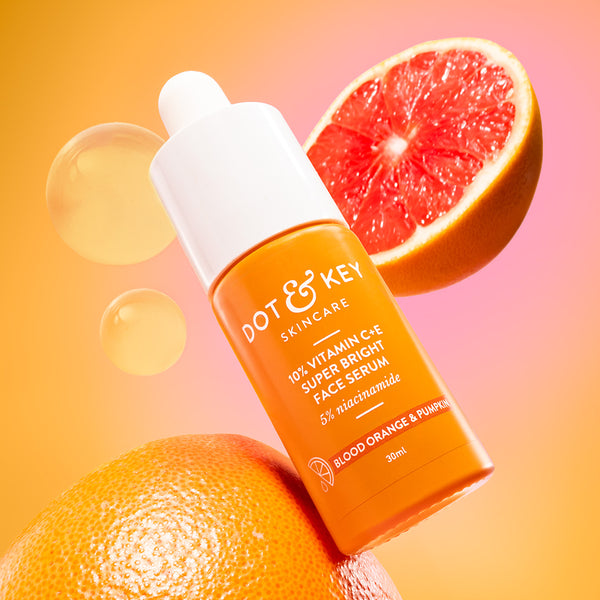
Vitamin C is the best-studied antioxidant for brightness. It neutralises free radicals, inhibits melanin production, and supports collagen synthesis. A randomised controlled trial found that daily use of a 10% vitamin C serum improved wrinkles and dermal collagen after twelve weeks, particularly when combined with sunscreen.
Niacinamide is another strong option. At 5%, it reduces hyperpigmented spots and skin sallowness, and it is generally well tolerated. It can be used alongside vitamin C or on its own if vitamin C stings.
5. Consider a retinoid at night, if your skin tolerates it
Retinoids speed up cell turnover and help shed dull, pigmented surface cells. They also stimulate collagen and improve texture over time. Start with a low strength, such as 0.25% retinol or 0.025% tretinoin, two nights a week. Build up slowly. Retinoids are not suitable during pregnancy, and they can cause irritation and early photosensitivity.
6. Wear sunscreen every morning
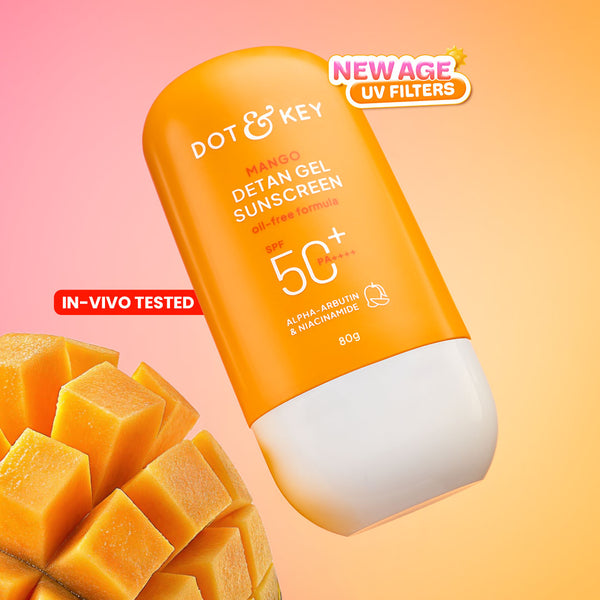
Choose a broad-spectrum sunscreen with SPF 30 or higher and a PA+++ or PA++++ rating. Apply enough to cover the face and neck, and reapply when you are outdoors for long periods. For Indian skin tones, a tinted or no-white-cast formula may be more comfortable and can also help with visible light protection. Sunscreen is the single most important step for preventing pigment-related dullness.
7. Support the basics: sleep, sugar and stress
Aim for seven to eight hours of regular sleep. Keep added sugar moderate. Move your body most days. These steps do not replace skincare, but they change the environment in which the skin repairs itself.
Ingredient comparison
|
Ingredient |
What it does |
Best for |
Watch out for |
|
Niacinamide 2–5% |
Reduces melanosome transfer, supports barrier, calms inflammation |
Pigmentation, sallowness, oiliness |
Well tolerated; patch test if sensitive |
|
Vitamin C 10–15% |
Antioxidant, inhibits melanogenesis, supports collagen |
Dullness, uneven tone, photoaging |
Can sting; formulations vary in stability |
|
Mandelic or lactic acid |
Dissolves dead cell bonds on the surface |
Surface dullness, texture, mild pigmentation |
Start twice weekly; daily SPF is essential |
|
Retinoid |
Increases cell turnover, improves texture and pigment |
Persistent dullness, texture, photoaging |
Irritation; avoid in pregnancy |
|
Broad-spectrum sunscreen |
Prevents UV-driven pigmentation and collagen damage |
Everyone, especially pigment-prone skin |
Reapply; choose a cosmetically acceptable formula |
How long results take
|
Timeframe |
What you may notice |
|
1–2 weeks |
Slightly smoother texture and better hydration if you exfoliate and moisturise consistently |
|
4–8 weeks |
Improved brightness and more even tone with vitamin C or niacinamide |
|
8–12 weeks |
Better texture and pigment improvement with a retinoid, if tolerated |
|
12+ weeks |
Continued improvement in pigmentation; PIH and melasma may need longer and professional input |
These are general ranges, not guarantees. Results depend on the cause of dullness, product formulation, consistency, and sun exposure.
Common mistakes that keep skin dull
• Exfoliating every day. More is not better. Daily exfoliation can damage the barrier and worsen pigmentation.
• Using harsh scrubs instead of chemical exfoliants. Irregular scrub particles can create micro-tears and trigger PIH in Indian skin.
• Skipping sunscreen because you are indoors. UVA passes through windows and contributes to pigmentation.
• Layering too many actives at once. Vitamin C, retinol, glycolic acid, and benzoyl peroxide together can overwhelm the skin.
• Expecting overnight results. Brightness is a gradual change, not a switch.
• Confusing dullness with pigmentation. If you have distinct dark patches, you need a pigment-focused plan, not just exfoliation.
When to see a dermatologist
Consider professional advice if:
• Dark patches are spreading, deepening, or appearing suddenly.
• You suspect melasma or you have a history of melasma.
• Acne marks are not fading after several months.
• Your skin is persistently red, stinging, or inflamed.
• You are pregnant or planning pregnancy and want to use retinoids.
• You have tried a consistent routine for three months without any improvement.
A dermatologist can assess whether the issue is ordinary dullness, PIH, melasma, or another condition. They can also discuss in-clinic options such as chemical peels, microdermabrasion, or laser treatments where appropriate. These are medical decisions, not routine skincare steps.
The bottom line
Dullness is usually a sign that the skin needs support in four areas: gentle exfoliation, hydration, antioxidant protection, and sun defence. You do not need to “remove” a layer of skin or buy a new product every week. You need a small number of evidence-backed steps, done consistently, with realistic expectations. If the problem is pigmentation rather than simple dullness, get the right diagnosis before spending more on actives.
FAQ
Can dullness be removed permanently?
Dullness is usually manageable rather than permanently “cured.” Skin constantly renews and is exposed to sun, pollution, and lifestyle factors, so the look can return if the routine stops. Consistent exfoliation, hydration, antioxidants, and sunscreen keep it under control.
Is vitamin C or niacinamide better for dullness?
Both work, and they do different things. Vitamin C is a strong antioxidant that also inhibits melanin production. Niacinamide reduces pigment transfer and supports the barrier. If your skin tolerates both, using vitamin C in the morning and niacinamide in the evening is a reasonable approach. If you have sensitive skin, start with niacinamide.
How often should I exfoliate if I have Indian skin?
Start with two nights a week and do not exceed three unless a dermatologist advises otherwise. Mandelic or lactic acid is generally gentler than glycolic acid for Indian skin. Always use sunscreen the next morning.
Does drinking water remove dullness?
Hydration matters, but drinking water alone does not fix dull skin. Topical moisturisers and humectants are needed to improve the skin barrier and the surface’s ability to reflect light. Adequate fluid intake supports general health but is not a standalone treatment.
Can dullness be caused by a poor diet?
A diet high in sugar and refined carbohydrates can promote glycation, which contributes to a sallow look. Antioxidant-rich foods and adequate protein support skin health. Diet is one factor among several, not the sole cause.
Are home remedies like lemon juice or baking soda safe for dull skin?
No. Lemon juice is highly acidic and can irritate the skin, and baking soda can disrupt the barrier. In Indian skin, irritation can trigger post-inflammatory hyperpigmentation. Use formulated exfoliants and sunscreen instead.
How can I tell if my dullness is actually melasma?
Melasma usually appears as symmetrical, blotchy brown patches, often on the cheeks, forehead, upper lip, or chin. It is triggered by sun and sometimes hormones. If you see a patterned patch rather than general dullness, see a dermatologist for assessment.