





Dragon Fruit in Skincare: Benefits, Uses, and What to Expect
 23 Sep 2026

Skincare is moving beyond just hydration. Today, there's more focus on ingredients that support the skin's natural repair processes and help keep it looking healthy, smooth, and resilient. Dragon fruit is one such ingredient, gaining popularity in skincare for its antioxidant and hydrating properties. In this guide, we'll break down what dragon fruit extract is, how it works, its potential benefits for the skin, and how to use it in your routine.
What Is Dragon Fruit Extract?
Dragon fruit, also known as pitaya, is the fruit of several cactus species native to Central and South America. The most common variety for skincare is the red-fleshed Hylocereus undatus. The extract used in cosmetics is typically derived from the fruit's pulp, peel, or seeds. It is a rich source of antioxidants, vitamins, and hydrating sugars, making it a versatile addition to a range of leave-on products. Importantly, many skincare ingredient suppliers now source dragon fruit from by-products of the food industry, which adds a layer of environmental sustainability.
The Key Active Compounds in Dragon Fruit
The benefits of dragon fruit are not magic; they are rooted in its chemical composition.
Betalains: The Antioxidant Powerhouse
Betalains are the pigments responsible for the fruit's vibrant red-violet color. They are potent antioxidants with demonstrated ability to neutralize free radicals — unstable molecules generated by UV radiation, pollution, and stress that damage collagen and DNA in skin cells. Betalains are also known for their anti-inflammatory properties.
Vitamin C: A Gentle Brightening Agent
Dragon fruit contains a moderate amount of natural vitamin C (ascorbic acid). While the concentration in an extract is lower than in a dedicated vitamin C serum, it contributes to the overall antioxidant effect and can gently support skin brightening and collagen production over time. It is particularly useful for individuals whose skin finds high-strength vitamin C irritating.
Polysaccharides: Hydration and Barrier Support
The flesh of dragon fruit is rich in complex sugars called polysaccharides. In skincare, these molecules function as humectants, drawing water into the stratum corneum (the outermost layer of skin) and helping to keep it hydrated. They also form a light, breathable film on the skin that supports the natural barrier.
Evidence-Based Benefits of Dragon Fruit for Skin
While direct clinical trials on isolated dragon fruit extract in humans are still limited, the benefits can be confidently inferred from its chemical composition and studies on its individual components.
1. Provides Antioxidant Protection Against Environmental Stress
This is the most significant and well-supported benefit. The betalains and vitamin C in dragon fruit work synergistically to scavenge free radicals before they can cause oxidative damage. This helps protect against premature aging, hyperpigmentation, and collagen degradation caused by daily exposure to UV rays and pollution. Think of it as a daily defense system for your skin.
2. Supports Skin Hydration and Barrier Function
The polysaccharide content makes dragon fruit extract a valuable hydrating ingredient. By attracting and binding water, it helps plump the skin and reduce the appearance of fine dehydration lines. Its soothing nature also makes it suitable for stressed or sensitive skin, supporting the barrier without causing irritation.
3. May Help Brighten Dull Skin (Gently)
Due to its antioxidant and natural vitamin C content, dragon fruit can contribute to a more luminous complexion over time. It works by neutralizing the free radicals that contribute to a dull, uneven tone. However, it is not a substitute for clinically proven brightening agents like stable L-ascorbic acid, niacinamide, or alpha arbutin. Expect subtle radiance, not a dramatic reduction in hyperpigmentation.
4. Soothes and Calms the Skin
The anti-inflammatory activity of betalains, combined with the hydrating properties of polysaccharides, gives dragon fruit a calming effect. It is a well-tolerated ingredient for most skin types, including those prone to redness or sensitivity.
Dragon Fruit in Specific Products: Moisturizers and Sunscreens
Dragon fruit is a logical addition to leave-on products where its protective and hydrating properties can shine.
Why It Works in a Moisturizer
A dragon fruit moisturizer combines the ingredient's humectant properties with a standard cream or gel base. The extract helps draw moisture into the skin, while the product's emollients seal it in. This dual action makes the moisturizer feel more effective at keeping skin comfortable throughout the day. For those seeking a product that hydrates while providing a layer of antioxidant defense against city pollution, a dragon fruit moisturizer is a strong candidate. The extract is particularly at home in lightweight, gel-cream formulas designed for daily wear.
Why It Works in a Sunscreen
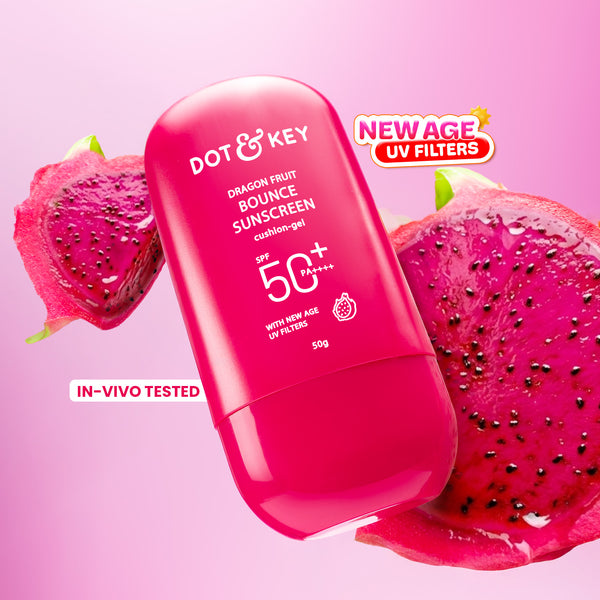
Sunscreen's primary job is to block or absorb UV radiation. However, some UV rays inevitably cause free radical formation in the skin. Antioxidants in sunscreen can help "mop up" these free radicals, providing a secondary layer of defense. A dragon fruit sunscreen combines UV filters with the protective power of betalains and vitamin C. This does not replace the need for high SPF or reapplication, but it adds a meaningful boost to your daily sun protection strategy. It is an excellent example of a modern, multi-functional SPF product that protects against both UV and environmental stressors.
Dragon Fruit vs. Other Antioxidant Ingredients
Understanding where dragon fruit sits among other antioxidants helps set realistic expectations.
|
Feature |
Dragon Fruit Extract |
Vitamin C (L-Ascorbic Acid) |
Niacinamide |
Green Tea Extract (EGCG) |
|
Primary Function |
Antioxidant defense, hydration |
Potent antioxidant, collagen booster, brightener |
Anti-inflammatory, oil regulation, barrier support |
Soothing, anti-inflammatory, antioxidant |
|
Key Compounds |
Betalains, Vitamin C, Polysaccharides |
Ascorbic Acid |
Niacinamide (Vitamin B3) |
Catechins (EGCG) |
|
Strength |
Gentle, supportive |
Potent, can be irritating |
Gentle, very well-researched |
Gentle, soothing |
|
Best For |
All skin types, sensitive skin, daily defense |
Dullness, hyperpigmentation, anti-aging |
Redness, enlarged pores, oily skin |
Reactive skin, redness, sun damage repair |
|
Evidence Level |
Emerging evidence for extract; strong for components |
Very strong, extensively studied |
Very strong, extensively studied |
Strong, well-documented |
Who Should Use Dragon Fruit Skincare?
Dragon fruit is exceptionally inclusive and safe for most skin types.
● All skin types: Including dry, oily, and combination.
● Sensitive skin: Its gentle, non-irritating nature makes it a good choice.
● City dwellers: Those exposed to high levels of pollution will benefit from the added antioxidant defense.
● Those looking for gentle brightening: If high-strength vitamin C is too harsh, dragon fruit offers a milder alternative.
How to Incorporate Dragon Fruit into Your Routine
The best way to use dragon fruit is as a supporting player in a well-rounded routine.
● Cleanse: Start with a gentle cleanser.
● Treat (Optional): Apply targeted serums (e.g., a vitamin C serum in the morning or a retinol at night).
● Moisturize: Apply a dragon fruit moisturizer to lock in hydration and provide antioxidant support.
● Protect (Morning): Finish with a dragon fruit sunscreen (or any SPF 30 or higher) during the day. This is the most important step for preventing the damage that antioxidants are designed to fight.
What to Look for in a Dragon Fruit Product
Extract vs. Powder: Look for products that specify "Hylocereus Undatus Fruit Extract" or similar. Avoid products that rely solely on "dragon fruit fragrance" or "juice," as these may not contain beneficial concentrations of antioxidants.
Companion Ingredients: The best formulations pair dragon fruit with other proven actives. Look for hyaluronic acid for deeper hydration, niacinamide for barrier support and oil control, and ceramides for dry skin.
Formulation Stability: Antioxidants degrade when exposed to light and air. Choose products in opaque, airless packaging to protect ingredient integrity.
Potential Side Effects and Safety
Dragon fruit extract is considered very safe for topical use. It is non-toxic, non-comedogenic (does not clog pores), and has a low risk of irritation. Allergic reactions are rare. As with any new product, a patch test on the inner forearm is recommended if you have highly reactive skin.
Conclusion
Dragon fruit extract is more than a pretty ingredient. It offers genuine, science-backed benefits as a gentle antioxidant and hydrator. Its strength lies in daily defense: protecting the skin from environmental stressors while keeping it comfortable and plump. When formulated correctly into products like moisturizers and sunscreens, it provides a meaningful boost to your routine, particularly for those seeking effective yet gentle skincare. It is not a miracle cure, but it is a valuable, well-tolerated supporting player in the pursuit of healthy, resilient skin.
Frequently Asked Questions
Is dragon fruit good for acne-prone skin?
Yes, it is generally well-tolerated. It is non-comedogenic, meaning it is unlikely to clog pores, and its anti-inflammatory properties may help calm acne-related redness. However, it is not a primary acne treatment.
Does dragon fruit extract have vitamin C?
Yes, it naturally contains vitamin C. However, the concentration is lower than in a dedicated, stabilized vitamin C serum. It contributes to the overall antioxidant effect but should not replace a potent vitamin C product if you are targeting specific concerns like hyperpigmentation.
Can I use dragon fruit skincare every day?
Yes, it is gentle enough for daily use, both morning and night. Its antioxidant properties are particularly beneficial in the morning to defend against daily UV and pollution exposure.
Is dragon fruit extract just a marketing gimmick?
While its name is used for marketing appeal, the ingredient itself has a legitimate basis in science. Its key compounds (betalains, polysaccharides) are known for their antioxidant and hydrating properties. The main limitation is that it is a supporting ingredient, not a standalone treatment for significant skin concerns.
What is the difference between dragon fruit and pitaya in skincare?
They are the same thing. "Pitaya" is another name for dragon fruit. Both terms refer to the fruit of the cactus species Hylocereus.
Does dragon fruit sunscreen work as well as regular sunscreen?
Yes, a dragon fruit sunscreen provides the same level of UV protection as its SPF rating indicates. The dragon fruit extract is an added benefit, offering extra antioxidant defense against free radicals generated by UV exposure. It does not change the fundamental SPF protection.