


Best Skin Care Routine for Dry Skin (2026 Guide)
 23 Jul 2026

Hey, hey girliepops!
If you are playing tic-tac-toe on your dry skin, stop right now! We need to talk.
Because those tiny dry patches, flaky bits, and that tight feeling after washing your face? They're nothing else but your skin's way of asking for some extra love.
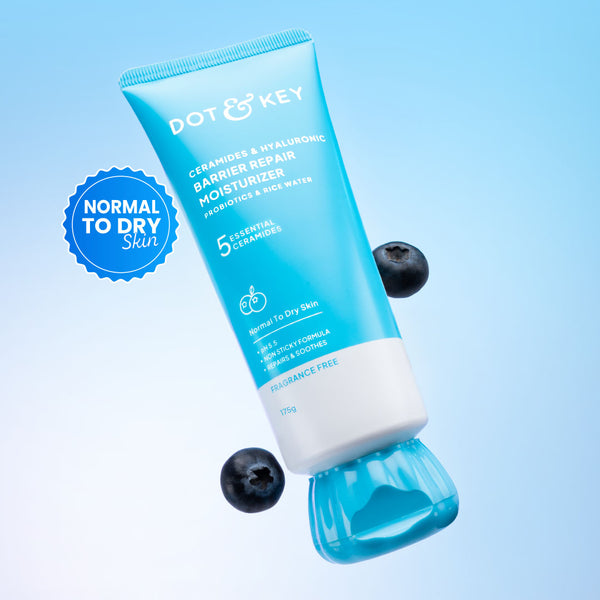
Now you're probably wondering, “Okay... so what do I actually do?” The good news? It doesn't have to be complicated. Dermatologists recommend keeping it simple with a three-step routine: start with a cream cleanser, follow it up with a hyaluronic acid serum on damp skin, and seal it all in with a ceramide-rich balm moisturizer.
And no, this isn't just another skincare hack doing the rounds online. This routine can increase skin hydration by 45% in two weeks and help heal visible flaking in as little as 7 days.
So, it's officially time to say “game over” your dry skin, trade those Xs and Os for hydration and glow. We'll show you exactly how.
Why Dry Skin Requires a Dedicated Routine
Dry skin produces too little sebum. It loses water too quickly. This causes tightness, rough texture, and fine dehydration lines. A specific routine stops water loss and rebuilds the lipid barrier.
Your skin barrier is a brick wall. Corneocytes are the bricks. Lipids are the mortar. These lipids include ceramides, cholesterol, and free fatty acids. Dry skin lacks enough of these fats. The gaps let water evaporate. This process is trans-epidermal water loss (TEWL).
External factors worsen the condition. Low humidity pulls moisture from the skin. Hot water strips surface oils. Harsh foaming cleansers dissolve the lipid mortar. Aging reduces natural oil production by 40% after age 40. Genetics also play a role. You need products that add water, trap it, and supply missing barrier fats. A wrong routine creates a cycle of tightness, sensitivity, and persistent flaking.
Morning Skin Care Routine for Dry Skin
The morning routine floods skin with water and locks it in. It protects the barrier all day. Each step adds a layer of hydration. The finish is dewy and comfortable.
Step 1: Cleanse with a Cream Cleanser
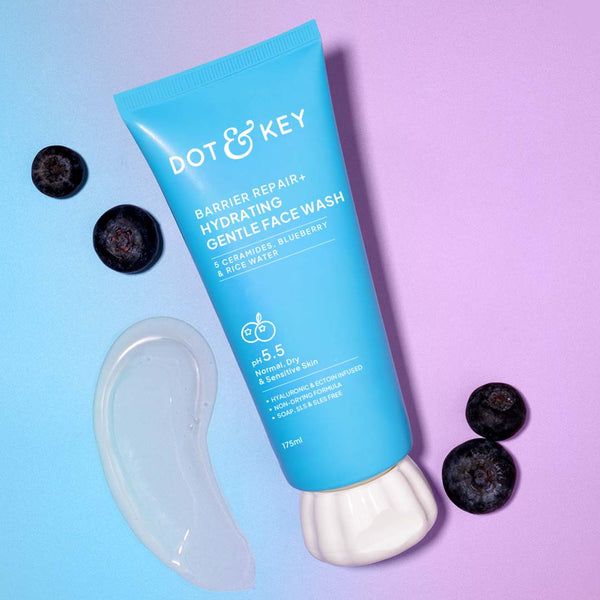
Cream cleansers contain rich emollients. They remove overnight debris without foaming agents. This keeps the lipid barrier intact. Your skin feels soft, not tight, after washing.
Avoid gel and foam cleansers. They use sulfates that strip the barrier. A cream cleanser has a lotion-like texture. It spreads easily. Massage it onto dry or damp skin for 30 seconds. Use lukewarm water. Hot water melts your natural oils. Pat your face dry with a soft towel. Do not rub. Rubbing irritates dry patches. This step sets a gentle foundation for the day.
Step 2: Apply a Hydrating Toner
A toner with glycerin and hyaluronic acid boosts skin moisture instantly. It increases hydration by 30% within one minute. This step preps skin to absorb the serum better.
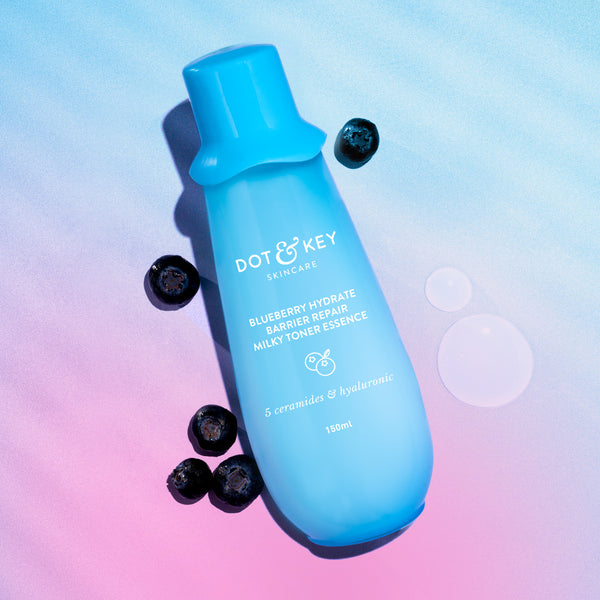
Pour a few drops into your palms. Press the liquid into your face and neck. Skip cotton pads. They absorb product and create friction. Look for formulas with panthenol, centella asiatica, or snow mushroom. These calm any redness. A milky essence adds a first layer of lipids. This is especially helpful in winter. The toner stage should leave your skin damp and plump. Do not let it dry fully before the next step.
Step 3: Layer a Hyaluronic Acid Serum
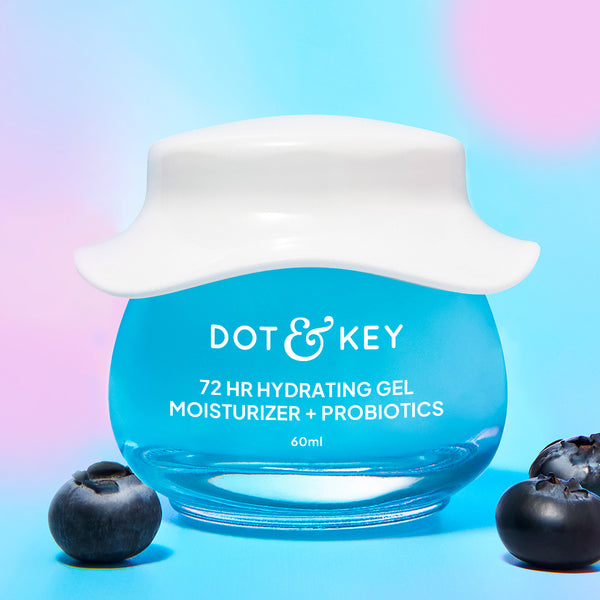
Hyaluronic acid binds 1,000 times its weight in water. Apply it to damp skin immediately after toner. This locks in surface moisture. It plumps fine dehydration lines in minutes.
Hyaluronic acid (HA) is a humectant. It pulls water from the environment and deeper skin layers. Multiple molecular weights work best. Low-weight HA penetrates deeper. High-weight HA sits on the surface and smooths. Dispense a full dropper. Spread it over damp cheeks, forehead, and neck. Press it in gently. Wait 60 seconds. Your skin should feel slightly tacky. This means the active layer is ready for a sealant.
Step 4: Use Ceramide-Rich Moisturizer
A moisturizer with ceramides, fatty acids, and cholesterol mimics the skin barrier. It stops TEWL for 24 hours. Choose a balm or thick cream texture in winter. Use a lotion in humid months.
Ceramides make up 50% of the barrier. A formula with the correct 3:1:1 ratio of ceramides, cholesterol, and fatty acids repairs gaps quickly. Shea butter adds immediate softness. Squalane mimics your natural sebum. Apply a blueberry-sized amount. Warm it between your fingers. Press and roll it onto the skin. Do not drag. This seals the hydrating layers underneath. Your face will look dewy but not greasy.
Step 5: Protect with a Hydrating Sunscreen SPF 50+
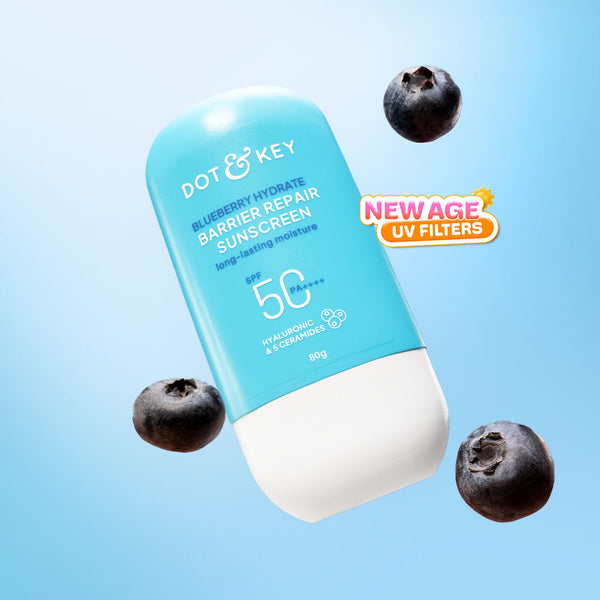
UV rays thin the barrier and increase water loss. Apply a moisturizing sunscreen with SPF 50+ every morning. Mineral filters with zinc oxide soothe dry skin actively.
Chemical sunscreens can sting a compromised barrier. Zinc oxide and titanium dioxide sit on the surface. They reflect UV light. They also have anti-inflammatory properties. This calms red, dry patches. Look for a formula with added glycerin, squalane, or ceramides. Apply a full teaspoon to the face and neck. Reapply every two hours with a hydrating sun stick or mist. Sun protection prevents the thickening of dead skin layers that magnifies flaking.
Night Skin Care Routine for Dry Skin
The evening routine repairs damage and deeply nourishes. Double cleanse gently. Exfoliate with lactic acid on alternate nights. Layer a barrier serum and a rich sleeping mask. This routine rebuilds the lipid barrier while you sleep.
Step 1: Double Cleanse with an Oil Balm and Cream Cleanser
An oil balm melts makeup and sunscreen without friction. The cream cleanser washes away residue gently. This method removes every trace of debris and preserves lipids.
Take a small scoop of balm. Massage it onto dry skin for 60 seconds. The balm transforms into an oil. It dissolves tenacious SPF and foundation. Emulsify it with a little water. Rinse completely. Then use your morning cream cleanser. This second step ensures a perfectly clean canvas. It prevents the tight feeling that often follows double cleansing. The skin feels smooth and cushiony.
Step 2: Gentle Exfoliation with Lactic Acid or PHA (3 Nights a Week)
Lactic acid (5% to 10%) exfoliates and hydrates at the same time. It loosens dead, flaky cells without scrubbing. Polyhydroxy acids (PHAs) are gentler for very sensitive dry skin.
Exfoliation is critical for dry skin. Dead cell buildup prevents moisturizer absorption. Lactic acid is an alpha-hydroxy acid (AHA) with a large molecule size. It penetrates slowly and attracts water. This reduces the risk of irritation. A 5% concentration suits beginners. Use it on Monday, Wednesday, and Friday nights. Apply after cleansing. Wait 10 minutes before the next step. A PHA like gluconolactone offers similar benefits. It also chelates metals and provides antioxidant protection. Do not over-exfoliate. More than three nights per week can damage the barrier.
|
Exfoliant |
Active Agent |
Key Benefit for Dry Skin |
Best For |
Frequency |
|
Lactic Acid 5% |
Alpha-Hydroxy Acid |
Exfoliates, hydrates |
Flaky, dull, normal sensitivity |
2–3 nights/week |
|
PHA Toner |
Gluconolactone |
Gentle exfoliation, antioxidant |
Red, very sensitive, eczema-prone |
2 nights/week |
|
Enzyme Mask |
Papain (Papaya) |
Dissolves dead cells only |
Extreme reactivity |
Once weekly |
Step 3: Apply a Barrier-Repair Serum
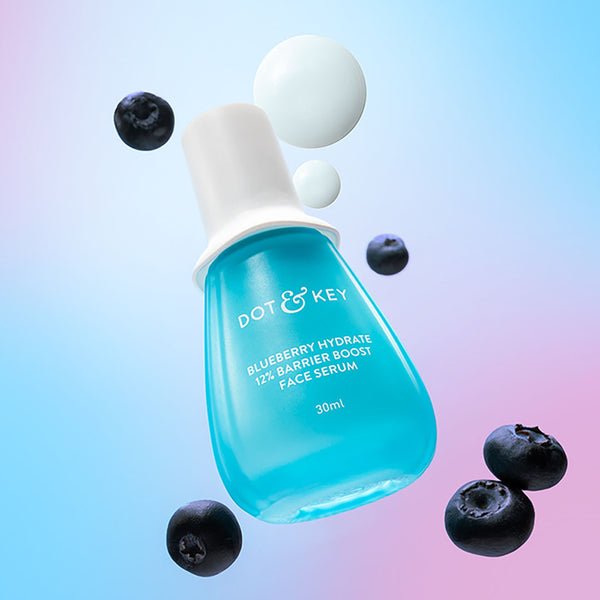
A serum with ceramides and peptides strengthens the barrier overnight. Niacinamide boosts natural ceramide production by 35%. A milky, lipid-rich formula works best.
This step amplifies repair. Niacinamide spurs keratinocytes to produce more ceramides. Peptides signal collagen synthesis. This firms skin over time. Oat beta-glucan soothes irritation immediately. Dispense a dropper-full. Press it into the skin after exfoliation or cleansing. Let it absorb for two minutes. The skin should feel completely comfortable before the final layer.
Step 4: Apply a Rich Night Cream
A thick cream with shea butter, urea, and squalane locks in all prior layers. Urea at 5% gently dissolves flakes and holds water. Apply a generous layer to seal the night.
A sleeping mask is an even richer option. It forms a breathable occlusive film. This film minimizes overnight TEWL. Petrolatum is the gold-standard occlusive. It reduces water loss by 98%. However, some prefer natural alternatives. Beeswax and high-quality lanolin offer similar protection. Spread a thick layer from forehead to neck. Avoid rubbing it into the hairline. Your skin will feel plump and smooth by morning.
Step 5: Optional Facial Oil Seal
Add 3 drops of pure squalane or rosehip oil on top. Press it over the cream in harsh winter climates. This extra layer prevents overnight dehydration.
Facial oils are emollients and occlusives. Squalane is a hydrocarbon identical to human sebum. It absorbs easily. Rosehip oil provides essential fatty acids and vitamin A. It brightens and repairs. Do not use oils under your cream. They create a barrier that blocks water-based actives. Always apply oil last. Press, don’t rub. This seals the entire routine for extreme softness.
Weekly Treatments to Restore Dry Skin
A hydrating sheet mask delivers a 20-minute moisture infusion. A gentle enzyme exfoliant removes flaky buildup. Use these treatments to reset the skin once per week.
Hydrating Sheet Mask
Choose a mask soaked in glycerin, hyaluronic acid, and centella asiatica. Apply it to clean skin. Relax for 15 to 20 minutes. Remove the mask. Massage the remaining essence into the skin. Do not rinse. Follow immediately with your moisturizer to seal the serum. This treatment plumps fine lines and calms redness. It adds a visible glow for 48 hours.
Gentle Enzyme Exfoliant
Fruit enzymes like papain (papaya) or bromelain (pineapple) digest dead protein bonds. They lift flakes without any grit. Apply a thin layer of an enzyme mask. Leave it on for 5 to 10 minutes. Rinse with cool water. This step is perfect for days when skin feels rough but too sensitive for acid exfoliants.
Ingredient Guide for Dry Skin
Build your routine around humectants, emollients, and occlusives. Avoid foaming agents and denatured alcohol. The right ingredients heal the barrier within 14 days.
Humectants (Water Binders)
• Hyaluronic Acid – Binds 1,000x its weight in water.
• Glycerin – Mimics the skin’s natural moisturizing factor.
• Urea (5%) – Exfoliates gently and hydrates profoundly.
• Panthenol (Pro-Vitamin B5) – Attracts water, soothes.
Emollients (Lipid Fillers)
• Squalane – Lightweight, mimics human sebum.
• Ceramides – Fill cracks between skin cells.
• Shea Butter – Softens instantly, rich in fatty acids.
Occlusives (Water Sealants)
• Petrolatum – Reduces TEWL by 98%.
• Dimethicone – Creates a breathable protective film.
• Lanolin – Mimics human skin lipids, very thick.
• Beeswax – Natural thickener, adds a barrier.
|
Moisturizer Texture |
Key Ingredients |
Hydration Depth |
Best Time to Use |
|
Milky Lotion |
Glycerin, Squalane, Ceramide NP |
Light |
Humid summer mornings |
|
Rich Cream |
Shea Butter, Hyaluronic Acid, Urea 5% |
Medium |
Day and night in fall |
|
Balm / Sleeping Mask |
Petrolatum, Lanolin, Ceramide EOP, Oat |
Deep |
Winter nights |
Ingredients to Strictly Avoid
• Sodium Lauryl Sulfate (SLS) – Harsh detergent, strips all lipids.
• Alcohol Denat. (SD Alcohol) – Dissolves barrier fats, causes stinging.
• High-Concentration Salicylic Acid (>2%) – Penetrates and dries already parched pores.
• Benzoyl Peroxide – Oxidizes and depletes surface oils aggressively.
• Synthetic Fragrance – The top trigger for irritation in barrier-impaired skin.
Lifestyle Habits for Lasting Hydration
Run a humidifier at 50% in your bedroom. Drink 2 liters of water. Eat omega-3 fatty acids. Take lukewarm 5-minute showers. These habits prevent water loss from the inside out.
A cool-mist humidifier adds moisture to dry indoor air. This directly lowers TEWL overnight. Set it to 40–60% humidity. Clean it weekly. Dietary fats strengthen cell membranes. Flaxseeds, walnuts, and salmon provide omega-3 alpha-linolenic acid. These improve barrier cohesion. Drink water consistently throughout the day. Dehydration shows first in the skin’s outer layer. Limit long hot showers. Hot water scours the lipid barrier in under 3 minutes. Apply body lotion to damp skin immediately after bathing.
Your 28-Day Dry Skin Transformation Plan
Adopt this sequence without deviation. Expect tightness to vanish by day 3. Flaking disappears by day 7. Skin hydration increases by 45% at day 14. The barrier fully stabilizes by day 28.
Morning, Daily: Cream cleanser → Hydrating toner → HA serum on damp skin → Ceramide cream → Moisturizing SPF 50+.
Evening, Daily: Oil balm → Cream cleanser → (Lactic acid on 3 nights) → Barrier serum → Rich night cream → (Facial oil in winter).
Weekly: One hydrating sheet mask. One enzyme peel if flaking persists.
Lifestyle: Humidifier at night. Omega-3 rich meals. Lukewarm showers only.
Frequently Asked Questions
Why does my skin feel tight after cleansing?
Your cleanser is too harsh. It strips surface lipids. Switch to a cream or milk cleanser immediately. Tightness is the first sign of barrier damage.
How often should I exfoliate very dry, flaky skin?
Exfoliate with 5% lactic acid just twice a week. Increase to three times only if no redness appears. Over-exfoliation sets back barrier repair by two weeks.
Is hyaluronic acid safe in dry climates?
Apply hyaluronic acid to damp skin. Seal it quickly with a cream. In arid air, pure HA can pull water from deeper skin and increase dryness. Always trap it with an occlusive.
Can dry skin cause acne?
Yes. A damaged barrier allows bacteria and irritants to enter. This triggers inflammatory breakouts. Repair the barrier first. Avoid harsh acne treatments. Barrier recovery often clears the skin.
What SPF texture works best for dry skin?
A creamy, lotion-style SPF with zinc oxide works best. It hydrates and soothes. Avoid clear, alcohol-based gel sunscreens. They dry the skin further.