



Best Skin Care Routine for Combination Skin (2026 Guide)
 29 Jul 2026

Combination skin can feel like you're caring for two different skin types at once. Your forehead, nose, and chin become shiny just hours after cleansing, while your cheeks may feel tight, dry, or even flaky. Use products for oily skin, and the dry areas become uncomfortable. Switch to richer formulas, and your T-zone ends up looking greasy. Finding the right balance often feels like an endless cycle of trial and error.
The good news is that combination skin doesn't need two separate routines—it needs the right one. Dermatologists recommend focusing on products that balance rather than strip the skin. A gentle cleanser removes excess oil without drying the cheeks, a niacinamide serum helps regulate sebum while supporting the skin barrier, and a lightweight gel-cream moisturizer hydrates where it's needed without overwhelming oilier areas. With the right ingredients and a consistent routine, you can reduce shine, keep dry patches comfortable, and maintain a healthier, more even complexion.
In this guide, we'll walk you through a dermatologist-recommended morning and evening skincare routine for combination skin, explain the best ingredients for balancing oil and hydration, and share practical tips for treating different areas of your face without overcomplicating your routine. The goal isn't to eliminate oil completely—it's to help your entire complexion feel comfortable, balanced, and healthy every day.
Why Combination Skin Needs a Multi-Zone Approach
Combination skin has an oily T-zone and dry or normal cheeks. The T-zone overproduces sebum while the cheeks lack lipids. A single routine for the whole face worsens both problems. A split strategy balances each zone individually.
Sebaceous gland density varies across the face. The forehead, nose, and chin have 400–900 glands per square centimetre. The cheeks have far fewer. Genetics and hormones drive T-zone oiliness. The cheek barrier is structurally thinner and loses water faster. Harsh foaming cleansers strip the cheeks. Heavy creams clog the T-zone.
Using the same product everywhere guarantees shiny pores and tight, flaky skin. You must treat the face as two distinct regions. A smart routine cleanses gently, hydrates the cheeks, and controls oil on the T-zone. This approach restores uniformity without compromise.
Morning Skin Care Routine for Combination Skin
The morning routine removes overnight oil without stripping the cheeks. It hydrates the whole face and controls T-zone shine for up to 8 hours. Use a light gel cleanser, a niacinamide serum, a gel-cream moisturizer, and a mattifying SPF.
Step 1: Cleanse with a Gel-to-Foam Cleanser
A pH-balanced gel cleanser with glycerin clears T-zone oil gently. It does not over-dry the cheeks. Look for a sulfate-free formula. Massage for 30 seconds and rinse with lukewarm water.
Avoid harsh foaming washes. They create a tight sensation on the cheeks that signals barrier damage. A gel cleanser with mild surfactants like cocamidopropyl betaine lifts impurities. A cream-to-foam formula offers extra cushion. Focus the lather on the T-zone. Let the suds drift over the cheeks. Do not aggressively rub dry areas. Pat skin dry. The result is a clean, balanced canvas with no tightness.
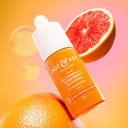
Step 2: Apply a Niacinamide 5% Serum All Over
Niacinamide regulates sebum production in the T-zone. It also boosts ceramide synthesis in dry cheeks. A 5% concentration reduces pore appearance and flaking within four weeks.
Niacinamide works intelligently. It does not suppress oil entirely. It normalizes gland activity. On the cheeks, it strengthens the barrier. It also calms inflammation. Use four drops. Press it into the entire face. It absorbs quickly without residue. This single step replaces the need for two separate treatments.
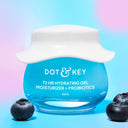
Step 3: Use a Gel-Cream Moisturizer
A lightweight gel-cream hydrates dry zones and mattifies oily zones simultaneously. Look for a formula with hyaluronic acid, dimethicone, and ceramides. Apply a pea-sized amount everywhere.
Gel-creams provide water-based hydration. They lack heavy occlusives. Dimethicone blurs pores and controls shine. Hyaluronic acid plumps fine lines on cheeks. Ceramides repair the cheek barrier. This all-in-one product simplifies the routine. No need to apply two different moisturizers. If cheeks feel tight by midday, dab an extra half-pea of moisturizer just on those areas. The T-zone stays matte.
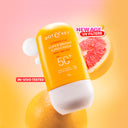
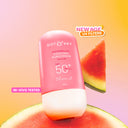
Step 4: Protect with a Lightweight, Matte Sunscreen SPF 50+
A combination sunscreen uses a lightweight chemical or hybrid formula. It must feel weightless on oily zones and non-drying on cheeks. Apply liberally. Reapply with a powder SPF.
Heavy creams clog T-zone pores. Alcohol-based gel SPFs burn dry cheeks. A water-based lotion with silica microbeads works perfectly. It creates a soft, matte finish. Mineral sunscreens with zinc oxide can work if micronized. Avoid thick, occlusive mineral formulas. Reapply with an SPF powder every 2 hours. The powder absorbs excess oil and doesn’t disturb makeup.
|
Sunscreen Format |
Best For Combination Skin Feature |
Application Tip |
|
Water-light fluid |
Lightweight, hydrates cheeks, invisible on T-zone |
Apply a full teaspoon, let set for 3 mins |
|
Hybrid Gel-Cream |
Blurs pores, controls shine with silica, moisturizes |
Pat on, do not rub |
|
Pressed Powder SPF |
Instant oil absorption, easy reapplication over makeup |
Use a puff, press into T-zone |
Night Skin Care Routine for Combination Skin
The evening routine deeply cleanses, exfoliates zone-specifically, and repairs the barrier. Use an oil cleanser to melt SPF. Follow with a balancing gel wash. Exfoliate with BHA on the T-zone and AHA on cheeks. Seal with a ceramide night cream.
Step 1: Double Cleanse for a Thorough Reset
An oil cleanser removes waterproof SPF and makeup without friction. A gel cleanser washes away residual oil. This prevents T-zone clogs and cheek dehydration.
Choose a lightweight oil cleanser with grapeseed or squalane. Massage onto dry skin. Focus on the nose and chin to dissolve sebaceous filaments. Emulsify with water. Rinse. Follow with the morning gel cleanser. This two-step method ensures zero pore residue. It leaves cheeks feeling soft, not stripped.
Step 2: Zone-Specific Exfoliation on Alternate Nights
Apply a BHA (2% salicylic acid) liquid only on the T-zone. Apply a gentle AHA (5% lactic acid) only on the cheeks. Do this on Monday, Wednesday, and Friday. This targeted approach clears pores and smooths flakes separately.
Salicylic acid penetrates oily pores. It dissolves blackheads. Glycolic or lactic acid exfoliates dry surface cells. Use a cotton swab for precision. Dab BHA on the forehead, nose, and chin. Dab AHA on the cheeks. Avoid crossover. Leave the acids on for 5 minutes. Do not rinse. This multi-masking exfoliation technique keeps both zones in perfect balance. Never use both acids on the same area. Over-exfoliation damages the cheek barrier.
|
Exfoliant |
Target Zone |
Concentration |
Action |
Frequency |
|
Salicylic Acid (BHA) |
T-zone |
2% |
Clears pores, reduces oil |
3 nights/week |
|
Lactic Acid (AHA) |
Cheeks |
5% |
Smooths flakes, hydrates |
3 nights/week |
|
PHA (Optional) |
Whole face |
5% |
Ultra-gentle, once weekly |
1 night/week |
Step 3: Apply a Lightweight Retinoid
An encapsulated retinol at 0.2% normalizes cell turnover across both zones. It prevents T-zone clogs and thickens the cheek dermis. Apply a pea-size amount after exfoliant nights or alone.
Retinol balances the skin over time. It refines pores and smooths texture. Choose a time-release encapsulation. This reduces the risk of cheek irritation. Start twice a week. Build to every other night. Apply after the exfoliant step. Wait 5 minutes. If cheeks become sensitive, apply a thin layer of moisturizer on cheeks only before retinol. This buffers the active. The T-zone can handle direct application.
Step 4: Night Cream with a Cheek Booster
Use an oil-free ceramide gel-cream all over. Add a thicker balm just on the cheeks. This combo repairs the barrier without clogging the T-zone.
A ceramide gel-cream provides light nighttime hydration. It does not congest pores. Dry cheeks often need more. Keep a small jar of a richer balm or a facial oil. After applying the gel-cream, warm a tiny amount of balm between fingertips. Press it onto the cheek bones and any dry patches only. Avoid the nose and chin. This custom approach delivers exactly what each zone needs. Wake up with a balanced, soft complexion.
Weekly Treatments for Combination Balance
Apply a purifying clay mask exclusively on the T-zone. Apply a hydrating sheet mask or cream mask on the cheeks. Do this once a week on Sunday. This resets the skin’s equilibrium.
T-Zone: French Green Clay Mask
Spread a thin layer of French green clay over the forehead, nose, and chin. Its high mineral content absorbs excess sebum and tightens pores. Leave on for 10–12 minutes. Rinse with tepid water before it fully dries. The cheeks remain untouched. This prevents over-drying.
Cheeks: Hydrating Avocado or Aloe Mask
Apply a rich, creamy mask loaded with avocado oil, aloe vera, and hyaluronic acid to the cheeks. Let it sit while the clay mask works. Rinse both off at the same time. This weekly ritual simultaneously decongests and plumps. It eliminates the tight, patchy feeling.
Ingredient Guide for Combination Skin
Use ingredients that self-regulate across skin types. Niacinamide, hyaluronic acid, and dimethicone adapt to both zones. Avoid heavy occlusives on the T-zone and harsh alcohols on the cheeks.
Universal Balancing Ingredients
• Niacinamide (Vitamin B3) – Normalizes oil, strengthens barrier, 5% concentration ideal.
• Hyaluronic Acid – Hydrates without heaviness, plumps fine lines on cheeks.
• Ceramides – Fill barrier cracks, non-comedogenic for T-zone.
• Dimethicone – Breathable silicone, blurs pores and controls shine.
• Squalane – Lightweight emollient, mimics natural lipids without clogging.
• Salicylic Acid (T-zone only) – Deep cleans oily pores.
• Lactic Acid (Cheeks only) – Gently exfoliates dry skin.
Zone-Specific Avoidance
• T-Zone: Avoid coconut oil, shea butter, isopropyl myristate, and heavy creams.
• Cheeks: Avoid denatured alcohol, sodium lauryl sulfate, and strong astringents.
|
Product Type |
T-Zone Requirement |
Cheek Requirement |
Balanced Solution |
|
Cleanser |
Oil control, deep clean |
Hydrating, non-stripping |
Sulfate-free gel or cream-to-foam |
|
Moisturizer |
Oil-free, matte |
Lipid-rich, soothing |
Oil-free gel-cream + cheek balm |
|
Sunscreen |
Powder matte, non-greasy |
Non-drying, dewy |
Watery lotion or hybrid gel-cream |
|
Weekly Mask |
Clay, charcoal, French green clay |
Cream, avocado, aloe |
Multi-mask technique |
Lifestyle Habits to Keep Skin Balanced
Hydrate consistently. Manage stress with 10-minute breaks. Avoid touching your face. Change your pillowcase every three days. A stable lifestyle prevents zone extremes.
Dehydration triggers dry cheeks. It also prompts the T-zone to overproduce oil. Drink 2 liters of water daily. High-sugar diets spike insulin. This increases T-zone sebum output. Limit processed foods. Stress raises cortisol, which activates oil glands and impairs barrier repair. Incorporate short breathing exercises. They lower cortisol within 5 minutes. Clean your phone screen daily. It transfers oil and bacteria to the cheeks. Simple habits maintain the balance you work for.
Your Combination Skin Action Plan
Follow this dual-zone protocol consistently. Expect T-zone shine reduction within 1 week. Cheek flaking resolves by day 10. Complete balance arrives at week 4.
Morning: Gel cleanser → Niacinamide 5% serum → Oil-free gel-cream → Mattifying SPF 50+.
Evening: Oil cleanser → Gel cleanser → (Zone exfoliant on M, W, F) → Encapsulated retinol → Gel-cream + cheek balm.
Weekly: French green clay mask on T-zone, hydrating mask on cheeks, at the same time.
Lifestyle: 2 liters water, low sugar intake, clean pillowcase, stress control.
Frequently Asked Questions
Can I just use two different moisturizers?
Yes. A gel for the T-zone and a cream for the cheeks works perfectly. Apply the gel first. Then dab the cream carefully only on dry areas. This is the most precise method.
How often should I exfoliate combination skin?
Three times a week is ideal. Use BHA only on the T-zone. Use AHA only on the cheeks. Never exfoliate the same area with both. Over-exfoliating the cheeks leads to redness.
What if my T-zone is very oily but my cheeks are flaky?
Reduce the salicylic acid to twice a week. Increase cheek moisturizer thickness. Add a squalane oil to the cheeks only at night. Avoid any alcohol-based products completely.
Is niacinamide safe for the whole face?
Yes. Niacinamide at 5% is the perfect all-over treatment. It reduces T-zone oil and repairs the cheek barrier. It rarely causes irritation.
Do I need a toner for combination skin?
A hydrating toner with glycerin and niacinamide can replace the serum step in summer. Avoid astringent toners. They strip the cheeks and trigger rebound T-zone oil.
Can I use the same SPF all year?
In winter, switch to a slightly more moisturizing sunscreen lotion. Apply a powder SPF on the T-zone only if shine appears. Adjust texture based on humidity.