



How to Transition Your Summer Skincare Routine for Monsoon
 15 Jun 2026

Just when you think you've figured out your summer skincare routine, the monsoon arrives and changes everything. The increased humidity, sudden temperature shifts, damp weather, and excess sweat can leave your skin feeling oilier, stickier, and more prone to clogged pores and breakouts than it did just a few weeks ago.
If your trusted summer products suddenly feel too heavy, your skin looks shinier by midday, or you're noticing unexpected congestion and irritation, you're not imagining it. Seasonal changes have a direct impact on your skin, and monsoon weather often calls for a few strategic adjustments to keep it balanced and comfortable.
The good news is that you do not need to overhaul your entire routine. In most cases, a few simple tweaks—such as switching to lighter textures, adjusting your cleansing habits, and focusing on humidity-friendly hydration—can help your skin adapt smoothly to the season.
In this guide, you'll learn exactly how monsoon weather affects your skin, which products to keep, what to swap out, and how to build a routine that keeps your complexion fresh, healthy, and breakout-free throughout the rainy season.
Who This Guide Is For
-
You live in a region with a distinct rainy or monsoon season
-
Your skin shifts from comfortable to oily, sticky, or breakout-prone once humidity hits.
-
You feel confused about which products to keep, which to drop, and what to add.
-
You want a simple, affordable routine that actually works without spending a fortune.
-
You care about keeping your skin healthy, clear, and glowing even when the weather feels like a steam room.
If any of that sounds like you, you are in the right place.
Your Monsoon Skincare Swap Cheat Sheet
This table captures the core switches you need. Use it as a quick reference before you dive deep.
|
Skincare Step |
Summer Go-To |
Monsoon Swap |
Why It Works |
|
Cleanser |
Non-drying Gel cleanser |
Gentle foaming gel or micellar gel cleanser |
Removes sweat, excess oil, and humidity buildup without over-drying |
|
Toner |
Hydrating, milky toner |
Light, balancing, alcohol-free toner |
Controls shine, preps skin without adding weight. |
|
Serum |
Lightweight, non-sticky serum |
Water-based, lightweight serum |
Treats oil & hydrates without clogging pores in sticky weather. |
|
Moisturizer |
Lotion or light cream |
Oil-free gel or gel-cream |
Locks in moisture & feels like nothing on skin. |
|
Sunscreen |
Cooling, lightweight SPF with New age UV Filters |
Matte or water-light SPF with New age UV Filters |
Protects from UV rays that pierce through clouds and rain. |
|
Exfoliant |
Twice-weekly scrub or cooling mask |
Once-a-week gentle chemical exfoliant or oil-control clay mask |
Prevents barrier damage in already-stressed humid conditions. |
This table alone can solve half your skin troubles. But understanding why these swaps work makes all the difference.
The Monsoon Skin Freak-Out: Why Humidity Changes Everything
Your skin is not broken. It is reacting to a massive shift in its environment.
In summer, dry heat pulls moisture from your skin. So you layer on creams to lock water in. When the monsoon arrives, the air suddenly holds a lot of water. Relative humidity in cities like Mumbai, Chennai, Bengaluru, Delhi or Kolkata often hovers between 80% and 90% during peak monsoon. Your skin no longer needs heavy help to stay hydrated.
Instead, all that moisture in the air mixes with your skin’s natural oils and sweat. The result is a sticky film that clogs pores fast. The heat and dampness also create a perfect home for yeast and bacteria on your skin. This is why fungal acne and sudden breakouts spike during rainy months.
In simple words:
-
High humidity = skin produces more oil.
-
More oil + sweat + dead skin cells = clogged pores.
-
Clogged pores + warm, wet weather = acne and dullness.
Data from dermatology research consistently shows that sebum production can increase by up to 10% in very humid conditions. Your job now is to cut down that excess, not add to it.
Your Step-by-Step Monsoon Routine
Follow this sequence morning and night. Adapt the textures, not the habit.
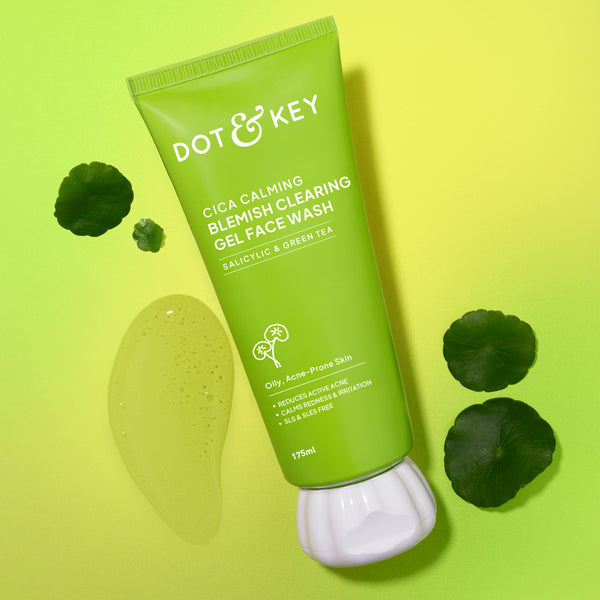
Step 1: Start with a Gentle Foaming Cleanser
Swap your hydrating cleanser for a gentle gel or foaming face wash. Look for formulas with ingredients like cica (centella), tea tree, neem, or mild salicylic acid.
Cleanse twice a day. More than that can strip your barrier. Less than that lets sweat and grime sit.
A simple rule: if your skin feels tight and squeaky after washing, your cleanser is too strong. You want clean, soft skin that still feels comfortable.
Step 2: Use a Balancing Toner (But Keep It Simple)
Toner is optional but helpful in monsoon. Choose a water-light, alcohol-free toner with ingredients like rose water, witch hazel, or niacinamide.
Pat it on with clean hands instead of a cotton pad. This saves product and avoids unnecessary tugging. A few drops pressed into your skin is all you need.
Avoid toners that sting or smell strongly of alcohol. They dry out your surface and make your skin produce even more oil to compensate.
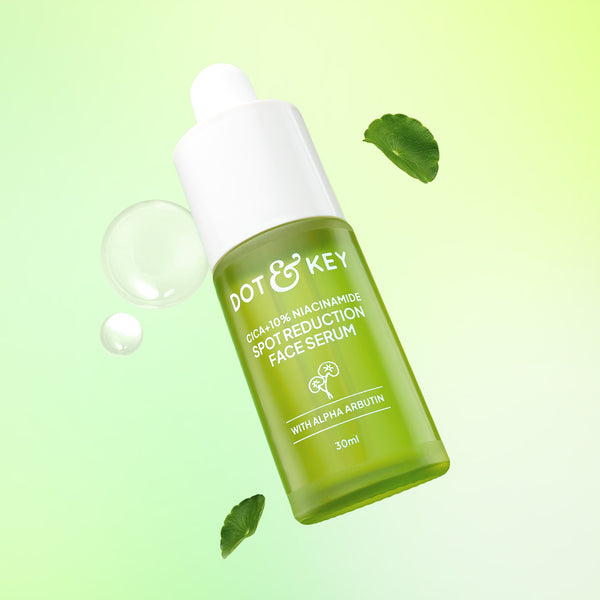
Step 3: Switch to a Water-Based Serum
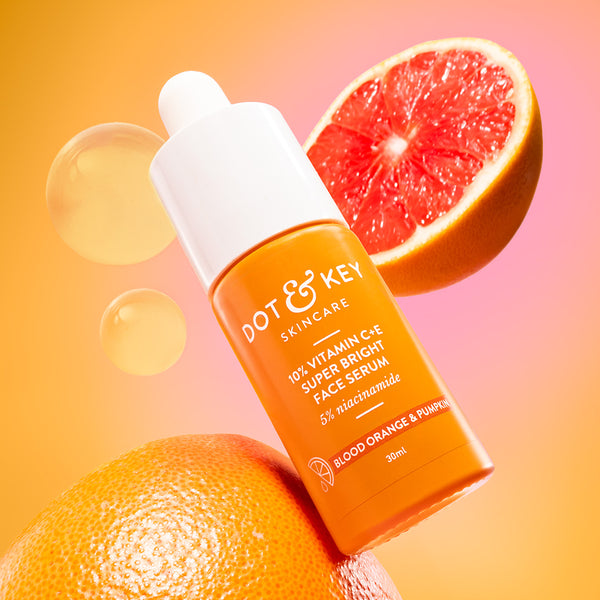
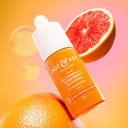
Your summer serum may have been full of rich oils or lightweight creamy texture. For the monsoon, pick a serum that feels like water. Look for hyaluronic acid, niacinamide, or cica (centella) extracts.
These ingredients hydrate your skin without adding grease. Niacinamide is especially helpful because it helps control oil and soothes redness caused by humidity.
Apply two to three drops to your face and neck right after toner, while your skin is still damp. That traps the hydration you need.
Step 4: Lock in Moisture with a Gel Moisturizer
This is the single most important swap. Put your creamy lotion away until the rains pass.
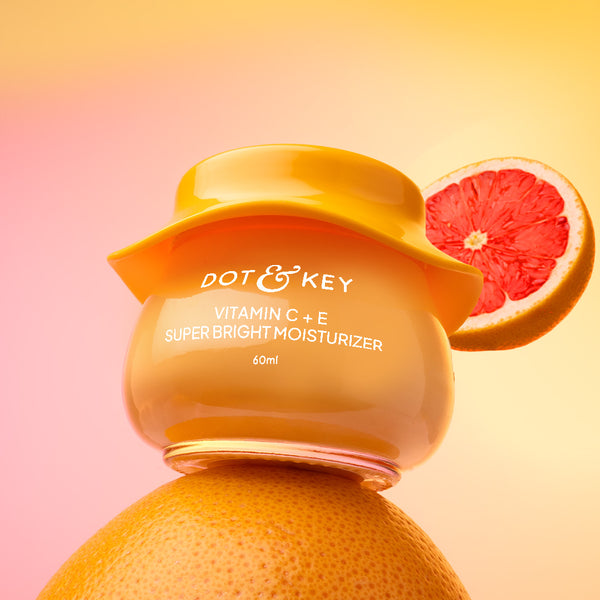
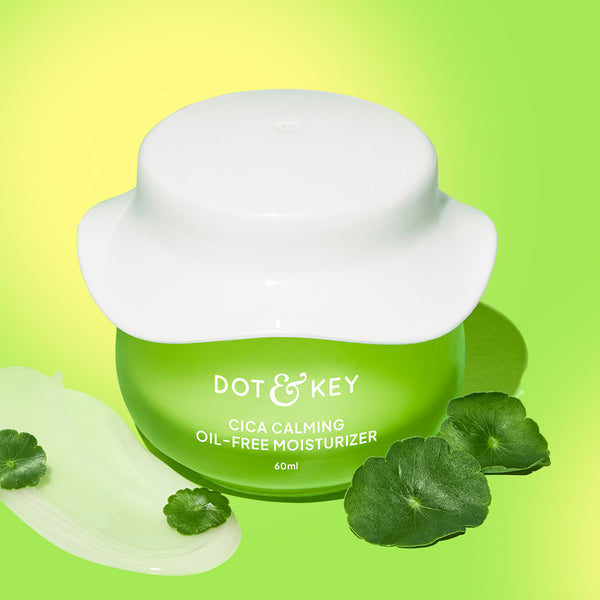
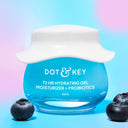
A gel or gel-cream moisturizer gives you exactly the right amount of water-binding moisture. Zero heaviness. No sticky residue. Your skin breathes.
Look for ingredients like aloe vera, cucumber, cica (centella), hyaluronic acid, and squalane. Avoid thick butters and occlusives such as petroleum jelly during the day. They can trap heat and sweat, causing more breakouts.
Step 5: Never Skip Sunscreen (Go Matte or Gel)
Cloudy skies do not block UV rays. Up to 80% of UV radiation can pass through clouds. Rain or shine, your skin needs protection.
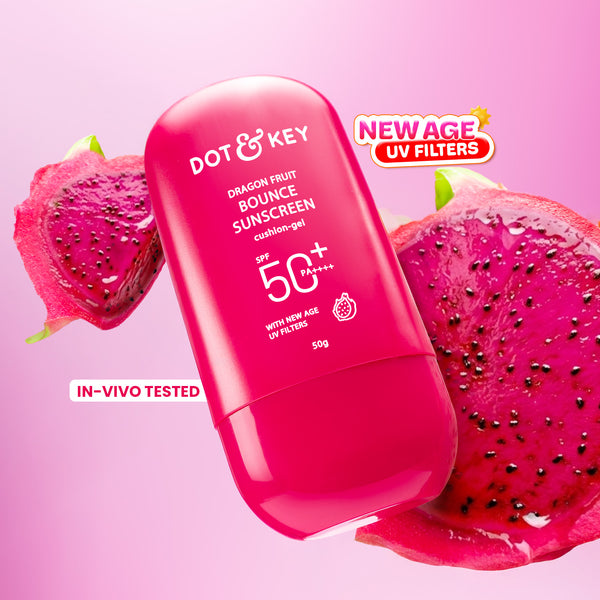
Choose a lightweight, matte-finish, or gel-based sunscreen with new age UV filters. It should feel invisible on your skin. Reapply if you are outdoors for long, but a single thorough morning layer works for most indoor days.
A heavy, greasy sunscreen will slide off with sweat and humidity. A matte one stays put and keeps shine away.
Step 6: Exfoliate Once a Week, Not More
You might feel tempted to scrub your face daily when it feels oily. Do not do that.
Over-exfoliating in humid weather damages your skin barrier. This leads to more oil, more irritation, and more breakouts. It is a vicious cycle.
Use a gentle chemical exfoliant once a week. Look for low concentrations of salicylic acid, mandelic acid, or lactic acid. These clear out pores without scrubbing your skin raw.
If you prefer physical exfoliation, use a very fine, soft scrub with a light touch. Maximum once a week.
Monsoon Routine for All Skin Types
One routine does not fit all. Customize these steps based on how your skin behaves.
Oily and Acne-Prone Skin
-
Use a foaming cleanser with salicylic acid twice a day.
-
Choose an oil-free, niacinamide-rich toner.
-
Stick to a gel moisturizer labeled non-comedogenic.
-
Add a clay mask once a week to deep-clean pores.
-
Keep a pack of blotting papers handy instead of piling on powder.
Dry and Dehydrated Skin
-
Use a gentle, non-foaming gel cleanser.
-
Layer a hydrating toner with hyaluronic acid.
-
Pick a slightly richer gel-cream moisturizer, not a heavy cream.
-
Apply a thin layer of squalane oil at night if your skin feels tight.
-
Always apply moisturizer on damp skin.
Combination Skin
-
Use a balancing foaming cleanser.
-
Apply toner only on the T-zone if your cheeks feel fine.
-
Use a light gel moisturizer all over, with a tiny extra dab on drier areas.
-
Exfoliate only the oily T-zone once a week.
-
Observe your skin daily and adjust on the go.Small tweaks make a huge difference. Listen to your skin, not the weather report.
Ingredient Heroes and Villains for the Rainy Season
What you put on your skin matters more than the price tag. Here is a simple cheat sheet.
|
Heroes (Look For) |
Villains (Skip or Reduce) |
|
Niacinamide (controls oil) |
Heavy oils like coconut or almond oil |
|
Salicylic acid (cleans pores) |
Thick butters like shea or cocoa butter |
|
Hyaluronic acid (water hydration) |
Petrolatum and mineral oil in leave-on products |
|
Centella asiatica (repairs barrier) |
Harsh physical scrubs |
|
Aloe vera (cools and calms) |
Drying alcohols high on ingredient list |
|
Tea tree (fights bacteria) |
Thick, occlusive balms |
|
Green tea (reduces inflammation) |
Overly fragranced products |
|
Lightweight squalane |
Multiple layers of heavy creams |
Keep this list saved on your phone. Check your product labels before you buy.
The Hidden Danger: Fungal Acne and How to Sidestep It
Fungal acne is not really acne. It is an infection of hair follicles caused by yeast called Malassezia. This yeast loves warm, damp skin. Monsoon creates the perfect breeding ground.
You will recognize it as tiny, itchy bumps that look similar and sit on your forehead, chest, or back. They do not respond to normal acne treatments.
To prevent it:
-
Wash your face immediately after sweating heavily.
-
Use a medicated dandruff shampoo with ketoconazole as a one-minute mask once a week. Leave it on the affected area and rinse.
-
Avoid thick, oil-based products that feed the yeast.
-
Change your pillowcases and towels twice a week.
-
Shower and change into dry clothes right after getting wet in the rain.
Keeping your skin dry and clean is your best defense.
Can I Still Use Hyaluronic Acid When It Is Sticky and Humid?
This is a question many people ask but few answer well. You will see advice saying hyaluronic acid is great. But then your skin feels tacky all day. What gives?
Yes, you can use hyaluronic acid in the monsoon. But apply it correctly.
Hyaluronic acid pulls moisture from the air. In high humidity, there is plenty of moisture to pull. That is good. However, if you use too much or do not layer a light moisturizer on top, the water can just sit on your skin and feel sticky.
Do this:
-
Start with clean, damp skin.
-
Use only two to three drops of hyaluronic acid serum.
-
Pat it in and wait 20 seconds.
-
Apply a thin layer of gel moisturizer immediately to seal it.
If the humidity is extreme and you still feel tacky, try skipping the hyaluronic acid step in the morning. Use it only at night. Your gel moisturizer alone may be enough for daytime hydration.
This small adjustment can rescue your skin from that sticky feeling without losing hydration.
Lifestyle Habits That Support Your Monsoon Skin
Your products do 60% of the work. Your habits do the rest.
-
Drink warm water and herbal tea. It helps digestion and keeps skin clear from within. Avoid ice-cold drinks that can disrupt your gut.
-
Pat your face dry. Never rub with a towel. Use a clean, soft cloth and gently pat.
-
Keep your hair off your face. Wet hair can transfer oil and bacteria to your skin.
-
Wash your face after wearing a helmet or raincoat hood. Sweat buildup around the hairline causes forehead breakouts.
-
Change face towels and pillowcases twice a week. In humid weather, they stay damp longer and breed bacteria.
-
Shower as soon as you get drenched in rain. Rainwater is not pure. It picks up pollutants that can irritate your skin.
Small daily choices add up to a massive difference in how your skin feels.
Sample Morning and Night Routine Cheat Sheet
Use this simple table to structure your day.
|
Time of Day |
Step |
Product Type |
Key Action |
|
Morning |
1. Cleanse |
Gentle foaming face wash |
Remove overnight oil and sweat |
|
Morning |
2. Tone |
Balancing alcohol-free toner |
Refresh and prep skin |
|
Morning |
3. Serum |
Water-based niacinamide or HA serum |
Oil control and hydration |
|
Morning |
4. Moisturize |
Light gel moisturizer |
Lock in water without grease |
|
Morning |
5. Protect |
Matte or gel sunscreen SPF 30+ |
Shield from UV rays |
|
Night |
1. Cleanse |
Same gentle foaming face wash |
Remove sunscreen, grime, and sweat |
|
Night |
2. Tone |
Same toner |
Reset skin's pH |
|
Night |
3. Treat |
Light serum or spot treatment |
Repair and target concerns |
|
Night |
4. Moisturize |
Gel-cream moisturizer or thin layer of squalane |
Support overnight recovery |
Stick to this rhythm. Consistency is your best friend.
Mistakes That Can Ruin Your Monsoon Glow
Even with the best intentions, certain habits work against you.
-
Skipping moisturizer because your skin feels oily. This makes your skin produce even more oil. Always use a light gel.
-
Using the same thick night cream all year. In monsoon, it can suffocate your skin. Switch to something breathable.
-
Scrubbing your face daily to feel clean. You are stripping your barrier and inviting bacteria.
-
Layering too many products. More is not better in sticky weather. A three-step routine often works best.
-
Ignoring your neck and chest. These areas sweat and break out too. Extend your routine downwards.
-
Using expired or old sunscreen. Humidity can degrade product quality. Check dates and store products in a cool, dry place.
Awareness is half the cure. Fix these first before buying anything new.
Your 7-Day Monsoon Skincare Transition Plan
No drastic overnight changes. Ease your skin in.
-
Day 1: Swap your heavy moisturizer for a gel moisturizer. Use only that change.
-
Day 2: Switch your cleanser to a gentle foaming face wash.
-
Day 3: Introduce a lightweight, matte sunscreen.
-
Day 4: Add a balancing, alcohol-free toner if needed.
-
Day 5: Start using a water-based serum with niacinamide.
-
Day 6: Do a gentle exfoliation session once today.
-
Day 7: Evaluate. Note how your skin feels. Reduce or add steps as needed.
Take a photo on Day 1 and Day 7 in natural light. You will see the difference
Summary
-
Monsoon demands a shift from rich, creamy textures to lightweight, gel-based formulas.
-
Cleanse twice a day with a gentle foaming face wash to remove sweat and excess oil.
-
Do not skip moisturizer; choose an oil-free gel to keep skin balanced.
-
Cloudy skies still let through UV rays, so gel-based sunscreen is non-negotiable.
-
Exfoliate only once a week to protect your skin barrier.
-
Fungal acne thrives in humidity; keep skin dry and use antifungal treatments preventively.
-
Adjust hyaluronic acid usage by applying it on damp skin and sealing with a light moisturizer.
-
Simple lifestyle changes like dry towels, clean pillowcases, and immediate post-rain showers make a visible difference.
Frequently Asked Questions
Can I skip moisturizer in monsoon if my skin gets very oily?
No. Skipping moisturizer makes your skin produce extra oil to compensate, leading to more breakouts. Use an oil-free gel moisturizer instead.
Should I exfoliate more often in humid weather to control oil?
Exfoliate only once a week in monsoon. Over-exfoliating damages your skin barrier and causes more oil and irritation.
How do I prevent fungal acne during the rainy season?
Keep your skin clean and dry, use a ketoconazole face wash once a week as a short-contact mask, and avoid heavy oil-based products that feed yeast.
Is it necessary to wear sunscreen on cloudy monsoon days?
Yes. Up to 80 percent of UV rays can pass through clouds, so wear a broad-spectrum, matte or gel sunscreen daily.
What is the best moisturizer texture for combination skin in the monsoon?
A gel-cream works best. It hydrates dry areas without making your T-zone greasy. Apply more on dry patches if needed.
Can I use face oils during the rainy season?
Avoid heavy face oils during the day. If your skin feels dry, use a single drop of lightweight squalane oil at night after your gel moisturizer.
Why does my skin feel sticky after applying hyaluronic acid in the monsoon?
High humidity can make hyaluronic acid pull too much moisture, leaving a tacky feel. Apply it on damp skin and always seal with a light gel moisturizer.