



The Ultimate Guide to Skincare Routine for Men
 04 Jun 2026

For years, skincare was often marketed as something men could ignore. Splash some water on your face, use whatever soap is nearby, and call it a day. But your skin faces a lot more than that. Every day, it deals with sun exposure, pollution, sweat, shaving, stress, and long hours in air-conditioned environments—all of which can affect how it looks and feels.
The good news? Taking care of your skin doesn't have to be complicated. You don't need a shelf full of products or a 10-step routine. A few simple habits and the right products can help keep your skin healthier, clearer, and looking its best.
Men's skin has unique characteristics. It is generally thicker, produces more oil, and is exposed to regular shaving, which can lead to irritation, ingrown hairs, and sensitivity. That is why a skincare routine designed around your skin's needs can make a noticeable difference.
Whether your goal is to prevent breakouts, reduce oiliness, tackle dryness, or simply maintain healthy-looking skin, this guide will walk you through the essentials. No confusing jargon, no unnecessary steps—just practical, dermatologist-backed advice that fits into real life.
Why Every Man Needs a Skincare Routine
If you've ever thought skincare is only about appearance, think again. Your skin is your body's first line of defence against environmental stressors, bacteria, pollution, and harmful UV rays. Taking care of it is as much about skin health as it is about looking good.
Many men still rely on harsh soaps, skip moisturizer, or overlook sunscreen altogether. While this might seem harmless, these habits can contribute to dryness, excess oil production, premature ageing, pigmentation, and even long-term skin damage.
A simple skincare routine helps maintain your skin barrier, keeps hydration levels balanced, minimizes common concerns like acne and razor bumps, and protects against everyday environmental damage. It is one of the easiest self-care habits you can build—and it takes only a few minutes each day.
There is also a confidence boost that comes with healthy skin. When your skin looks clear, fresh, and well cared for, you naturally feel more comfortable and confident in both personal and professional settings.
The best part? You do not need perfect skin to benefit from skincare. You simply need consistency. Small daily actions add up over time, and the results are often far more noticeable than most men expect.
How Male Skin Is Different (And Why It Matters)
Biological differences make male skin behave in its own way. Understanding them helps you pick the right products and skip the wrong ones.
Testosterone drives most of these differences -
-
Thicker dermis: Male skin is about 25% thicker than female skin. This is due to higher collagen density. It means men often show fine lines later, but once collagen loss accelerates with age, changes can appear deeper and more sudden.
-
More oil production: Androgens stimulate larger, more active sebaceous glands. This leads to shinier skin, larger pores, and a higher chance of acne well into adulthood. Oily skin can also trap dirt and dead cells.
-
Facial hair creates unique challenges: Coarse beard hair can cause ingrown hairs, razor burn, and folliculitis. The hair itself acts like a sponge, holding oil and bacteria. Shaving removes the top layer of dead skin, which can be both exfoliation and irritation if not managed carefully.
-
Slower barrier recovery: Some research suggests male skin may have a slightly weaker moisture barrier after shaving or cleansing. It loses water faster if not moisturized quickly.
-
Ageing pattern: Men tend to develop deeper forehead lines and crow’s feet. Loss of volume in the temples and under the eyes can create a tired look. Sun damage accumulates earlier because men historically spend more time outdoors without protection.
Knowing these traits arms you with a clear plan. You will focus on controlling oil without stripping moisture, protecting from the sun, and soothing post-shave irritation. Gender-neutral or female-marketed products can still work, but you need to understand ingredients, not labels.
Identify Your Skin Type Before You Buy Anything
Buying products without knowing your skin type is like buying shoes without knowing your size. It leads to wasted money and frustration. Most men fit into one of these categories. Your skin might change with seasons, stress, or age. Reassess it every few months.
The Five Basic Skin Types
|
Skin Type |
How It Feels |
Key Signs |
Common Concerns |
|
Normal |
Comfortable, balanced |
Few breakouts, small pores, even tone |
Maintaining balance |
|
Oily |
Greasy by midday |
Shiny T-zone, large pores, blackheads |
Acne, clogged pores, shine |
|
Dry |
Tight or flaky |
Rough patches, redness, dullness |
Flaking, fine lines appear earlier |
|
Combination |
Oily T-zone, dry cheeks |
Different zones behave differently |
Managing two textures at once |
|
Sensitive |
Easily irritated |
Redness, stinging, itching |
Reacts to fragrances, alcohols, weather |
How to test at home: Wash your face with a gentle cleanser. Pat dry. Wait 30 minutes without applying any product. Now observe. If it feels tight and looks dull, you lean dry. If you see shine on your nose, forehead, and chin, you are oily or combination. If your skin feels calm and neither tight nor oily, you are normal. If any product stings or leaves you red, sensitivity is likely.
Knowing your type will shape every choice in this guide. Read product labels carefully. Look for terms like “non-comedogenic” (won’t clog pores) if you are oily. Choose “fragrance-free” if sensitive. Skip harsh bar soaps if dry.
The 3-Step Skincare Routine for Men
Forget complex 10-step routines. If you do nothing else, do these three things every morning. This is your baseline. It takes about 3 minutes.
Step 1: Cleanse
Many men wash their face with the same bar soap they use on their body. That soap is often too alkaline and strips natural oils. Your face needs a gentle cleanser matched to your skin type.
-
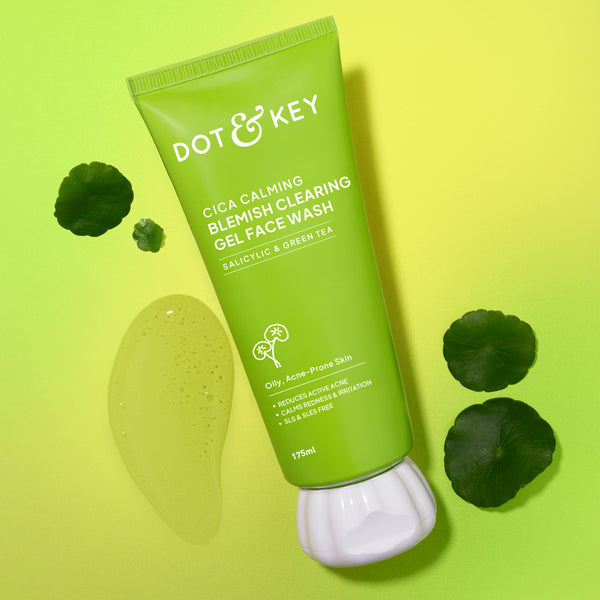
Oily skin: Use a foaming gel cleanser with salicylic acid or tea tree oil. It helps clear pores.
-
Dry skin: Use a cream or milk cleanser that adds moisture. Look for glycerin or ceramides.
-
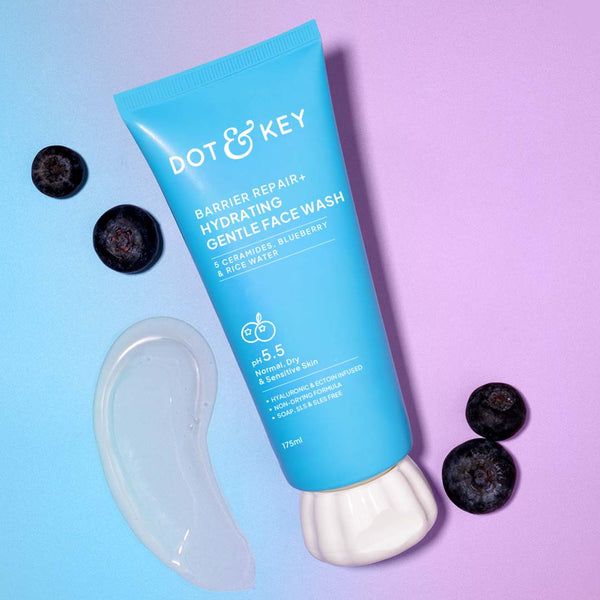
Sensitive skin: Choose a fragrance-free, soap-free cleanser with calming ingredients like cica or aloe vera.
-
Normal skin: A gentle foaming or gel cleanser works.
How to do it: Use lukewarm water. Hot water strips oils and triggers more oil production. Massage the cleanser in circles for at least 30 seconds. Rinse well. Pat dry with a clean towel. Do not scrub hard. Do this twice a day, once in the morning and once at night. If your skin feels squeaky tight after washing, your cleanser is too harsh.
Step 2: Moisturize
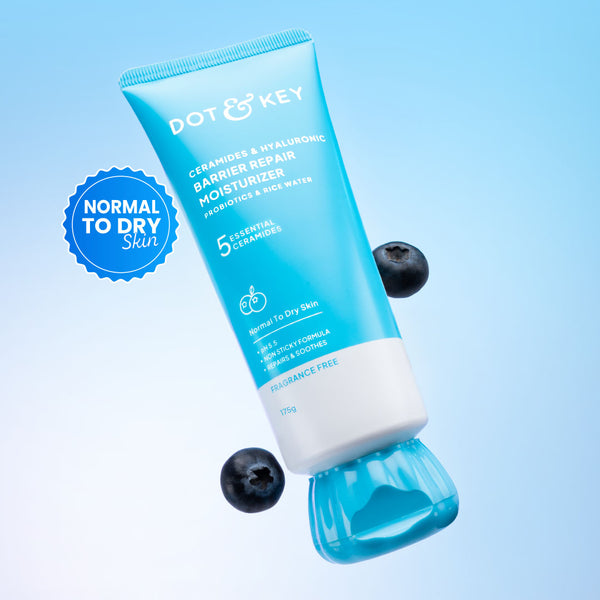
Some men think moisturizer will make oily skin worse. The opposite is true. When you skip moisture, your skin panics and produces more oil to compensate. A good moisturizer hydrates and strengthens the skin barrier. Even oily skin needs this step.
-
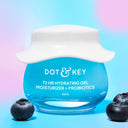
Oily skin: Pick a lightweight, water-based gel moisturizer. Look for hyaluronic acid or niacinamide based moisturizer. Avoid heavy creams.
-
Dry skin: Use a richer cream with shea butter, squalane, or ceramides based moisturizer.
-
Combination skin: A lotion that is not too thick works. Apply more on dry areas.
-
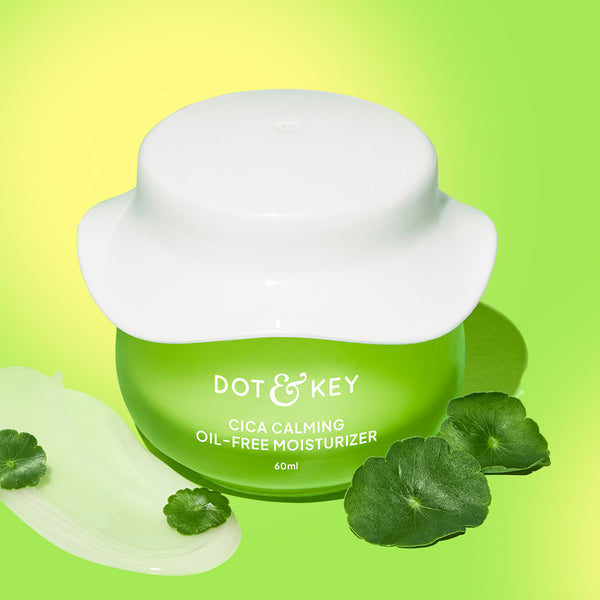
Sensitive skin: Stick to minimal ingredients. Colloidal oatmeal, centella asiatica, and panthenol calm skin.
When to apply: After cleansing, while skin is still slightly damp. This traps water in the skin. Use a pea-sized amount. Warm it between your palms and press it into your face and neck. Do not drag or pull.
Step 3: Protect
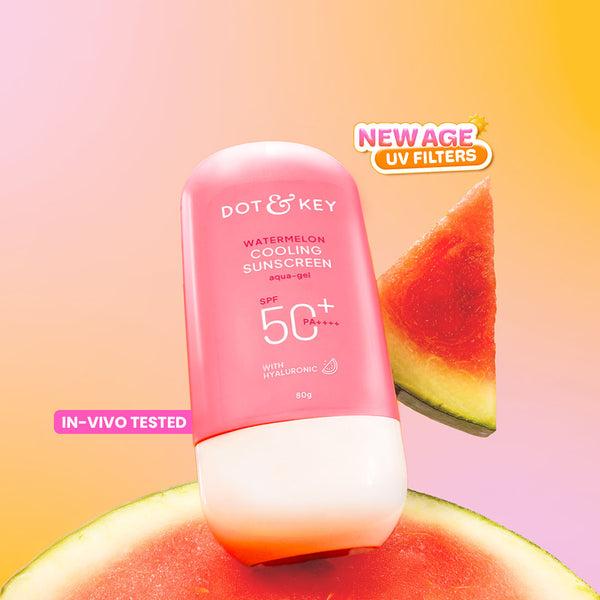
This is the most powerful anti-ageing tool you have. Up to 80% of visible skin ageing is caused by UV rays, according to dermatological consensus. Every day, rain or shine, indoors near windows, you need sunscreen.
What to look for in a sunscreen:
-
Broad-spectrum: Protects against UVA (ageing) and UVB (burning) rays.
-
SPF 30 or higher: SPF 30 blocks about 97% of UVB rays. Higher numbers add small increments.
-
Lightweight texture: Many modern sunscreens feel like a gel or light lotion. You will not feel greasy.
Application trick: Use a dedicated facial sunscreen. Do not rely on SPF in moisturizer alone. Apply a nickel-sized amount to your face and a bit more for your neck and ears. Bald or shaved head? Protect your scalp too.
Sunscreen also prevents dark spots, uneven tone, and the breakdown of collagen. If you only invest in one product, make it a sunscreen you will actually use daily.
Morning Skincare Routine for Men
Combine the three steps into a fast sequence. Here is how it flows.
-
Splash face with lukewarm water. Do not use hot water.
-
Apply a gentle cleanser. Massage for 30 seconds. Rinse and pat dry.
-
On damp skin, apply moisturizer. Use upward motions.
-
Wait a moment, then apply sunscreen. Spread evenly over face, neck, and ears.
-
Done. You can add a lip balm with SPF if your lips get chapped.
That is it. No complicated layering. No sticky residue.
Evening Skincare Routine for Men
Your evening routine is about repair. Skin regenerates while you sleep. The goal is to remove dirt, oil, and pollutants that accumulated during the day.
-
Cleanse: Use the same gentle cleanser. If you wore sunscreen or have oily skin, you might wash twice. First to break down surface layers, second to deep clean. This is optional but helpful for those with stubborn shine.
-
Treat (optional): After cleansing and drying, apply a targeted treatment if you use one. This could be a retinol serum for ageing or an acne spot treatment. More on this later.
-
Moisturize: Apply your nighttime moisturizer. Night creams can be slightly richer because you are not layering sunscreen on top.
-
Eye cream (optional): Dab a tiny amount of eye cream around the eye area. Use your ring finger gently.
Your skin repairs itself most actively between 11 p.m. and 2 a.m. Going to bed with clean skin gives that process the best environment.
The Advanced Skincare Routine for Men
Once you master the basics, you can add steps for specific results. These are not required but help with texture, brightness, and firmness.
Exfoliation: Smooth and Renew
Shaving already exfoliates, but not evenly. A separate exfoliant removes dead skin cells, unclogs pores, and evens tone. Use it 1–3 times a week, not daily.
-
Physical scrubs: Contain small particles. They can be too harsh if you press hard. If you choose one, be gentle and avoid scrubs with crushed walnut shells.
-
Chemical exfoliants: Use acids like salicylic acid (good for oily, acne-prone skin) or glycolic acid (good for dullness and fine lines). These work without scrubbing. Start once a week and see how your skin responds.
Do not exfoliate on the same day you shave if your skin is sensitive. Space them out.
Serums: Concentrated Treatment
Serums are thin, fast-absorbing liquids packed with active ingredients. You apply them after cleansing and before moisturizer.
-
Vitamin C serum: Brightens skin, fades dark spots, and boosts sunscreen protection. Apply in the morning.
-
Retinol (Vitamin A) serum: Speeds up cell turnover. Reduces fine lines, acne, and roughness. Use at night. Start slowly, twice a week, and always wear sunscreen during the day because retinol makes skin sun-sensitive.
-
Niacinamide: Controls oil, calms redness, and strengthens the barrier. Can be used morning or night.
Eye Cream: Do You Need It?
The skin around your eyes is the thinnest on your face. It shows fatigue, dehydration, and ageing first. An eye cream can help with puffiness and dark circles. It is not a miracle, but it adds targeted hydration. Use one with caffeine to temporarily reduce puffiness, or peptides for long-term firming.
Shaving and Skincare: How to Prevent Irritation
Shaving is a form of physical exfoliation. When done wrong, it leads to razor burn, ingrown hairs, and infection. When done right, it removes dead skin and preps the face.
Best practices:
-
Prep with warm water: Shave after a shower when hair is soft. Or hold a warm damp towel to your face for a minute.
-
Use a shaving cream or gel, not just soap: It cushions the blade and reduces friction.
-
Shave with the grain: Go in the direction hair grows to minimize tugging.
-
Do not press hard: Let the blade do the work. Replace blades frequently.
-
Post-shave care: Rinse with cool water to calm skin. Apply an alcohol-free aftershave balm or your gentle moisturizer. Alcohol-based splashes can sting and dry out skin. Witch hazel is a better alternative if you like a toning sensation.
Ingrown hair prevention: Exfoliate once or twice a week between shaves. Use a product with salicylic acid. Moisturize daily to keep hair follicles soft and able to surface properly.
Common Skin Concerns and Solutions for Men
Your routine can be tailored to fight specific problems. Here are practical, ingredient-led solutions.
Acne and Breakouts
Hormonal fluctuations, stress, and pore-clogging products cause acne. A consistent routine helps.
-
Cleanser: Use a salicylic acid cleanser once or twice daily.
-
Treatment: Apply a benzoyl peroxide spot treatment at night on active pimples. It kills acne-causing bacteria.
-
Moisturizer: Lightweight, oil-free. Niacinamide helps regulate oil.
-
Do not pick or pop. This spreads bacteria and causes scars.
Signs of Ageing (Fine Lines, Wrinkles, Sagging)
Prevention and repair are possible. Sunscreen is your best friend. Retinol is your second.
-
Morning: Vitamin C serum under sunscreen. It boosts collagen production.
-
Night: Retinol serum, starting low strength. Follow with moisturizer.
-
Moisturize well: Hydrated skin plumps fine lines.
-
Lifestyle: Avoid smoking. It destroys collagen. Sleep is crucial for skin repair.
Dry, Flaky Skin
Cold weather, indoor heating, and harsh cleansers strip moisture.
-
Switch to a cream cleanser.
-
Use a humidifier in your bedroom.
-
Apply moisturizer immediately after showering.
-
Add a hyaluronic acid serum on damp skin to pull in water.
Oily, Shiny Skin
-
Do not over-wash. Twice a day is enough. Stripping too much oil triggers more production.
-
Use a niacinamide serum to regulate sebum.
-
Blotting papers can remove shine without adding powder.
-
Clay masks once a week absorb excess oil.
Ingredients That Work (And What to Avoid)
Knowing what goes into products helps you shop smart. Here is a cheat sheet.
Ingredients to look for
-
Hyaluronic acid: Hydrates by holding water. Great for all skin types.
-
Niacinamide (Vitamin B3): Reduces oil, redness, and pores.
-
Ceramides: Repair the moisture barrier. Excellent for dry or sensitive skin.
-
Salicylic acid (BHA): Penetrates pores to clear oil and dead cells. Best for acne and blackheads.
-
Glycolic acid (AHA): Exfoliates surface dead skin. Brightens and smooths.
-
Retinol: Anti-ageing powerhouse. Use with care.
-
Vitamin C (L-ascorbic acid): Antioxidant, brightens, fades spots.
-
Peptides: Support collagen. Good for firmness.
Ingredients to approach with caution or avoid:
-
High-concentration alcohol (SD alcohol, denatured alcohol): Dries out skin and damages barrier over time. Fatty alcohols (cetyl, stearyl alcohol) are fine and moisturizing.
-
Artificial fragrances: A leading cause of skin allergies and irritation. “Unscented” or “fragrance-free” is safer for sensitive skin.
-
Harsh sulfates (SLS): Can strip natural oils. Milder cleansers use sodium cocoyl isethionate or decyl glucoside instead.
-
Essential oils like peppermint or citrus: They can irritate skin, especially if left on and exposed to sun.
Stick with simple, well-formulated products. A short ingredient list often indicates less chance of irritation.
Comparison Table: Simple Routine vs. Advanced Routine
You might wonder whether to keep it basic or add more steps. Both routines work. Choose based on your goals, time, and budget. The table helps you decide.
|
Feature |
Simple 3-Step Routine |
Advanced Routine |
|
Steps |
Cleanse, moisturize, sunscreen (AM) |
Cleanse, serum(s), eye cream, moisturizer, sunscreen (AM) + cleanse, treatment, moisturizer (PM) |
|
Time per day |
3–4 minutes |
7–10 minutes |
|
Best for |
Beginners, busy lifestyles, normal skin, low maintenance |
Specific concerns (acne, ageing, dullness), those wanting visible improvements |
|
What you gain |
Healthy baseline, sun protection, basic hydration |
Targeted correction, smoother texture, brighter tone, firmer skin |
|
Risk |
May not address stubborn acne or deep lines |
Over-exfoliation if too many actives are used together |
|
Skill level |
Entry-level |
Requires learning proper order and ingredient interactions |
Start simple. Master consistency. Then add one advanced product at a time. Wait two weeks before adding another to see how your skin responds.
How to Build a Routine That Lasts: A Cheat Sheet for Different Climates
Where you live matters. Humidity, temperature, and altitude change how your skin behaves. Adapt your routine accordingly.
Hot, humid climates:
-
Use a gel cleanser and lightweight water-based moisturizer.
-
Sunscreen must be water-resistant and reapplied if you sweat.
-
Niacinamide helps control oil. Skip heavy creams.
Cold, dry climates:
-
Switch to a cream cleanser and a thicker moisturizer with ceramides.
-
Add a hyaluronic acid serum on damp skin before cream.
-
Use a humidifier indoors. Avoid hot showers.
Dry, sunny climates:
-
Sunscreen is critical every day.
-
Antioxidants like Vitamin C defend against UV-generated free radicals.
-
Moisturize generously at night to repair barrier.
Tuning your routine to your environment makes it more effective without extra products.
Lifestyle Habits That Boost Skin Health for Men
Topical products are only half the story. What you eat, how you sleep, and your stress levels show up on your face.
-
Hydrate properly: Water intake helps skin stay plump. Aim for 8 cups a day. More if you exercise.
-
Eat skin-supporting foods: Healthy fats (avocado, olive oil, nuts) support the skin barrier. Antioxidant-rich fruits and vegetables fight damage. Vitamin C from food helps collagen production.
-
Prioritize sleep: During deep sleep, growth hormone repairs skin. Chronic lack of sleep raises cortisol, which breaks down collagen. 7–9 hours is ideal.
-
Manage stress: High cortisol triggers oil production and breakouts. Exercise, deep breathing, or a walk outside lowers stress.
-
Avoid smoking and limit alcohol: Smoking constricts blood vessels and destroys collagen. Alcohol dehydrates skin and dilates blood vessels, causing redness.
-
Change pillowcases weekly: They collect oil, bacteria, and hair products. A clean surface reduces breakouts.
These habits cost nothing but deliver long-term results that no cream can match alone.
Key Takeaways
-
Start with a simple 3-step routine: cleanse, moisturize, sunscreen. Master it every day.
-
Know your skin type. Choose products matched to oily, dry, combination, or sensitive needs.
-
Sunscreen is the most effective anti-ageing step. Never skip it.
-
Shaving is exfoliation but needs proper prep and care to avoid irritation.
-
Advanced steps like serums and exfoliants target specific concerns but are optional.
-
Ingredients matter more than branding. Look for niacinamide, ceramides, hyaluronic acid, and retinol.
-
Lifestyle habits (sleep, hydration, diet) directly impact skin.
Consistency beats perfection. Doing less every day beats an elaborate routine you quit.
FAQs
Do men need separate skincare products?
Men can use any product formulated for their skin type, regardless of gender marketing. Male-specific products often have lighter textures and less fragrance, but efficacy depends on ingredients, not the label.
What order should I apply skincare products?
Apply from thinnest to thickest consistency. Generally: cleanse, serum, eye cream, moisturizer, sunscreen (morning). At night, stop after moisturizer unless using a retinol before moisturizer.
Can I use the same product for face and body?
Body lotions are often thicker and may clog facial pores. It is better to use a dedicated face moisturizer. However, a gentle face cleanser can work on the body.
How long until I see results?
Hydration and smoothness improve within a week. Oil balance and acne reduction may take 2–4 weeks. Anti-ageing changes from retinol or vitamin C require 8–12 weeks of consistent use.
Is a separate eye cream really necessary?
Not for everyone. A fragrance-free moisturizer can work. But if you have specific concerns like puffiness or deep crow’s feet, an eye cream with peptides or caffeine can help.
I have a beard. How do I apply moisturizer?
Apply moisturizer to your forehead, nose, and eye area as usual. For the bearded area, use a small amount and massage it in downward strokes so it reaches the skin underneath without causing ingrown hairs.
Does diet really affect acne?
Yes. High-glycemic foods and dairy may worsen acne in some individuals. A balanced diet with low sugar helps stabilize hormones. This varies by person.
Do men need a different moisturizer if they have facial hair?
Yes. Beard hair can trap oil, dead skin, and product. A lightweight, non-comedogenic moisturizer prevents ingrown hairs. Avoid heavy balms that sit on the beard. Gels or thin lotions work better. Use downward strokes so the product moves along the hair growth direction. This reduces follicle irritation.