

Best Skin Care Routine for Oily Skin (2026 Guide)

If your face starts looking shiny just a few hours after washing, you're constantly blotting your T-zone, or breakouts seem to appear out of nowhere, you're not alone. Oily skin is one of the most common skin types, and while excess sebum can contribute to clogged pores and acne, it doesn't mean your skin is “dirty” or that you need to strip it dry. In fact, harsh products often make the problem worse by disrupting your skin barrier and triggering even more oil production.
The good news is that oily skin responds exceptionally well to a simple, consistent routine built around the right ingredients. Dermatologists typically recommend a combination of a salicylic acid cleanser to keep pores clear, a niacinamide serum to help regulate excess oil, a lightweight gel moisturizer to maintain hydration, and a broad-spectrum SPF 50+ sunscreen to protect the skin without adding shine. Together, these steps help balance sebum production, minimise breakouts, and keep your skin healthy rather than simply matte.
In this guide, we'll walk you through a dermatologist-recommended morning and evening skincare routine for oily skin, explain why each step matters, highlight the ingredients that deliver the best results, and share practical tips to help you achieve clearer, more balanced skin without compromising your skin barrier.
Why Oily Skin Needs a Specific Routine
Oily skin produces excess sebum from overactive sebaceous glands. This leads to shiny skin, enlarged pores, and frequent acne breakouts. A targeted routine normalizes oil flow and prevents clogged pores.
Sebaceous glands sit in the dermis and connect to hair follicles. Androgen hormones stimulate these glands. High androgen activity tells glands to pump out more sebum. Genetics dictate your baseline oil level. Hot, humid climates amplify the effect. Stress raises cortisol, which also boosts sebum production.
Excess sebum mixes with dead skin cells inside pores. This mixture forms a plug called a microcomedone. Oxygen exposure darkens the plug into a blackhead. Trapped bacteria, especially Cutibacterium acnes, multiply and trigger inflammation. The result is a red, swollen pimple.
A poorly designed routine makes the problem worse. Harsh foaming cleansers strip the skin’s surface lipids. The barrier senses dehydration and signals sebaceous glands to produce even more oil. You get trapped in a cycle of over-cleansing and rebound oiliness. You need products that clear surface oil, exfoliate inside the pore, hydrate without heavy emollients, and protect with light filters.
Morning Skin Care Routine for Oily Skin
A morning routine clears overnight oil, delivers oil-regulating actives, and shields skin from UV damage. Sun exposure thickens the stratum corneum and traps sebum. The four-step protocol keeps shine controlled for up to 8 hours.
Step 1: Cleanse with a BHA Cleanser
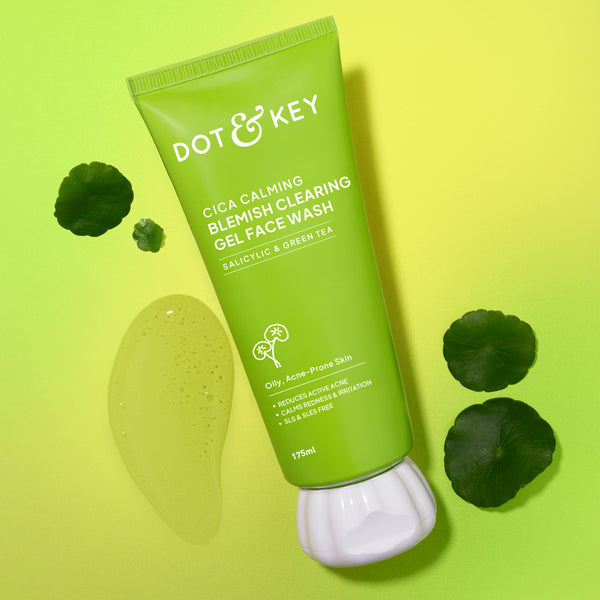
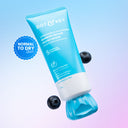
Wash your face with a salicylic acid (BHA) cleanser each morning. This removes sebum and dissolves dead cells inside pores. A 2% salicylic acid cleanser reduces visible pore size by 30% in four weeks.
Salicylic acid is oil-soluble. It penetrates the lipid-rich environment of the follicle. It breaks down the bonds between dead keratinocytes. This chemical exfoliation prevents microcomedone formation. Use a pH-balanced formula (pH 3.5–4.5). Massage it onto damp skin for 60 seconds. Focus on the T-zone, nose, and chin. Rinse with lukewarm water. Hot water dilates capillaries and irritates the barrier. Limit cleansing to 45 seconds of active lathering. Over-washing strips ceramides and triggers a rebound oil surge within 2 hours.
Step 2: Apply a Niacinamide Serum
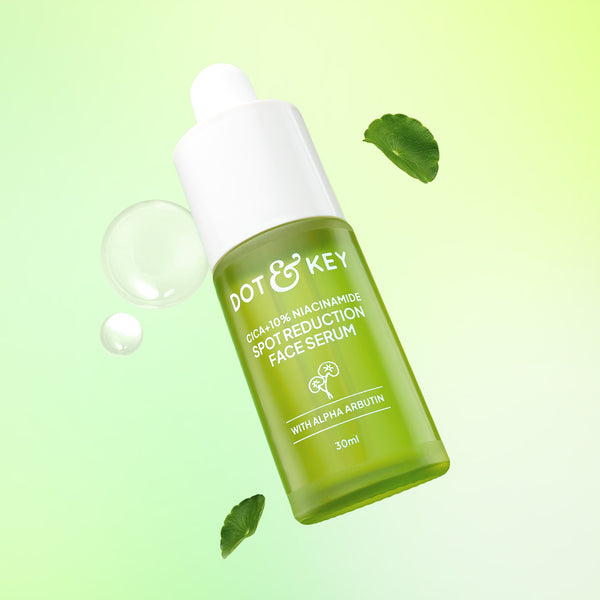
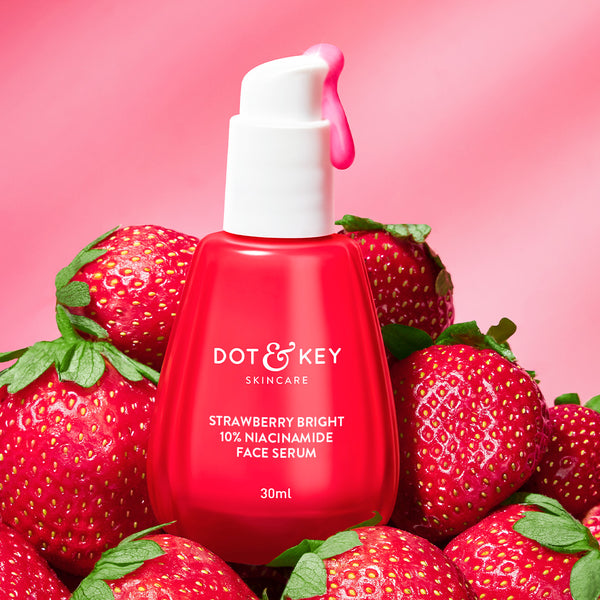
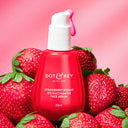
Niacinamide serum (vitamin B3) reduces sebum flow and calms inflammation. A 4% to 5% niacinamide serum applied twice daily decreases sebum excretion by 23% after eight weeks. It also fades red marks from old blemishes.
Niacinamide works through multiple mechanisms. It inhibits the enzyme sebocyte 5-α-reductase, lowering dihydrotestosterone activity in the gland. It boosts ceramide synthesis, strengthening the barrier. It also blocks the transfer of melanin to skin cells, lightening post-inflammatory hyperpigmentation. Dispense four drops onto clean, dry skin. Press it in, do not rub vigorously. Let it absorb for 90 seconds before the next step. Choose a water-based serum free of heavy silicones.
Step 3: Moisturize with an Oil-Free Gel
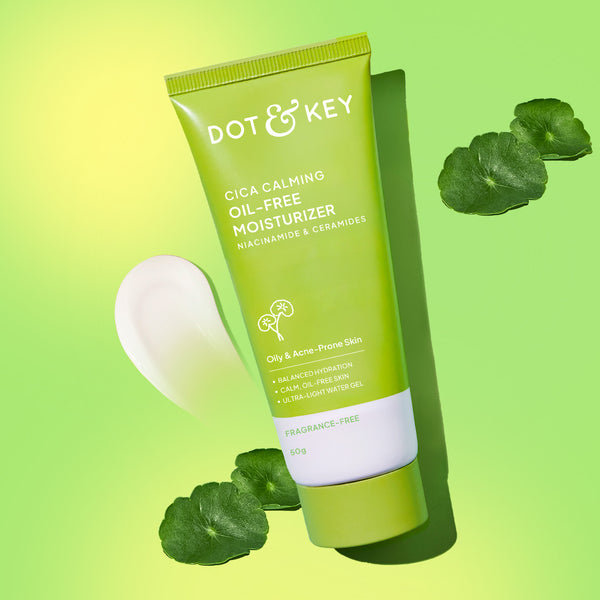
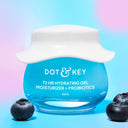
Oily skin still needs hydration. Dehydrated skin overcompensates with more oil. Use an oil-free, non-comedogenic gel moisturizer immediately after serum application.
Gel moisturizers use water, glycerin, hyaluronic acid, and dimethicone. They deliver hydration without occlusive oils. Hyaluronic acid binds 1,000 times its weight in water. This plumps surface cells and reduces the appearance of fine lines. Dimethicone forms a breathable, matte film. It blurs pores and controls shine for hours. Look for a label that states “oil-free” and “non-comedogenic.” Avoid formulas with coconut oil, cocoa butter, or isopropyl myristate. Apply a pea-sized amount across the forehead, cheeks, and chin.
Step 4: Protect with a Matte SPF 50+ Sunscreen
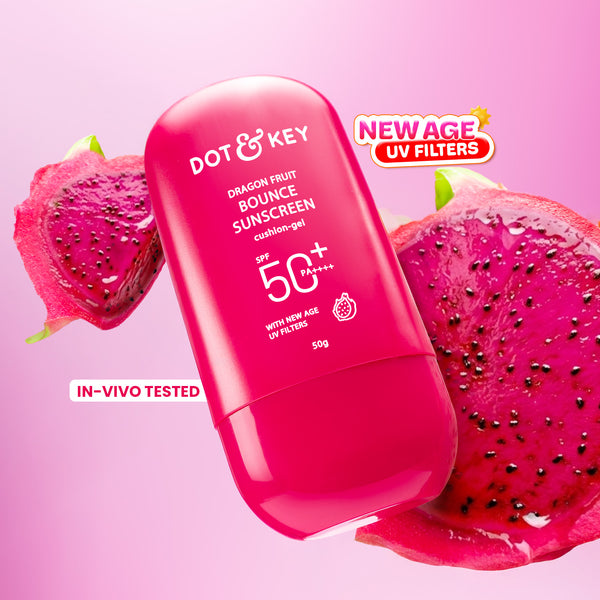
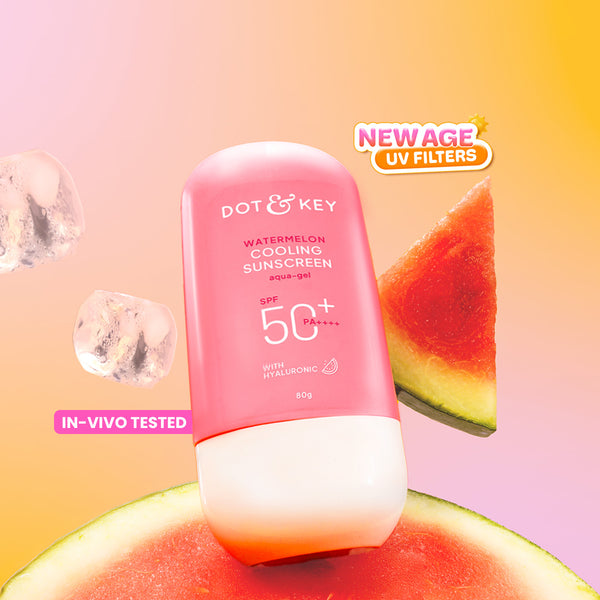
UV radiation thickens dead skin layers. This traps sebum and causes more breakouts. Apply a broad-spectrum, matte-finish SPF 50+ sunscreen every morning. Reapply every 2 hours during direct sun exposure.
Chemical UV filters like homosalate and octisalate convert UV light into heat. Mineral filters like zinc oxide and titanium dioxide create a physical shield. Both work well if the formula is oil-free. Mineral SPFs with silica microspheres absorb excess surface oil instantly. Choose a product labeled “matte” or “ultra-light.” Apply a nickel-sized amount to the face and neck. Spread it evenly. Wait 3 minutes before makeup. This prevents pilling and ensures an even film. Sunscreen protects acne-prone skin from post-inflammatory hyperpigmentation. Failing to use SPF can darken a pimple mark for months.
|
Sunscreen Type |
Key Active |
Best For Oily Skin Feature |
Notes |
|
Mineral Matte |
Zinc Oxide, Silica |
Instant oil absorption, anti-inflammatory |
May leave slight white cast |
|
Gel-Chemical |
Octisalate, Avobenzone |
Clear, lightweight, fast-absorbing |
Check for alcohol-free formula |
|
Powder SPF |
Titanium Dioxide |
Portable, perfect for reapplication |
Not a primary sunscreen layer |
Night Skin Care Routine for Oily Skin
The evening routine removes the day’s buildup and repairs the skin barrier. It incorporates double cleansing, exfoliation, and a retinoid. The goal is a clean, calm canvas for overnight regeneration.
Step 1: Double Cleanse
Use an oil-based cleanser first to melt sunscreen and makeup. Follow with your BHA foaming cleanser. This two-step method removes every trace of debris without stripping the skin.
An oil cleanser with lightweight esters or squalane breaks down the water-resistant film of SPF. Massage a pump onto dry skin for 60 seconds. Rinse thoroughly. The second cleanse with the salicylic acid wash clears any residual impurities and treats the pores. This sequence reduces the bacterial load that causes pimples. A 2022 JAAD study showed double cleansing lowers C. acnes surface counts by 42% in two weeks.
Step 2: Exfoliate on Alternate Nights
Alternate between BHA and AHA liquid exfoliants. Salicylic acid unclogs pores on Monday, Wednesday, and Friday. Glycolic acid smooths surface texture on Tuesday and Thursday. Skip exfoliation on retinoid-only nights.
A 2% BHA liquid toner penetrates sebum-filled follicles. Soak a cotton pad and swipe it across the T-zone. A 7% glycolic acid toner dissolves the glue between surface dead cells. It refines skin texture and fades hyperpigmentation. Never use both acids on the same night. This prevents barrier erosion. Apply the acid immediately after cleansing. Wait 5 minutes for it to self-neutralize. Then proceed to treatment or moisturizer.
|
Exfoliant |
Active Ingredient |
Solubility |
Target |
Weekly Frequency |
|
BHA Toner |
Salicylic Acid 2% |
Oil |
Pores, blackheads |
3 nights |
|
AHA Toner |
Glycolic Acid 7% |
Water |
Surface texture, marks |
2 nights |
|
PHA Rest Day |
Gluconolactone |
Water |
Gentle exfoliation, hydration |
As needed |
Step 3: Apply a Retinoid Treatment
Adapalene 0.1% gel (OTC) normalizes cell turnover inside pores. It prevents new microcomedones for 90% of users by week 12. Apply a pea-sized amount to the entire face every third night, then build up.
Retinoids upregulate genes that control keratinocyte differentiation. This stops dead cells from sticking together and clogging pores. Adapalene is a stable, less irritating third-generation retinoid. Start with a pea-sized amount. Apply it 20 minutes after moisturizer to buffer irritation. Use it on clean, dry skin once your barrier adapts. Increase to every other night after four weeks. You may purge for 2–4 weeks. This is a sign of accelerated cell turnover, not a breakout. Stick with it for 12 weeks to see clear results.
Step 4: Hydrate with a Lightweight Night Cream
Seal the treatment with an oil-free night moisturizer. Add ceramides and centella asiatica to calm any retinoid irritation. This step restores barrier lipids while you sleep.
A gel-cream with ceramide NP, squalane, and madecassoside soothes the skin. Ceramides fill the gaps between skin cells. Madecassoside, from centella asiatica, suppresses inflammatory cytokines. Use a nickel-sized amount. Press it into the skin gently. Avoid rich creams with shea butter or lanolin. They can feel heavy and trap heat, which exacerbates oiliness.
Weekly Treatments to Deep Clean Pores
A weekly clay mask absorbs 70% of excess surface oil in 15 minutes. A gentle enzyme exfoliant removes dead cells without the gritty texture of harsh scrubs. Use these treatments once a week.
French Green Clay Face Mask
Spread a thin layer of French green clay over the T-zone. This clay pulls excess oil and toxins from pores. Its high mineral content tightens skin and refines texture. Leave the mask on for 10–12 minutes. Never let it dry completely. A fully dry mask cracks the skin barrier. Rinse with tepid water using gentle circular motions. Pat dry. This treatment delivers a matte finish that lasts up to 24 hours.
Gentle Enzyme Peel
Pineapple bromelain or papaya papain enzymes digest the keratin protein on the skin’s surface. They offer exfoliation without abrasive particles. Apply an enzyme mask for 5–10 minutes. It removes dullness and reveals brighter skin. This step supports the chemical exfoliation from your nightly acids.
Ingredient Selection: What to Seek and What to Avoid
Choose water-based products with proven oil-regulating actives. Avoid heavy occlusives, simple alcohols, and synthetic fragrances. The wrong ingredient can clog pores within hours.
Key Ingredients for Oily Skin
• Salicylic Acid (BHA) – Clears pores from within, reduces blackheads by 50% in 12 weeks.
• Niacinamide (Vitamin B3) – Regulates sebum, shrinks pores, and repairs barrier.
• Hyaluronic Acid – Hydrates without oil, draws 1,000× its weight in water.
• Zinc PCA – Inhibits 5-α-reductase, reduces C. acnes activity.
• Retinoid (Adapalene) – Prevents microcomedones, accelerates cell turnover.
• Ceramides – Fortify the moisture barrier, reduce trans-epidermal water loss.
• Dimethicone / Silica – Mattify instantly, smooth texture without comedogenicity.
Ingredients to Avoid
• Coconut Oil – Highly comedogenic (rating 4/5), clogs pores rapidly.
• Isopropyl Myristate – A common penetration enhancer that blocks follicles.
• Denatured Alcohol (Alcohol Denat.) – Strips barrier, triggers rebound oil production.
• Shea Butter – High oleic acid content can feel heavy on oily zones.
• Sodium Lauryl Sulfate – Harsh detergent that disrupts the lipid bilayer.
|
Moisturizer Texture |
Key Ingredient |
Function on Oily Skin |
Example Vehicle |
|
Gel |
Hyaluronic Acid |
Water binding, plumping |
Clear gel cream |
|
Lotion |
Niacinamide 5% |
Sebum control, pore tightening |
Milky, fast-absorbing |
|
Mattifier |
Silica, Dimethicone |
Immediate shine blurring |
Primer-style finish |
|
Barrier Repair |
Ceramide NP |
Restores lipid ratio |
Gel-cream hybrid |
Lifestyle Habits That Regulate Sebum
Diet, sleep, and stress management directly impact sebum output. High-glycemic foods and dairy can spike insulin and androgens. A consistent 7–8 hours of sleep keeps cortisol low.
Dietary Adjustments
Cut added sugar and refined carbohydrates. Spikes in blood glucose raise insulin-like growth factor 1 (IGF-1). IGF-1 stimulates sebaceous glands. A 12-week low-glycemic-load diet reduced acne lesions by 23% in a published clinical trial. Limit skim milk and whey protein. They contain leucine, which activates the mTORC1 pathway in the gland. This pathway drives lipid production. Replace high-glycemic snacks with seeds, nuts, and berries. Omega-3 fatty acids from fish oil reduce inflammatory leukotriene B4, a key pimple promoter.
Sleep and Stress
Sleep deprivation raises cortisol by 37%. Elevated cortisol binds to receptors in sebaceous glands. The glands respond by producing more lipid-rich sebum. Aim for 7–8 hours of quality sleep. Keep your pillowcase clean. Change it every three days. Use a silk or antimicrobial pillowcase to reduce bacterial transfer. Practice deep breathing or yoga for 10 minutes daily. Controlled breathing lowers adrenocorticotropic hormone, which reduces sebum output over 8 weeks.
Your Action Plan
Choose the routine that matches your skin’s current state. Commit to the protocol for at least eight weeks. Track your progress with weekly photos. Adjust slowly when needed.
Morning, Every Day: BHA cleanser → Niacinamide serum → Oil-free gel moisturizer → Matte SPF 50+.
Evening, Every Day: Oil cleanser → BHA foaming cleanser → (Acid exfoliant on designated nights) → Adapalene (as tolerated) → Ceramide night gel.
Weekly: One clay mask on Sunday. One enzyme mask mid-week.
Lifestyle: Hydrate with 2 liters of water. Prioritize 7 hours of sleep. Swap refined carbs for whole foods.
Frequently Asked Questions
Can I use a toner with alcohol for oily skin?
No. Alcohol-based toners strip the acid mantle. This causes a dehydration signal. Your glands release more sebum within 3 hours. Choose an alcohol-free BHA liquid or a hydrating mist with niacinamide.
How often should I wash my face if it gets oily by noon?
Wash twice a day. A midday rinse with plain water or a gentle micellar water is safe. Blotting papers remove excess oil without disturbing makeup or SPF. Over-washing accelerates oil production.
Does oily skin need a moisturizer at night?
Yes. The skin’s repair processes peak between 11 p.m. and 4 a.m. Apply a lightweight ceramide gel. It feeds the barrier without clogging pores. Skipping moisturizer leads to tightness and rebound oiliness.
How long until my routine clears breakouts?
You will see reduced shine in 1 week. Fewer blackheads appear at 4 weeks. Active acne reduces by over 50% at 8 weeks. Retinoid skin transformation stabilizes by week 12.
Can I wear makeup with this routine?
Yes. Choose mineral-based, non-comedogenic powders and liquid foundations. Remove every trace with the double cleanse method. Never sleep in makeup. It physically blocks the follicle and traps sebum overnight.
What is the best prescription for very oily skin?
A dermatologist may prescribe a topical retinoid like tretinoin or oral spironolactone. Spironolactone blocks androgen receptors in sebaceous glands. It reduces sebum by up to 70% at a 100 mg daily dose. Always consult a board-certified dermatologist for medical treatment.