





Best Skin Care Routine for All Skin Types (Derm Recommended)
 31 Jul 2026

Skincare doesn't have to be complicated to be effective. With countless products, trending ingredients, and 10-step routines filling social media, it's easy to believe that healthy skin requires an overflowing shelf. Dermatologists, however, consistently recommend a simpler approach. Regardless of whether your skin is oily, dry, combination, sensitive, or normal, the foundation of great skin remains remarkably consistent: cleanse gently, moisturize regularly, and protect your skin from the sun every single day.
These three essential steps help maintain a healthy skin barrier—the skin's natural defence against moisture loss, pollution, and environmental damage. Once this foundation is in place, targeted treatments such as vitamin C for dullness, niacinamide for excess oil and uneven tone, or retinol for signs of ageing can be added based on your individual skin concerns. Starting with the basics first not only reduces the risk of irritation but also helps every active ingredient perform more effectively.
The beauty of this minimalist routine is that it works across all skin types and climates, including the heat, humidity, and pollution that many people experience in India. Rather than chasing every new skincare trend, you'll build a routine that's easy to follow, backed by dermatological principles, and designed to deliver healthier, stronger, and more balanced skin over time.
In this guide, we'll walk you through the ideal morning and evening skincare routine, explain why each step matters, and show you how to customize it safely for your skin type and concerns.
How to Identify Your Skin Type
Wash your face with a mild cleanser, pat dry, and wait 30 minutes without applying any product. Observe how your skin feels: tight and flaky (dry), shiny all over (oily), oily only in the T‑zone (combination), comfortable and balanced (normal), or easily red/itchy (sensitive). This “bare‑faced observation” is the gold standard dermatologists use to personalise your routine.
Practical Advice
• Perform the bare‑faced test on a day you haven’t used active ingredients (like exfoliating acids or retinol) for at least 48 hours.
• Reassess your skin type when seasons change; many people become combination‑oily in summer and normal‑dry in winter.
• Don’t confuse dehydration (lack of water) with dryness (lack of oil). Dehydrated skin can feel oily yet tight – it needs humectants like hyaluronic acid, not heavy oils.
Common Mistakes
• Over‑washing to “remove oil” before the test, which strips the barrier and makes skin feel drier than it is.
• Assuming “sensitive” is a permanent label; often it’s a sign of an impaired barrier that can be repaired.
• Using physical scrubs to “exfoliate” dry patches before testing, which inflames the skin.
Dermatologist's Tip
“Your skin type is a fluid concept. Treat it based on what you observe today, not on a label you gave yourself five years ago.” – Dermatologist‑approved principle. The Indian climate, especially the monsoon humidity and intense summer heat, often causes the skin to behave differently. Humidity increases sebum production, so your winter dry skin might behave like combination skin in July.
Morning Skin Care Routine for All Skin Types
A universal morning routine follows three steps: cleanse with a gentle, pH‑balanced cleanser, apply an antioxidant serum (optional but highly recommended), moisturize, and finish with a broad‑spectrum sunscreen of at least SPF 30 PA+++. This sequence protects the skin barrier, prevents UV damage, and keeps your skin hydrated throughout the day.
Step‑by‑Step Morning Routine
Gentle Cleanser
Use a sulphate‑free, non‑stripping cleanser. Even oily skin does not need harsh foaming cleansers in the morning. This removes overnight sweat and product residue while preserving ceramides and natural moisturizing factors.
Antioxidant Serum (Optional but Ideal)
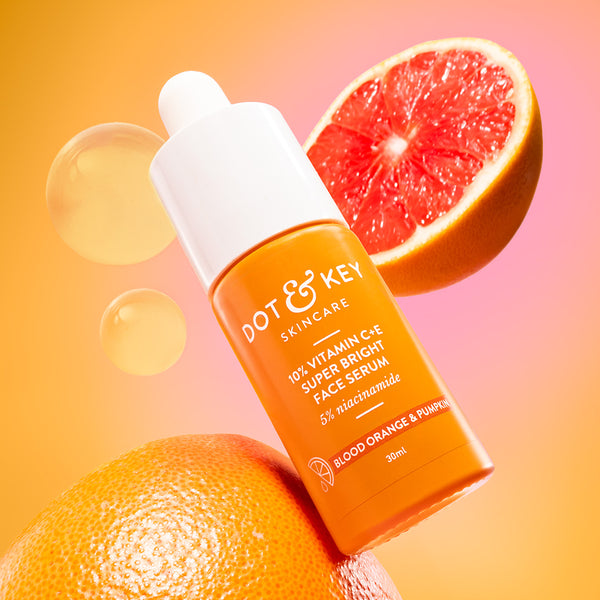
A vitamin C (L‑ascorbic acid) serum neutralises free radicals from UV rays and pollution, brightens skin, and boosts sunscreen efficacy. For sensitive or reactive skin, niacinamide is an excellent antioxidant alternative that soothes and strengthens the barrier.
Moisturizer
Choose a lightweight, non‑comedogenic moisturizer that mimics your skin’s natural lipid barrier. Look for ceramides, panthenol, glycerin, or squalane. Gel‑based formulations work beautifully in humid Indian summers.
Sunscreen – The Non‑Negotiable
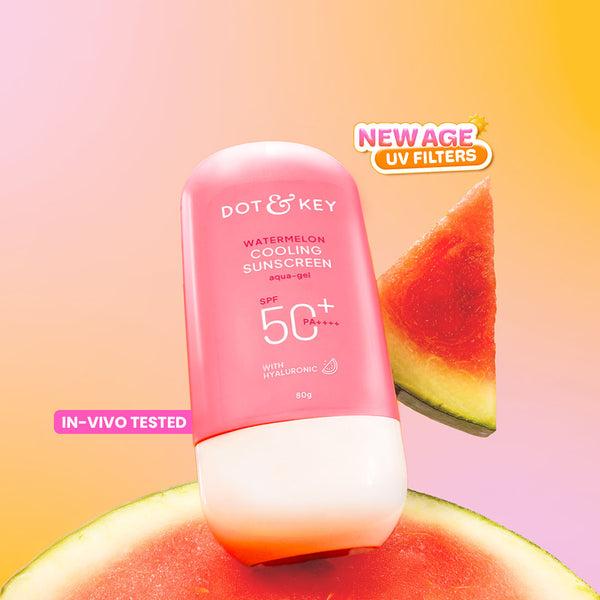
Apply a generous ¼ teaspoon for your face, ensuring you cover the ears, back of the neck, and eyelids with a dedicated SPF lip balm. Reapply every 2‑3 hours if outdoors; use a matte or gel sunscreen for oily skin and a moisturizing cream sunscreen for dry skin.
Product Textures for Each Skin Type
|
Skin Type |
Cleanser Texture |
Moisturizer Texture |
Sunscreen Finish |
|
Oily |
Gel or foam (sulphate‑free) |
Oil‑free gel / watery lotion |
Matte or gel‑based SPF |
|
Dry |
Soft gel or creamy hydrating cleanser |
Rich cream with ceramides |
Lightweight Hydrating SPF |
|
Combination |
Light gel cleanser |
Lotion on cheeks, gel on T‑zone |
Gel sunscreen or hybrid |
|
Normal |
Gentle gel texture |
Lightweight lotion or gel moisturizer |
Water-light fluid |
|
Sensitive |
Non‑foaming, minimal ingredient cleanser |
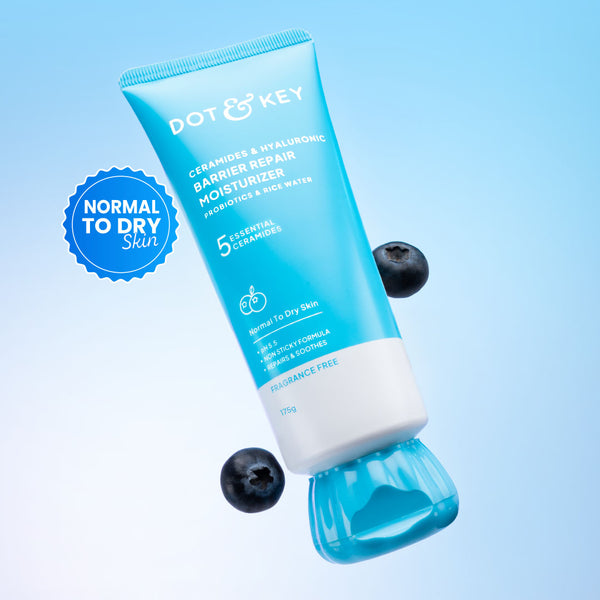
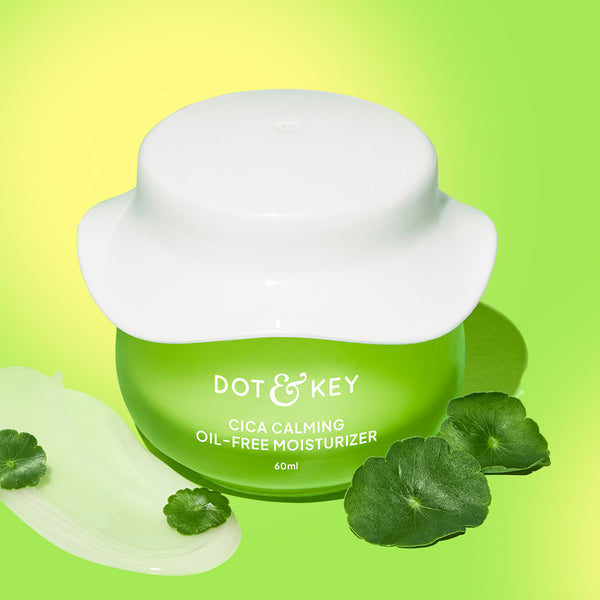
Barrier‑repair cream or cica infused moisturizer |
Mineral (zinc oxide/titanium dioxide) SPF |
Common Mistakes
• Skipping moisturizer because “my skin is oily” – this signals the skin to overproduce sebum to compensate for surface dehydration.
• Using a moisturizer with SPF as sunscreen – you never apply enough moisturizer to reach the stated SPF.
• Applying chemical sunscreen right after a vitamin C serum without waiting – it doesn’t inactivate the antioxidant but can cause slight tingling; simply layer them.
Dermatologist's Tip
Layer your morning routine from thinnest to thickest consistency. This ensures optimal absorption and prevents pilling. In humid climates, a vitamin C serum followed by a gel moisturizer and a matte sunscreen is all you need.
Night Skin Care Routine for All Skin Types
At night, the skin shifts into repair mode. Double cleanse to remove sunscreen and makeup, then apply an active treatment (retinol, exfoliant, or targeted serum), and finish with a nourishing moisturizer. Night‑time is when barrier regeneration and cell turnover peak, so your products work harder while you sleep.
Step‑by‑Step Night Routine
First Cleanse (Oil‑Based Cleanser or Micellar Water)
Dissolves sunscreen, makeup, and excess sebum. Use a non‑comedogenic cleansing oil or balm. Even if you don’t wear makeup, this step removes the tenacious film of water‑resistant sunscreen.
Second Cleanse (Gentle Water‑Based Cleanser) Removes any remaining impurities. This double‑cleansing method prevents clogged pores without stripping the skin.
Treatment Step (Active Ingredients – Use 3‑4 Times a Week, Not Daily)
• For anti‑ageing and acne: a pea‑sized amount of over‑the‑counter retinol (retinaldehyde or granactive retinol) or prescription tretinoin if advised.
• For dullness and uneven tone: an exfoliating acid (salicylic acid for oily/acne‑prone, lactic or mandelic acid for dry/sensitive skin) 1‑2 times a week.
• For brightening and barrier support: niacinamide serum is safe nightly.
Crucial rule: Never mix retinol with strong exfoliants on the same night.
Moisturizer
A richer formula than your day cream helps repair the barrier. Look for peptides, ceramides, cica (centella asiatica), and panthenol. Lock in hydration with a thin layer of squalane or a ceramide‑rich balm if you have very dry skin.
Common Mistakes
• Using active ingredients every night without giving the barrier a break – this leads to sensitivity, redness, and peeling (retinol dermatitis).
• Skipping moisturizer after a treatment because “it will dilute it” – actually, applying moisturizer over an active, reduces irritation without compromising efficacy.
• Applying retinols on damp skin, which increases penetration and irritation. Always apply to completely dry skin.
Dermatologist's Tip
Implement the “skin cycling” method if you’re new to actives: Night 1 – exfoliate, Night 2 – retinol, Night 3 & 4 – only hydration and barrier repair. This optimises results while minimising irritation.
Skin Care Routine for Oily Skin
Control excess sebum, prevent clogged pores, and maintain a matte yet hydrated appearance without stripping the barrier.
Morning Routine for Oily Skin
• Cleanser: Gel cleanser with 2% salicylic acid 2‑3 times a week (only if tolerating); otherwise a gentle foaming cleanser with zinc PCA to regulate sebum.
• Serum: Niacinamide 10% serum regulates oil production, calms inflammation, and refines pores.
• Moisturizer: Oil‑free, non‑comedogenic gel moisturizer containing hyaluronic acid and panthenol.
• Sunscreen: Matte‑finish SPF 50+ PA++++ sunscreen; silicon‑based gels work well to blur pores.
Night Routine for Oily Skin
• Double Cleanse: Salicylic acid‑free oil cleanser, then a gentle water‑based cleanser with zinc.
• Treatment: Niacinamide (nightly safe), and 1‑2 times a week a 2% salicylic acid toner or serum to decongest pores. Over‑the‑counter retinol (retinaldehyde) twice a week addresses oiliness and prevents acne long‑term.
• Moisturizer: Lightweight ceramide gel that won’t clog pores.
Suitable Ingredients
• Salicylic acid (BHA) – oil‑soluble exfoliant that unclogs pores.
• Niacinamide – reduces sebum, strengthens skin barrier.
• Zinc PCA – antimicrobial and oil‑regulating.
• Clay masks (kaolin) – weekly deep clean.
• Hyaluronic acid – hydration without heaviness.
Ingredients to Avoid
• Heavy occlusives like mineral oil, coconut oil, and shea butter in creams – they can trap sebum.
• Drying alcohols (SD alcohol, denatured alcohol) high on the list – they cause rebound oiliness.
• Over‑use of physical scrubs that create micro‑tears and stimulate more oil.
Common Mistakes
• Over‑washing or using astringent toners, which strip the acid mantle and prompt the skin to produce even more oil.
• Skipping moisturizer altogether.
• Using too many active ingredients at once, damaging the barrier and causing dehydration‑related oiliness.
Expert Recommendations
Stick to a minimal routine. Your skin needs hydration, not heavier oils. In humid Indian weather, a niacinamide serum and a gel sunscreen often suffice as your moisturizer. Blotting papers are your friend; use them instead of piling on powder which can clog pores.
Skin Care Routine for Dry Skin
Replenish lipids, restore the skin barrier, and lock in moisture to prevent flakiness and tightness.
Morning Routine for Dry Skin
• Cleanser: Cream‑based, non‑foaming cleanser with glycerin.
• Serum: Hyaluronic acid serum on damp skin, followed immediately by a ceramide‑rich moisturizer to seal it.
• Moisturizer: Rich cream with ceramides, shea butter, squalane, and panthenol.
• Sunscreen: Moisturizing sunscreen lotion with SPF 50, preferably containing glycerin or squalane.
Night Routine for Dry Skin
• First Cleanse: Cleansing balm with oils like jojoba or sunflower.
• Second Cleanse: Cream cleanser.
• Treatment: Alternate nights – lactic acid (5–10%) for gentle exfoliation, then a peptide or ceramide serum. Retinol can be used 1‑2 times a week if tolerated, always buffered with moisturizer.
• Moisturizer: Barrier‑repair cream with cica, ceramides, and panthenol. In very dry climates, add a thin layer of petrolatum‑based ointment or squalane oil as the final step.
Suitable Ingredients
• Ceramides, cholesterol, fatty acids – restore lipid barrier.
• Hyaluronic acid, glycerin, panthenol – humectants.
• Squalane, jojoba oil – non‑comedogenic emollients.
• Lactic acid, PHA – gentle exfoliants.
• Cica (Centella Asiatica), allantoin – soothing.
Ingredients to Avoid
• Foaming cleansers with sulphates (SLS/SLES).
• High‑percentage exfoliating acids or aggressive astringents.
• Fragrance and essential oils, which can sensitise already tight skin.
Common Mistakes
• Exfoliating too often thinking it removes flakes – it worsens the barrier.
• Applying hyaluronic acid on dry skin without sealing it; it pulls moisture from deeper layers if not occluded.
• Using only light, watery products with no occlusive layer to prevent transepidermal water loss.
Dermatologist's Tip
Apply your moisturizer to slightly damp skin. This technique, called “slugging light”, can transform dry skin within a week. In Indian winters, switch to a cream cleanser and layer a ceramide balm at night.
Skin Care Routine for Combination Skin
Balance the oil‑prone T‑zone without drying the cheeks and jawline.
Morning Routine for Combination Skin
• Cleanser: Gentle gel cleanser with mild surfactants.
• Targeted Serum: Niacinamide all over; if cheeks feel dry, pat extra moisturizer there.
• Moisturizer: Use a light lotion on the T‑zone and a slightly richer cream on the cheeks – a “multi‑moisturizing” technique.
• Sunscreen: Gel‑based sunscreen works harmoniously.
Night Routine for Combination Skin
• Double Cleanse: Oil cleanser first, then mild foaming cleanser.
• Treatment: Salicylic acid applied only on the T‑zone 2‑3 times a week; mandelic or lactic acid on cheeks if needed. A retinol can be applied all over but buffered with moisturizer on drier areas.
• Moisturizer: Layering technique – gel on oily areas, ceramide cream on cheeks.
Suitable Ingredients
• Niacinamide – balances sebum without drying.
• Salicylic acid – spot‑treat T‑zone.
• Hyaluronic acid – lightweight hydration.
• Ceramides – support barrier on dry areas.
Ingredients to Avoid
• Heavy, all‑over occlusives that can clog the T‑zone.
• Astringents containing high alcohol.
• Skipping moisturizer on oily parts.
Common Mistakes
• Treating the whole face with the same product density.
• Over‑exfoliating the oily zone, creating sensitivity on the cheeks.
• Using matte, oil‑controlling products all over that flake on dry areas.
Dermatologist's Tip
Embrace “zone‑specific Skin Care”. It may feel extra but takes only seconds. In humid Indian summers, your T‑zone may need nothing more than sunscreen after a niacinamide serum, while your cheeks appreciate a light ceramide gel.
Skin Care Routine for Normal Skin
Maintain balance, prevent premature ageing, and preserve that healthy, even complexion.
Morning Routine for Normal Skin
• Cleanser: Gentle, pH‑balanced gel or milk cleanser.
• Serum: Vitamin C for antioxidant protection.
• Moisturizer: Lightweight lotion with peptides and glycerin.
• Sunscreen: SPF 30 minimum, lotion or fluid texture.
Night Routine for Normal Skin
• Cleanser: Double cleanse if wearing sunscreen; otherwise a single gentle cleanse suffices.
• Treatment: Start retinol twice a week to maintain skin renewal; on other nights, a peptide serum or simply a rest night with moisturizer alone.
• Moisturizer: Nourishing cream with ceramides and panthenol.
Suitable Ingredients
• Vitamin C, ferulic acid, vitamin E – antioxidant complex.
• Peptides – signal repair.
• Retinol – prevent fine lines.
• Hyaluronic acid – maintenance hydration.
Ingredients to Avoid
• Over‑complicating with harsh exfoliants – normal skin can become sensitised quickly.
• Heavy formulations that you don’t need.
Dermatologist's Tip
Normal skin is forgiving, but still needs sunscreen and antioxidants to prevent invisible UV damage. Your main enemy is complacency. A consistent, simple routine will keep you glowing for decades.
Skin Care Routine for Sensitive Skin
Soothe inflammation, repair the barrier, and avoid triggers that cause redness, stinging, or bumps.
Morning Routine for Sensitive Skin
• Cleanser: Non‑foaming cream or milk cleanser with minimal ingredients.
• Soothing Serum: Cica, panthenol, and madecassoside instantly calm.
• Moisturizer: Barrier‑repair cream with ceramides, cholesterol, and oat extract.
• Sunscreen: 100% mineral sunscreen (zinc oxide + titanium dioxide) with a slight tint to avoid white cast. Avoid chemical filters that may sting.
Night Routine for Sensitive Skin
• Cleanse: Micellar water face wash (without fragrance) or non‑comedogenic oil like squalane.
• Treatment: Never use exfoliating acids more than once a week; choose PHA or lactic acid. Niacinamide 5% can be used if tolerated to strengthen barrier.
• Moisturizer: Thick barrier cream, possibly with petrolatum if extremely reactive.
Suitable Ingredients
• Ceramides, cholesterol, fatty acids.
• Panthenol, allantoin, madecassoside, cica.
• Oat beta‑glucan, bisabolol, liquorice root extract.
• Zinc oxide – anti‑inflammatory sunscreen.
Ingredients to Avoid
• Fragrance, essential oils (even natural ones like lavender, tea tree).
• Alcohol denat., SLS, harsh scrubs.
• High‑percentage chemical exfoliants, strong retinols.
• Multiple botanicals in one product.
Common Mistakes
• Introducing too many “calming” products at once – patch‑test everything for 48 hours behind the ear.
• Assuming “natural” means safe; many essential oils are potent sensitisers.
• Over‑washing, which strips an already weak barrier.
Dermatologist's Tip
Keep a “product diary” when you have a flare‑up. Note everything you applied, ate, and the weather. Sensitivity is often linked to barrier disruption, so a 4‑week plan of only cleanser, moisturizer, and mineral SPF can reset your skin completely.
Skin Care Routine for Acne‑Prone Skin
Clear existing breakouts, prevent new ones, reduce post‑inflammatory hyperpigmentation, and keep the barrier intact.
Morning Routine for Acne-Prone Skin
• Cleanser: 2% salicylic acid cleanser 2‑3 times a week; otherwise a gentle foaming cleanser with zinc.
• Treatment: Niacinamide and zinc PCA serum.
• Moisturizer: Oil‑free gel with panthenol and ceramides.
• Sunscreen: Non‑comedogenic, matte gel SPF; sun exposure darkens acne marks.
Night Routine for Acne-Prone Skin
• Double Cleanse: Remove sunscreen with oil cleanser, then gentle water‑based cleanser.
• Active: Alternate nights: 2% salicylic acid serum (BHA) and a retinol (retinaldehyde or adapalene if prescribed). Use retinols even if you don’t have active acne – they prevent microcomedones.
• Moisturizer: Ceramide‑based lightweight lotion.
Suitable Ingredients
• Salicylic acid – penetrates pores and exfoliates inside.
• Benzoyl peroxide (short contact therapy) – kills C. acnes bacteria, use as a 5‑10 minute mask then rinse.
• Retinol – normalise skin cell turnover.
• Niacinamide – reduces inflammation and marks.
• Azelaic acid – unclogs pores and fades hyperpigmentation.
Ingredients to Avoid
• Coconut oil, isopropyl myristate, heavy occlusives – highly comedogenic.
• Physical scrubs – spread bacteria and cause micro‑tears.
• Alcohol‑based toners – irritate and cause rebound oil.
Common Mistakes
• Spot treating only active pimples instead of treating the whole affected area to prevent new ones.
• Over‑drying skin with multiple acne treatments; a damaged barrier can actually worsen acne.
• Picking or squeezing lesions, leading to scars and dark spots.
Dermatologist's Tip
During humid Indian monsoons, switch to a salicylic acid toner on a cotton pad only on the T‑zone and acne‑prone areas, followed by a gel sunscreen. At night, retinol is your best long‑term ally; start with the sandwich method (moisturizer–retinol–moisturizer) to minimise irritation.
Skin Care Routine for Glowing Skin
Achieve a healthy, lit‑from‑within radiance by exfoliating dead cells, boosting cell turnover, and maximising hydration.
Morning Routine for Glowing Skin
• Cleanser: Gentle gel cleanser.
• Serum: 10% Vitamin C serum with ferulic acid enhances glow and protects.
• Moisturizer: Light reflecting lotion with niacinamide.
• Sunscreen: Sunscreen that prevents dullness from UV damage.
Night Routine for Glowing Skin
• Double Cleanse: Thorough removal of pollutants.
• Exfoliation (2‑3 times a week): AHA like glycolic acid (if not sensitive) or lactic acid, which gently resurfaces and brightens.
• On Non‑Exfoliation Nights: Retinol or a peptide + ceramide cocktail.
• Moisturizer: Rich barrier cream; include a drop of squalane for overnight luminosity.
Suitable Ingredients
• Vitamin C – antioxidant glow.
• AHAs (glycolic, lactic, mandelic) – exfoliate dull surface.
• Niacinamide – evens skin tone.
• Peptides, ceramides – barrier support for that translucent glow.
• Liquorice root, kojic acid – target pigmentation.
Ingredients to Avoid
• Harsh physical exfoliants that cause micro‑inflammation.
• Over‑use of acids leading to an inflamed, red “glow” that is actually irritation.
Dermatologist's Tip
Real glow comes from a healthy skin barrier. Think of your skin as a mirror: the smoother the surface, the better it reflects light. Prioritise hydration and gentle exfoliation over chasing instant brightening. In humid weather, a simple routine of vitamin C, light ceramide gel, and sunscreen yields the most natural radiance.
Common Skin Care Mistakes
• Skipping Sunscreen Indoors – UVA rays pass through windows and contribute to premature ageing and pigmentation.
• Using Too Many Actives Together – Combining retinol, strong acids, and vitamin C in one go damages the barrier.
• Not Giving Products Time to Work – Skin cell turnover takes about 28 days. Assess a product’s effect after at least 6 weeks, not a few days.
• Applying Products in the Wrong Order – Thick over thin is the rule; otherwise, effective ingredients may not penetrate.
• Over‑Exfoliating – A stinging, shiny, tight face is not “clean”; it’s a stripped barrier screaming for help.
• Ignoring the Neck and Hands – They show ageing and need the same sunscreen and care.
• Using Hot Water – It strips natural oils; lukewarm is best.
Beginner‑Friendly Skin Care Routine (Start Here)
If you’re completely new to skin care, do not buy a 10‑step routine. Start with four essential products:
Morning: Gentle cleanser → Moisturizer → Sunscreen SPF 50+
Night: Cleanser (double if sunscreen) → Moisturizer
After 4 weeks, if your skin feels comfortable, add a single active step:
• For anti‑ageing/acne: Introduce a retinol 2 nights a week.
• For dullness: Introduce a vitamin C serum in the morning.
This gradual approach builds tolerance and allows you to see what works. Your skin will thank you by looking healthier and more resilient.
Frequently Asked Questions
Which Skin Care routine is best?
A simple, consistent routine tailored to your skin type that includes cleansing, moisturizing, and sunscreen is scientifically the most effective. Complexity is not required; consistency is.
Which Skin Care routine is suitable for my skin type?
Refer to the skin type identification method above, then follow the dedicated morning and night routines for oily, dry, combination, normal, sensitive, or acne‑prone skin as outlined in this guide.
How many Skin Care products should I use?
A basic routine requires 3‑4 products (cleanser, moisturizer, sunscreen, and optionally a treatment serum). Even advanced users rarely need more than 5‑6 steps. Quality and compatibility matter more than quantity.
Can beginners follow this routine?
Absolutely. The routines are built on a minimalist framework that beginners can adopt on day one. Start with the core cleanse‑moisturize‑protect, then slowly incorporate actives.
Which ingredients are suitable for each skin type?
• Oily: niacinamide, salicylic acid, zinc PCA, lightweight hyaluronic acid.
• Dry: ceramides, squalane, shea butter, panthenol, lactic acid.
• Combination: niacinamide, salicylic acid (T‑zone only), ceramides.
• Sensitive: cica, panthenol, ceramides, mineral sunscreen.
• Acne‑prone: salicylic acid, retinol, azelaic acid, niacinamide.
• For glow: vitamin C, AHAs, peptides, niacinamide.
What should I avoid?
Avoid fragrance, drying alcohols, harsh scrubs, and combining potent actives on the same night without knowledge. Also avoid the myth that “more product equals better results”.
Can I use the same routine every day?
Yes, the core routine is daily. Exfoliating actives should be used only 2‑3 times a week. Retinols are typically used at night and frequency is built up. Morning protection never changes.
Which routine works best during Indian summers and humid weather?
Opt for gel‑based textures, niacinamide, and matte sunscreens. Skip heavy creams during the day; a serum and sunscreen may provide enough moisture. Double cleansing at night becomes essential to remove sweat, sebum, and sunscreen.
Which routine is suitable for sensitive skin?
A barrier‑first routine using minimal, fragrance‑free products: cream cleanser, cica/ceramide moisturizer, and 100% mineral sunscreen. Introduce any new product one at a time.
How long does it take to see results?
• Hydration and texture improvement: 1‑2 weeks.
• Acne and clogged pores: 4‑6 weeks with consistent treatment.
• Hyperpigmentation and anti‑ageing: 8‑12 weeks minimum.
Patience and consistency are the real active ingredients.
Conclusion
A great Skin Care routine isn’t about the number of bottles or the price tags. It’s about understanding your skin, choosing the right ingredients, and staying consistent. By following the dermatologist‑approved frameworks in this guide – customised for your specific skin type and the climate you live in – you can build a routine that heals, protects, and reveals your healthiest skin. Start simple, stay informed, and let your skin’s natural intelligence shine.