


Face Toner: How to Use, When to Use, and What It Does to Skin
 05 Sep 2026

Ever found yourself holding a bottle of face toner and wondering if it's really an essential step or just another addition to your skincare shelf? You're not alone. Toners have come a long way from the harsh, alcohol-heavy formulas they were once known for, which can make their purpose a little confusing. So, is a toner meant to control excess oil, add hydration, or simply prep your skin for the next steps? The answer depends on the formula and what your skin needs.
In this guide, we'll break down what a modern face toner actually does, how to use it correctly for your skin type, and where it fits into your routine. Whether your skin needs extra hydration, gentle exfoliation, or a little help with excess oil, understanding what your toner does can help you decide if it deserves a spot in your skincare routine.
What Is Face Toner?
A face toner is a liquid skincare product designed to be applied after cleansing and before applying serums and moisturisers. Its primary modern functions are to provide a first layer of hydration, deliver targeted active ingredients, and help prepare the skin to better absorb the products that follow.
The confusion stems from the product's history. Traditional toners from decades past were essentially astringents, formulated with high concentrations of alcohol to strip away excess oil and create a "squeaky clean" feeling. This approach often disrupted the skin's natural barrier, leading to dryness, irritation, and even rebound oil production.
The Evolution of Toner: From Harsh Astringent to Targeted Treatment
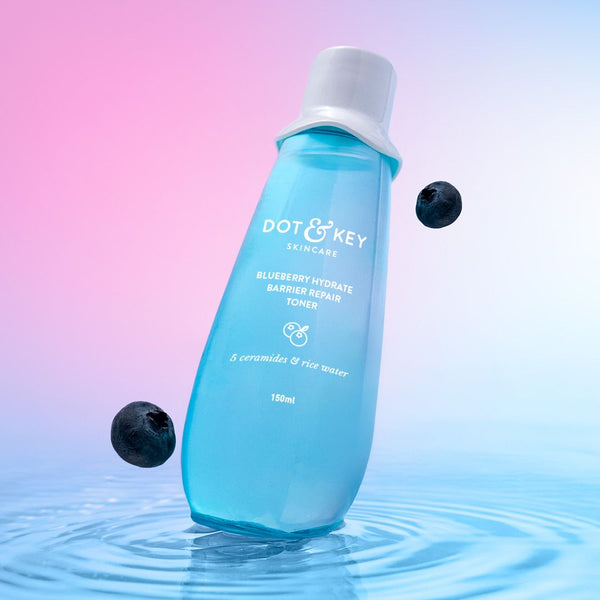
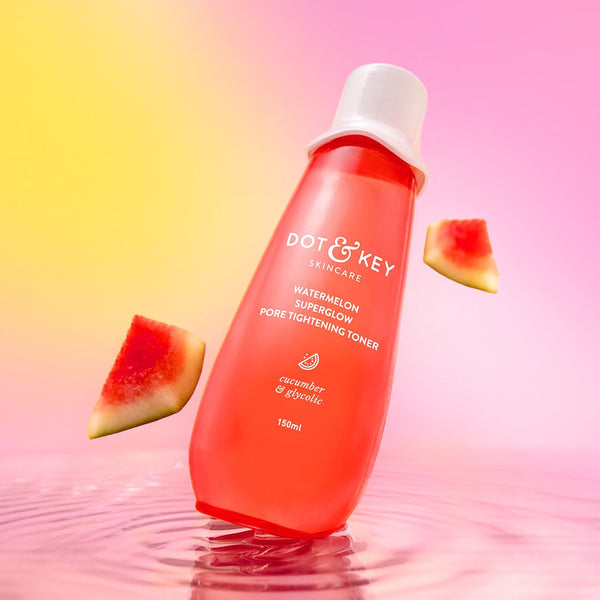
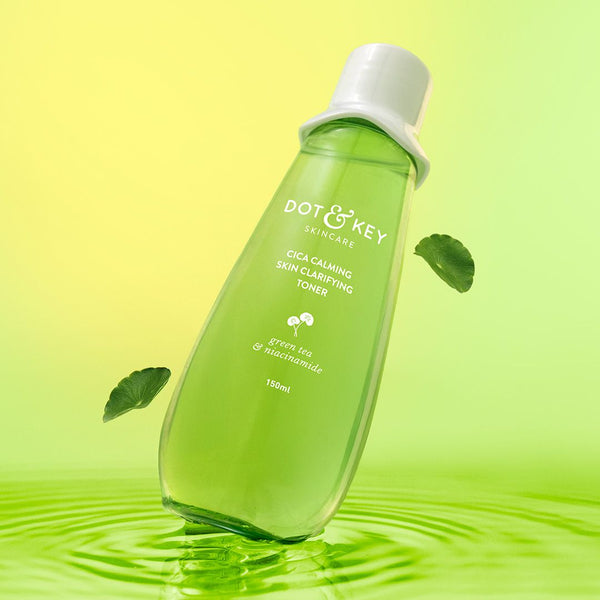
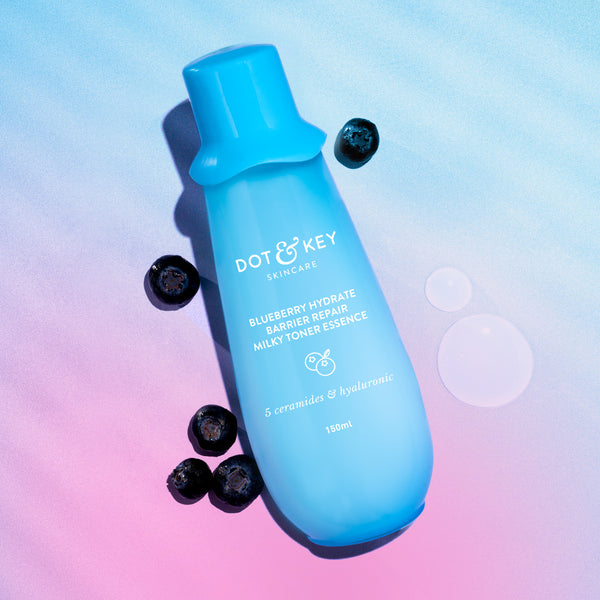
Today's premium toners are vastly different. They have evolved into sophisticated treatment products. Instead of stripping the skin, they are designed to support it. Modern formulations can be broadly categorised into:
● Hydrating Toners: Focused on replenishing moisture with ingredients like glycerin, hyaluronic acid, and rose water.
● Exfoliating Toners: Contain gentle acids (AHAs like glycolic or lactic acid, and BHAs like salicylic acid) to smooth texture, unclog pores, and brighten the skin.
● Soothing Toners: Formulated with ingredients like aloe vera, chamomile, or centella asiatica to calm redness and irritation, ideal for sensitive skin.
● Balancing Toners: Aim to normalise the skin's pH and manage oil production without stripping it, often using ingredients like niacinamide.
Understanding this evolution is the first step to using a toner effectively.
What Does Face Toner Actually Do for Your Skin?
A well-formulated toner can perform several beneficial functions, depending on its ingredients. The key is to choose a toner that aligns with your skin's needs.
1. Rebalancing pH After Cleansing
The skin's natural pH is slightly acidic, typically between 4.5 and 5.5. Many traditional cleansers, especially foaming ones, can be more alkaline, temporarily disrupting this balance. This disruption can weaken the skin's barrier and lead to dryness or sensitivity. A toner, particularly one with a slightly acidic pH, can help restore the skin's natural balance quickly after cleansing.
2. Removing Residual Impurities
After cleansing, trace amounts of makeup, oil, or cleanser residue can remain on the skin. A toner applied with a cotton pad can help sweep away these final traces, ensuring a truly clean canvas for the rest of your routine.
3. Delivering a First Layer of Hydration
This is a primary benefit of modern hydrating toners. By applying a layer of humectants (ingredients that attract water) like glycerin or hyaluronic acid to damp skin, you can instantly boost hydration. This prep step helps plump the skin and can enhance the absorption of subsequent serums and moisturisers.
4. Providing Targeted Treatment
Exfoliating and soothing toners act as a lightweight, fluid delivery system for active ingredients. An exfoliating toner can provide gentle, daily or weekly exfoliation to manage breakouts and dullness without the harshness of a scrub. A soothing toner can deliver calming ingredients to reduce redness.
How to Use Face Toner: A Step-by-Step Guide
Applying toner is simple, but the method can impact its effectiveness.
The Right Way to Apply Toner (Cotton Pad vs. Hands vs. Mist)
Your choice of application method depends on the toner's purpose and your personal preference.
|
Method |
Best For |
How to Do It |
Pros |
Cons |
|
Cotton Pad |
Exfoliating or balancing toners; secondary cleansing |
Soak a cotton pad and gently swipe across your face, avoiding the eye area. |
Provides gentle physical exfoliation; helps remove residual impurities. |
Can waste product; may be too abrasive for sensitive skin. |
|
Hands |
Hydrating or soothing toners |
Pour a few drops into your clean palms and gently press and pat into your skin. |
Minimises product waste; very gentle, no friction. |
Less effective for removing impurities. |
|
Mist |
Hydrating toners; refreshing throughout the day |
Hold the bottle 15–20 cm from your face and mist evenly. |
Quick, convenient, and can be used over makeup. |
Can be less precise; may not deliver enough product for a full treatment. |
The "7 Skin Method" for Deep Hydration
This popular Korean skincare technique involves layering a hydrating toner multiple times (traditionally seven) to flood the skin with moisture. To do this, apply a thin layer of toner, let it absorb, and repeat. This is an excellent method for very dry or dehydrated skin, as it provides intense, immediate hydration without heaviness.
When to Use Face Toner in Your Routine
Toner is always applied after cleansing and before any other leave-on products.
The Correct Order: Cleanser, Toner, Serum, Moisturiser
The general rule for a skincare routine is to apply products from thinnest to thickest consistency. A toner's watery texture places it immediately after cleansing.
● Cleanse: Remove makeup, dirt, and oil.
● Tone: Rebalance, hydrate, and prepare the skin.
● Treat (Serum): Apply targeted, potent active ingredients.
● Moisturise: Seal in hydration and protect the skin barrier.
Morning vs. Evening: Does It Matter?
Yes, the type of toner you use can differ based on the time of day.
● Morning: A hydrating or soothing toner is ideal to refresh the skin and prepare it for the day's environmental stressors and sunscreen.
● Evening: This is the best time for exfoliating toners, as they can work overnight and the skin is more receptive to active ingredients. You can also use a hydrating toner in the evening to replenish moisture lost during the day.
Which Type of Toner Is Right for You?
Use this table as a guide to select a toner based on your skin's primary needs.
|
Skin Type / Concern |
Recommended Toner Type |
Key Ingredients to Look For |
What It Does |
|
Oily / Acne-Prone |
Exfoliating or Balancing |
Salicylic Acid (BHA), Glycolic Acid (AHA), Niacinamide |
Unclogs pores, reduces excess oil, smooths texture, and can help reduce the appearance of blemishes. |
|
Dry / Dehydrated |
Hydrating |
Glycerin, Hyaluronic Acid, Rose Water, Panthenol |
Replenishes moisture, plumps the skin, and soothes tightness or flakiness. |
|
Sensitive / Redness-Prone |
Soothing |
Aloe Vera, Centella Asiatica, Chamomile, Green Tea |
Calms irritation, reduces visible redness, and strengthens the skin barrier. |
|
Combination |
Balancing or Hydrating |
Niacinamide, Glycerin, Witch Hazel (alcohol-free) |
Helps normalise oil production in the T-zone while hydrating drier areas. |
|
Dull / Uneven Tone |
Exfoliating |
Lactic Acid (AHA), Glycolic Acid (AHA), Vitamin C |
Gently dissolves dead skin cells to reveal brighter, more radiant skin. |
Common Face Toner Mistakes to Avoid
● Using an Alcohol-Based Toner: Unless specifically recommended by a dermatologist for a particular condition, high-alcohol toners can be damaging to the skin barrier.
● Over-Exfoliating: Using an exfoliating toner twice a day can lead to irritation and a compromised skin barrier. Start once or twice a week.
● Skipping Moisturiser: A toner is not a substitute for a moisturiser. It provides hydration, but a moisturiser is needed to seal that hydration in.
● Applying to Dry Skin: For hydrating toners, applying them to slightly damp skin after cleansing can help lock in more moisture.
Is Face Toner Really Necessary?
This is the most common question, and the answer is: it depends.
When You Can Skip It
If you have a simple routine with a gentle, pH-balanced cleanser and a good moisturiser, and your skin is healthy and balanced, a toner is not strictly necessary. It is an optional step.
When It's a Valuable Step
A toner becomes a valuable addition when you have specific skin goals.
● If your skin feels tight or dry after cleansing, a hydrating toner can provide immediate relief.
● If you struggle with dullness or uneven texture, an exfoliating toner can be a game-changer.
● If you have oily or acne-prone skin, a balancing or exfoliating toner can help manage breakouts.
● If you want to enhance the penetration of your serums, applying a hydrating toner beforehand can help.
Frequently Asked Questions
Can I make my own face toner at home?
While DIY recipes with ingredients like apple cider vinegar or green tea are popular, they are difficult to preserve and their pH is not always skin-friendly. Professionally formulated toners are tested for stability, efficacy, and safety. It is generally safer and more effective to use a commercially available product.
Does toner remove makeup?
A toner is not a makeup remover. Its role is to remove residual traces of makeup and cleanser after you have already used a dedicated makeup remover or a first cleanse. If you have heavy makeup on, always start with an oil-based cleanser or micellar water.
How long should I wait after applying toner before the next step?
You do not need to wait for a long time. Simply let the toner absorb for about 30 seconds to a minute until your skin feels dry to the touch. Applying your serum to slightly damp skin can actually help with absorption.
Can I use toner around my eyes?
You should generally avoid applying toner to the delicate skin around your eyes, unless the product is specifically formulated to be safe for that area. The skin there is thinner and more sensitive to active ingredients like exfoliating acids or alcohol.