
How to Choose the Right Sunscreen for Oily Skin?
 04 May 2026

If your oily skin gets greasy enough to be used as a frying pan after using sunscreen, then trust me, this guide right here is for you.
All the oily skin girlies know the struggle: skip SPF and you risk sun damage, tanning, and premature ageing. But wear the wrong sunscreen? Suddenly you are dealing with clogged pores and excessively shiny skin.
The truth is, your oily skin does not hate sunscreen. It just hates the wrong kind of sunscreen. Heavy creams, sticky lotions, and filters that irritate are the real villains, not SPF itself.
Dot & Key tackled this exact problem head-on by creating a set of sunscreens that oily skin will actually love: feather-light textures, zero white cast, ingredients that control sebum, and modern filters that stay stable in Indian humidity.
This guide will walk you through exactly how to choose the right sunscreen for oily skin, so you never have to choose between sun safety and looking like an oil refinery again.
Why Oily Skin Rejects the Wrong Sunscreen
Sebum, Sweat, and Sun Protection
Oily skin already produces excess sebum. When you add humidity and heat, the skin's surface becomes a slick, slippery canvas. A sunscreen that is too heavy, too oily, or too occlusive creates three immediate problems:
-
Glide and Slide: The sunscreen never truly sets. It mixes with surface oil and sweat, breaking the protective film and making the product migrate into your eyes and off your face.
-
Pore Blockage: Thick emollients and waxes seal the pores. With sebum trapped underneath, bacteria thrive, and breakouts erupt.
-
Sensory Nightmare: A sticky, tacky finish makes you hyper-aware of your skin all day, tempting you to wipe it off.
What Oily Skin Needs From a Sunscreen
A sunscreen that works for oily skin must do more than protect. It needs to function like a treatment, addressing shine and pore health while delivering high-grade UV protection. At minimum, look for these six traits:
|
Feature |
Why It Matters |
|
Lightweight gel or fluid texture |
Absorbs instantly, leaves no greasy film |
|
Matte or natural finish |
Controls mid-day shine |
|
Non-comedogenic |
Will not clog pores or trigger acne |
|
Oil-free formulation |
Hydrates without adding oil |
|
Sweat and water resistance |
Stays put through humidity and perspiration |
|
Broad spectrum SPF 50+ PA++++ |
Maximum protection against tanning and aging |
Every Dot & Key sunscreen that suits oily skin has been designed to tick every one of these boxes, right down to the last detail.
The Oily Skin Sunscreen Checklist: 5 Non-Negotiables
Before you pick a bottle, run through these five filters. Your sunscreen must pass each one.
1. Texture: Aqua-Gel, or Water-light Fluid Only
Heavy creams are your skin's worst enemy. They trap heat and sebum. Dot & Key's sunscreens for oily skin use water-light gel, aqua-gel, or cushion-gel bases that disappear into the skin within seconds. You should not be able to feel the product sitting on your face after 30 seconds.
2. Finish: Matte, Not Dewy
A dewy finish on oily skin often reads as greasy. Your sunscreen should dry down to a soft matte or natural, skin-like finish that controls visible shine. Dot & Key's mattifying formulas include specific ingredients to absorb excess oil and keep your forehead shine-free for hours.
3. Ingredients: It Must Double as Skincare
The best sunscreen for oily skin is one that actively treats oiliness while protecting. Ingredients like Niacinamide (sebum regulator), Cica (anti-inflammatory), and Hyaluronic Acid (oil-free hydration) are not just nice to have; they are essential. Dot & Key packs these actives into its sunscreens so your skin is better after wearing it.
4. Protection Level: SPF 50+ PA++++ is the Standard
In India's intense UV index, SPF 30 is the bare minimum, but SPF 50+ is the ideal. PA++++ offers the highest grade of UVA protection, critical for oily skin that is often prone to post-acne pigmentation and stubborn tanning.
5. Filter Technology: Photostable and Modern
Old-generation chemical filters can degrade in sunlight and irritate sensitive, acne-prone skin. Dot & Key's sunscreens use an advanced blend of four globally recognized photostable filters: DHHB (Uvinul A Plus), EHT (Uvinul T 150), Tinosorb S, and Tinosorb M. These stay stable even in direct sun, meaning your protection does not collapse after an hour.
Best Sunscreens for Oily Skin
Dot & Key has created a lineup where every sunscreen feels weightless, but a few are specifically engineered to over-deliver for oily and combination skin types. Here are your perfect matches.
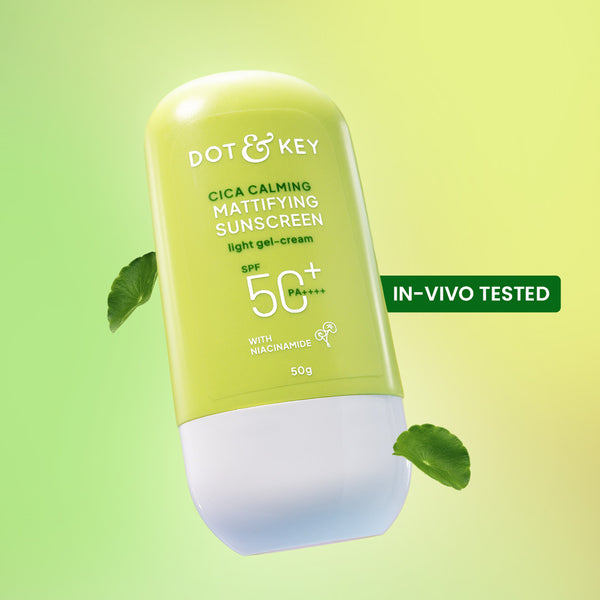
1. Cica Calming Niacinamide Mattifying Gel Sunscreen SPF 50+ PA++++
This is Dot & Key's purpose-built solution for oily, and sensitive skin. If you simply cannot stand the feeling of sunscreen on your face, start here.
Why it works for oily skin:
-
Mattifies instantly and holds for hours, absorbing excess sebum without drying the skin.
-
Niacinamide regulates oil production, refines the look of enlarged pores, and fades the dark marks breakouts leave behind.
-
Cica (Centella Asiatica) calms active redness, inflammation, and irritation that oily, acne-prone skin often experiences.
-
80-minute water and sweat resistance means it stays on during sticky commutes, workouts, or monsoon humidity.
Texture: A lightweight, fast-absorbing gel that dries down to a clean matte finish. Zero white cast.
Use it when: You need all-day oil control, your skin is breaking out or feeling sensitive, and the humidity is at its peak.
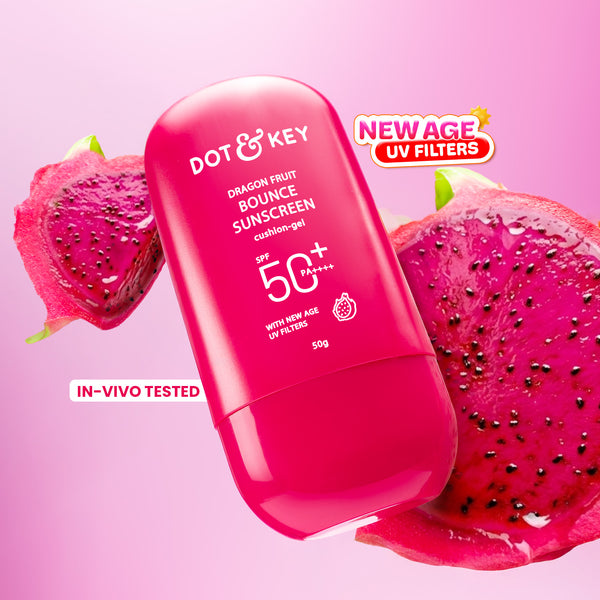
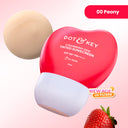
2. Dragon Fruit Bounce Sunscreen SPF 50+ PA++++
If you want the newest sunscreen technology in a format that feels like skincare, not sunblock, this is it. The cushion-gel texture is the lightest in the Dot & Key range, bouncing onto the skin and disappearing instantly.
Why it works for oily skin:
-
Dot & Key's proprietary Bounce-Lock Complex, powered by Ectoin and Niacinamide, maintains hydration while actively strengthening the skin barrier and promoting firmer, more even-toned skin even under UV stress.
-
Niacinamide keeps oil production in check and refines pores over time.
-
It is in-vivo tested for both UVA and UVB protection, a category-first in India, meaning its protection levels are verified on real human skin.
Texture: Breathable, airy cushion-gel that melts in. Leaves a natural, fresh finish with no greasiness.
Use it when: You want next-generation, clinically validated protection that feels like nothing on your skin but controls oil and texture beautifully.
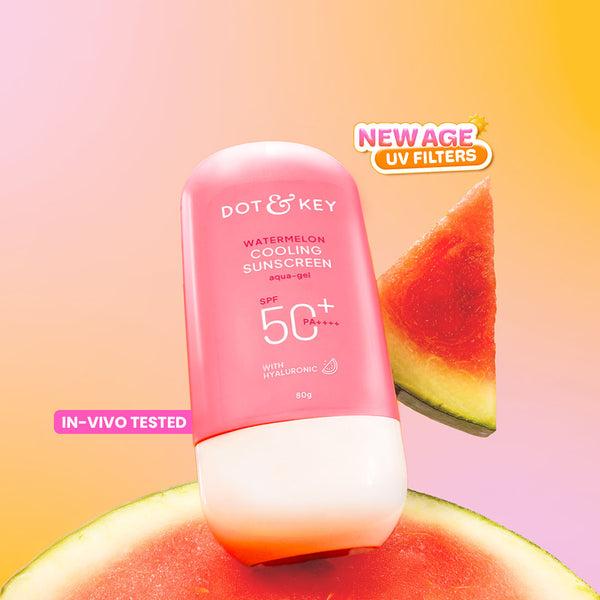
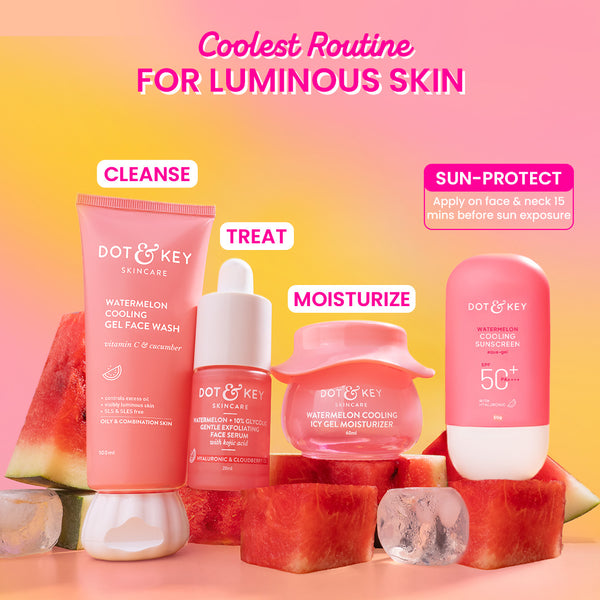
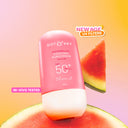
3. Watermelon Cooling Sunscreen SPF 50+ PA++++
This is the humidity hero for anyone with oily or combination skin who wants a burst of instant refreshment alongside robust protection. It has a cult following for a reason.
Why it works for oily skin:
-
Aqua-gel texture delivers water-based hydration that is completely oil-free.
-
Hyaluronic Acid hydrates without stickiness, and Watermelon Extract cools on contact, making it perfect for hot, sweaty days.
-
Beet Root Extract and Vitamin E provide antioxidant defense while the formula stays lightweight and non-greasy.
Texture: A refreshing aqua-gel that sinks in rapidly, leaving a smooth, no-white-cast finish. It is not explicitly matte, but it dries down naturally and is comfortable.
Use it when: You want a cooling, lightweight everyday sunscreen that feels like a drink of water for your skin, especially during summer.
A Quick Comparison: Your Oily Skin Sunscreen Match
|
Sunscreen |
Texture |
Finish |
Key Oil-Control Ingredient |
Water/Sweat Resistant |
Best For |
|
Cica Calming Mattifying |
Lightweight gel |
Matte |
Niacinamide + Cica |
Yes (80 mins) |
Acne-prone, sensitive, heavy shine |
|
Dragon Fruit Bounce |
Cushion-gel |
Natural fresh |
Niacinamide + Ectoin |
Not specifically claimed |
Oily/combo wanting tech-forward care |
|
Watermelon Cooling |
Aqua-gel |
Natural smooth |
Watermelon Extract |
Not specifically claimed |
Daily light wear, cooling refreshment |
All three deliver SPF 50+ PA++++ with modern photostable filters and no white cast. Your choice depends on whether your primary concern is acne and redness, extreme texture lightness, or cooling comfort.
Ingredients That Oily Skin Loves in Sunscreen (And What to Avoid)
The Good: Ingredients That Double as Treatment
|
Ingredient |
How It Helps Oily Skin |
|
Niacinamide |
Regulates sebum, calms inflammation, fades post-acne marks |
|
Cica (Centella Asiatica) |
Reduces redness, heals blemishes, soothes irritation |
|
Hyaluronic Acid |
Provides water-based moisture without oil |
|
Zinc Oxide (in hybrid formulas) |
Calms inflammation, physically blocks UV |
|
Ectoin |
Protects cells from UV stress, supports barrier repair |
|
Watermelon Extract |
Cools, refreshes, antioxidant defense |
The Bad: Ingredients Oily Skin Should Steer Clear Of
-
Heavy oils (Coconut Oil, Almond Oil, Mineral Oil) – can clog pores and feel greasy.
-
Oxybenzone – a chemical filter that can irritate sensitive, acne-prone skin and is not photostable.
-
High amounts of Alcohol Denat. – strips moisture and triggers rebound oil production.
-
Excessive synthetic fragrance – can cause irritation when mixed with sweat.
Dot & Key sunscreens are formulated without these problematic ingredients, instead relying on gentle, modern filters and actives that work with oily skin, not against it.
How to Apply Sunscreen on Oily Skin
Even the best sunscreen will underperform if applied incorrectly on oily skin. Follow these five steps for a flawless, long-lasting finish.
1. Start With a Clean, Toned Base
Wash your face with a gentle foaming cleanser to remove overnight oil buildup. Follow with an alcohol-free, balancing toner. A balanced canvas helps the sunscreen spread evenly and set properly.
2. Let Your Vitamin C or Niacinamide Serum Absorb First
If you use a treatment serum, apply it immediately after toning and let it absorb fully for 60 seconds. Dot & Key sunscreens already contain Niacinamide, so you can even skip a separate serum on rushed mornings and let your sunscreen do double duty.
3. Apply Sunscreen Using the 2-Finger Rule
Squeeze two full strips of sunscreen onto your index and middle fingers. Dot the product across your forehead, cheeks, nose, and chin, then spread gently in outward strokes. Do not rub aggressively; this can irritate oily, acne-prone skin and disrupt the even film.
4. Wait for It to Set
Give your sunscreen at least two to three minutes to form its dry, protective film. You will notice the texture change from slightly wet to a soft matte or natural finish. Only then should you apply makeup or step out.
5. Blot, Do Not Layer More Product
If you notice mid-day shine, resist the urge to pile on more powder immediately. Use a clean blotting paper or a single-ply tissue to gently press away excess oil. Dot & Key's lightweight gel sunscreens make reapplication easy. For a midday refresh, pat a small amount of the Watermelon Cooling Sunscreen or Cica Calming Mattifying Sunscreen over your makeup using a cushion puff.
Common Mistakes People With Oily Skin Make H2 tag
-
Skipping sunscreen entirely because "oily skin does not need more product." This backfires. UV damage weakens the skin barrier and stimulates more oil production over time.
-
Using sunscreen meant for dry skin. A rich, cream-based sunscreen will sit on top of oily skin, clog pores, and cause breakouts within days.
-
Applying too little product. Fear of greasiness leads to half doses. You get only a fraction of the stated SPF. The 2-finger rule is non-negotiable.
-
Not reapplying after blotting or sweating. Even water-resistant formulas need reapplication every 2-3 hours when you are outdoors.
-
Layering too many products underneath. A heavy moisturizer plus primer plus sunscreen is a recipe for pilling and clogged pores. In humidity, a well-formulated sunscreen like Dot & Key's can often replace your daytime moisturizer.
-
Ignoring the PA rating. Oily skin is prone to dark spots. Only a PA++++ rating gives you the highest UVA shield against stubborn pigmentation.
Summary
-
The right sunscreen for oily skin exists. You do not need to avoid sun protection; you need to choose an aqua-gel, or cushion-gel texture that absorbs instantly and leaves a matte or natural finish.
-
Dot & Key's oily skin heroes are the Cica Calming Mattifying Sunscreen, Dragon Fruit Bounce Sunscreen, and Watermelon Hyaluronic Cooling Sunscreen. All are SPF 50+ PA++++ with photostable filters, no white cast, and oil-controlling actives.
-
Niacinamide and Cica are your power ingredients. They regulate sebum, calm inflammation, and fade post-acne marks, making your sunscreen a treatment step.
-
Application technique changes everything. Cleanse, tone, apply two full finger-lengths, and wait for the film to set. Blot excess oil midday and reapply lightly.
-
Avoid heavy creams, oxybenzone, and high alcohol content. These trigger more oil, irritation, and breakouts.
-
Oily skin needs daily SPF 50+ PA++++. This is the only way to protect against UV-induced pigmentation and premature aging while keeping oil and acne in check.
Frequently Asked Questions (FAQ)
1. Is gel sunscreen better for oily skin?
Yes. Gel sunscreens are water-based, lightweight, and absorb quickly without leaving a greasy film. They are the most comfortable and effective format for oily skin in humid climates. Dot & Key's gel sunscreens are specifically designed to deliver this experience.
2. Will Dot & Key sunscreens clog my pores?
No. All Dot & Key sunscreens are non-comedogenic and oil-free. They are formulated with aqua-gel bases that do not block pores, even when you sweat.
3. Does the Watermelon Cooling Sunscreen control oil?
It does not have a dedicated matte finish, but its oil-free, aqua-gel formula hydrates without adding any greasiness. It controls oil indirectly by providing water-based hydration, which can help regulate sebum production over time. For a stronger matte effect, choose the Cica Calming Mattifying Sunscreen.
4. What is the best Dot & Key sunscreen for extremely oily skin with heavy shine?
The Cica Calming Mattifying Sunscreen SPF 50+ PA++++ is your best bet. It is specifically designed to deliver a long-lasting matte finish and control oil for hours, even in peak humidity.
5. Do I need a separate moisturizer under my sunscreen if I have oily skin?
Not necessarily. In hot, humid weather, a well-formulated Dot & Key sunscreen that contains Hyaluronic Acid and Niacinamide can provide enough hydration on its own. If your skin still feels dry after cleansing, apply a thin layer of a gel moisturizer and let it absorb before your sunscreen.
6. How often should I reapply sunscreen if my skin is oily?
Every 2 to 3 hours when outdoors. If you are indoors but near windows, reapplication after 4 to 5 hours is sufficient. Blot away excess oil before reapplying to ensure the fresh layer adheres properly.
7. Will the Dragon Fruit Bounce Sunscreen make my skin look greasy?
No. It has a breathable cushion-gel texture that absorbs instantly and leaves a natural, fresh finish. It is designed to feel invisible and is excellent for oily and combination skin, though the finish is more natural than fully matte.