


Do You Really Need Sunscreen in Monsoon? Yes. Here’s Why
 20 Jun 2026

When the monsoon arrives, sunscreen is often the first skincare step people abandon. After all, the skies are cloudy, the sun rarely feels intense, and most days seem more grey than bright. If you're carrying an umbrella and dodging puddles instead of seeking shade, applying sunscreen can feel unnecessary.
But here's the catch: your skin doesn't measure UV exposure based on how sunny it looks outside. Even on overcast, rainy days, a significant amount of ultraviolet radiation continues to reach your skin. While thick clouds may reduce visible sunlight, they do not completely block the UVA rays responsible for premature ageing, pigmentation, and long-term skin damage.
This is why dermatologists recommend wearing sunscreen every day, regardless of the season. In fact, monsoon weather can create a false sense of security that leads many people to unknowingly accumulate UV damage over weeks and months. Whether you're commuting to work, sitting near a window, driving, or stepping outdoors between showers, your skin is still exposed.
The good news is that monsoon sunscreen doesn't have to feel heavy or uncomfortable. With the right formula and a few simple application habits, you can keep your skin protected without adding extra hassle to your routine.
In this guide, we'll break down exactly why sunscreen remains essential during the rainy season, how UV rays behave on cloudy days, and what to look for in a sunscreen that feels comfortable even in humid monsoon weather.
Why the “No Sun” Monsoon Myth Wrecks Your Skin
Most people believe the single biggest sunscreen lie: if you cannot see the sun, UV rays disappear. That belief feels so logical that millions of adults skip sun protection from June to September. The result? A spike in dullness, patchy pigmentation, and premature lines that surface in October, leaving people baffled.
The problem is not laziness. The problem is a misunderstanding of how ultraviolet light behaves in humid, cloudy weather. UV radiation comes in two forms that matter to skin: UVA and UVB. UVB rays cause sunburn and peak around midday. UVA rays stay constant from sunrise to sunset, pierce through clouds, mist, and even window glass, and they silently break down collagen. On an overcast monsoon afternoon, UVB might drop a little, but UVA barely budges. So, while you feel no heat and see no burn, your skin still absorbs ageing radiation hour after hour.
The World Health Organization explains that cloud cover reduces only some UV radiation; up to 80% of UV rays can pass through broken cloud layers. Thin monsoon drizzle often arrives with patches of clearing, and those alternating clouds and sun periods can actually increase scattered UV exposure because radiation bounces off the sides of clouds, water puddles, and wet roads. In other words, a rainy day is not a UV-free day. It is a silent, cumulative damage day.
5 Reasons Why Sunscreen Is Non-Negotiable During Rainy Season
You do not need a tropical beach to justify daily sunscreen. These five reasons, rooted in basic photobiology and climate reality, will change how you think about monsoon skincare.
1. Clouds Are UV Filters, Not UV Blockers
A thick, dark thundercloud can block some UVB, but the dense moisture does not stop UVA. Light clouds, the kind that hang around for days during monsoon, are practically transparent to UVA radiation. Research cited by the American Academy of Dermatology confirms that even on completely cloudy days, up to 80% of UV rays still reach the ground. You simply cannot trust a grey sky to protect your skin.
2. Humidity Makes Your Skin More Vulnerable
Monsoon humidity hovers between 70% and 90% in tropical climates. This moisture softens the outer layer of your skin, making it more permeable. While your skin feels plump, its barrier function is slightly compromised. Sweat mixes with rainwater and micro-pollutants, creating a thin film on your face that can increase UV sensitivity. Additionally, damp skin refracts light differently, which some dermatology researchers suggest may slightly increase UV absorption depth. Sunscreen acts as a barrier that keeps this humid cocktail from directly contacting vulnerable skin cells.
3. Rain Washes Away Your Protection
Even if you apply sunscreen in the morning, a sudden downpour can partially rinse it off. Walking in the rain, wiping water from your face, or dabbing with a handkerchief removes the protective film. Water-resistant formulas help, but no sunscreen is waterproof. After getting wet, you must reapply. Monsoon is the season of constant wash-and-reapply, not apply-once-and-forget.
4. Indoor Exposure Accumulates Damage
Monsoon often forces people indoors. You work near large windows, sit in a car with rain streaming down the glass, or read by a balcony door. UVA rays pass through untreated window glass. Over weeks of indoor living, those rays add up to pigmentation on the left side of your face (if you sit near a window), or on your hands gripping a steering wheel. The damage is one-sided but real. Sunscreen indoors during monsoon is not extra credit; it is essential.
5. Post-Monsoon Hyperpigmentation Is Hard to Reverse
Dermatologists see an influx of patients in September and October complaining of sudden melasma, dark spots, and uneven tone. The culprit is usually UV exposure that occurred during the overcast months when protection was abandoned. Melanin production triggered by UVA takes weeks to become visible. The spots you see in autumn were programmed in July. Once established, this pigmentation requires months of treatment. A simple daily sunscreen could have prevented it entirely.
|
Myth (What People Believe) |
Reality (What Skin Science Says) |
|
No visible sun means no UV rays. |
Up to 80% of UV rays penetrate clouds, especially UVA. |
|
Rainy days are safe to skip sunscreen. |
Wet skin can be more UV-sensitive, and rain washes away protection. |
|
Darker skin doesn't need sunscreen in monsoon. |
Melanin offers limited natural protection; UVA still triggers hyperpigmentation and collagen loss. |
|
SPF in makeup is enough. |
You would need to apply seven times the normal amount of foundation to reach the SPF on the label. |
|
Indoor days require no sunscreen. |
UVA passes through glass and builds cumulative damage. |
How to Choose the Right Sunscreen for Monsoon Weather
The monsoon sunscreen selection feels tricky because the word “sunscreen” often conjures images of thick, greasy creams that feel suffocating in humidity. Your goal is to find a formula you will actually enjoy applying every single day, even when the air feels like a wet blanket.
The Non-Negotiable Features
-
Broad-spectrum label: This ensures protection against both UVA and UVB. Look for the term on the packaging.
-
SPF 30 or higher: SPF 30 blocks about 97% of UVB rays when applied correctly. Higher numbers offer marginally more protection, but SPF 50 is a safe bet if you spend time outdoors.
-
Water-resistant: This is critical during the monsoon. A water-resistant sunscreen maintains its protective film for 40 or 80 minutes of sweating or light rain exposure. It buys you time before reapplication.
-
Lightweight texture: Gels, water-based lotions, or fluid formulations feel invisible on damp skin. Heavy creams can slide off or clog pores.
-
Non-comedogenic: Humidity increases oil production and sweat. A non-comedogenic product reduces the chance of breakouts.
Ingredients That Pair Well with Monsoon Sunscreen
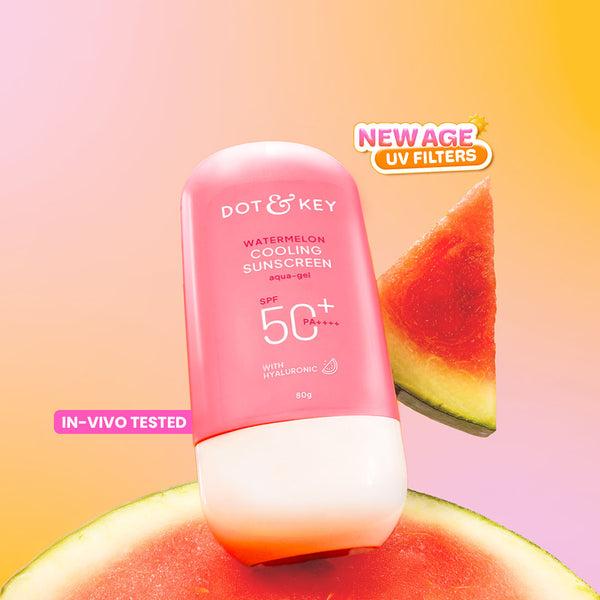
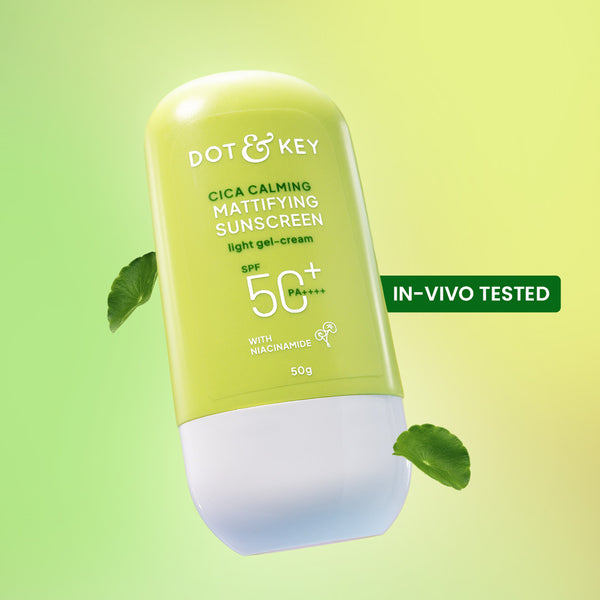
Look for a sunscreen that includes soothing or oil-balancing ingredients like niacinamide, green tea extract, or hyaluronic acid. These add comfort without heaviness. Avoid sunscreens with heavy fragrance or denatured alcohol high on the ingredient list, as they can irritate skin that is already sensitive from humidity and frequent washing.
The Most Common Monsoon Sunscreen Mistakes
Even people who buy the right sunscreen often use it in ways that cancel out its benefits. Monsoon conditions amplify these errors. Correct them once, and you protect your skin for a season.
Mistake 1: Applying too little.
Most adults apply only one-quarter to one-half of the amount needed. For the face and neck, you need about half a teaspoon, or the length of two fingers squeezed into a strip. Use the two-finger rule: squeeze sunscreen along the entire length of your index and middle fingers, and apply that entire amount to your face. Do not skimp.
Mistake 2: Skipping reapplication after getting wet.
Even a water-resistant sunscreen loses effectiveness after you towel off rain or sweat. Keep a small tube in your bag. Gently pat your skin dry, then reapply a light layer. A sunscreen stick or powder works well for mid-day touch-ups without messing up light makeup.
Mistake 3: Treating sunscreen like a morning-only step.
UV exposure does not stop after 10 AM. UVA remains steady until dusk. If you leave work at 5 PM and the sky is still bright, your skin is still accumulating damage. Reapply before your commute home.
Mistake 4: Forgetting the delicate areas.
Ears, back of the neck, tops of feet (if wearing sandals), and the area around the eyes need protection. Monsoon reflections from puddles hit those spots. Use a mineral stick around the eyes to avoid stinging.
Mistake 5: Relying on SPF in makeup.
This deserves a special spotlight because almost no one gets it right. One question current top-ranking pages do not answer clearly enough is: “Can I just use my foundation with SPF during monsoon?” The honest truth: No. The SPF rating on foundation is tested at an application density that no one achieves in real life. To get the SPF 50 printed on your compact powder, you would need to apply seven to ten times the normal amount of product. That would feel like a thick mask. Makeup with SPF is a bonus, not a shield. Always apply a dedicated sunscreen underneath.
A Simple Step-by-Step Application Guide
-
Start with clean, dry skin.
-
Moisturize if your skin feels tight. Let it absorb for two minutes.
-
Squeeze two finger-lengths of sunscreen.
-
Dot it across your forehead, cheeks, nose, and chin.
-
Gently spread outward in one direction. Do not rub vigorously.
-
Wait at least five minutes before applying makeup or stepping into humidity.
-
Before leaving work or heading out again, blot your face with tissue and reapply a light layer.
Monsoon Skincare Routine
The humid air often tricks your skin into feeling greasy, leading many to drop moisturizer completely. However, stripping moisture can cause your skin to overproduce oil. The fix is a lighter routine that layers correctly.
For oily and combination skin in monsoon:
-
Gentle cleanser
-
Lightweight, oil-free moisturizer (optional if sunscreen is moisturizing enough)
-
Sunscreen gel
For dry skin in monsoon:
-
Cream cleanser
-
Hydrating serum with hyaluronic acid
-
Light lotion moisturizer
-
Sunscreen cream or lotion
If your sunscreen already has a hydrating base, you can skip a separate moisturizer. Just ensure your skin feels comfortable, not tight. The priority is a uniform sunscreen layer. Pilling occurs when you layer too many silicone-heavy products. Apply in thin, patting motions.
Does Sunscreen Prevent Vitamin D During Monsoon?
This concern stops many people from using daily sunscreen. The worry is valid but rarely a real problem. Your body needs only 10 to 15 minutes of casual sun exposure on arms and legs a few times a week to produce adequate vitamin D. Even with diligent sunscreen use, small uncovered areas of skin receive enough incidental light. Also, monsoon sunlight, while present, is rarely strong enough to trigger massive vitamin D synthesis through thick clothing. You can maintain vitamin D levels through dietary sources like egg yolks, fatty fish, and fortified foods. The protective benefit of sunscreen far outweighs the tiny hypothetical reduction in vitamin D. Do not trade your skin’s long-term health for an unfounded fear.
Key Takeaways
-
Clouds block visible light, not UVA; up to 80% of UV rays reach your skin on overcast days.
-
UVA is constant all day, all year, and penetrates windows and light clothing.
-
Humidity, rain, and wiping your face remove sunscreen; reapplication is non-negotiable.
-
Choose a broad-spectrum, water-resistant, lightweight SPF 50+ formula.
-
Makeup with SPF is never enough; apply dedicated sunscreen first.
-
Children need mineral sunscreen even during rainy outdoor play.
-
Skipping sunscreen in the monsoon leads to pigmentation that surfaces months later.
-
Daily sunscreen use does not cause vitamin D deficiency in real-life conditions.
-
Your morning routine only needs two fingers of product and five minutes of waiting time.
-
Monsoon skin damage is silent and cumulative, but completely preventable with one consistent habit.
FAQ
Do I really need sunscreen when it is raining heavily and the sky is dark?
Yes. Heavy rain blocks some visible light, but UVA rays still penetrate the cloud cover and reach your skin, causing long-term aging damage.
Is one application in the morning enough if I stay indoors?
One application is not enough if you sit near a window or step out briefly. UVA penetrates glass. Reapply after about 4 hours of continuous indoor daylight exposure.
Can I use the same summer sunscreen in monsoon, or do I need a different one?
You can use the same product if it is water-resistant and lightweight. However, summer creams may feel heavy. Switching to a gel-based or fluid formula prevents that sticky sensation.
How long does water-resistant sunscreen actually last during rain?
Water-resistant sunscreen protects for either 40 or 80 minutes of water exposure, as indicated on the label. After that, or after toweling, you must reapply.
Will sunscreen stop my skin from tanning during monsoon?
Yes. A tan is a visible sign of skin damage. Properly applied broad-spectrum sunscreen prevents UVA from triggering melanin production, keeping your skin tone even.
Can skipping sunscreen in monsoon cause permanent dark spots?
Skipping sunscreen can cause pigmentation that takes months to fade. Some UVA-induced spots become permanent if not treated early.
Is powder sunscreen effective enough for monsoon reapplication?
Powder sunscreen with SPF works well for touch-ups over makeup but should not replace a liquid base layer. Use it as a midday booster.
Does the SPF number mean I can stay outside longer?
SPF indicates UVB protection level, not a license to stay out indefinitely. Always combine sunscreen with shade, hats, and clothing.