



Best Tinted Sunscreen Shades for Indian Skin Tones
 08 Aug 2026

Finding the right sunscreen is important, but finding the right tinted sunscreen shade can completely change how your skin looks and feels throughout the day.
A good tinted sunscreen should do three things:
• Protect your skin from harmful UV rays
• Blend naturally into your skin without leaving a white cast
• Even out your complexion without looking like makeup
Indian skin tones are incredibly diverse. From very fair to deep brown, with warm, neutral, olive, and cool undertones, there is no single “Indian skin colour.” That's why choosing the correct shade matters.
This guide will help you understand Indian skin tones, undertones, and how to choose the best tinted sunscreen shade for your complexion.
Why Shade Matching Matters
Many sunscreens leave behind a grey or white cast because mineral UV filters reflect visible light.
Tinted sunscreens solve this problem by adding skin-friendly pigments that:
• Blend naturally into your complexion
• Reduce white cast
• Help even out redness and pigmentation
• Give a healthy, natural finish
• Work well without foundation for everyday wear
A properly matched shade should almost disappear into your skin after blending.
Understanding Indian Skin Tones
Indian skin generally falls into five broad categories.
Fair Skin
Characteristics:
• Burns easily
• Minimal tanning
• Pink or light golden complexion
Best shades:
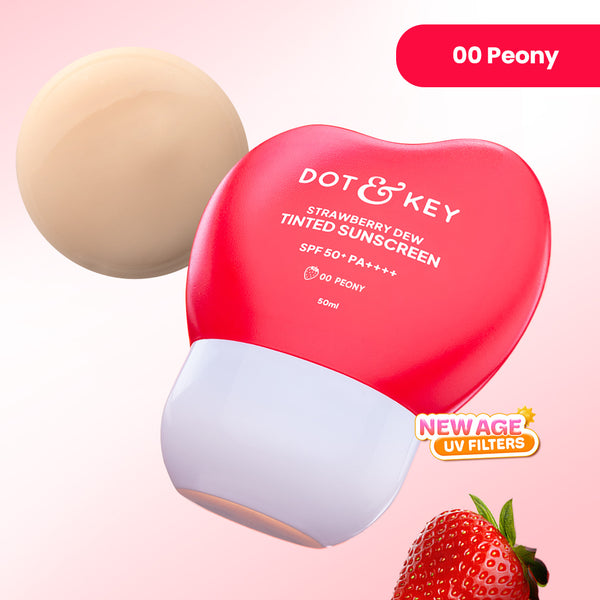
• Peony
• Porcelain
• Ivory or in between very light to light
Light to Medium Skin
One of the most common Indian skin tones.
Characteristics:
• Slight tanning
• Golden appearance
• Natural warm glow
Best shades:
• Sand
• Honey
• Peach
Medium Skin
This is perhaps the most common skin tone across India.
Characteristics:
• Golden
• Wheatish
• Neutral
Best shades:
• Honey
• Almond
• Beige
• Cinnamon
Deep Skin
Characteristics:
• Rich golden brown
• Tans easily
• Usually warm or olive undertones
Best shades:
• Hazelnut
• Caramel
• Mocha / Tan
Very Rich Skin
Characteristics:
• Rich brown complexion
• Beautiful depth
• Rarely burns
Best shades:
• Fudge
• Espresso
Understanding Skin Undertones
Skin tone and undertone are different.
Your skin tone may change slightly with tanning.
Your undertone stays the same.
Understanding your undertone helps you choose the most natural-looking tinted sunscreen.
Warm Undertones
Signs:
• Golden skin
• Yellow hue
• Green-looking veins
• Gold jewellery looks better
Suitable shades:
• Porcelain - Very Light Tone
• Warm Ivory - Light Tone
• Sand - Light-Medium Tone
• Honey - Light Medium Tone
• Beige - Medium Tone
• Caramel - Deep or Rich Tone
• Mocha - Deep or Rich Tone
• Fudge - Very Rich or Very Deep Tone
Cool Undertones
Signs:
• Pink or rosy appearance
• Blue veins
• Silver jewellery suits better
Suitable shades:
• Peony - Very Light Tone
• Almond - Medium Tone
• Espresso - Very Rich or Very Deep Tone
Neutral Undertones
Signs:
• Mix of warm and cool
• Both silver and gold jewellery suit you
Suitable shades:
• Rose - Light Tone
• Peach - Light Tone
• Cinnamon - Medium Tone
• Hazelnut - Rich or Deep Tone
How to Choose the Right Tinted Sunscreen Shade
1. Match Your Neck
Your face may be lighter or darker than your neck because of sun exposure or skincare. Always choose a shade that blends seamlessly with your neck.
2. Don't Choose Based on Your Wrist
The inside of your wrist is often lighter than your face. Instead, test the shade along your jawline.
3. Wait a Few Minutes
Tinted sunscreen may settle slightly after application. Wait about 5-10 minutes before deciding if it matches your skin.
4. Check in Natural Daylight
Indoor lighting can make a shade appear lighter or darker. Always check the finish near a window or outside in natural light.
Common Shade Matching Mistakes
Choosing a Shade That Is Too Light
This often creates:
• Ashy appearance
• White cast
• Unnatural finish
• Visible contrast around the jawline
Choosing a Shade That Is Too Dark
A darker shade may:
• Make skin look muddy
• Hide your natural complexion
• Look patchy after blending
Ignoring Undertones
Even if the depth looks correct, the wrong undertone can make skin appear dull or grey.
Which Tinted Sunscreen Shade Looks Most Natural?
The most natural shade is one that:
• Disappears into your skin
• Doesn't create a visible line near the jaw
• Matches both face and neck
• Looks natural indoors and outdoors
When people cannot tell you're wearing a tinted sunscreen, you've found the right shade.
Does Tinted Sunscreen Replace Foundation?
For many people, yes.
A good tinted sunscreen offers:
• Everyday sun protection
• Light complexion-evening coverage
• Healthy glow
• Natural finish
If you need heavier coverage for special occasions, you can apply foundation over your sunscreen.
Can You Wear Tinted Sunscreen Every Day?
Yes.
Tinted sunscreen is designed for daily use and is suitable for:
• Office
• College
• Outdoor activities
• Work from home
• Travel
• Daily errands
Daily application helps protect your skin from UVA and UVB rays while giving your complexion a more even appearance.
Is One Shade Enough for Everyone?
No.
Indian skin tones vary widely, so one universal shade rarely suits everyone.
That's why brands now offer multiple shades to accommodate different:
• Skin depths
• Undertones
• Complexions
A wider shade range improves the chances of finding a natural-looking match.
Find Your Perfect Match with Dot & Key
Finding your ideal shade is easier when you have more options to choose from.
Explore Dot & Key's range of tinted sunscreens available in 15 carefully developed shades, designed to complement a wide variety of Indian skin tones and undertones. Whether you have fair, wheatish, medium, tan, or deep skin, there's a shade created to blend naturally with your complexion while providing daily sun protection.
Final Thoughts
Choosing the right tinted sunscreen isn't about making your skin look lighter or darker. It's about finding a shade that enhances your natural complexion while providing reliable daily sun protection.
The best tinted sunscreen should blend effortlessly, reduce the appearance of white cast, and leave your skin looking healthy and even. Since Indian skin tones span a wide spectrum, having multiple shade options makes it much easier to find a natural match.
Instead of settling for a one-shade-fits-all product, look for a tinted sunscreen that offers shades designed for different skin depths and undertones.
Frequently Asked Questions
Which tinted sunscreen shade is best for Indian skin?
The best shade is the one that closely matches both your skin tone and undertone. There is no single shade that suits every Indian skin tone.
How do I know my undertone?
Check the veins on your wrist, notice whether gold or silver jewellery suits you better, and observe how your skin behaves in sunlight. These clues can help identify whether your undertone is warm, cool or neutral.
Can tinted sunscreen hide pigmentation?
It can provide light coverage that helps blur uneven skin tone, redness, and mild pigmentation, but it does not replace a full-coverage concealer or foundation.
Is tinted sunscreen suitable for oily skin?
Yes. Many lightweight formulas are suitable for oily and combination skin. Look for non-greasy, lightweight, or matte-finish options.
Does tinted sunscreen leave a white cast?
When you choose the right shade, tinted sunscreen is much less likely to leave a noticeable white cast compared with many traditional sunscreens.
Can men use tinted sunscreen?
Absolutely. Tinted sunscreen is designed to protect the skin, not for a specific gender. A well-matched shade blends naturally without looking like makeup.
Should my tinted sunscreen match my face or neck?
For the most natural appearance, choose a shade that blends with your neck and jawline rather than matching only your face.