






Why Does Your Face Look Dull & How to Remove It (Expert Tips)
 13 Feb 2026

Ever caught your reflection and wondered why your skin suddenly looks tired or flat? Dullness is one of the most common concerns people notice, regardless of age or skin type. Instead of appearing fresh and radiant, the skin can look lacklustre, uneven, or slightly grey, as if it has lost its natural glow.
The encouraging part is that dull skin is usually temporary. In most cases, it develops due to everyday factors such as dead skin build-up, dehydration, stress, pollution, or inconsistent skincare habits. When the skin’s natural renewal process slows down or the surface becomes rough, light does not reflect evenly—making the complexion appear dull.
With the right understanding and consistent care, it is possible to restore brightness and smoothness. This guide draws on dermatological insights into skin physiology, cell turnover, and lifestyle influences to explain what really causes dullness and how to address it effectively.
In the sections ahead, we will explore the key reasons behind dull-looking skin and practical, evidence-based ways to help revive a clearer, healthier-looking complexion. The focus is not on instant fixes, but on simple habits that gradually bring back your skin’s natural radiance.
What Exactly Is Dull Skin?
Dull skin occurs when the surface no longer reflects light evenly and vibrantly. Healthy skin has a smooth, slightly reflective outer layer that allows light to bounce back, creating that sought-after glow. When the outer layer becomes uneven, dry, or overloaded with dead cells, light scatters instead, resulting in a tired, flat look.
Dermatological studies, including mathematical models of skin colour and texture, show that dullness stems from a combination of colour changes (more melanin or yellowness), reduced redness from poor blood flow, and increased surface roughness. It is not usually a single issue but a build-up of several factors over time. Recognising this helps us address it thoughtfully rather than chasing one miracle solution.
Why Does Your Face Look Dull? The Main Causes
Understanding the “why” is the first step to meaningful change. Here are the evidence-based contributors, explained in straightforward terms.
1. Dehydration: When Your Skin Is Thirsty
Skin is approximately 64 percent water. When hydration levels drop – whether from insufficient fluid intake, dry indoor heating, air travel, or harsh cleansers that strip natural oils – the outer layer loses plumpness. Cells flatten, tiny lines become more noticeable, and the complexion appears lifeless.
A 2015 study published in Clinical, Cosmetic and Investigational Dermatology confirmed a direct link between adequate dietary water and improved skin hydration and biomechanics. Dehydrated skin also struggles to maintain its protective barrier, making it more prone to environmental damage that further dulls the appearance.
You might notice this after a long day without enough water or during winter months when humidity plummets. The skin feels tight, looks flaky, and simply lacks vitality.
2. Build-Up of Dead Skin Cells
Your skin naturally renews itself by pushing new cells to the surface while shedding old ones – a process called cell turnover. In youth, this happens roughly every 28 days. With time, stress, or poor habits, turnover slows to 40 days or more. Dead cells pile up, creating a dull, rough layer that scatters light instead of reflecting it.
Research in the Journal of Dermatological Science highlights how regular, gentle removal of this layer enhances brightness by promoting fresher cell turnover. Without it, even well-hydrated skin beneath can look muted.
3. Environmental Aggressors: Sun, Pollution, and More
Daily exposure to ultraviolet rays is responsible for up to 90 percent of visible skin changes, according to studies in JAMA Dermatology. UV light triggers excess melanin production and breaks down collagen, leading to uneven tone and a sallow appearance. Pollution particles cling to skin, causing oxidative stress that accelerates dullness.
Even short periods outdoors without protection add up. Free radicals from these sources damage the skin’s structural proteins and reduce its natural luminosity over time.
4. Lifestyle Factors That Steal Your Glow
-
Sleep deprivation: While you rest, your skin repairs damage and regenerates. Less than seven hours nightly disrupts this process, leaving skin looking sallow. The Journal of Clinical and Experimental Dermatology notes sleep’s critical role in cell renewal.
-
Stress: Elevated cortisol weakens the skin barrier and promotes inflammation, which can dull complexion.
-
Poor circulation: From sedentary habits or smoking, reduced blood flow means less oxygen and nutrients reach skin cells, diminishing natural redness and vitality.
-
Diet: Low intake of antioxidant-rich foods leaves skin vulnerable to damage. Smoking narrows blood vessels, further reducing nutrient delivery and accelerating collagen loss, as detailed in a 2010 review on tobacco and skin ageing.
-
Harsh routines: Over-cleansing or using overly hot water strips protective oils, worsening dehydration and dullness.
5. The Role of Ageing
As we grow older, several natural processes converge. Protein glycation (carbonylation) causes a yellowish tint, melanin distribution becomes uneven, and skin becomes rougher with more visible pores and fine lines. A detailed study on Japanese women aged 30–50 found yellowness dominant in the 30s and melanin and roughness more prominent later. These are normal shifts, but supportive habits can minimise their impact on radiance.
Importantly, dullness is not inevitable at any age. Many factors are modifiable, and addressing them early yields the best results.
Expert Guide to Remove Dullness and Restore Radiance
The path to brighter skin combines daily consistency with gentle, science-supported practices. Focus on one or two changes at a time to build sustainable habits.
1. Hydrate Inside and Out
Start with the basics: aim for about two to three litres of water daily, adjusting for activity and climate. Herbal teas and water-rich foods such as cucumber, watermelon, and citrus count too.
Topically, use a gentle cleanser followed by a moisturiser suited to your skin type morning and evening. Look for formulations that support the skin barrier – though we avoid naming ingredients here, the principle is to lock in moisture and prevent further loss. Apply while skin is slightly damp for better absorption. Consistent hydration plumps the skin, improves light reflection, and can show visible softening within days to weeks.
2. Introduce Gentle Exfoliation
Exfoliation removes the dull outer layer without irritation. Dermatologists recommend two to three times per week for most skin types.
-
How to do it safely: Choose methods that suit your sensitivity. Gentle circular motions with a soft cloth or chemical approaches that dissolve bonds between dead cells work well. Always follow with moisturiser.
-
Why it works: By accelerating cell turnover, fresh cells reach the surface, revealing smoother, brighter skin. Studies confirm this boosts luminosity and evenness.
Never exfoliate daily or aggressively – that can damage the barrier and worsen dullness. Listen to your skin: if it feels sensitive, reduce frequency.
3. Protect Against Sun Damage Every Single Day
Broad-spectrum sunscreen with SPF 30 or higher is non-negotiable, even on cloudy days or indoors near windows. Apply a generous amount (roughly a teaspoon for the face) as the final step in your morning routine and reapply every two hours outdoors.
This single habit prevents further photoageing, pigmentation, and loss of firmness that contribute to dullness. Pair it with protective clothing and shade-seeking between 10 a.m. and 4 p.m. for comprehensive defence.
4. Nourish Your Skin Through Diet
What you eat directly influences skin health. Focus on a balanced plate rich in:
-
Colourful fruits and vegetables for antioxidants that combat free radicals.
-
Sources of healthy fats such as avocados, nuts, and oily fish to support the skin barrier.
-
Whole grains and lean proteins for steady energy and repair.
Limit refined sugars and processed foods, which may accelerate ageing processes. Research supports that diets high in vitamins from whole foods help maintain collagen and reduce oxidative stress. One simple swap: add berries or leafy greens to meals daily.
5. Prioritise Sleep and Movement
Aim for seven to nine hours of quality sleep nightly. Create a wind-down routine: dim lights, avoid screens, and perhaps use a silk pillowcase to reduce friction.
Incorporate movement – a brisk 30-minute walk improves circulation, delivering oxygen and nutrients to skin cells. Facial massage during cleansing or moisturising can offer a gentle boost too. These habits enhance the skin’s natural repair mechanisms.
6. Build a Consistent, Gentle Daily Routine
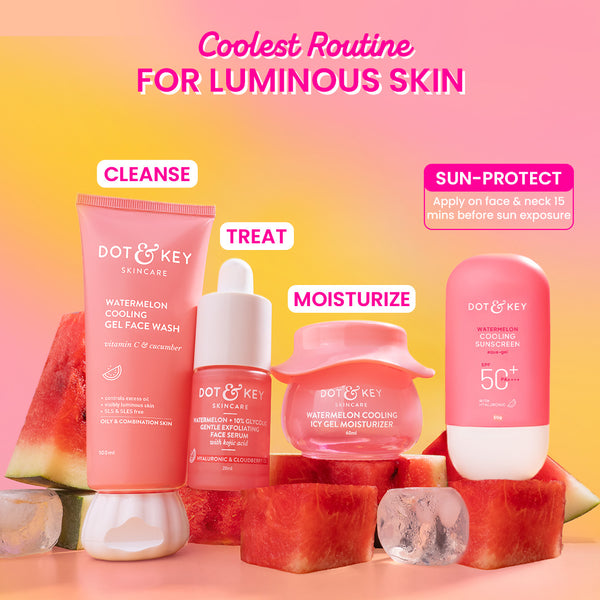
Morning: Cleanse, moisturise, protect with sunscreen.
Evening: Cleanse (double if wearing makeup or sunscreen), moisturise.
Keep it simple. Over-complicating often leads to irritation. Treat your skin kindly – warm (not hot) water, patting dry, and avoiding scrubbing.
When to Consider Professional Support
If dullness persists despite consistent home care, or if accompanied by other changes, consult a board-certified dermatologist. Options such as controlled chemical peels or microdermabrasion can provide deeper renewal under expert guidance, but they are adjuncts to, not replacements for, daily habits.
Common Mistakes That Keep Skin Dull
-
Using harsh scrubs or hot water daily.
-
Skipping sunscreen on “non-beach” days.
-
Relying on one product to fix everything.
-
Expecting instant results – skin renewal takes time.
-
Ignoring internal factors like sleep and diet.
By avoiding these, you create the ideal environment for natural radiance to emerge.
Prevention: Keeping Your Glow Long-Term
Prevention is easier than correction. Once your skin improves, maintain the same habits: daily hydration and protection, weekly gentle exfoliation, balanced nutrition, and restorative rest. Seasonal adjustments help – richer moisturisers in winter, lighter textures in humidity.
Remember, skin reflects overall well-being. A holistic approach yields the most satisfying, lasting results.
Conclusion
Dull skin is a signal, not a sentence. It often arises from everyday factors like dehydration, cell buildup, environmental stress, and lifestyle choices – all of which you can influence positively. By understanding the science and applying gentle, consistent care, you can gradually reveal the healthier, more luminous complexion beneath.
Be patient with yourself and your skin. Improvements may appear in two to four weeks with hydration and sun protection, while deeper changes from exfoliation and lifestyle shifts build over one to three months. Celebrate small wins: a softer texture, a bit more even tone, that subtle glow returning.
Your skin is resilient and responsive when treated with care and respect. You deserve to feel confident in your reflection.
Key Takeaways
-
Dullness results from multiple factors, primarily dehydration, dead-cell buildup, UV and pollution damage, and lifestyle influences.
-
Hydration (internal and topical) and daily sun protection form the foundation of any effective routine.
-
Gentle exfoliation two to three times weekly promotes cell turnover and brightness without irritation.
-
Diet, sleep, movement, and stress management support skin from within.
-
Consistency beats intensity – small daily habits compound into visible radiance.
-
Consult a dermatologist for persistent concerns or personalised advice.
-
Results take time, but they are achievable and sustainable with a supportive, evidence-based approach.
FAQs
1. How long does it take to notice less dullness?
Most people see initial improvements in texture and brightness within two to four weeks of consistent hydration and sun protection. Fuller radiance from exfoliation and lifestyle changes typically appears after six to eight weeks. Individual results vary based on age, skin type, and starting condition.
2. Is dull skin only a problem for mature skin?
No. While ageing contributes, dehydration, pollution, poor sleep, and inadequate routines affect skin at any age – including those in their 20s. Early attention prevents cumulative damage.
3. Can changing my diet really make my skin glow?
Yes. Antioxidant-rich foods help neutralise free radicals that dull skin, while adequate hydration and healthy fats support the barrier. Studies link better nutrition to improved skin elasticity and appearance, though diet works best alongside topical care.
4. What is the difference between dry skin and dehydrated skin?
Dry skin lacks oil (sebum) and feels tight or flaky year-round. Dehydrated skin lacks water and can affect any skin type, often feeling tight after cleansing and appearing dull. Both benefit from hydration, but dehydrated skin responds quickly to increased water intake and barrier-supporting moisturisers.
5. Should I exfoliate every day for faster results?
No. Daily exfoliation risks barrier damage, irritation, and paradoxically more dullness. Two to three gentle sessions per week is sufficient for most. Over-exfoliation is a common mistake that delays progress.
This comprehensive approach empowers you to take charge of your skin health with confidence. Small, informed steps lead to meaningful, visible change – and a complexion that truly reflects your inner vitality.