

Oily Skin in Monsoon: Prevent Maskne, Acne & Humidity Breakouts
 25 Jun 2026

If your skin feels noticeably oilier the moment the monsoon arrives, you're not alone. The combination of high humidity, sweat, pollution, and prolonged mask-wearing can create the perfect environment for clogged pores and unexpected breakouts. You may find yourself reaching for blotting papers more often, noticing shine much earlier in the day, or waking up to new pimples despite following the same routine that worked perfectly in summer.
Monsoon weather affects oily skin differently. While the cooler temperatures may feel refreshing, the moisture-heavy air can trap sweat, excess sebum, and impurities on the skin's surface. Add friction from masks into the mix, and it's easy to see why concerns like maskne, blackheads, congestion, and inflamed acne tend to spike during this season.
The good news? Managing oily skin during monsoon does not require an elaborate skincare routine or harsh oil-stripping products. In fact, over-cleansing and aggressive treatments often make matters worse. The key is maintaining a healthy balance—keeping pores clear, supporting the skin barrier, and controlling excess oil without drying out the skin.
In this guide, you'll learn why monsoon humidity triggers breakouts, how maskne develops, the ingredients that help keep oily skin under control, and simple skincare habits that can help you stay fresh, balanced, and blemish-free throughout the rainy season.
Why Monsoon Turns Your Oily Skin into a Breakout Zone
You might expect summer to be your oiliest season. Yet many people with oily skin notice their worst breakouts happen between June and September. The reason is not just heat. It is a combination of three factors that monsoon amplifies.
1. Humidity Overloads Your Sebaceous Glands
Your sebaceous glands produce sebum (oil) to protect and hydrate your skin. In ideal conditions, this oil flows out and forms a thin, healthy barrier. In the monsoon, relative humidity often exceeds 85%. High humidity slows down the evaporation of water from your skin’s surface. When your skin senses it is already hydrated, it does not dial back oil production. It often ramps it up. The result is excess oil sitting on your face, mixing with dead skin cells and pollution.
2. Sweat and Oil Create a Pore-Clogging Emulsion
Sweat is mostly water, but it also contains salts, urea, and trace minerals. When sweat mixes with your sebum, it creates a slightly sticky film that traps dirt and bacteria. This emulsion clogs pores more efficiently than oil alone. Monsoon sweat does not evaporate quickly because the air is already saturated with moisture. So that sticky film stays on your skin for hours.
3. Urban Pollution and Rainwater React on Your Skin
Monsoon rain often carries airborne pollutants, dust, and even trace metals that settle on your face. In cities, vehicle exhaust and industrial particles dissolve in rain droplets. When that rainwater mixes with your skin’s oil, it can oxidize, creating free radicals and triggering inflammation. This process weakens your skin barrier and makes acne more likely.
The Humidity-Sebum Connection: How Rainy Weather Triggers Acne
The science is straightforward. Sebum production is influenced by androgens and local skin conditions. Studies in tropical dermatology note that high ambient humidity increases sebum output in individuals with already active oil glands. More oil means more food for acne-causing bacteria like Cutibacterium acnes. Trapped sweat creates a damp, warm environment where these bacteria thrive.
Also, humidity swells the top layer of your skin (the stratum corneum). This swelling can narrow pore openings, causing oil to back up underneath. What looks like a tiny blackhead on the surface may hide a larger plug deeper down. By the time you see the whitehead, it has been brewing for days.
So, the monsoon acne equation is simple: extra oil + clogged pores + bacteria + inflammation = breakouts. Your job is to break that chain.
Maskne: Why Your Face Mask Is Causing Monsoon Breakouts and How to Stop It
Even as public health guidelines evolve, many people still wear masks in crowded places, public transport, or during work. Monsoon makes maskne worse because of the added humidity inside your mask.
Maskne, or acne mechanica, results from friction, pressure, and trapped breath. Your exhaled breath contains warm moisture. Under the mask, humidity can reach nearly 100%. That continuous dampness softens skin cells, clogs pores, and increases bacterial growth. The friction from a mask rubbing against your chin, jaw, and cheeks irritates hair follicles. The result is tiny red bumps, whiteheads, and sometimes deeper, painful pimples in the mask zone.
Practical Maskne Prevention Strategies
-
Choose a soft, breathable fabric mask made of cotton or cotton blends. Wash it daily with a fragrance-free detergent.
-
Avoid makeup under the mask area. Foundation and concealer trapped against damp skin guarantee clogged pores.
-
Apply a thin layer of protective skincare before wearing your mask. A gel-based, non-comedogenic moisturizer with niacinamide creates a gentle barrier.
-
Take a 15-minute mask break every 4 hours when you are in a safe, isolated space. Let your skin breathe and blot away moisture.
-
Use a barrier cream or ointment on areas where friction is highest, like the bridge of your nose and behind your ears. A tiny dab of zinc oxide paste works well.
The Ultimate Monsoon Skincare Routine for Oily Skin (Step-by-Step)
A smart routine in monsoon is not about adding more products. It is about choosing the right textures and active ingredients. Follow this sequence every morning and evening.
Morning Routine (5 Minutes)
-
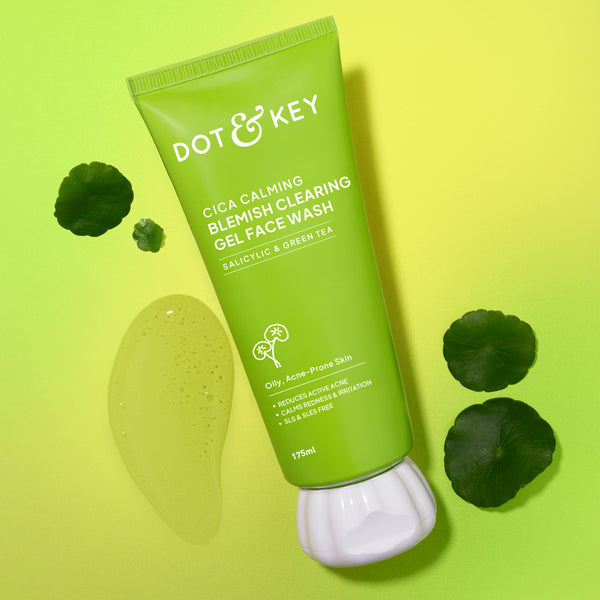
Gentle cleanser: Use a gel face wash with salicylic acid (0.5% to 2%) or tea tree oil. It removes overnight oil without stripping your skin.
-
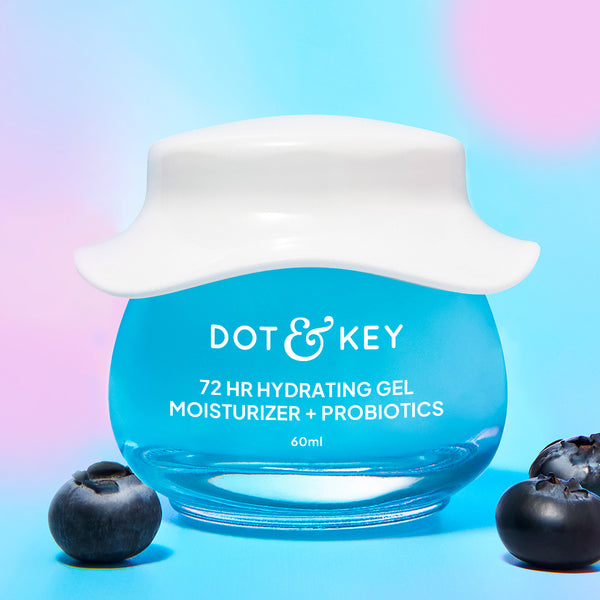
Lightweight, oil-free moisturizer: Look for a water-based or gel-cream formula. Ingredients like hyaluronic acid, aloe vera, and glycerin hydrate without grease.
-
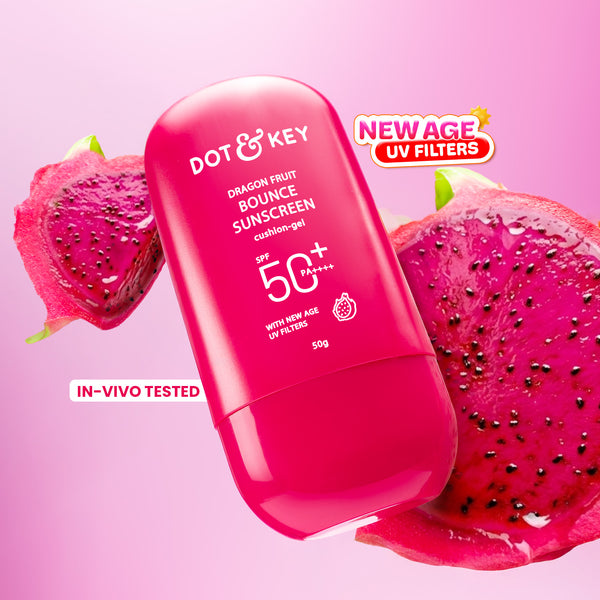
Sunscreen (mandatory): A broad-spectrum SPF 50+ gel or fluid. Monsoon clouds block visible light, not UVA rays. Choose a mattifying, non-comedogenic formula. Reapply before stepping out after lunch.
Evening Routine (7 Minutes)
-
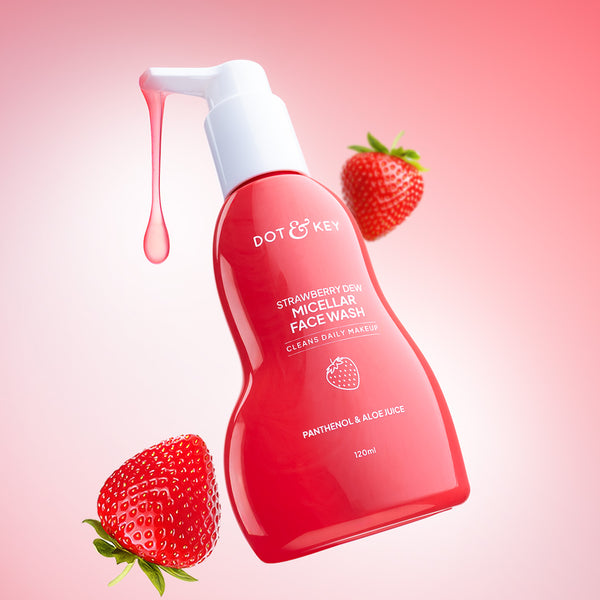
Double cleanse: First, use a micellar water or a light cleansing oil to dissolve sunscreen and pollution. Then use your morning foaming cleanser again.
-
Exfoliate (2 to 3 times per week): Use a BHA (salicylic acid) toner or serum. BHA is oil-soluble, so it dives into pores and clears out debris. This is your most powerful weapon against monsoon breakouts.
-
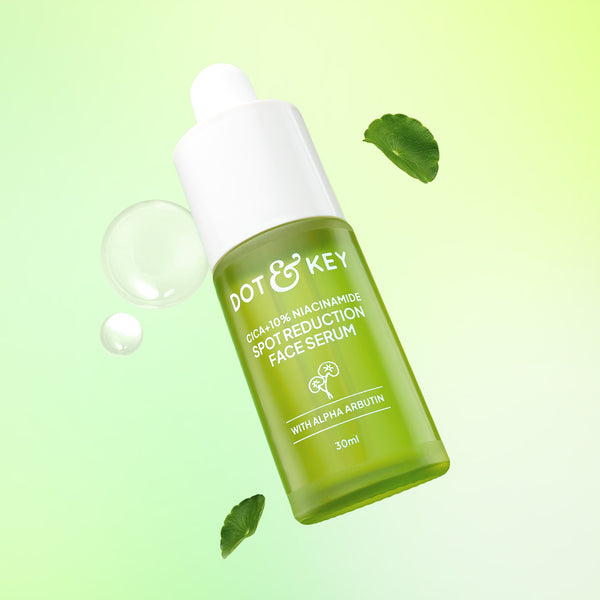
Niacinamide serum: Apply a few drops all over your face. Niacinamide regulates oil production, calms redness, and strengthens the skin barrier.
-
Gel moisturizer: The same lightweight moisturizer from your morning routine. Your skin needs overnight hydration to avoid rebound oil production.
Weekly Deep Clean
-
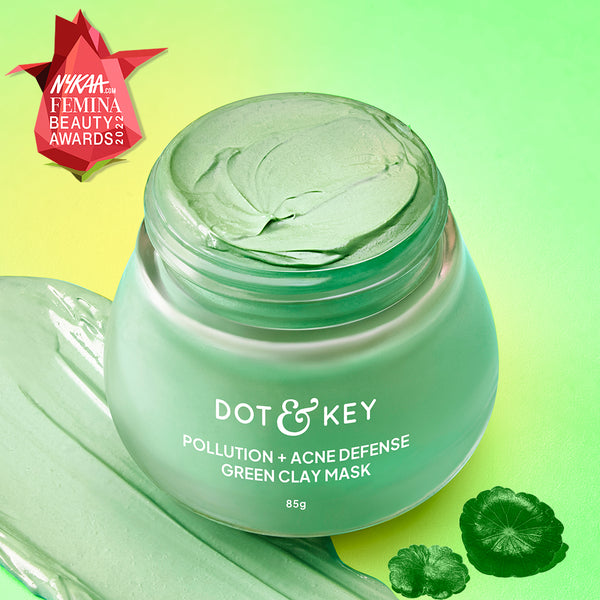
Clay mask: Once a week, apply a kaolin or bentonite clay mask to your T-zone. It absorbs excess oil and reduces the appearance of pores. Do not leave it on until it cracks; 10 minutes is enough.
10 Non-Greasy Ingredients That Rescue Oily Skin in Humidity
Knowing which ingredients to look for simplifies shopping and prevents impulse buys that clog pores.
|
Ingredient |
How It Helps Oily Skin in Monsoon |
|
Salicylic Acid (BHA) |
Exfoliates inside the pore, clears oil plugs, prevents blackheads. |
|
Niacinamide |
Balances sebum, reduces pore size appearance, anti-inflammatory. |
|
Hyaluronic Acid |
Lightweight hydration that holds water without adding oil. |
|
Aloe Vera |
Soothes irritation, hydrates with a thin, non-sticky texture. |
|
Tea Tree Oil |
Antibacterial and anti-inflammatory; use in diluted form. |
|
Zinc PCA |
Regulates oil production and has mild antimicrobial properties. |
|
Kaolin Clay |
Absorbs surface oil and impurities without overdrying. |
|
Azelaic Acid |
Reduces acne bacteria, fades post-pimple marks, gentle exfoliator. |
|
Green Tea Extract |
Antioxidant that calms redness and protects against pollution. |
|
Panthenol (Pro-Vitamin B5) |
Heals barrier, reduces mask friction irritation, lightweight. |
Use products that combine these ingredients. For example, a niacinamide serum with zinc PCA or a salicylic acid cleanser with aloe.
Comparison: Gel Moisturizer vs. Water-Based Lotion vs. Matte Cream for Monsoon
Choosing the wrong moisturizer texture can ruin your entire routine. This table helps you decide what to use when humidity peaks.
|
Texture Type |
Feel on Skin |
Best For |
Watch Out For |
|
Gel / Jelly |
Weightless, cooling, absorbs instantly. |
Very oily skin, midday reapplication, under mask. |
May not be hydrating enough for dehydrated oily skin. |
|
Water-Based Lotion |
Light, milky, sinks in fast. |
Combination skin, normal to oily in monsoon. |
Check for hidden heavy oils; look for "oil-free". |
|
Matte Cream |
Creamy but dries to a soft matte finish. |
Oily skin needing extra calm, night use. |
Some formulas may pill under sunscreen. |
|
Heavy Cream / Balm |
Rich, occlusive, takes time to absorb. |
Not suitable for monsoon oily skin. |
Guaranteed to clog pores and cause shine within hours. |
Stick to gel or water-based lotions. If your skin feels tight after washing, choose a formula with ceramides and niacinamide in a gel base.
What to Avoid at All Costs: Monsoon Mistakes That Feed Acne
You might be doing everything right, yet one hidden mistake keeps the cycle going. Here are the five most common errors and how to fix them instantly.
1. Overwashing Your Face
When your skin feels greasy, you want to wash it. But washing more than twice a day strips your barrier. Your oil glands panic and produce even more oil. Fix: Wash morning and night only. In between, use blotting papers or a light mist of thermal spring water followed by a gentle pat.
2. Skipping Moisturizer Because You Are Oily
This is the oldest trap. If you skip moisturizer, your skin compensates by overproducing sebum. Fix: Apply a thin layer of oil-free gel moisturizer immediately after cleansing. Your skin will learn to trust the hydration.
3. Using Harsh Alcohol-Based Toners
Toners that contain denatured alcohol give an instant matte look but destroy your barrier within days. Fix: Choose alcohol-free toners with niacinamide, witch hazel (in low concentration), or rose water.
4. Scrubbing Your Face Physically
Harsh apricot scrubs create micro-tears in your skin. Those tears allow bacteria to enter and cause more breakouts. Fix: Replace physical scrubs with BHA chemical exfoliants. They work better with zero friction.
5. Not Changing Your Pillowcase and Mask Frequently
Your pillowcase collects oil, sweat, and bacteria overnight. A used mask traps microbes against your skin. Fix: Change your pillowcase every 3 to 4 nights. Wash your reusable mask daily. This single habit can cut breakouts by half.
Morning vs. Evening Routine: A Simple 3-Minute Plan for Busy Parents
You do not have 20 minutes. You have a toddler asking for breakfast and a work call in 15 minutes. Here is the bare-minimum plan that still works.
Morning (3 minutes)
-
Wash face with a mild foaming cleanser in the shower.
-
While face is damp, dot gel moisturizer with SPF 50+ (use a 2-in-1 if possible) and spread evenly.
-
Done. No serum, no waiting.
Evening (3 minutes)
-
Remove the day with micellar water on a cotton pad.
-
Wash with the same cleanser.
-
Apply a pea-sized amount of niacinamide gel cream all over face.
-
That’s it.
On Sundays, add one clay mask and one BHA exfoliation session. Consistency beats complexity every time.
Humidity-Proof Makeup Tips for Oily Skin
If you must wear makeup, the sequence matters more than the brand.
-
Start with a mattifying primer on the T-zone.
-
Use a lightweight, water-based foundation or a BB cream with salicylic acid.
-
Set your T-zone with a translucent setting powder applied with a puff, not a brush.
-
Carry blotting papers, not powder, for touch-ups. Powder builds up and looks cakey in humidity.
-
At the end of the day, remove makeup thoroughly with double cleansing.
Remember, under a mask, skip foundation entirely. Your skin will thank you.
Key Takeaways
-
Monsoon humidity increases oil production and clogs pores, leading to breakouts.
-
Maskne is acne mechanics caused by friction and trapped moisture; wear breathable masks and skip under-mask makeup.
-
A simple routine includes a gentle foaming cleanser, BHA exfoliation, niacinamide serum, and gel moisturizer.
-
Always apply a mattifying, broad-spectrum sunscreen even under clouds.
-
Look for salicylic acid, niacinamide, zinc PCA, and lightweight hydrators like hyaluronic acid.
-
Avoid overwashing, harsh scrubs, alcohol toners, and heavy creams.
-
Diet matters: reduce sugar and fried snacks; add zinc-rich and omega-3 foods.
-
Change your mask and pillowcase frequently to cut bacterial transfer.
-
A 3-minute consistent routine outperforms an elaborate 10-step ritual.
-
You control the oil, not the weather. With the right habits, your skin stays clear and comfortable all monsoon long.
FAQ
Why does my face get so oily in the rainy season even though it’s cooler?
High humidity prevents sweat evaporation, and your skin compensates by producing more oil, creating a sticky film.
Can I skip moisturizer if my skin feels extremely greasy?
No. Skipping moisturizer causes your skin to overproduce oil. Use a lightweight gel moisturizer instead.
How often should I exfoliate oily skin during the monsoon?
Exfoliate with a salicylic acid product two to three times a week. Avoid daily exfoliation to protect your skin barrier.
What type of sunscreen is best for oily, acne-prone skin in humidity?
A gel-based or fluid sunscreen labelled oil-free, non-comedogenic, and SPF 50+ works best. Reapply as needed.
Is fungal acne common in the monsoon, and how do I treat it?
Yes, fungal acne thrives in humidity. It appears as itchy, uniform bumps and responds to zinc pyrithione or ketoconazole products.
Can I use face oils if I have oily skin during the monsoon?
Avoid pure oils. If you must, use a few drops of squalane oil, which is lightweight and mimics skin’s natural moisture.
How do I prevent pimples on my forehead from helmet or cap sweat?
Wear a clean, cotton headband under your helmet. Cleanse your forehead with micellar water immediately after use.
Should I use a toner in my monsoon skincare routine?
An alcohol-free toner with niacinamide or rose water can rebalance skin pH. Use it after cleansing, before moisturizer.