






Best Ways to Treat Sensitive Facial Skin Without Irritation

If your skin stings after washing, turns red with a bit of wind, or suddenly reacts to products that once worked fine, it can feel unpredictable and frustrating. The reassuring part? Sensitive skin is usually manageable—and with the right approach, many people notice calmer, more comfortable skin within a week or two.
In most cases, sensitivity comes down to a weakened skin barrier. When this protective layer is compromised, your skin loses moisture more easily and becomes more reactive to everyday triggers like weather, skincare products, or even water temperature.
The fix isn’t complicated—but it does require a shift in approach. Instead of trying multiple actives or quick fixes, the focus should be on simplifying your routine and supporting repair.
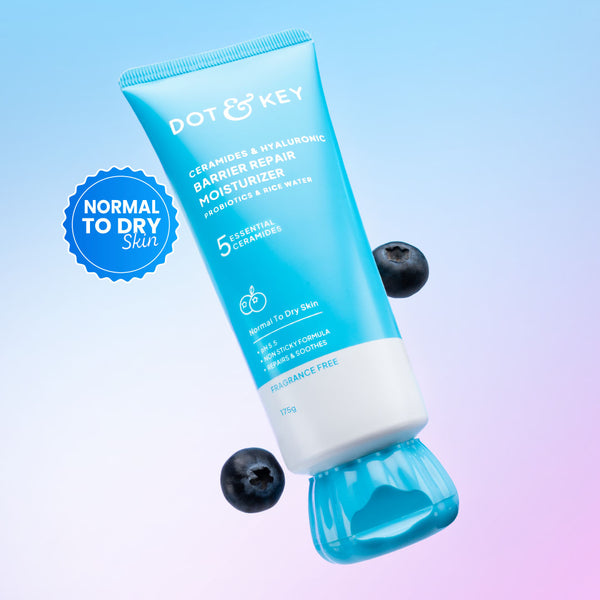
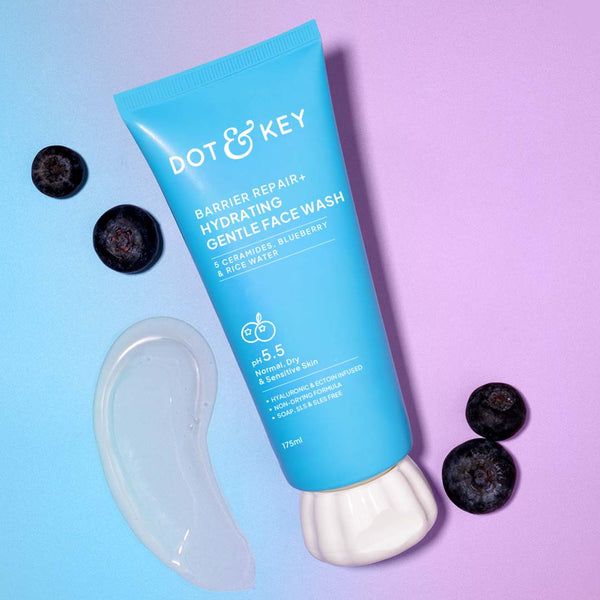
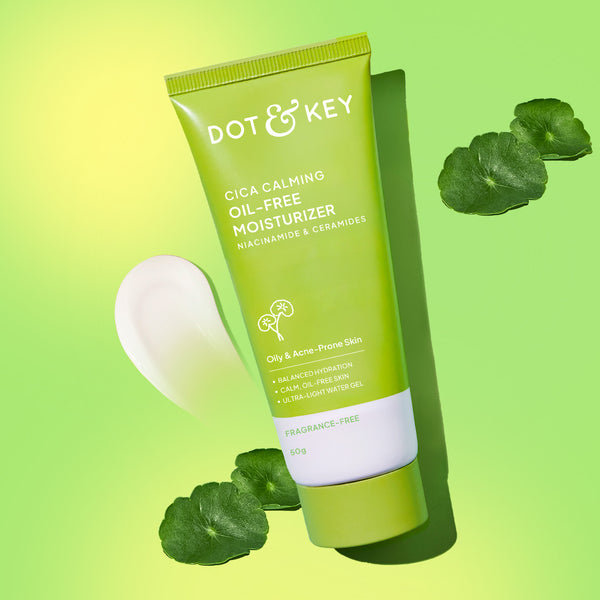
Start by cutting back on anything harsh or unnecessary. Switch to a gentle, non-foaming cleanser, avoid hot water, and choose moisturisers that are rich in barrier-supporting ingredients like ceramides, fatty acids, or soothing extracts. Ingredients like niacinamide, centella, and panthenol can help calm irritation without overwhelming your skin.
It also helps to identify and avoid common triggers—like over-exfoliation, strong fragrances, or constantly switching products. Giving your skin consistency is often what makes the biggest difference.
In this guide, we’ll walk you through:
-
The most common causes of sensitive, reactive skin
-
Ingredients that soothe and strengthen without irritation
-
What to avoid when your skin is compromised
-
A simple, minimal routine that actually works
No overcomplication, no trial-and-error chaos—just a steady, skin-first approach that helps you rebuild comfort, resilience, and balance over time.
What Sensitive Skin on the Face Really Means
Sensitive skin is not a formal medical diagnosis but a state where your facial skin reacts more easily to everyday things. It often stems from a weakened skin barrier – the thin outer layer made of skin cells held together by natural lipids like ceramides, cholesterol, and fatty acids.
When that barrier develops tiny gaps, water escapes faster and irritants slip in. Nerve endings become overactive. The result is the burning, redness, tightness, or itching you notice on your cheeks, forehead, or around the nose and mouth. Unlike dry skin alone or acne, sensitivity involves heightened reactivity that can appear suddenly even if your skin was never sensitive before.
The face is especially vulnerable because the skin there is thinner, exposed to more environmental stress, and often treated with more products. Understanding this barrier-first view shifts everything: instead of fighting symptoms, you rebuild the foundation so reactions calm naturally.
Why Your Facial Skin Suddenly Becomes Sensitive
Sensitivity rarely appears out of nowhere. Common triggers include:
-
Harsh skincare actives layered too quickly, such as retinoids, acids, or high-strength brighteners that strip lipids.
-
Over-cleansing or using foaming, sulfate-heavy cleansers and hot water.
-
Environmental changes like cold wind, low humidity, pollution, or sudden heat.
-
Stress, poor sleep, or hormonal shifts that raise inflammation and thin the barrier.
-
New products with fragrance, alcohol, essential oils, or preservatives.
-
Underlying conditions like rosacea or eczema that flare and mimic pure sensitivity.
Identifying your trigger is the fastest route to relief. Most people improve dramatically once they pause the damage and give the barrier what it needs to repair.
Common Symptoms of Sensitive Skin on the Face
Look for these signs that point to barrier issues:
-
Stinging or burning right after cleansing or applying products.
-
Persistent redness or flushing, especially on cheeks and nose.
-
Tight, dry, or flaky feeling even after moisturizing.
-
Itching or prickling without a visible rash.
-
Increased reactivity to wind, temperature changes, or touch.
-
Breakouts that feel more inflamed than usual.
If you also have swelling, blisters, or spreading rash, consult a dermatologist right away.
Proven Strategies to Treat Sensitive Skin on the Face
The most reliable approach is simple: stop irritating the skin, restore lipids, and protect daily. Clinical experience and studies show this reduces reactivity scores by 40–60 percent within four weeks for many people.
Focus on these core actions:
-
Gentle cleansing that removes debris without stripping oils.
-
Barrier-repair moisturizing with skin-identical lipids.
-
Soothing ingredients that calm nerves and inflammation.
-
Daily broad-spectrum sun protection to prevent further damage.
-
Lifestyle habits that support repair from the inside.
Key Ingredients That Help Repair and Calm Sensitive Facial Skin
Not every “soothing” claim delivers results. These ingredients stand out because they mimic or support the natural barrier:
|
Ingredient |
How It Helps |
Best For |
How to Use It Safely |
|
Ceramides |
Rebuild the lipid mortar that holds skin cells |
Dryness, tightness, reactivity |
In lightweight moisturizer morning and night |
|
Niacinamide |
Strengthens barrier, calms redness, regulates oil |
Redness, flushing, occasional shine |
5% serum or in moisturizer, daily |
|
Hyaluronic Acid |
Draws in moisture without weight |
Dehydration under sensitivity |
Layer under moisturizer on damp skin |
|
Panthenol (Vitamin B5) |
Soothes irritation and boosts hydration |
Stinging, post-cleanse tightness |
In serum or cream, as needed |
|
Glycerin |
Humectant that holds water in the skin |
Overall hydration and comfort |
Naturally in many gentle moisturizers |
|
Centella Asiatica |
Reduces inflammation and supports repair |
Red, reactive patches |
In calming serum or moisturizer |
Choose water-based or gel textures labeled non-comedogenic and fragrance-free. Start with one or two new ingredients at a time.
Step-by-Step Routine to Treat Sensitive Skin on the Face
Keep it to three or four steps for the first two weeks so your skin can reset.
Morning routine
-
Cleanse with a creamy, fragrance-free cleanser and lukewarm water for 30–60 seconds.
-
Pat dry gently – do not rub.
-
Apply a pea-size amount of niacinamide or ceramide serum if tolerated.
-
Follow with a barrier-repair moisturizer while skin is still slightly damp.
-
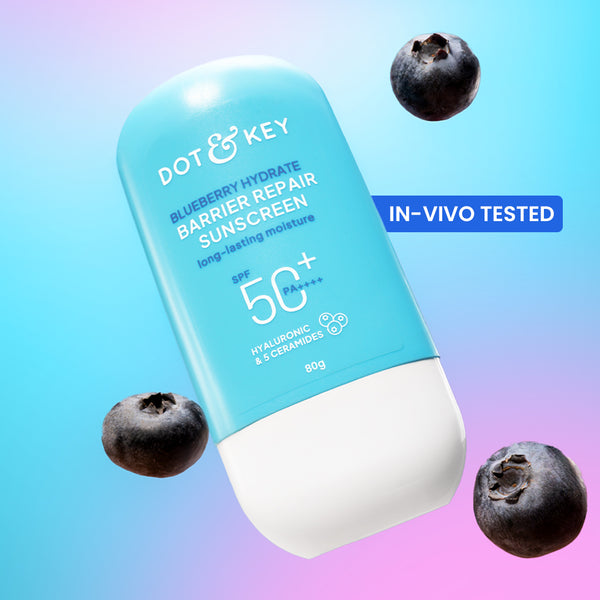
Finish with a lightweight mineral sunscreen (SPF 30 or higher).
Evening routine
-
Single gentle cleanse (double only if wearing makeup or sunscreen).
-
Apply the same moisturizer – or a slightly richer version at night.
-
Skip all actives until skin feels stable for at least two weeks.
Practical tips that speed healing
-
Use only lukewarm or cool water – hot water strips the barrier faster.
-
Apply everything with clean hands and pat, never tug or rub.
-
In dry or cold weather, add a thin layer of an occlusive like a plain balm over moisturizer on cheeks.
-
Change pillowcases to soft cotton weekly.
-
Store products away from heat and light.
Most people feel less stinging within three to five days and see visibly calmer skin by day ten.
Lifestyle Changes That Support Facial Skin Repair
Topical care works better when internal factors stay calm:
-
Drink 8–10 glasses of water daily to keep skin hydrated from within.
-
Aim for 7–9 hours of sleep – barrier repair peaks overnight.
-
Practice short stress-relief habits like deep breathing or walking to lower cortisol.
-
Eat more antioxidant-rich foods such as berries, leafy greens, and nuts.
-
Avoid personal triggers like spicy foods, excess alcohol, or extreme temperature swings.
These small shifts often make the biggest difference in stubborn sensitivity.
Common Myths About Treating Sensitive Skin on the Face
Myth 1: “Sensitive skin means you can only use all-natural products.”
Reality: Many natural ingredients like essential oils and fragrances are common irritants. Gentle, tested formulas without fragrance work far better.
Myth 2: “You should skip moisturizer so skin toughens up.”
Reality: Skipping hydration weakens the barrier further and increases reactivity.
Myth 3: “Sensitive skin is permanent.”
Reality: Many cases are temporary. With proper care, most people regain normal tolerance.
Myth 4: “More products will fix it faster.”
Reality: Fewer, simpler steps almost always calm skin quicker than layering more.
Myth 5: “Exfoliating every day will make skin less sensitive long-term.”
Reality: Over-exfoliating damages the barrier. Gentle chemical exfoliation at most once or twice a week is enough once skin stabilizes.
When to Seek Professional Help
Home care resolves most facial sensitivity. See a dermatologist if:
-
Symptoms worsen after one week of gentle care.
-
You develop swelling, blisters, or spreading rash.
-
Sensitivity comes with fatigue, joint pain, or other new symptoms.
-
No improvement after two weeks of consistent repair routine.
A professional can rule out underlying conditions and may suggest short-term prescription support if needed.
Key Takeaways
-
Sensitive facial skin almost always signals a damaged barrier that you can repair.
-
Identify and remove triggers – harsh products, hot water, stress, or environmental shifts.
-
Simplify immediately to gentle cleansing, barrier-repair moisturizing, and daily sunscreen.
-
Use ceramides, niacinamide, and hyaluronic acid to rebuild strength.
-
Support skin internally with hydration, sleep, and lower stress.
-
Expect calmer skin in 1–2 weeks and much better tolerance in 4–8 weeks.
-
Prevention is key: keep daily barrier care as your foundation even after symptoms fade.
Conclusion
Your facial skin is not broken – it is simply asking for a break and the right kind of support. The sensitivity that feels so frustrating right now is a clear signal you can act on today. Start tonight with the simplest possible routine: gentle cleanse, generous moisturizer, and nothing else. Give it one full week of consistency. Most people look in the mirror after seven days and see calmer, less reactive skin staring back.
The science of barrier repair is straightforward, the steps are simple, and the results are reliable when you follow through. Stronger, calmer, more comfortable skin is closer than it feels in this moment. You have everything you need to turn this around – starting with understanding exactly why it happened and choosing to support your barrier instead of fighting the symptoms. Give your face the gentle reset it is asking for, and it will reward you with the resilience you thought you had lost.
FAQ
Q: How long does it take to treat sensitive skin on the face?
A: Many notice less stinging and tightness in 3–7 days. Full barrier repair and normal tolerance usually return in 4–8 weeks with consistent gentle care.
Q: Can sensitive skin on the face be oily at the same time?
A: Yes. Use lightweight gel textures with niacinamide and ceramides. They balance oil production without stripping and prevent the rebound cycle.
Q: Should I stop all skincare if my face is sensitive?
A: No. Keep a very minimal routine of gentle cleanser and moisturizer. Stopping completely leaves skin unprotected and can prolong irritation.
Q: Is it safe to use niacinamide or ceramides when skin is reactive?
A: Yes. These are two of the most soothing and barrier-strengthening ingredients for sensitive facial skin.
Q: Can hormones or stress really cause sudden facial sensitivity?
A: Absolutely. Fluctuations around your cycle, pregnancy, perimenopause, or high stress commonly trigger temporary sensitivity.
Q: What if my sensitive skin also has breakouts?
A: Pause strong acne actives. Use niacinamide and gentle cleansing first to calm the barrier, then reintroduce one targeted treatment slowly.
Q: Does diet affect sensitive skin on the face?
A: It can. Reducing inflammatory triggers like excess sugar or alcohol often speeds healing, especially when stress or hormones play a role.
Q: Is there any downside to long-term gentle routines for sensitive skin?
A: None. Once your skin stabilizes, you can slowly add favorite actives while keeping barrier care as your daily foundation for healthier, more resilient skin.