




How to Reduce Skin Redness Fast? Quick & Effective Remedies
 21 Apr 2026

Dealing with sudden skin redness can be really frustrating—especially when it shows up out of nowhere. One minute your skin looks fine, and the next, your cheeks are flushed, patchy, or irritated. The good news? You can calm it down quickly.
In many cases, redness can start to settle within minutes to a few hours when you focus on the right things—cooling your skin and using gentle, soothing products. And if you stick to barrier-friendly habits over the next few days, you’ll notice it becoming less frequent too.
If your face turns red after a hot shower, stays flushed after a workout, or reacts easily to products or weather changes, you’re definitely not alone. Redness is super common and usually comes down to sensitivity, irritation, acne, or environmental triggers like heat and pollution.
What actually helps is keeping things simple. Think cooling your skin with a cold compress, switching to mild, fragrance-free products, and using calming ingredients like aloe vera, centella, or niacinamide. These can help take the heat out of your skin—literally.
In this guide, we’ll walk through:
-
Why your skin gets red in the first place
-
What works fast to calm it down
-
Ingredients that genuinely help (and what to avoid)
-
An easy routine to keep your skin calm long-term
No complicated steps, no guesswork—just practical things you can start doing right away for calmer, more even-looking skin.
What Skin Redness Actually Is and Why It Happens So Quickly
Skin redness, or erythema, occurs when tiny blood vessels near the surface dilate and more blood flows through them. Your skin barrier – the outer layer held together by ceramides, cholesterol, and fatty acids – normally keeps everything balanced. When that barrier weakens or inflammation spikes, nerves become over-sensitive and blood vessels stay dilated longer than they should.
Redness can appear suddenly because of:
-
A single trigger like wind, heat, or a new product.
-
Ongoing issues such as a damaged barrier that lets irritants in easily.
-
Internal signals from stress hormones or hormones that make vessels more reactive.
The face shows redness more than other areas because the skin there is thinner and has more blood vessels close to the surface. Understanding this helps you target the cause instead of just covering the symptom.
Why Redness Can Strike Suddenly – The Most Common Triggers
Redness rarely appears for no reason. Look back 24–48 hours for changes. Top triggers include:
-
Harsh skincare or over-exfoliation that strips natural lipids.
-
Environmental factors like cold wind, heat, sun, or pollution.
-
Stress, lack of sleep, or spicy foods that raise internal inflammation.
-
Hormonal shifts around your cycle, pregnancy, or perimenopause.
-
Allergic reactions or contact with irritants like fragrance, alcohol in products, or certain fabrics.
-
Underlying conditions such as rosacea, eczema, or acne that flare.
Identifying your personal trigger is the fastest way to stop the cycle and keep redness from coming back.
Signs Your Redness Needs Fast Attention
Watch for these clues that your skin needs immediate soothing:
-
Warm, flushed cheeks or nose that lingers.
-
Visible tiny blood vessels or persistent pinkness.
-
Tight, stinging, or burning feeling.
-
Red patches that worsen with touch or temperature changes.
-
Redness around breakouts or dry flaky areas.
If redness comes with swelling, pain, or spreading rash, see a dermatologist right away.
Fastest Ways to Calm Redness Right Now
You do not have to wait weeks for relief. These immediate actions work in minutes to hours:
-
Cool compress – Wrap ice in a clean cloth or use a chilled spoon and hold it gently on red areas for 5–10 minutes. Cold constricts blood vessels and lowers inflammation almost instantly.
-
Gentle cleansing – Use lukewarm water and a creamy, fragrance-free cleanser. Hot water and harsh foams make redness worse.
-
Soothing mask or compress – Apply a thin layer of pure aloe vera gel or a cooled green tea bag for 10 minutes. Both reduce swelling quickly.
-
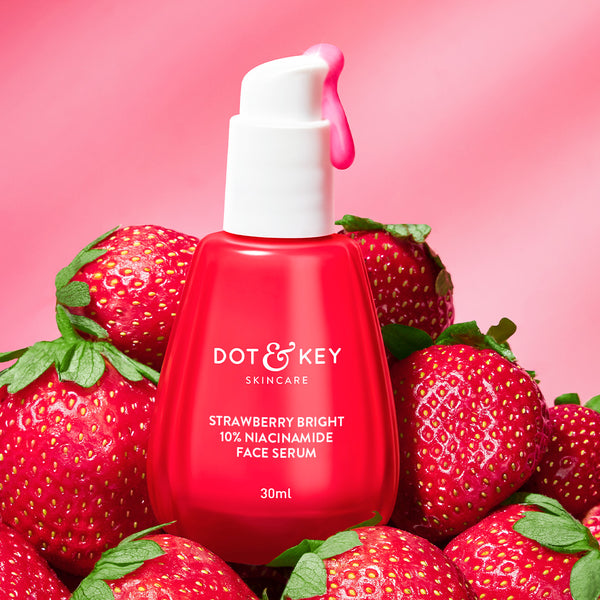
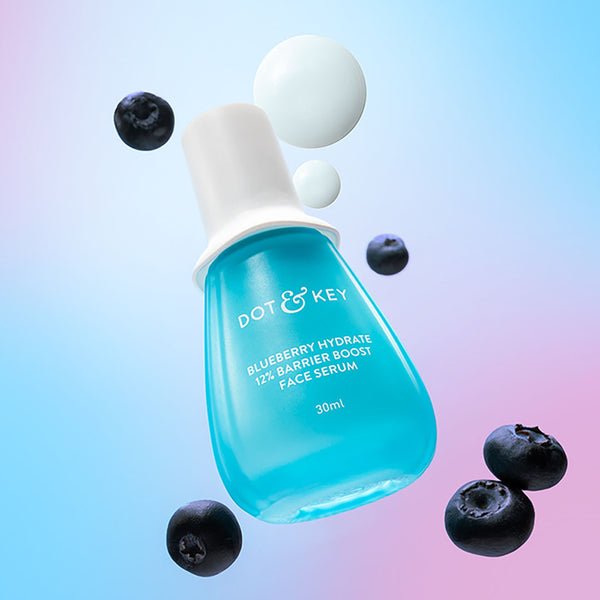
Targeted serum – Pat on a lightweight serum with calming ingredients while skin is damp.
-
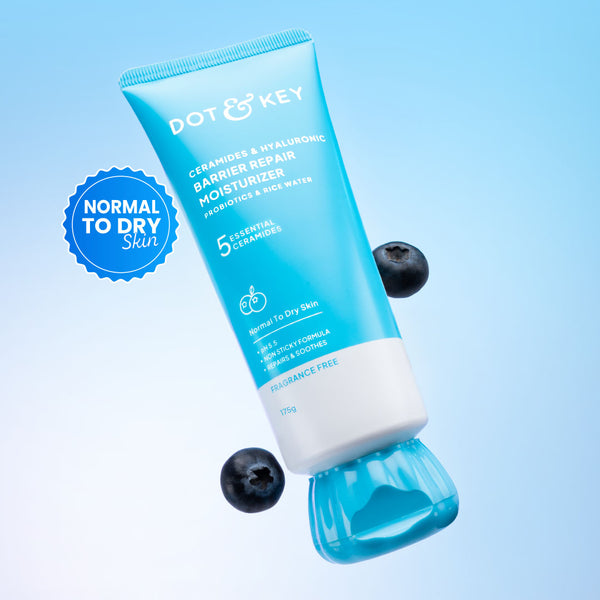
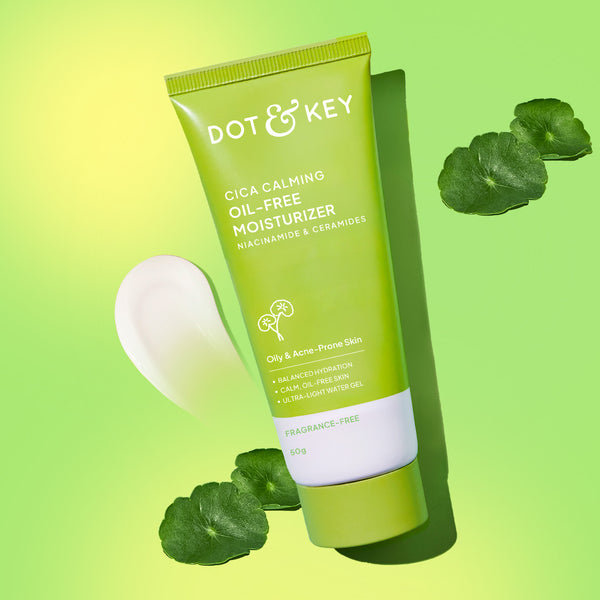
Barrier repair moisturizer – Lock in hydration immediately to stop the rebound cycle.
Clinical observations show these steps can cut visible redness by 30–50 percent in the first day when done consistently.
Best Ingredients for Fast and Lasting Redness Reduction
Not every “soothing” ingredient delivers speed. These stand out because research supports quick calming plus long-term barrier support:
|
Ingredient |
How It Works Fast |
Typical Results (from studies) |
Best For |
How to Use for Quick Relief |
|
Niacinamide |
Calms inflammatory signals, strengthens barrier |
Up to 68% reduction in redness over weeks |
Daily redness, flushing |
Serum morning and night |
|
Ceramides |
Rebuilds lipid mortar to lock out irritants |
Faster barrier repair in days |
Dry, reactive skin |
In moisturizer right after cleansing |
|
Centella Asiatica |
Reduces swelling and supports healing |
Noticeable calming in hours to days |
Sensitive or rosacea-like redness |
Serum or mask as spot treatment |
|
Azelaic Acid |
Anti-inflammatory and antibacterial |
Visible drop in redness within 4–12 weeks |
Acne-related or persistent redness |
Lightweight gel, start every other day |
|
Aloe Vera |
Cools and hydrates instantly |
Immediate soothing effect |
Post-sun or irritation redness |
Pure gel as compress or mask |
|
Panthenol (Vitamin B5) |
Soothes nerves and boosts moisture retention |
Quick relief from tightness and sting |
All reactive skin types |
In serum or moisturizer |
Choose lightweight, oil-free formulas labeled non-comedogenic and fragrance-free. Start with one or two new ingredients at a time.
Step-by-Step Routine to Reduce Redness Fast
Keep it ultra-minimal for the first 48 hours so your skin can reset.
Immediate relief routine (first 24–48 hours)
-
Cleanse gently with lukewarm water and a creamy cleanser for 30–60 seconds.
-
Pat dry – never rub.
-
Apply a cool compress or aloe gel for 10 minutes.
-
Pat on a niacinamide or centella serum while the skin is damp.
-
Seal with a ceramide-rich moisturizer.
-
Finish with mineral sunscreen if going outside.
Daily maintenance routine once redness calms
Morning
-
Gentle cleanse.
-
Soothing serum (niacinamide or centella).
-
Barrier moisturizer.
-
Matte-finish mineral SPF 30+ (green-tinted options help neutralize redness visually).
Evening
-
Single gentle cleanse.
-
Same serum.
-
Slightly richer moisturizer or a calming mask 2–3 times a week.
Practical tips that speed results
-
Store serums and moisturizers in the fridge for extra cooling power.
-
Use clean hands or a soft applicator to avoid friction.
-
In cold or windy weather, add a thin occlusive balm over moisturizer on cheeks.
-
Blot instead of wiping sweat during the day.
-
Change pillowcases to soft, washed cotton weekly.
Most people notice less flushing within 3–7 days and significantly calmer skin by week two.
Home Remedies That Deliver Fast Redness Relief
These simple options use ingredients you likely have at home:
-
Oatmeal mask – Mix colloidal oatmeal with cool water into a paste, apply for 10–15 minutes, then rinse. It soothes itching and redness quickly.
-
Green tea compress – Brew, cool, and soak a cloth to apply for 10 minutes. Antioxidants calm inflammation.
-
Cucumber slices – Chill and place on red areas for 10 minutes for instant cooling.
-
Manuka or raw honey – A thin layer for 15 minutes has natural anti-inflammatory and antibacterial properties.
-
Diluted apple cider vinegar – One part vinegar to three parts water as a gentle toner (patch-test first).
Use these as spot treatments while you build your main routine.
Lifestyle Changes That Stop Redness From Returning
Skincare works faster when you remove internal triggers:
-
Drink 8–10 glasses of water daily to keep skin hydrated from within.
-
Aim for 7–9 hours of sleep – barrier repair peaks overnight.
-
Manage stress with short walks or deep breathing to lower cortisol.
-
Avoid known flare foods like spicy dishes, hot drinks, or alcohol.
-
Exercise in cool environments and rinse your face afterward.
-
Protect against sun and wind every time you go outside.
These habits often make the biggest difference in stubborn or recurring redness.
Common Myths About Reducing Skin Redness
Myth 1: “More exfoliation will make redness go away.”
Reality: Scrubs and strong acids damage the barrier and worsen flushing.
Myth 2: “Redness means your skin needs to toughen up.”
Reality: Skipping moisturizer makes the barrier weaker and redness worse.
Myth 3: “Only expensive creams work.”
Reality: Effective ingredients like niacinamide and ceramides deliver results when used consistently, regardless of price.
Myth 4: “Redness is permanent once it starts.”
Reality: Most cases improve dramatically with barrier repair and trigger avoidance.
Myth 5: “Sunscreen makes redness worse.”
Reality: Mineral sunscreens protect without irritation and prevent UV-triggered flushing.
When to See a Dermatologist for Redness
Home care calms most redness. Contact a professional if:
-
Redness worsens after one week of gentle care.
-
You develop pus, swelling, or pain.
-
Flushing happens with eye irritation or visible blood vessels.
-
No improvement after two weeks of consistent routine.
A dermatologist can rule out conditions like rosacea and may suggest short-term prescription support if needed.
Key Takeaways
-
Skin redness is usually a sign of barrier damage or inflammation you can calm quickly.
-
Start with immediate cooling compresses and gentle cleansing for fast relief.
-
Use proven ingredients like niacinamide, ceramides, and centella daily.
-
Simplify your routine and avoid triggers to prevent rebound redness.
-
Support skin from inside with hydration, sleep, and stress management.
-
Expect visible calming in hours to days and much stronger skin in 2–4 weeks.
-
Consistency beats perfection – daily barrier care keeps redness away long-term.
Conclusion
Your skin does not have to stay stuck in constant redness mode. The flush or pinkness that feels so obvious right now is a clear signal you can act on immediately. Start tonight with a gentle cleanse, cool compress, and generous layer of soothing moisturizer. Give it just 48 hours of consistency. Most people look in the mirror after two days and see calmer, less reactive skin staring back.
The science of barrier repair and inflammation calming is straightforward, the steps are simple, and the results are reliable when you follow through. Stronger, more even-toned skin is closer than it feels at this moment. You have everything you need to turn redness around – starting with understanding exactly why it happens and choosing to support your barrier instead of fighting the symptoms. Give your skin the gentle, targeted care it is asking for, and it will reward you with the calm, comfortable complexion you have been missing.
FAQ
Q: How fast can I really reduce skin redness?
A: Many see less flushing within minutes using a cool compress and soothing serum. Noticeable improvement often appears in 1–3 days, with major calming in 1–2 weeks.
Q: Can I reduce redness if I have rosacea?
A: Yes. Gentle routines with niacinamide, centella, and azelaic acid are especially helpful for rosacea-related redness and work well alongside trigger avoidance.
Q: Will niacinamide or ceramides make my skin less red quickly?
A: Yes. Both calm inflammation and repair the barrier, often showing visible soothing within days of consistent use.
Q: Is it okay to use azelaic acid when skin is already red?
A: Yes, at lower concentrations it is anti-inflammatory and well-tolerated. Start every other day and pair with moisturizer.
Q: Should I avoid all actives if my face is red?
A: Pause strong exfoliants and retinoids. Stick to calming ingredients like niacinamide and ceramides until redness settles.
Q: Can diet really affect facial redness?
A: Absolutely. Cutting spicy foods, hot drinks, and alcohol often reduces flushing within days for many people.
Q: What if redness comes back after it calms?
A: This usually means a hidden trigger is still present. Revisit your routine, products, and lifestyle habits to identify it.
Q: Is green-tinted sunscreen or primer helpful for redness?
A: Yes. The green neutralizes red tones instantly while providing daily protection that prevents worsening.
Q: Can men reduce skin redness the same way as women?
A: Yes. The same gentle routine and ingredients work across genders, though men may notice faster results from shaving-related irritation once addressed.
Q: Is there any downside to long-term redness-calming routines?
A: None. Once your skin stabilizes, keeping daily barrier care as your foundation leads to healthier, more resilient skin overall.