




How to Minimize Pores on Face Permanently? Derm Guide
 29 Aug 2026

Ever looked closely in the mirror and noticed that the pores around your nose, cheeks, or forehead seem more visible than usual? You're not alone. Enlarged-looking pores are one of the most common skincare concerns, particularly for people with oily or combination skin. While you can't permanently shrink or erase your pores, you can make them appear smaller, smoother, and less noticeable with the right skincare habits.
Pore size is influenced by several factors, including genetics, excess sebum, clogged pores, sun exposure, and the gradual loss of skin elasticity. When oil, dead skin cells, and impurities build up around a pore, or when the surrounding skin loses firmness, pores can become more prominent. The goal, therefore, isn't to eliminate pores—they are a natural and necessary part of healthy skin, but to keep them clear and support the skin around them.
The good news is that you don't need an aggressive routine to improve their appearance. Consistent cleansing, gentle exfoliation, appropriate hydration, daily sunscreen, and targeted ingredients such as niacinamide or salicylic acid can help keep pores clearer and make them look more refined over time.
In this guide, we'll explain why pores become more visible, which skincare ingredients can help minimize their appearance, what habits may be making them look larger, and how to build a simple, dermatologist-informed routine for smoother-looking, more even skin.
Why Do My Pores Look So Big? The Real Culprits
Pores are the openings of hair follicles. They are essential; they allow sebum (oil) to reach the surface to lubricate the skin. However, several factors can make these openings appear larger than they are.
1. Sebum Overproduction
If you have oily skin, your sebaceous glands produce an excess of oil. When this oil mixes with dead skin cells, it forms a plug. This plug fills the pore, physically stretching the opening. This is most noticeable on the nose and inner cheeks.
2. Loss of Skin Elasticity
As we age, our skin produces less collagen and elastin. These are the proteins that keep the skin tight and firm. When the support structure around a pore weakens, the pore can appear “tented” or sagging. It isn't necessarily that the hole is bigger; it is that the scaffolding holding it up has collapsed.
3. Sun Damage
UV radiation degrades collagen faster than natural ageing. Years of sun exposure without protection lead to thickened, leathery skin texture where pores appear more pronounced.
4. The “Shadow Effect”
Sometimes, pores look dark not because they are dirty, but because the uneven surface creates a shadow. This is often mistaken for blackheads.
Can You Permanently Shrink Pores?
The short answer is no. Pores do not have muscles; they cannot open and close. The size is largely determined by genetics.
However, this does not mean you cannot achieve a “permanent-looking” improvement. If a pore looks large because it is clogged and stretched, clearing it will return it to its natural size. If it looks large because the surrounding skin is lax, building collagen will “lift” the skin and visually reduce the opening.
The Principle: You cannot shrink the hole, but you can clean the well and reinforce the walls.
The 4-Step Strategy for Visible Minimization
To effectively minimize pores, you need a strategy that addresses both the inside (oil/debris) and the outside (structural support).
Step 1: The “Declogging” Phase
If a pore is full of oxidized oil (blackheads), no amount of topical tightening will help. You must dissolve the blockage.
The Ingredient: Salicylic Acid (BHA).
Why it works: BHA is oil-soluble. This means it can penetrate through the oil inside the pore and dissolve the “glue” holding dead skin cells together.
How to use: Use a liquid exfoliant 2–3 times per week at night.
Step 2: The “Refining” Phase
Once pores are clear, you want to ensure they stay clear and that the surface texture is smooth.
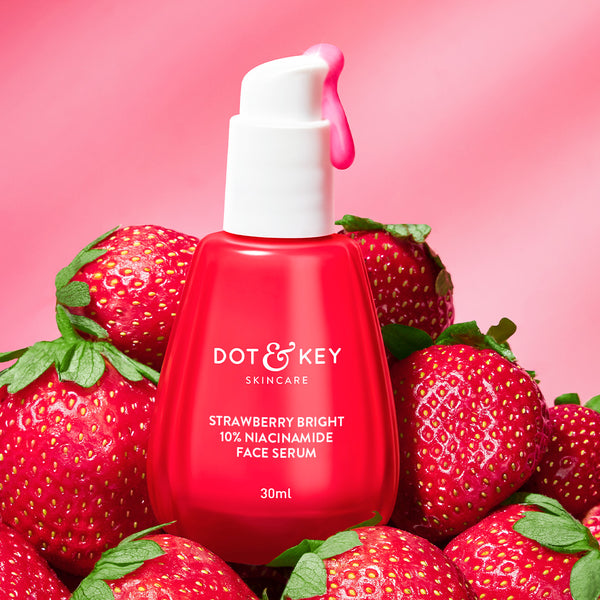
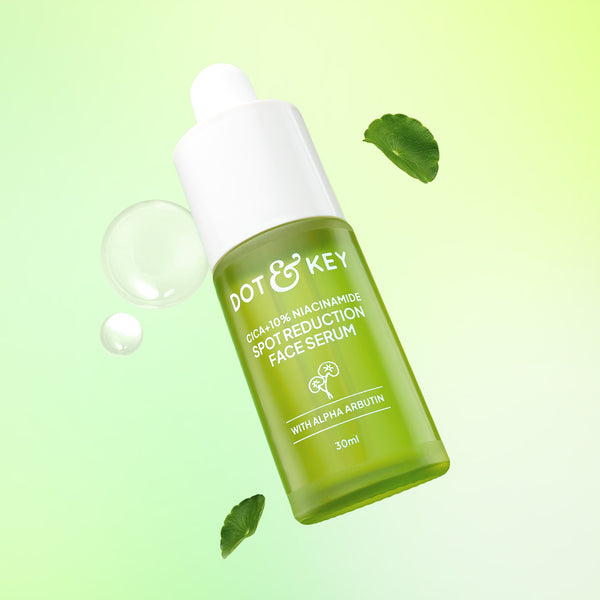
The Ingredient: Niacinamide (Vitamin B3).
Why it works: Niacinamide helps regulate sebum production. Less oil production means less stretching of the pore wall over time. It also supports the skin barrier.
Step 3: The “Strengthening” Phase
This is the closest thing to “permanent” you can get. If you reverse the laxity of the skin, the pore shrinks back visually.
The Ingredient: Retinoids (Retinol, Adapalene, Tretinoin).
Why it works: Retinoids are the gold standard for stimulating collagen production. They speed up cellular turnover, preventing dead skin buildup, and thicken the dermis over time, which supports the pore wall.
The Timeline: Retinoids do not work overnight. They require consistent use for 3–6 months to see significant structural improvements.
Step 4: The “Prevention” Phase
The Ingredient: Sunscreen (SPF 30 or higher).
Why it works: Using a retinoid makes your skin more sensitive to the sun. More importantly, UV exposure destroys the collagen you are trying to build. If you use active ingredients to boost collagen but skip sunscreen, you are running on a treadmill. Sunscreen is the most effective “anti-ageing” and “pore-tightening” product you can buy.
Ingredient Spotlight: The Heavy Hitters
|
Ingredient |
Primary Function |
How It Helps Pores |
Key Consideration |
|
Salicylic Acid (BHA) |
Exfoliant |
Dissolves oil and dead skin inside the pore. |
Can be drying; introduce slowly. |
|
Niacinamide |
Antioxidant/Barrier |
Reduces sebum production and improves skin smoothness. |
Usually well-tolerated; pair with most actives. |
|
Retinoids (Retinol/Adapalene) |
Cell Communicator |
Increases collagen, prevents clogging, tightens surrounding skin. |
Requires sun protection; can cause initial flaking. |
|
Glycolic Acid (AHA) |
Exfoliant |
Removes the top layer of dead skin, smoothing the “rim” of the pore. |
Water-soluble; works on the surface rather than inside the pore. |
|
Clay (Kaolin/Bentonite) |
Absorbent |
Temporarily absorbs oil, reducing shine and the appearance of pores. |
Temporary effect; can be drying if overused. |
Routine Skin Care Routine for Open Pore Minimazing
Morning Routine:
• Cleanser: Gentle, pH-balanced.
• Treatment: Niacinamide Serum.
• Moisturiser: Lightweight, non-comedogenic.
• Sun Protection: SPF 30 or higher.
Evening Routine:
• Cleanser: Double cleanse if wearing makeup (oil-based followed by water-based).
Treatment (Alternate Nights):
• Night A: Salicylic Acid (BHA) Liquid.
• Night B: Retinol/Retinoid.
• Moisturiser: Barrier-repair moisturiser to mitigate dryness from actives.
Note: If you are new to active ingredients, start using them once a week and gradually increase frequency to avoid irritation. Irritated skin often looks more porous due to swelling.
Professional Treatments: The Closest Thing to Permanent
While topical skincare is effective, in-clinic treatments offer more aggressive intervention for those looking for significant, long-lasting changes.
• Microneedling: Creates micro-injuries in the skin that stimulate massive collagen production. This physically tightens the skin around the pores.
• Chemical Peels: Stronger concentrations of AHA/BHA that resurface the skin, reducing the appearance of the pore opening.
• Laser Resurfacing (Non-Ablative): Heats the deeper layers of the skin to promote collagen remodeling.
Note: These treatments should always be performed by a qualified dermatologist or licensed aesthetician.
Common Mistakes That Make Pores Look Worse
• Over-Exfoliating: Stripping the skin barrier leads to inflammation and “orange peel” texture.
• Skipping Moisturiser: Dehydrated skin looks crepey and emphasizes pores. Even oily skin needs hydration.
• Using Pore Strips: These aggressively rip off the top layer of the pore, providing temporary satisfaction but often causing trauma and enlarged appearance long-term.
• Picking and Squeezing: This causes trauma to the pore wall, potentially leading to permanent widening and scarring.
Conclusion
You cannot change your genetics, but you can change your skin's behaviour and structure. “Permanent” pore minimization is not a quick fix; it is the result of consistent exfoliation, oil regulation, and collagen stimulation.
By shifting your focus from “shrinking” the pore to strengthening the skin around it, you can achieve the smooth, refined texture you are looking for.
FAQ
Q: Does ice rubbing close pores?
A: No. Cold temperatures cause blood vessels to constrict, which can temporarily make the skin look tighter and less red, but it does not change the muscular or physical size of the pore. The effect wears off within minutes.
Q: Can baking soda or toothpaste minimize pores?
A: No, and you should avoid these. Baking soda is alkaline (skin is acidic) and disrupts the skin barrier, leading to irritation. Toothpaste contains ingredients like baking soda and hydrogen peroxide that can cause severe dryness and burns. Stick to dedicated skincare formulations.
Q: Why do my pores look bigger after applying makeup?
A: This is usually due to “sinking” or “caking.” Heavy foundations or powders can settle into the pore openings, highlighting them. Use a silicone-based primer to create a smooth barrier between the skin and makeup.
Q: Are blackheads the same as large pores?
A: No. A large pore is an empty opening. A blackhead is a pore clogged with oil and dead skin that has oxidized (turned black). Clearing the blackhead will often make the pore look smaller because it is no longer stretched.
Q: Do pore-minimizing primers actually work?
A: Yes, but only cosmetically and temporarily. These primers typically contain silicones that fill in the “holes” to create an optical illusion of smoothness. They wash off at the end of the day and do not treat the underlying cause.