
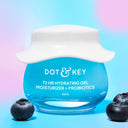
What is Panthenol? Benefits, Uses, and How it Works for Skin
 10 Jun 2026

Ever noticed the word panthenol on the back of your moisturizer, serum, or soothing cream and wondered what it actually does? You're not alone. While ingredients like hyaluronic acid and niacinamide often steal the spotlight, panthenol is one of skincare's most underrated multitaskers.
Think of it as a comfort blanket for stressed-out skin. Whether your face feels tight after cleansing, looks flaky during seasonal changes, or becomes irritated from overusing active ingredients, panthenol steps in to help restore balance. It attracts and retains moisture, supports your skin barrier, and helps calm visible signs of irritation—all without feeling heavy or greasy.
What makes panthenol especially impressive is its versatility. It works well for virtually every skin type, including dry, oily, sensitive, and acne-prone skin. That's why you'll find it everywhere—from everyday moisturizers and barrier-repair creams to baby-care products and post-treatment skincare.
In this guide, we'll break down exactly what panthenol is, how it works beneath the skin's surface, the benefits it offers, and why dermatologists have trusted this ingredient for decades. By the end, you'll understand why this quiet skincare hero deserves a place in so many routines.
What Exactly Is Panthenol?
Panthenol is the alcohol form of vitamin B5. Vitamin B5 is also called pantothenic acid. Your body needs pantothenic acid to make coenzyme A. Coenzyme A is a helper molecule that fuels many processes inside your cells. When you put panthenol on your skin, it goes through a quick change. Skin enzymes turn it into pantothenic acid. Then it gets to work.
In skincare, panthenol acts mainly as a humectant. A humectant grabs water from the air and from deeper skin layers. It holds that water in the outer layer of your skin, the stratum corneum. This makes your skin feel instantly softer and look plumper.
But panthenol does more than simple moisture binding. Research shows it can support the cells that build new tissue. It helps fibroblasts, which are cells that make collagen, do their job better. It also calms the release of inflammatory signals. This dual action—moisture plus repair—makes panthenol a unique ingredient. It is not just a short-term fix. It helps your skin get stronger over time.
Key points about how panthenol works:
-
It binds water and reduces transepidermal water loss (TEWL).
-
It penetrates into the skin and gets converted into active vitamin B5.
-
It feeds the processes that build lipids and proteins in the skin barrier.
-
It soothes irritation by calming pro-inflammatory messengers.
-
It speeds up the closure of small cracks and wounds in the skin surface.
Why Your Skin Barrier Loves Panthenol
Think of your skin barrier as a brick wall. The skin cells are bricks. The mortar that holds them together is made of lipids. When the mortar gets weak, water escapes. Irritants get in. Your skin becomes dry, red, itchy, and reactive. Panthenol helps on both sides of that wall.
First, it draws water into the bricks, keeping them hydrated. Second, it helps produce more lipids, reinforcing the mortar. This barrier-first approach is why panthenol shows up in so many products for eczema, diaper rash, and after-sun care. It does not just cover up the problem. It helps fix the underlying weakness.
You can notice the difference quickly. If your face feels tight after washing, a product with panthenol can replace that tight feeling with a comfortable, cushiony softness. Over days and weeks, your skin becomes more resilient. It does not react as strongly to cold wind or to new products.
Top Skin Benefits of Panthenol
-
Deep, lasting hydration: It pulls moisture in and slows down how fast it escapes. Your skin stays hydrated longer than with some other humectants alone.
-
Redness and irritation relief: Panthenol dampens the skin’s inflammatory response. This helps calm sunburn, windburn, and post-procedure redness.
-
Healing support: Small cuts, cracks, and even acne spots heal faster when panthenol is part of the routine. It supports the migration of new skin cells.
-
Improved barrier function: Regular use strengthens the lipid barrier. This means fewer flare-ups of dry, itchy skin.
-
Soft, smooth texture: Hydrated, well-repaired skin reflects light better. It feels smoother to the touch and looks more even.
-
Compatibility with sensitive skin: Panthenol is one of the safest ingredients. It rarely causes stinging or breakouts, even for people with reactive skin.
Panthenol vs. Other Humectants: A Quick Comparison
You have likely heard about glycerin and hyaluronic acid. They are popular humectants. How does panthenol stack up? The table below breaks it down so you can decide what fits your needs.
|
Feature |
Panthenol (Pro-Vitamin B5) |
Glycerin |
Hyaluronic Acid |
|
Type |
Provitamin humectant with repair benefits |
Simple sugar alcohol humectant |
Large polysaccharide humectant |
|
Main Mechanism |
Draws water in, then converts to active B5 to aid repair |
Draws water in and holds it on the skin surface |
Binds up to 1,000 times its weight in water |
|
Key Benefit Beyond Hydration |
Soothes inflammation and speeds wound healing |
Very effective immediate moisturization |
Intense plumping effect, multiple molecular sizes |
|
Skin Barrier Support |
Strong; helps build lipids and proteins |
Moderate; mostly surface hydration |
Minimal barrier-building on its own |
|
Wound Healing Properties |
Proven to accelerate skin cell renewal |
Not significant |
Not significant |
|
Best For |
Sensitive, damaged, or irritated skin |
All skin types; basic everyday moisture |
Dehydrated skin that needs instant plumping |
|
Potential Downsides |
Very few; well-tolerated even at high concentrations |
Can feel sticky if used alone |
May draw moisture out of skin in very dry air |
If your main goal is to calm angry skin and help it heal, panthenol has an edge. If you need fast, visible plumping and your barrier is healthy, hyaluronic acid works well. Glycerin is an excellent basic humectant found in almost everything. Many well-formulated products combine two or even all three, and that is safe. Use this table to read your labels with purpose.
How to Use Panthenol in Your Skincare Routine
Using panthenol is simple. You do not need a separate 10-step routine. Panthenol is already inside many products you might own: moisturizers, serums, toners, and even cleansers.
Step-by-Step Layering Guide
-
Cleanse gently. Choose a cleanser that does not strip your skin. If your cleanser already contains panthenol, you get a head start.
-
Apply a panthenol serum or essence. Serums with 1%–5% panthenol absorb fast. Pat a few drops onto damp skin. This locks in water right away.
-
Seal with a moisturizer. Use a cream or lotion that lists panthenol among the first few ingredients. Massage it in until it disappears.
-
Use as a spot healer. For extra-dry patches, cracked lips, or small burns, you can apply a balm with a higher panthenol concentration. Layer it on top of your regular care.
-
Day and night use. Panthenol is not sun-sensitizing. You can use it in the morning under sunscreen and again at night.
Concentration Clues
You do not need to guess concentration. Most leave-on products use 0.5% to 5%. Here is what to expect:
-
0.5%–1%: Adds basic hydration, works well in toners and light lotions.
-
1%–2%: Noticeable soothing and barrier support. Ideal for sensitive skin.
-
3%–5%: Stronger healing and recovery. Often used in after-sun gels and barrier repair creams.
-
Higher than 5%: Found in therapeutic ointments for cracked skin and post-procedure care.
Start low. Your skin will tell you what it likes. Panthenol rarely causes issues, but more is not always needed.
Who Should Use Panthenol?
Target Audience: People seeking gentle, effective hydration and repair. The person searching this topic likely has dry, sensitive, reactive, or redness-prone skin. They may be a parent looking for an ingredient safe for a child’s eczema. They might be someone who has tried strong actives and now needs to rebuild their barrier. They could be a skincare beginner who wants one trustworthy ingredient that does not sting.
Skin types that benefit most:
-
Dry and very dry skin
-
Sensitive and easily irritated skin
-
Eczema and atopic dermatitis
-
Skin healing from sunburn, windburn, or laser treatments
-
Acne-prone skin using drying treatments
Who might skip or use with caution?
Almost no one needs to avoid panthenol. It is well tolerated. But if you have perfectly balanced, non-reactive skin that easily clogs, pay attention to the overall formula, not the panthenol itself. Panthenol is not comedogenic. However, the vehicle—like a heavy balm—might feel too rich if you are very oily. In that case, choose a lightweight gel or serum with panthenol instead.
Does Panthenol Tighten or Firm Skin?
One question that often pops up in search is whether panthenol tightens loose skin. The honest answer needs nuance. Panthenol is not a muscle contractor. It does not physically lift sagging tissue the way a cosmetic tape might. But it can make skin look firmer and feel tighter in two meaningful ways.
First, panthenol fills the skin with water. Dehydrated skin looks deflated and fine lines appear deeper. When panthenol brings moisture in, the skin swells slightly. This plumping effect reduces the look of fine lines and makes skin feel smoother and tighter to the touch. This effect is temporary but real.
Second, panthenol supports the long-term health of the skin structure. Healthy barrier function means the skin retains more water on its own. Over weeks, skin looks bouncier and more resilient. The wound-healing properties also help maintain an even, intact surface. While no ingredient applied topically can dramatically lift sagging caused by fat loss and gravity, panthenol helps you keep what you have in better shape. Think of it as maintenance, not a facelift.
If your goal is to improve skin tone and reduce the tired, lax look that comes from dryness and damage, panthenol is an excellent tool. For more significant tightening, you would need to look at lifestyle, sun protection, and dermatological procedures. But panthenol will never sabotage that work. It will support it.
Safety, Side Effects, and Allergies
Panthenol has an excellent safety record. It is on the ingredient lists of products meant for newborns. Allergic reactions to panthenol are extremely rare. Most people can apply it multiple times a day without any stinging, even on broken skin.
If you have a known allergy to vitamin B5 supplements, check with a doctor. But topical panthenol allergy is so uncommon that it is hardly a concern. As with any product, do a patch test if you are extremely reactive. Apply a small amount behind your ear or on your inner arm. Wait 24 hours. If there is no redness, you are safe.
Panthenol is not a hormone disrupter. It is not linked to long-term health risks. It does not make skin more sensitive to the sun. In fact, it can help skin recover from sun exposure faster. You can use it during pregnancy and while nursing. It is one of the most unproblematic skincare ingredients available.
Summary: Key Takeaways
-
Panthenol is pro-vitamin B5. It turns into pantothenic acid in your skin.
-
It works as a humectant that binds water while also speeding up skin repair.
-
It soothes redness, itching, and irritation by calming inflammatory signals.
-
It strengthens the skin barrier over time, making skin less reactive.
-
You can find it in concentrations from 0.5% to 5% in leave-on products.
-
Panthenol is safe for sensitive skin, eczema, and even babies.
-
It does not tighten loose skin permanently, but it plumps and supports barrier integrity for a firmer look.
-
Compare it with glycerin (basic hydration) and hyaluronic acid (intense plumping) to choose what matches your needs.
-
Use it morning and night, under moisturizer, or in a healing balm for problem areas.
-
Always check the full formula. Panthenol fits best in a routine free of harsh irritants.
Give Your Skin the Care It Deserves
You now know panthenol inside and out. It is not magic, but it is science you can trust. When your skin feels raw, tight, or fed up, panthenol steps in without drama. It does its job quietly and well.
Next time you scan an ingredient list, look for panthenol. Think about what your skin needs. Is it simple, no-sting moisture? Is it help healing after a rough patch? Is it a gentle partner for your stronger serums? Panthenol can do all of that.
Start with one product that lists panthenol in the first few ingredients. Pay attention to how your skin feels after three days and after three weeks. Let the results guide you. Your skin knows what works. Now you have the knowledge to listen.
Frequently Asked Questions
What does panthenol do for your skin?
Panthenol deeply hydrates skin, calms redness and irritation, strengthens the moisture barrier, and speeds up the healing of small wounds.
Is panthenol safe for sensitive skin and eczema?
Yes, panthenol is one of the safest ingredients for sensitive, eczema-prone, and even baby skin because it rarely stings or causes allergic reactions.
Can panthenol clog pores or cause acne?
No, panthenol is non-comedogenic and does not clog pores. It can actually help heal acne spots and reduce irritation from drying treatments.
How much panthenol is effective in skincare?
Studies and dermatological experience show that even 0.5% panthenol can improve hydration, with 1%–5% delivering stronger repair and soothing benefits.
Does panthenol help with skin firmness or wrinkles?
Panthenol plumps the skin by drawing in moisture, which temporarily reduces the look of fine lines. It supports long-term barrier health but does not structurally lift sagging skin.
Can I use panthenol with retinol, acids, or vitamin C?
Yes, panthenol is an excellent partner to strong active ingredients. It helps offset dryness and irritation without interfering with the actives’ work.
What is the difference between panthenol and dexpanthenol
Dexpanthenol is the biologically active form used in many therapeutic products. Panthenol and dexpanthenol work the same way once they enter the skin.