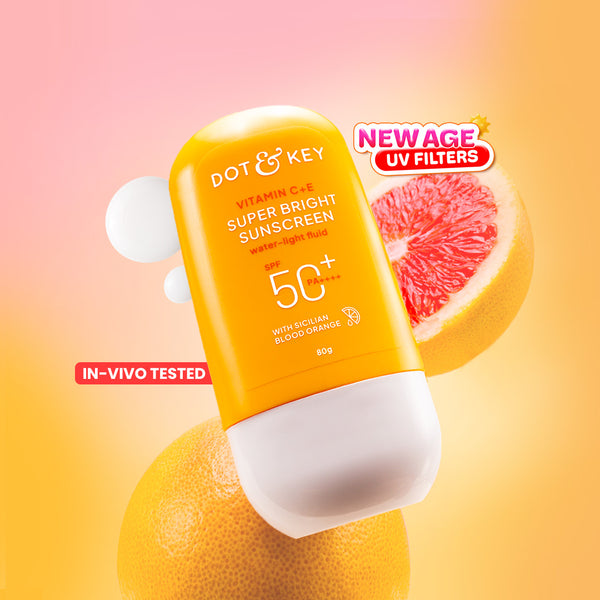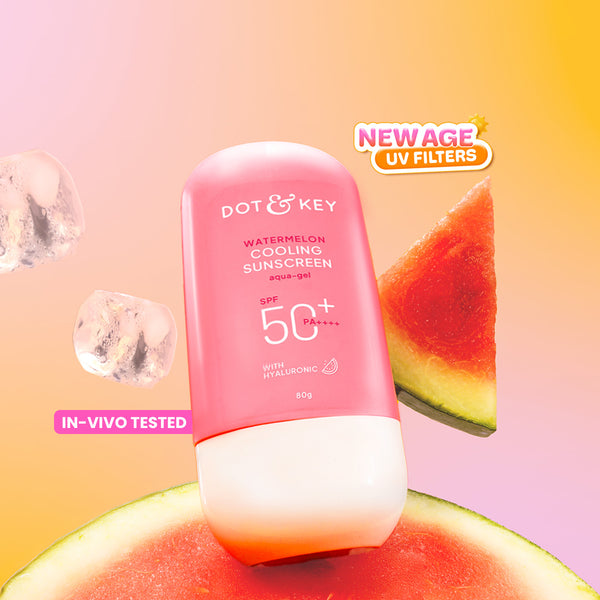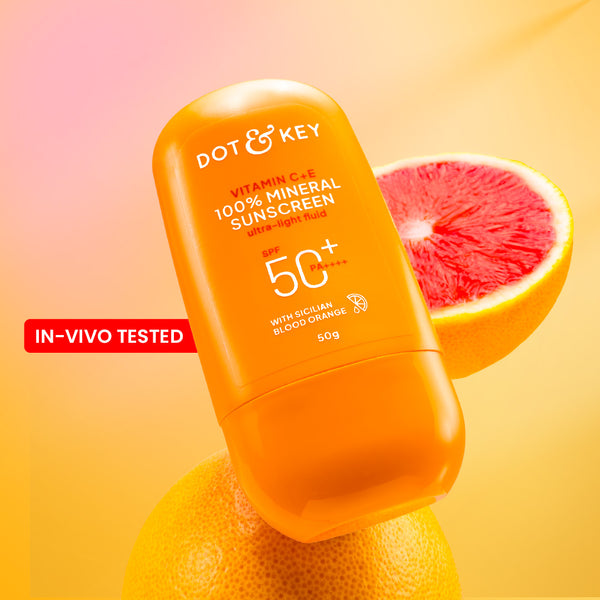







How to Identify a Genuinely In-Vivo Tested Sunscreen in India

Choosing the right sunscreen can feel overwhelming, especially in a market filled with bold SPF claims and technical terms. In India, where sun exposure is intense and consistent throughout the year, reliable sun protection is not optional—it is essential for maintaining healthy, resilient skin.
With evolving regulatory standards and greater awareness around sunscreen testing, more attention is now being placed on whether products truly deliver the protection they promise. This is where in-vivo testing becomes important.
In-vivo sunscreen testing measures SPF performance on real human skin under controlled conditions, offering a more accurate reflection of how a sunscreen behaves when applied in everyday life. Compared to lab-only methods, it provides a higher level of reliability and accountability.
This guide breaks down how to identify a genuinely in-vivo tested sunscreen in India—clearly, practically, and without unnecessary jargon. From understanding label claims to knowing what certifications and disclosures to look for, the goal is to help you make informed, confident choices when shopping for sun protection.
Knowing how your sunscreen is tested can make a meaningful difference—not just to how it feels on your skin, but to how well it protects it, day after day.
The Basics of In-Vivo Sunscreen Testing
Before we get into the nitty-gritty of identification, let's refresh on what in-vivo testing entails. This method evaluates sunscreens directly on volunteers' skin, exposing treated areas to simulated sunlight and measuring the time it takes for redness to appear compared to unprotected skin. It's like a real-life trial run, accounting for factors such as skin texture, sweat, and how the product spreads unevenly, which lab-only tests might miss.
In contrast, other methods might use artificial surfaces, but in-vivo provides that human element, making it more trustworthy for everyday use. Dermatologists often recommend it because it correlates better with actual protection against UVB rays, which cause sunburn, and can extend to UVA assessment for broader defence against ageing and damage.
Why does this matter in India? Our diverse climates, from humid coasts to dry interiors, mean sunscreens need to perform under varied conditions. Plus, with skin tones ranging widely, testing on real people helps ensure inclusivity. Think of it as tailoring a garment: measurements on a mannequin are helpful, but a fitting on the person ensures it works perfectly.
Indian Regulations Governing Sunscreen Testing
India's approach to sunscreen regulation has seen significant progress recently, aligning more closely with global best practices. Sunscreens fall under the category of cosmetics, overseen by the Central Drugs Standard Control Organisation (CDSCO) under the Drugs and Cosmetics Act, 1940. This means all sunscreens must be registered with CDSCO, and manufacturers need to obtain a licence to sell them.
A pivotal development came in 2025 when the Bureau of Indian Standards (BIS) introduced IS 17494:2025, a standard specifically for in-vivo determination of the Sun Protection Factor (SPF). This standard adopts the ISO 24444 method, which is an internationally recognised protocol for in-vivo SPF testing. For UVA protection, it often pairs with ISO 24442, another in-vivo approach.
What does this mean for you? As of late 2025, with mandates kicking in around early 2026, sunscreen claims for SPF must be backed by this standardised in-vivo testing to remain compliant. This shift aims to eliminate discrepancies where products might overstate their protection based on less rigorous methods. Previously, testing wasn't uniformly enforced, leading to variability, but now, it's about transparency and accuracy.
For imported sunscreens, additional rules apply: they must be registered via an authorised Indian agent, ensuring they meet local standards. This regulatory framework supports consumer safety, but it's up to us to check compliance when selecting products.
Key Labels and Certifications to Look For
When you're in the store or browsing online, the packaging holds clues. Here's what to scan for to confirm in-vivo testing:
-
BIS Mark or IS 17494 Compliance: Look for the BIS certification symbol, a small logo indicating the product meets Indian standards. Specifically, mention of IS 17494 signals adherence to the in-vivo SPF testing protocol. It's like a quality seal, voluntary in some cases but increasingly expected for credibility.
-
ISO 24444 Reference: Many labels or product descriptions will state "Tested as per ISO 24444" or similar. This directly points to in-vivo methods, as this ISO standard requires human testing for SPF. For UVA, watch for ISO 24442.
-
CDSCO Licence Number: Every legitimate sunscreen should display a manufacturing or import licence number prefixed with 'M' or 'COS', issued by CDSCO. This confirms regulatory approval, though it doesn't always specify testing type, so pair it with BIS info.
-
Broad-Spectrum Claim: Genuine in-vivo tested products often highlight broad-spectrum protection, verified through combined UVB and UVA tests. Avoid vague claims; look for evidence-based labelling.
Batch and Expiry Details: These are basics, but they indicate a regulated product. A missing or suspicious batch number could be a red flag.
Practical Steps to Verify a Sunscreen's Testing
Identifying isn't just about labels; it's about due diligence. Here are actionable steps:
-
Read the Fine Print: Examine the back of the pack for testing method details. If it says "clinically tested on human skin", “in-vivo tested” or references in-vivo, that's promising.
-
Check Manufacturer Websites: Reputable makers often provide certificates or test reports online. Search for the product's SPF validation documents.
-
Use Government Resources: Visit the CDSCO website to verify licence numbers or the BIS portal for standard compliance. It's a quick online check.
-
Consult Apps or Databases: Some skincare apps allow scanning barcodes to reveal regulatory info, though always confirm with official sources.
Seek Professional Advice: Chat with a dermatologist; they can guide based on experience with tested formulations.
Common Pitfalls and Red Flags to Avoid
No journey is without hurdles, so let's address potential missteps. One common issue is confusing in-vitro with in-vivo; the former is lab-based and useful but not as definitive for final claims. If a product only mentions "lab-tested," dig deeper.
Watch for exaggerated SPF numbers without backing; genuine in-vivo often results in conservative, accurate figures. Counterfeits are another concern in India to check for spelling errors, poor packaging, or unrealistically low prices.
A Balanced Perspective on Sunscreen Selection
While in-vivo testing is ideal, it's not the only factor. Some products might use hybrid methods effectively, and emerging tech could refine testing further. The new regulations are a positive step, but transition periods mean not all shelves are updated yet.
Balance by considering your skin type: oily skins might prefer gels, dry ones creams, all while ensuring tested protection. It's encouraging to see India advancing, fostering trust and innovation in skincare.
Conclusion
Navigating sunscreens in India just got clearer with these insights into identifying in-vivo tested options. By focusing on regulations, labels, and verification steps, you can choose products that truly safeguard your skin. Remember, consistent application is as crucial as the testing behind it embraces this knowledge as a tool for healthier, happier skin.
Key Takeaways
-
Prioritise sunscreens compliant with BIS IS 17494 and ISO 24444 for confirmed in-vivo SPF testing.
-
Always check for CDSCO licence numbers to ensure regulatory approval.
-
Use practical checks like website verification and professional advice to confirm authenticity.
-
Avoid red flags such as vague claims or suspicious packaging.
-
Integrate sunscreen into a holistic sun protection strategy for optimal results.
FAQs
What is the significance of IS 17494 in Indian sunscreens?
IS 17494 is the BIS standard introduced in 2025 that mandates in-vivo testing for SPF claims, aligning with global ISO methods to ensure accurate protection levels.
How do I verify a sunscreen's CDSCO registration?
Look for the licence number on the label, then search it on the CDSCO website or portal to confirm it's valid and matches the product details.
Can I trust sunscreens without explicit in-vivo mentions?
It's best to seek those with clear references to ISO 24444 or BIS compliance, as they provide evidence of rigorous testing; otherwise, consult a dermatologist.
What if my favourite sunscreen isn't updated to the new standards yet?
Continue using it if it suits your skin, but watch for updates post-2026 mandates; transitioning to compliant options can offer added assurance.
Are imported sunscreens held to the same in-vivo standards in India?
Yes, they must be registered with CDSCO and comply with BIS testing requirements, so check for local import licences and ISO certifications.