




Does Glycolic Acid Remove Tan? Expert Guide

If you’ve ever come back from a sunny holiday or a long day outdoors with skin that looks a shade (or two) darker than usual, you’re not alone. Uneven tone, post-sun dullness, and that stubborn “tan hangover” are some of the most common skin concerns—especially after peak sun exposure. Naturally, the hunt begins for ingredients that promise to bring your glow back.
One ingredient that often tops this list is glycolic acid. But let’s clear the air: does glycolic acid actually remove tan, or is that a skincare myth dressed up as a miracle fix?
Here’s the honest, science-backed truth. This guide breaks down how tanning really happens, what glycolic acid does (and doesn’t do) for your skin, and the kind of results you can realistically expect. No exaggerated promises, no quick-fix myths—just clear answers to help you make smarter skincare choices.
What Is Glycolic Acid?
Glycolic acid is a type of alpha-hydroxy acid (AHA), derived naturally from sugar cane. It is one of the smallest AHAs, which means it can penetrate the skin more easily than larger molecules. In skincare, it is prized for its exfoliating properties. Essentially, it works by loosening the bonds between dead skin cells on the surface, allowing them to slough off more readily.
You might encounter glycolic acid in various concentrations, typically ranging from 5% to 30% in over-the-counter formulations. Lower concentrations are gentler for daily use, while higher ones are often reserved for professional treatments like chemical peels. It is important to note that glycolic acid is not a miracle worker; it supports skin renewal but requires consistent, careful application.
From a scientific standpoint, glycolic acid has been studied for its effects on skin texture and appearance. It promotes collagen production over time, which can lead to smoother, more resilient skin. However, its role in addressing pigmentation, including tan, is more nuanced, as we will see.
Understanding Skin Tanning
Before we address whether glycolic acid can remove tan, it helps to understand what a tan actually is. Tanning occurs when your skin is exposed to ultraviolet (UV) rays from the sun or artificial sources. This exposure triggers melanocytes, specialised cells in the epidermis (the outer layer of skin), to produce more melanin. Melanin is the pigment that gives skin its colour and acts as a natural defence against further UV damage.
A tan is essentially your skin's way of protecting itself, but it is not without consequences. While it might look appealing, tanning indicates underlying damage that can accelerate ageing and increase the risk of skin issues. There are two main types of UV rays involved:
-
UVB rays: These cause sunburn and immediate tanning.
-
UVA rays: These penetrate deeper, contributing to long-term damage and delayed tanning.
Tan usually fades naturally as the skin renews itself every 28 to 30 days, shedding those melanin-laden cells. However, factors like skin type, sun exposure intensity, and age can influence how quickly this happens. For fairer skin tones, tan might linger less, while deeper tones may experience more persistent pigmentation changes.
In essence, removing a tan involves accelerating this natural exfoliation process or preventing further melanin production. This is where ingredients like glycolic acid come into play, but as we will explore, it is not a straightforward solution.
How Glycolic Acid Works on the Skin
Glycolic acid primarily functions as a chemical exfoliant. Unlike physical scrubs that use granules to buff away dead skin, it dissolves the "glue" holding cells together in the stratum corneum the outermost skin layer. This leads to faster cell turnover, where new, healthier cells replace the old ones.
Here is a simplified breakdown of its actions:
-
Exfoliation: It removes dead cells, revealing brighter skin underneath.
-
Hydration boost: By improving skin barrier function, it can help retain moisture.
-
Collagen stimulation: Over time, it encourages the production of collagen, reducing fine lines.
-
Pigmentation reduction: It can help fade uneven tones by sloughing off pigmented cells.
Regarding tan specifically, the tan resides in those upper layers of dead skin cells. By promoting exfoliation, glycolic acid can theoretically speed up the fading process. Think of it like gently sanding down a layer of paint to reveal the original surface beneath. However, this is gradual; you will not see overnight results.
It is worth comparing glycolic acid to other AHAs, like lactic acid, which is milder and better for sensitive skin. Glycolic acid's smaller size makes it more potent, but also potentially more irritating.
Does Glycolic Acid Remove Tan?
The short answer is yes, it can help fade a tan, but it is not a direct or instant remover. Let us look at the evidence.
Research shows that glycolic acid accelerates skin cell turnover, which can lead to the shedding of tanned cells more quickly than natural processes alone. For instance, regular use might bring forward fresher, less pigmented skin, effectively diminishing the appearance of tan over weeks. This is particularly useful for superficial tans from brief sun exposure.
However, studies also highlight limitations. One investigation found that short-term application of glycolic acid had no significant effect on pre-existing light-induced pigmentation after three weeks. This suggests it may not tackle deeply embedded pigmentation as effectively. Moreover, glycolic acid can increase skin's sensitivity to UV rays, potentially leading to more tanning if sun protection is neglected.
In a balanced view, consider this analogy: if your tan is like a temporary stain on fabric, glycolic acid acts as a gentle wash that fades it over multiple cycles. But if you keep exposing the fabric to the stain source without protection, the problem persists or worsens. User experiences, such as those shared in online forums, often report gradual fading when combined with sunscreen.
Overall, evidence supports its role in tan fading through exfoliation, but results vary by skin type, tan depth, and consistency of use. It is more about supporting natural recovery than erasing tan outright.
Benefits of Glycolic Acid Beyond Tan Removal
While tan removal might be your primary interest, glycolic acid offers broader benefits that make it a valuable addition to skincare routines. For skincare-conscious individuals, these perks can enhance overall skin health.
-
Even skin tone: It addresses not just tan but also hyperpigmentation from acne or sun spots.
-
Improved texture: Regular use can smooth rough patches, making skin feel softer.
-
Acne management: By unclogging pores, it helps prevent breakouts.
-
Anti-ageing effects: Boosting collagen can reduce the appearance of fine lines.
In my experience, patients who incorporate it thoughtfully often notice a healthier glow. For example, someone with a summer tan might find their skin looks more uniform after a month of use, alongside other healthy habits like hydration and sun avoidance.
Potential Side Effects and Precautions
No skincare ingredient is without risks, and glycolic acid is no exception. Its exfoliating nature can sometimes lead to irritation, especially for beginners or those with sensitive skin.
Common side effects include:
-
Redness or stinging upon application.
-
Dryness or flaking as dead cells shed.
-
Increased sun sensitivity, raising the risk of sunburn or further tanning.
To minimise these, start low and slow. Begin with a 5-10% concentration, applying it 2-3 times a week in the evening. Always follow with a moisturiser to support the skin barrier. Crucially, use a broad-spectrum sunscreen daily, even on cloudy days, as glycolic acid thins the outer layer, making skin more vulnerable to UV.
If you have conditions like eczema or rosacea, consult a dermatologist first. Patch testing applying a small amount to your inner arm for a few days is a smart step to check for reactions.
How to Incorporate Glycolic Acid into Your Routine
Ready to try it? Here is a practical guide to using glycolic acid safely for potential tan fading.
-
Cleanse: Start with a gentle cleanser to remove dirt.
-
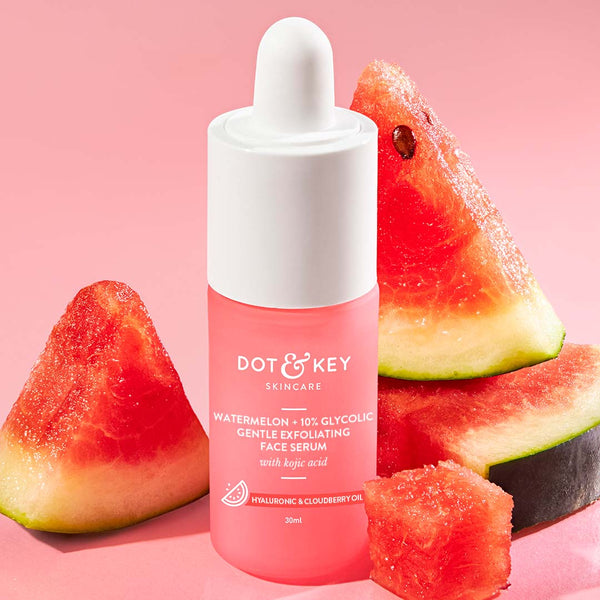
Apply glycolic acid: Use a toner or serum; pat it on and let it absorb.
-
Moisturise: Lock in hydration with a non-comedogenic cream.
-
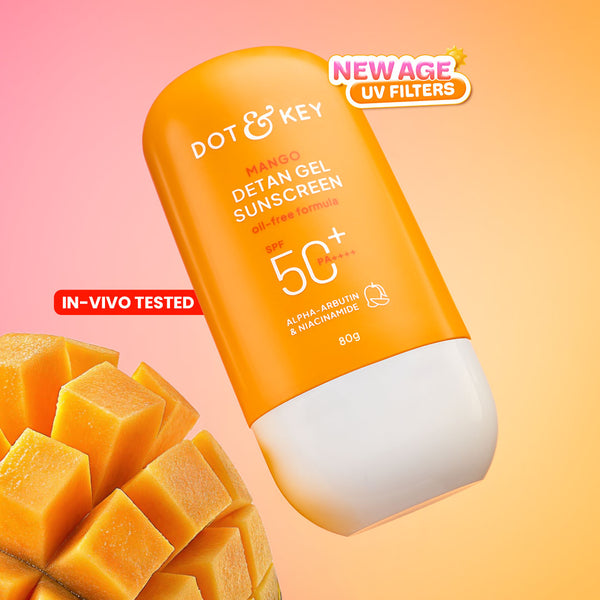
Sun protection: In the morning, apply sunscreen liberally.
For best results, consistency is key. You might see subtle changes in 2-4 weeks, with more noticeable fading after 6-8 weeks. Combine it with other supportive practices, like wearing protective clothing or seeking shade during peak sun hours.
Remember, patience is essential. Skin renewal takes time, and rushing with higher concentrations could lead to setbacks.
Alternatives to Glycolic Acid for Tan Removal
If glycolic acid does not suit you, there are other options grounded in science.
-
Lactic acid: A milder AHA that exfoliates gently while hydrating.
-
Vitamin C: An antioxidant that can inhibit melanin production, helping prevent and fade tan.
-
Natural exfoliants: Ingredients like papaya enzymes offer enzymatic exfoliation without acidity.
-
Professional treatments: Options like microdermabrasion can provide quicker results under expert supervision.
Each has its pros and cons; for instance, vitamin C is less irritating but may take longer to show effects. Always prioritise sun protection, as it is the cornerstone of preventing tan in the first place.
Conclusion
In summary, glycolic acid can indeed help remove or fade a tan by accelerating exfoliation and cell turnover, revealing your natural skin tone underneath. However, it is not an instant solution and works best as part of a holistic approach that includes rigorous sun protection. The evidence points to its effectiveness for superficial pigmentation, but with the caveat of increased UV sensitivity. By understanding your skin's needs and using it mindfully, you can achieve healthier, more even-toned skin. Remember, skincare is a journey, and listening to your skin is key to success.
Key Takeaways
-
Glycolic acid aids tan fading through chemical exfoliation, but results are gradual.
-
Always pair it with sunscreen to avoid worsening sun sensitivity.
-
Start with low concentrations and patch test to prevent irritation.
-
It offers additional benefits like improved texture and reduced hyperpigmentation.
-
Consider alternatives if your skin is sensitive, and consult a professional for personalised advice.
FAQs
1. How long does it take for glycolic acid to fade a tan?
It typically takes 4-6 weeks of consistent use to notice fading, as it depends on your skin's natural renewal cycle and the tan's depth.
2. Can I use glycolic acid every day to remove tan faster?
No, start with 2-3 times a week to avoid irritation. Daily use is better for experienced users with tolerant skin.
3. Is glycolic acid safe for all skin types when trying to remove tan?
It is generally safe but may irritate sensitive or dry skin. Those with darker tones should be cautious, as it could lead to uneven pigmentation if overused.
4. What should I do if glycolic acid causes redness while using it for tan removal?
Reduce frequency, apply a soothing moisturiser, and stop if irritation persists. Consult a dermatologist for tailored advice.
5. Can glycolic acid prevent tan from forming in the first place?
It does not prevent tan but can make skin more sensitive to sun, so it is crucial to use sunscreen to avoid new tan development.