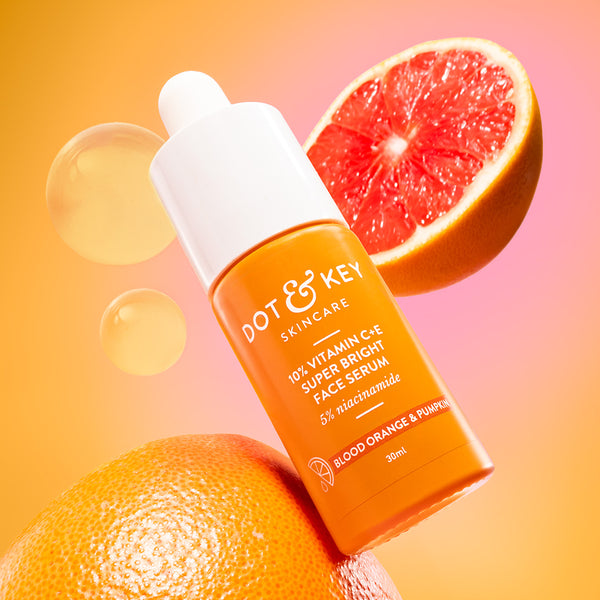







When to Use Vitamin C Serum: Day or Night?

Vitamin C serum is one of those skincare staples everyone talks about—but when it comes to using it, confusion still creeps in. Morning or night? Before sunscreen or after moisturiser? And does timing really make a difference?
The short answer: vitamin C works well both during the day and at night. But if you’re picking just one moment, mornings usually get the green light. That’s because vitamin C acts like an antioxidant shield, helping your skin fight daily stressors like UV exposure, pollution, and free radical damage—especially when layered under sunscreen.
That said, using vitamin C at night has its own benefits too. While you sleep, your skin goes into repair mode, and vitamin C can support collagen production and help fade dullness over time. Some people even use it twice a day for faster, more visible results.
If you’ve ever wondered how to get the most out of your vitamin C serum (or whether you’re using it the right way), you’re in the right place. Let’s break it down simply—what vitamin C does, when to apply it, and how to make it work best for your skin type and routine.
What Is Vitamin C Serum and How Does It Work?
Vitamin C serum is a lightweight, glow-boosting skincare essential powered by concentrated vitamin C—most commonly L-ascorbic acid or gentler, more stable derivatives. Unlike the vitamin C you get from your diet, this one gets straight to work on your skin, targeting dullness, uneven tone, and early signs of ageing.
At its core, vitamin C is a powerful antioxidant. Translation? It helps defend your skin against daily damage caused by sun exposure, pollution, and stress. These everyday aggressors create free radicals that can leave skin looking tired, uneven, and less firm over time. Vitamin C helps neutralise them, keeping your skin healthier and more resilient.
But protection is just the beginning. Vitamin C also supports collagen production—the protein that keeps skin looking plump, smooth, and bouncy. As collagen naturally declines with age, skin can start to lose its firmness. With regular use, vitamin C helps back your skin’s natural collagen-making process, softening the appearance of fine lines over time.
And then there’s the glow factor. Vitamin C helps slow down excess melanin production (the pigment behind dark spots), which means brighter, more even-toned skin with consistent use. Think fewer dull days, more lit-from-within radiance.
Not all vitamin C serums feel the same, though. Pure L-ascorbic acid is highly effective but can be unstable and a bit strong for sensitive skin. That’s why many modern formulas use stable vitamin C derivatives—they deliver similar brightening and antioxidant benefits while being gentler and longer-lasting.
Bottom line? Vitamin C serum is one of those quiet overachievers in your routine—protecting, brightening, and strengthening your skin every single day, without making a fuss.
The Benefits of Using Vitamin C Serum
Incorporating vitamin C serum into your routine can yield impressive results, backed by dermatological research. Here's a breakdown of its key advantages:
-
Antioxidant Protection: It shields skin from daily aggressors. For instance, when applied in the morning, it works synergistically with sunscreen to combat UV-induced damage, reducing the risk of photoageing.
-
Brightening and Even Tone: By curbing excess melanin, it helps diminish hyperpigmentation, acne scars, and sun spots, leading to a more radiant complexion. Users often notice improvements in as little as three to four weeks.
-
Anti-Ageing Effects: Boosting collagen helps smooth fine lines and wrinkles, while improving skin texture for a youthful glow.
-
Hydration and Barrier Support: Some formulations include hydrating ingredients, aiding the skin's moisture barrier and reducing dryness.
-
Reduction in Inflammation: Its anti-inflammatory properties can calm redness, making it beneficial for conditions like acne or rosacea when used appropriately.
Clinical trials support these claims; for example, topical vitamin C has been shown to improve the appearance of wrinkles and pigmentation in photoaged skin. Full benefits typically emerge after consistent use over three to six months, so patience is key.
When to Apply Vitamin C Serum: Morning, Night, or Both?
The debate on timing boils down to your skin's needs and the serum's role in protection versus repair.
Morning Application: This is the preferred time for many experts because vitamin C's antioxidant properties help neutralise free radicals encountered during the day. Apply after cleansing, on dry skin, followed by moisturiser and broad-spectrum sunscreen (SPF 30+). This combo enhances UV defence without replacing sunscreen.
Night Application: Evening use supports the skin's natural repair cycle. While asleep, your skin regenerates, and vitamin C can aid collagen production and fade pigmentation overnight. It's ideal if your daytime routine is packed or if you prefer actives like retinol in the evening.
Both Times: For maximum efficacy, use it twice daily. Morning for protection, night for recovery—studies indicate this amplifies benefits like brightening and firmness. Start slowly to build tolerance.
Factors influencing choice include your lifestyle (e.g., more outdoor time warrants morning use) and serum stability. Stable derivatives perform well anytime, while pure ascorbic acid might fare better at night to avoid light exposure.
|
Time of Day |
Key Benefits |
Considerations |
|
Morning |
Protection from UV and pollution; synergises with sunscreen |
Ensure stable formula; follow with SPF |
|
Night |
Supports repair and collagen boost |
Avoid mixing with irritating actives |
|
Both |
Comprehensive coverage for brighter, firmer skin |
Monitor for irritation; start with once daily |
Who Should Use Vitamin C Serum?
Vitamin C serum suits a wide range of people, particularly those addressing specific concerns.
-
Ageing Skin: Ideal for anyone over 25 noticing fine lines or loss of firmness, as it promotes collagen.
-
Hyperpigmentation Sufferers: Great for fading dark spots from sun exposure, acne, or melasma.
-
Dull or Uneven Complexion: If your skin lacks radiance, it can brighten and even tone.
-
Preventive Care: Young adults using it prophylactically to ward off environmental damage.
Most skin types tolerate it well, including oily, combination, and dry. For acne-prone skin, it can reduce inflammation without clogging pores if non-comedogenic. Beginners should start with lower concentrations (10-15%) to assess compatibility.
Who Should Be Cautious or Avoid It?
While broadly safe, certain individuals should proceed with care.
-
Sensitive Skin: High-potency serums may cause stinging; opt for gentler derivatives and patch test.
-
Eczema or Rosacea: It might exacerbate flare-ups; consult a dermatologist first.
-
Active Breakouts or Wounds: Avoid on breakout prone skin to prevent irritation.
-
Allergies: If allergic to ascorbic acid, steer clear.
Pregnant or breastfeeding individuals can generally use it, but check with a healthcare provider. If combined with prescribed treatments, professional guidance is essential.
Practical Tips for Incorporating Vitamin C Serum into Your Routine
Getting started is straightforward—here's how to integrate it seamlessly.
- Choose the Right Formula: Select based on your skin type. Sensitive? Go for derivatives. Oily? Lightweight serums.
- Application Order: Morning: Cleanser > Toner > Vitamin C Serum> Moisturiser > Sunscreen. Night: Cleanser > Toner > Vitamin C Serum> Moisturiser.
- Dosage: 2-3 drops for the face and neck; massage gently until absorbed.
- Frequency: Begin 3-4 times weekly, increasing to daily.
- Storage: Keep in a dark, cool spot; refrigerate if needed to prevent oxidation.
- Pairing: Combine with vitamin E or hyaluronic acid for enhanced effects; avoid high concentration of niacinamide if it causes flushing (though usually fine).
For a sample routine:
-
Basic Morning: Cleanse, apply vitamin C, moisturise, SPF.
-
Evening Add-On: After vitamin C, layer a hydrating serum if dry.
Consistency is crucial—track progress with photos. If unsure, a dermatologist can customise.
Conclusion
In summary, whether you choose day, night, or both for your vitamin C serum depends on your goals, but morning application often edges out for protective perks. Armed with this evidence-based knowledge, you can confidently enhance your skincare routine. Remember, healthy skin is about balance—listen to your skin and adjust as needed. If persistent issues arise, a professional consultation is always wise.
FAQ
Can I use vitamin C serum every day?
Yes, daily use is safe and recommended for most, provided you start slowly and monitor for irritation. It builds cumulative benefits over time.
Is vitamin C serum better in the morning or at night for hyperpigmentation?
Morning for preventing new spots via antioxidant action, but night aids fading existing ones during repair. Both work well together.
What not to mix with vitamin C serum?
Avoid benzoyl peroxide, retinoids, and strong acids in the same routine to prevent instability or irritation. Alternate times of day.
How long does it take to see results from vitamin C serum?
Initial glow in 1-2 weeks, but significant changes like reduced pigmentation take 4-12 weeks with consistent use.
Can vitamin C serum cause acne?
Rarely, if the formula is comedogenic. Choose oil-free options and introduce gradually.
Is vitamin C serum safe for sensitive skin?
Yes, with caveats—opt for lower concentrations or derivatives, and patch test. If irritation occurs, discontinue.
Does vitamin C serum expire quickly?
It can oxidise, so use within 3-6 months after opening. Signs include colour change or off smell.
Can I use vitamin C serum under makeup?
Absolutely—it absorbs quickly and provides a smooth base. Wait 5-10 minutes before applying foundation.
What concentration of vitamin C serum is best for beginners?
Start with 10-15% to minimise irritation while reaping benefits.
Is topical vitamin C as effective as oral supplements for skin?
Topical is more direct for skin concerns, as oral vitamin C primarily supports internal health. Combine both for holistic results.