




5 Effective Ways to Protect Your Skin from Pollution Damage

City life has its perks—but your skin often bears the brunt of daily pollution exposure. From dullness and breakouts to early fine lines and uneven skin tone, pollution is one of the biggest contributors to premature skin ageing.
Microscopic pollutants like particulate matter and ozone don’t just settle on the skin’s surface. They penetrate the skin barrier, triggering oxidative stress—a process that weakens collagen, increases inflammation, and accelerates visible signs of damage. Over time, this can leave skin looking tired, stressed, and more sensitive.
The good news? Protecting your skin doesn’t require a complicated routine. Consistent, science-backed skincare habits can significantly reduce pollution-related damage and help keep your skin healthy and resilient—no matter where you live.
Let’s break down 5 effective, dermatologist-backed tips to protect your skin from pollution—from smarter cleansing and barrier repair to daily sun protection and skin-supporting nutrition. Simple, practical, and designed for real-life routines—let’s get started. ✨
Understanding Pollution's Impact on Your Skin
Before getting into protection strategies, let's understand what pollution actually does to your skin. Tiny airborne particles like PM2.5—from traffic, construction, and industrial emissions—settle on the skin throughout the day. These particles generate free radicals, which break down collagen and elastin, the proteins responsible for firmness and elasticity. Over time, this leads to dullness, uneven texture, fine lines, and increased sensitivity.
Dermatological research, including studies published in the Journal of Investigative Dermatology, shows that long-term pollution exposure can mimic the ageing effects of smoking—contributing to up to 10% more visible wrinkles over time. Pollution can also disrupt the skin barrier, making it easier for irritants to penetrate and trigger breakouts, redness, or flare-ups of existing conditions like eczema and acne.
A common misconception is that pollution only affects those living in big cities. In reality, indoor air can be just as harmful. Cooking fumes, poor ventilation, and household pollutants can expose skin to oxidative stress even when you’re indoors.
The encouraging part? Pollution damage isn’t a one-way street. While prevention plays a big role, consistent, barrier-supporting skincare can help repair, strengthen, and protect the skin over time. Paying attention to pollution levels and adjusting your routine—like cleansing thoroughly and boosting antioxidant protection—can make a noticeable difference in how calm, resilient, and healthy your skin looks.
5 Tips to Protect Skin from Pollution Damage
1. Cleanse Your Skin Thoroughly Every Evening
Cleansing is the foundation of anti-pollution defence. Pollutants accumulate on the skin throughout the day, blocking pores and causing irritation if left overnight. A gentle evening cleanse removes these without stripping natural oils.
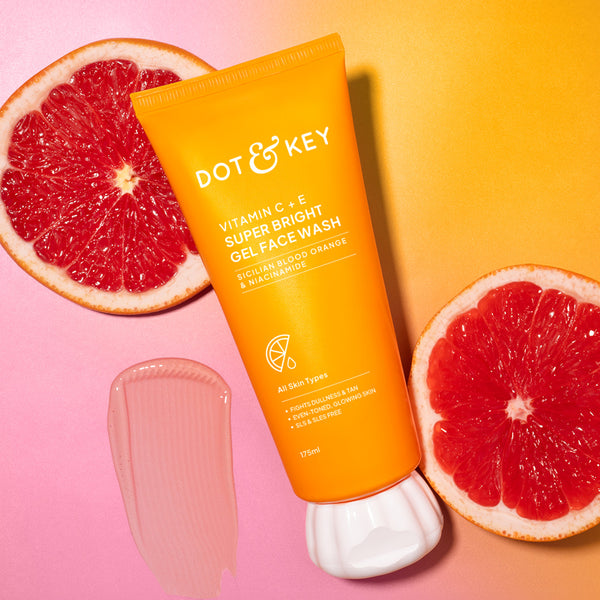
Start with a micellar water or oil-based cleanser to dissolve grime, followed by a foaming or gel cleanser for a deeper clean. Pat dry gently—avoid rubbing. Do this every night, even if you haven't worn makeup. In my clinic, I recommend double-cleansing for those in high-pollution areas, as it effectively lifts away 90% more debris than single cleansing, based on patient feedback and studies.
A common mistake is over-washing, which weakens the barrier and invites more pollution penetration. If your skin feels tight post-cleanse, switch to a milder formula. This step addresses questions like "How often should I cleanse to fight pollution?"—once at night suffices for most, unless you're sweaty or outdoors extensively.
2: Incorporate Antioxidants into Your Daily Routine
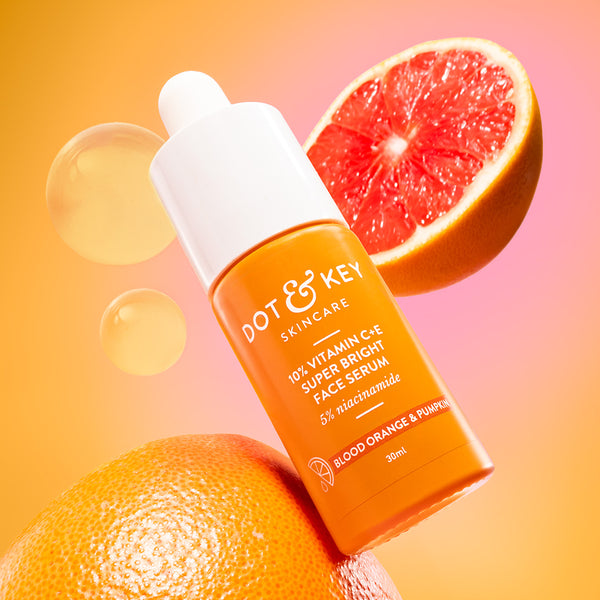
Antioxidants neutralise free radicals from pollution, preventing cellular damage that leads to premature ageing. Ingredients like vitamin C, vitamin E, and niacinamide are powerhouse protectors, as they boost the skin's resilience.
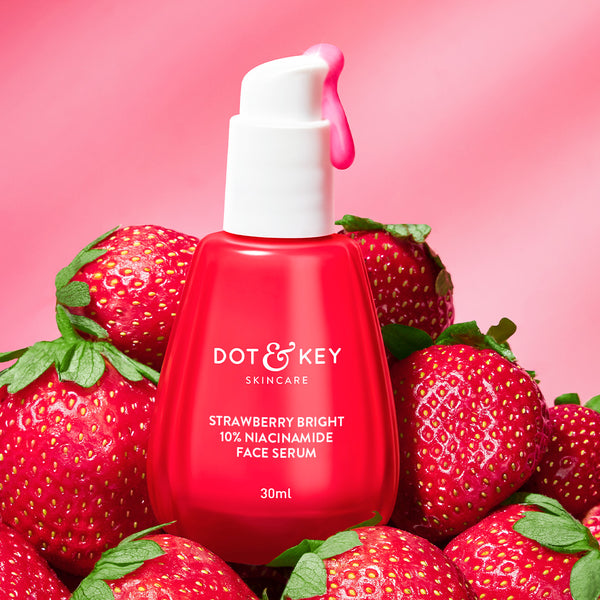
Apply an antioxidant serum after cleansing but before moisturising. For example, a 10-15% vitamin C serum in the morning can shield against oxidative stress. I've prescribed this to patients exposed to urban smog, and many report brighter, less inflamed skin within a month. Clinical trials, such as those in the British Journal of Dermatology, support that topical antioxidants reduce pollution-induced spots by up to 20%.
Beware the myth that all "anti-pollution" products work—many lack evidence-based ingredients and are mere marketing. Choose serums with stabilised forms to avoid oxidation. This is ideal for all skin types, but those with sensitive skin should patch-test first. It answers "What ingredients protect skin from pollution?" by focusing on proven ones without hype.
3: Strengthen Your Skin Barrier with Moisturisers
A robust skin barrier acts as a shield, preventing pollutants from entering deeper layers. Pollution disrupts this natural defence, leading to dryness and sensitivity, so reinforcing it is crucial.
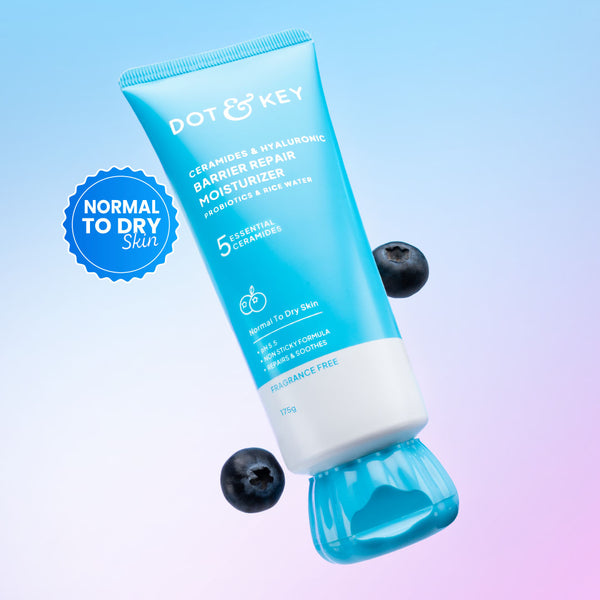
Opt for moisturisers containing ceramides, hyaluronic acid, or shea butter. Apply twice daily—morning and night—massaging gently into damp skin for better absorption. In real-life scenarios, like treating office workers in polluted cities, I've seen barrier-repair creams reduce redness and improve hydration levels significantly.
One doubt patients raise is whether moisturising traps pollutants. Actually, the opposite: a strong barrier repels them. Avoid heavy creams if acne-prone; lightweight gels work well. Studies from the International Journal of Molecular Sciences highlight that barrier-strengthening reduces transepidermal water loss by 30% in polluted environments. This step is for everyone, especially those with dry or compromised skin.
4: Apply Broad-Spectrum Sunscreen Every Day
Sunscreen isn't just for sunny days—it protects against UV rays that amplify pollution damage, creating a "photo-pollution" effect leading to deeper harm.
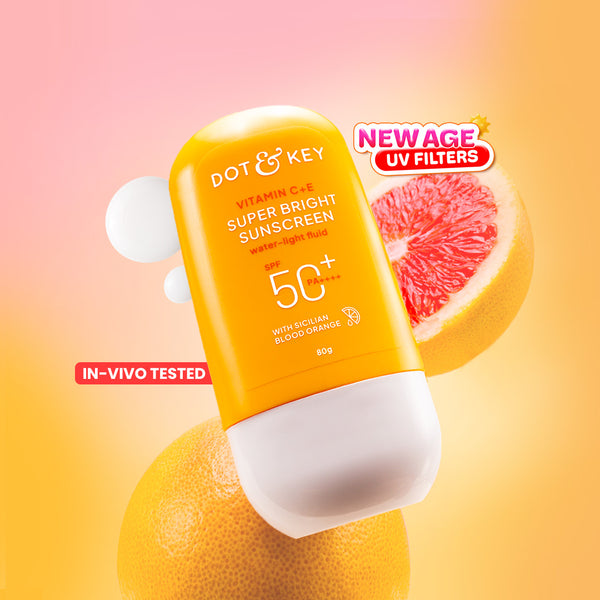
Choose a broad-spectrum SPF 30 or higher, preferably mineral-based with zinc oxide for added physical barrier. Reapply every two hours if outdoors. From my experience, patients who integrate this habit see fewer pigmentation issues, even in overcast, polluted weather.
A misconception is that sunscreen suffices alone for pollution protection—it's vital but works best alongside other steps. Chemical filters absorb UV, while minerals reflect it and some pollutants. The American Academy of Dermatology emphasises daily use prevents up to 80% of photoageing. This is essential for all ages and skin tones, answering "Is sunscreen necessary on cloudy days?" with a firm yes.
5: Support Your Skin with a Nutrient-Rich Diet
What you eat influences skin health from within, providing antioxidants that combat pollution systemically. A diet high in fruits, vegetables, and omega-3s bolsters defences.
Incorporate berries, leafy greens, nuts, and fatty fish daily. For example, aim for five portions of colourful produce to maximise vitamin intake. In consultations, I've guided patients towards Mediterranean-style eating, often noting improved skin glow and reduced inflammation after 4-6 weeks.
Some doubt diet's impact, thinking topicals are enough, but evidence from Nutrients journal shows internal antioxidants enhance external protection. Balance is key—don't rely solely on food; combine with skincare. This approach suits most, but consult a doctor if you have allergies. It addresses "Can food protect skin from pollution?" by offering practical, evidence-based tips.
Additional Tips for Comprehensive Protection
Beyond these 5 tips , consider lifestyle adjustments. Use air purifiers indoors to filter pollutants, especially in bedrooms. Wear protective clothing like hats during peak pollution hours. Regular exfoliation, once or twice weekly, sloughs off polluted dead skin—use gentle acids like salicylic for oily types.
Oily skin might need mattifying products, while dry skin benefits from richer formulas. Monitor air quality via apps to time outdoor activities. Remember, while these steps mitigate damage, severe pollution exposure may require professional treatments like chemical peels for repair.
FAQ H2 Tag
How does pollution affect the skin?
Pollution causes oxidative stress, weakening the barrier and leading to ageing, acne, and sensitivity. Particles penetrate pores, triggering inflammation visible as dullness or spots.
What are the best ingredients for anti-pollution skincare?
Look for antioxidants like vitamin C and niacinamide, plus barrier-boosters such as ceramides. Avoid products without these, as they're often ineffective.
Is sunscreen enough to protect against pollution?
No, sunscreen guards against UV but not fully against pollutants. Combine it with cleansing, antioxidants, and moisturising for complete defence.
Can diet really help protect skin from pollution?
Yes, antioxidant-rich foods like berries and greens support skin health internally, enhancing topical protections. It's a complementary strategy, not a standalone fix.
How often should I cleanse to remove pollutants?
Cleanse thoroughly once nightly. Over-cleansing strips oils, worsening vulnerability—morning rinses with water often suffice unless heavily polluted.
Are anti-pollution products worth buying?
Only if they contain proven ingredients like antioxidants. Many are marketing hype; focus on evidence-based formulations from reputable brands.