



How to Reduce Inflammation on Face? Causes, Ingredients, Routine
 20 Oct 2026

Facial inflammation can show up as redness, swelling, warmth, itching, or tenderness, leaving your skin feeling uncomfortable and looking irritated. Sometimes, it’s a temporary reaction to a new skincare product, while other times, it may be linked to persistent skin conditions such as rosacea or eczema. The good news? A gentle, consistent approach can help manage many forms of facial inflammation. The key is to identify what’s triggering it, avoid potential irritants, and support your skin barrier with ingredients backed by scientific evidence.
This guide breaks down what facial inflammation is, what commonly causes it, which skincare ingredients can help soothe irritated skin, and how to build a routine that calms rather than aggravates it. Think of it as your go-to guide for understanding your skin and making informed, evidence-based skincare choices, without relying on unproven home remedies.
What Facial Inflammation Actually Is
Inflammation is the immune system's response to a perceived threat. On the face, that threat might be bacteria, UV radiation, an irritant in a skincare product, or even stress hormones. The visible signs are caused by a cascade of events: blood vessels widen (vasodilation), immune cells release signalling proteins called cytokines, and the skin barrier becomes more permeable.
The skin barrier is central to this process. Dermatologists describe it using a brick-and-mortar model. The "bricks" are corneocytes, flattened skin cells. The "mortar" is a mixture of ceramides, cholesterol, and fatty acids that holds the bricks together and prevents water loss. When the mortar is depleted, irritants penetrate more easily, water evaporates from the skin (a process measured as transepidermal water loss, or TEWL), and inflammatory signalling increases.
This is why barrier repair is not a cosmetic extra. It is the foundation of reducing facial inflammation.
Why Your Face Gets Inflamed: The Most Common Causes
Facial inflammation rarely has a single cause. Most people are dealing with a combination of barrier compromise, an underlying inflammatory tendency, and external triggers.
Skin Barrier Damage
The barrier can be damaged by over-cleansing, harsh exfoliants, alcohol-based toners, fragrance, essential oils, and aggressive clinical treatments such as chemical peels or lasers performed too frequently. Once the barrier is compromised, even normally benign products can sting and provoke redness. This creates a cycle: the skin becomes sensitive, the person adds more products to soothe it, and the additional products cause further irritation.
Inflammatory Skin Conditions
Several dermatological conditions present with facial inflammation.
Rosacea is a chronic inflammatory disorder characterised by persistent central facial redness, flushing, and in some subtypes, papules and pustules. Over 50% of patients also experience ocular symptoms such as dryness, burning, or a foreign-body sensation in the eyes.
Acne vulgaris involves inflammation of the pilosebaceous unit. The bacterium Cutibacterium acnes (formerly Propionibacterium acnes) triggers an immune response in keratinocytes, leading to the release of inflammatory cytokines including interleukin-8 (IL-8).
Facial eczema (atopic dermatitis) makes the skin dry, flaky, and itchy. The impaired barrier allows irritants and allergens to penetrate, causing flares.
Contact dermatitis is a reaction to a specific substance, often a preservative, fragrance, or metal. It can be difficult to identify without patch testing.
Perioral dermatitis presents as a red, scaly rash around the mouth and sometimes the eyes. It is frequently associated with overuse of facial creams, which disrupts the skin's natural balance.
Environmental and Lifestyle Triggers
UV radiation is one of the most significant drivers of facial inflammation. It generates reactive oxygen species, damages skin cells, and promotes inflammatory signalling.
Heat and humidity can worsen inflammation in several ways. Heat causes vasodilation and flushing. In humid climates, sweat and sebum can become trapped against the skin, contributing to follicular occlusion and inflammatory acne flares.
Dietary factors matter for some people, particularly those with rosacea or acne. Spicy foods containing capsaicin, alcohol (especially red wine), and high-glycaemic foods can promote vasodilation and inflammation. For acne, high-glycaemic diets and dairy products may exacerbate severity by influencing insulin and androgen pathways.
Stress and sleep deprivation activate the hypothalamic-pituitary-adrenal (HPA) axis, raising cortisol levels. Sustained cortisol elevation enhances sebaceous gland activity and amplifies cutaneous inflammatory responses. Circadian disruption and altered melatonin secretion may further compromise barrier integrity.
Anti-Inflammatory Ingredients That Have Evidence Behind Them
Not all "soothing" ingredients are equal. The following have clinical or mechanistic evidence supporting their use for facial inflammation.
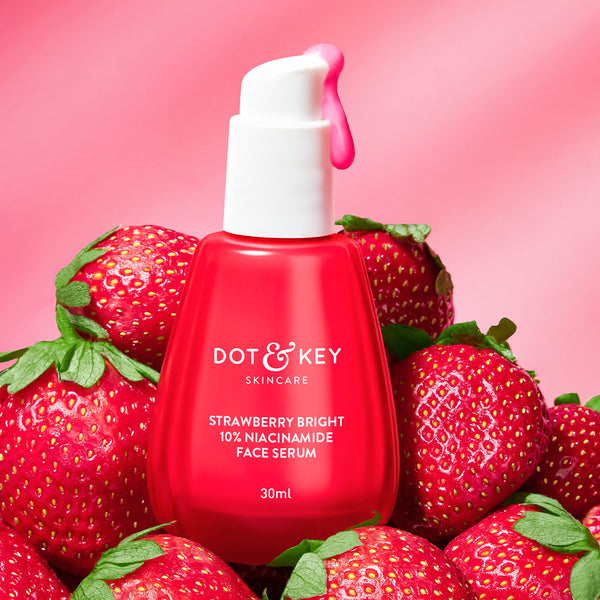
Niacinamide
Niacinamide (vitamin B3) has anti-inflammatory properties with a well-documented mechanism. It inhibits the production of IL-8, a chemokine that recruits inflammatory cells, by interfering with the NF-kappaB and MAPK signalling pathways. It also supports barrier function by stimulating ceramide synthesis and reducing transepidermal water loss.
A clinical consensus on dermocosmetics classified niacinamide as having moderate-to-high levels of evidence for improving facial redness and dyschromias. Concentrations of 4% to 5% are commonly studied for sebum regulation and inflammation reduction.
Azelaic Acid
Azelaic acid is a dicarboxylic acid with anti-inflammatory, antibacterial, and comedolytic properties. In randomised controlled trials, 15% azelaic acid gel used twice daily produced statistically significant reductions in inflammatory lesion counts compared with vehicle in papulopustular rosacea (58% vs 40% in one study; 51% vs 39% in another). It also significantly improved erythema compared with vehicle.
Azelaic acid works in part by inhibiting the pathologic expression of cathelicidin and the protease activity that cleaves it into the pro-inflammatory peptide LL-37. It is generally well tolerated and is considered safe in pregnancy.
Colloidal Oatmeal
Colloidal oatmeal is finely ground and boiled oats, regulated by the FDA as a skin protectant. Its anti-inflammatory activity is attributed to avenanthramides, compounds that inhibit nuclear factor kappa B and the release of pro-inflammatory cytokines and histamine. Colloidal oatmeal also supports the skin microbiome and helps retain moisture through its starch and beta-glucan content.
Ceramides
Ceramides constitute approximately 50% of the epidermal lipid content by mass. They are critical to barrier function, and their content is substantially decreased in inflammatory skin diseases such as atopic dermatitis. Topical ceramides, particularly when combined with cholesterol and fatty acids in the correct ratio, help restore the lipid matrix and reduce TEWL.
Green Tea (EGCG) and Centella Asiatica
Green tea polyphenols, particularly epigallocatechin gallate (EGCG), have antioxidant and anti-inflammatory activity. Studies show they can inhibit inflammatory factors including IL-1α, IL-8, and PGE-2. Centella asiatica (also known as cica) contains triterpenoid compounds with wound-healing and anti-inflammatory properties. It is commonly used in products designed for sensitive or compromised skin.
Ingredient Comparison Table
|
Ingredient |
Primary Mechanism |
Evidence Level |
Best For |
Notes |
|
Niacinamide |
Inhibits IL-8 via NF-kappaB/MAPK; stimulates ceramide synthesis |
Moderate to high |
Redness, barrier support, sebum regulation |
Well tolerated; 4–5% commonly studied |
|
Azelaic acid |
Inhibits cathelicidin processing; antibacterial; anti-inflammatory |
Strong (RCT-supported for rosacea) |
Papulopustular rosacea, acne, post-inflammatory redness |
Safe in pregnancy; 15–20% concentrations |
|
Colloidal oatmeal |
Inhibits NF-kappaB; reduces cytokine and histamine release |
Moderate |
Itch, irritation, eczema-prone skin |
FDA-regulated skin protectant |
|
Ceramides |
Restore epidermal lipid matrix; reduce TEWL |
Strong (mechanistic and clinical) |
Barrier damage, dryness, sensitivity |
Best with cholesterol and fatty acids |
|
Green tea (EGCG) |
Antioxidant; inhibits IL-1α, IL-8, PGE-2 |
Limited to moderate |
Oxidative stress, general calming |
Often formulated with other actives |
|
Centella asiatica |
Anti-inflammatory; supports wound healing |
Limited |
Sensitive, compromised skin |
Common in "cica" products |
Evidence levels: Strong = multiple randomised controlled trials; Moderate = clinical studies plus mechanistic data; Limited = primarily in vitro or preliminary evidence.
A Step-by-Step Routine for Calming Facial Inflammation
A routine for inflamed skin should be short. Each additional product is another variable that could be causing or worsening irritation.
Step 1: Gentle Cleansing
Use a non-stripping, fragrance-free cleanser. Avoid bar soaps, scrubs, and cleansers that leave the skin feeling tight. A pH-balanced, water-soluble cleanser is appropriate for most skin types. In the morning, a rinse with lukewarm water may be sufficient. Cleansing should remove excess oil and debris without disturbing the barrier.
Step 2: Anti-Inflammatory Treatment
After cleansing, apply a serum or treatment containing one of the evidence-backed ingredients above. Niacinamide is a sensible first choice for most people because it addresses both inflammation and barrier support. Azelaic acid is particularly relevant if you have papulopustular rosacea or inflammatory acne. Introduce one active at a time and allow two to four weeks to assess tolerance.
Step 3: Barrier-Repair Moisturiser
Choose a moisturiser that contains ceramides, cholesterol, or fatty acids. Glycerin, a humectant, helps draw water into the skin. Apply while the skin is still slightly damp to improve absorption. In humid climates, a lightweight gel-cream or lotion is preferable to a heavy cream, which can trap sweat and contribute to follicular occlusion.
Step 4: Sun Protection
UV radiation is a primary driver of facial inflammation. A broad-spectrum sunscreen with SPF 30 or higher should be applied every morning and reapplied during prolonged sun exposure. Mineral sunscreens containing zinc oxide or titanium dioxide are often better tolerated by inflamed skin, though modern chemical filters are also suitable for many people.
What to Avoid During a Flare
• Physical and chemical exfoliants
• Alcohol-based toners
• Fragranced products, including "natural" essential oils
• Hot water
• Over-washing
• Introducing multiple new products at once
How to Match Ingredients to Your Type of Inflammation
|
Presentation |
Likely Driver |
First-Line Ingredient Focus |
Routine Emphasis |
|
Persistent redness, flushing, visible vessels |
Rosacea (erythematotelangiectatic) |
Azelaic acid, niacinamide, centella |
Trigger avoidance, sun protection, gentle cleansing |
|
Papules and pustules on red base |
Papulopustular rosacea or acne |
Azelaic acid, niacinamide |
Anti-inflammatory treatment plus barrier repair |
|
Dry, itchy, flaky patches |
Eczema or barrier damage |
Colloidal oatmeal, ceramides |
Intensive moisturising, minimal cleansing |
|
Stinging, burning with most products |
Barrier compromise |
Ceramides, niacinamide |
Complete product audit, reduce to 3 steps |
|
Redness triggered by heat or spicy food |
Vasomotor flushing |
Niacinamide, green tea |
Lifestyle trigger management |
Lifestyle Factors That Influence Facial Inflammation
Diet
An anti-inflammatory dietary pattern, similar to the Mediterranean diet, may help reduce systemic inflammation that contributes to skin flares. The Mediterranean diet is rich in omega-3 fatty acids from fish and walnuts, polyphenols from olive oil, vegetables, and fruits, and dietary fibre. These components have been shown to suppress pro-inflammatory cytokines including TNF-α, IL-6, and IL-17.
For acne specifically, the strongest dietary evidence relates to high-glycaemic diets. High glycaemic load drives insulin and IGF-1 signalling, which upregulates sebum production and promotes keratinocyte proliferation. Reducing refined carbohydrates and high-sugar foods is a reasonable step for anyone with inflammatory acne.
For rosacea, commonly reported triggers include spicy foods, alcohol (particularly red wine), and hot beverages. These promote vasodilation and can worsen flushing. Keeping a trigger diary can help identify individual patterns.
Stress and Sleep
The sleep-stress-skin axis is increasingly recognised as a contributor to inflammatory skin conditions. Elevated psychological stress and impaired sleep quality are consistently associated with increased acne severity. The proposed mechanism involves HPA axis hyperactivation, sustained cortisol elevation, enhanced sebaceous gland activity, and amplified cutaneous inflammatory responses.
Practical steps include aiming for seven to eight hours of sleep, maintaining a consistent sleep schedule, and incorporating stress-reduction practices such as breathing exercises or moderate physical activity.
Climate and Humidity
In hot and humid climates, sweat, oil, and sunscreen can become trapped against the skin, contributing to follicular occlusion and inflammatory acne flares. Lightweight, non-comedogenic formulations are preferable to heavy occlusive creams. In dry climates, the opposite applies: barrier lipids are more easily depleted, and richer moisturisers may be necessary.
When to See a Dermatologist
Most mild facial inflammation responds to the routine adjustments described above. Seek a dermatologist's assessment if:
• Redness, itching, or flaking persists despite simplifying your routine for four to six weeks
• Your skin burns with almost every product you apply
• You have oozing, crusting, pain, or signs of infection
• You have eczema that is not improving with moisturiser
• You suspect rosacea or another chronic inflammatory condition
A dermatologist can confirm a diagnosis, rule out other conditions, and prescribe targeted treatments such as topical metronidazole, ivermectin, or oral antibiotics where appropriate.
A 4-Week Reset Protocol
Week 1: Strip back. Stop all exfoliants, masks, and treatments. Use only a gentle cleanser, a basic moisturiser, and sunscreen. This gives your skin a baseline.
Week 2: Introduce one active. Add a niacinamide serum or an azelaic acid product, applied once daily. Monitor for stinging or increased redness.
Week 3: Assess and adjust. If tolerated, continue. If irritation increases, discontinue the active and return to the Week 1 routine.
Week 4: Review lifestyle factors. Examine your diet, sleep, and stress levels. Identify one or two triggers to address. Consider whether a dermatologist consultation is warranted.
Frequently Asked Questions
How long does it take to reduce facial inflammation?
Mild inflammation from barrier damage often improves within one to two weeks of simplifying your routine. Chronic conditions such as rosacea or eczema require longer-term management. Azelaic acid trials typically show measurable improvement over eight to fifteen weeks.
Can diet alone reduce facial inflammation?
Diet is one factor among several. An anti-inflammatory dietary pattern may support skin health, particularly for acne and rosacea, but it is unlikely to resolve inflammation caused by barrier damage or an underlying dermatological condition without appropriate skincare and, where necessary, medical treatment.
Is ice good for facial inflammation?
Cold compresses can temporarily reduce swelling and calm flushing by causing vasoconstriction. Limit ice application to five minutes or less and avoid direct contact with the skin. Ice is a symptomatic measure, not a treatment for the underlying cause.
What is the fastest way to calm an inflamed face?
The fastest approach is to remove the irritant. Stop all non-essential products, cleanse with lukewarm water, apply a simple barrier moisturiser, and use a cool compress. If the inflammation is severe or worsening, see a dermatologist.
Can I use retinol if my face is inflamed?
Retinol and other retinoids can cause irritation, especially during a flare. If you are already using a retinoid and experiencing inflammation, reduce frequency or pause use until the barrier recovers. A "moisture sandwich" technique, applying moisturiser before and after the retinoid, can improve tolerability.