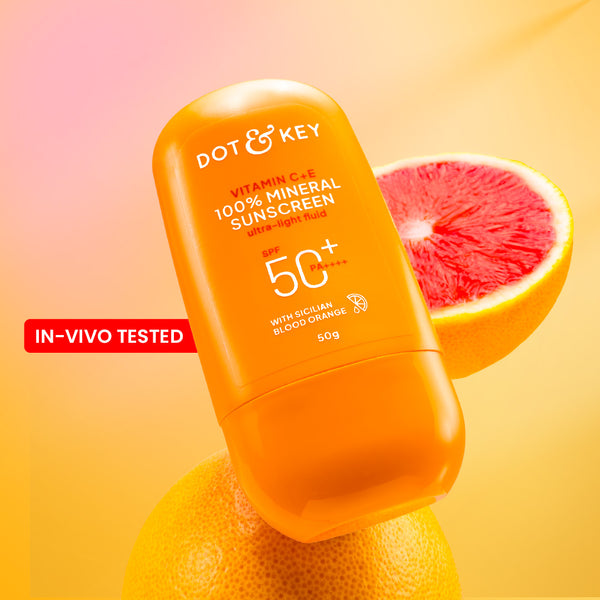



How to Choose the Right Mineral Sunscreen for Your Skin

Standing in the sunscreen aisle can feel overwhelming. Dozens of labels promise broad-spectrum protection, no white cast, matte finish, glow boost—and it’s not always clear what actually matters for your skin.
Mineral sunscreens are often recommended for their gentle yet effective protection. These formulas use zinc oxide and titanium dioxide to create a physical shield on the skin’s surface, reflecting UV rays away rather than absorbing them. But even within mineral sunscreens, not every formula suits every skin type.
Choosing the right one comes down to a few simple factors:
- Your skin type (oily, dry, combination, sensitive)
- The texture you prefer (fluid, cream, lotion, tinted)
- Your daily routine (makeup wearer, outdoor activity, minimal skincare)
- Finish goals (matte, natural, dewy)
For sensitive or reactive skin, look for fragrance-free, minimal-ingredient formulas.
For oily or acne-prone skin, lightweight, non-comedogenic fluids work best.
For dry skin, choose mineral sunscreens with added hydrating ingredients.
For deeper skin tones, opt for modern, micronised or tinted formulas to reduce white cast.
The key is finding a sunscreen you’ll actually use every single day. Protection only works when it’s consistent.
In the next sections, we’ll break this down step by step—so you can confidently pick a mineral sunscreen that fits seamlessly into your routine and keeps your skin protected year-round.
Understanding Mineral Sunscreen Basics
Mineral sunscreens (also called physical sunscreens) primarily rely on zinc oxide, titanium dioxide, or a combination of both. These ingredients sit on the skin's surface and act like tiny mirrors, scattering and reflecting ultraviolet rays before they can penetrate.
This mechanism provides immediate protection upon application, unlike some chemical filters that require time to activate. Dermatological bodies, including the British Association of Dermatologists and the American Academy of Dermatology, recognise mineral sunscreens as safe and effective, particularly for sensitive or reactive skin types.
Key Factors to Consider Before Choosing Mineral Sunscree
1. SPF Level and Broad-Spectrum Protection
Always choose a sunscreen labelled SPF 30 or higher with broad-spectrum coverage. SPF indicates protection against UVB rays (the main cause of sunburn), while broad-spectrum ensures defence against UVA rays (which contribute to premature ageing and skin cancer).
For daily use, SPF 30 blocks about 97% of UVB rays, while SPF 50 blocks around 98%. Higher numbers offer marginally more protection but require the same generous application. Look for clear labelling showing SPF and broad-spectrum claims.
2. Matching Your Skin Type
Your skin type plays a crucial role in how a sunscreen feels and performs throughout the day. Common skin types and their characteristics.
Sensitive Skin
Pure mineral sunscreens with only zinc oxide (or minimal titanium dioxide) tend to be the gentlest. Avoid added fragrances or essential oils that could trigger reactions.
Oily or Acne-Prone Skin
Opt for lightweight, mattifying formulas. Gel-based or fluid textures absorb quickly without clogging pores. Look for non-comedogenic labels and zinc oxide-heavy options, as zinc has mild anti-inflammatory properties that can help calm breakouts.
Dry Skin
Choose creamier, moisturising formulations enriched with hydrating ingredients like hyaluronic acid or ceramides. These provide nourishment alongside protection, preventing tightness or flaking.
Combination Skin
Fluid lotions or lightweight creams often strike the right balance, controlling shine in the T-zone while hydrating drier areas.
Mature Skin
Creamy textures with added antioxidants can support skin barrier function while offering sun defence against further photoageing.
3. Texture and Finish
Mineral sunscreens come in various forms to suit different preferences:
- Lotions → Easy to spread, ideal for body and face
- Creams → Richer hydration for drier skin
- Gels → Lightweight, quick-absorbing for oily skin
- Sticks → Convenient for targeted areas like ears or around eyes
- Powders → Great for reapplication over makeup
4. Addressing the White Cast Concern
One common drawback of traditional mineral sunscreens is the temporary white residue they can leave, especially on deeper skin tones. Modern formulations have largely overcome this through micronised particles and innovative blending technology.
Tinted versions are an excellent solution, offering sheer coverage that neutralises any cast while evening skin tone. Many provide a natural, glowy finish that doubles as light makeup.
Tinted mineral sunscreens blend seamlessly across diverse skin tones.
5. Water Resistance and Lifestyle Needs
If you swim, exercise, or live in a humid climate, choose water-resistant formulas (typically labelled for 40 or 80 minutes). Remember to reapply after towelling off or heavy sweating.
6. Reef-Safe and Environmental Considerations
For environmentally conscious individuals, look for non-nano zinc oxide formulations. These larger particles are less likely to be absorbed by marine life compared to nanoparticle versions, though research continues on long-term impacts.
Protecting coral reefs is an important consideration for ocean lovers.
Practical Tips for Success H2 tag
- Patch test new sunscreens on your inner arm for 24-48 hours to check for reactions.
- Apply generously — about a teaspoon for the face and a shot glass full for the body.
- Reapply every two hours, or more frequently during water activities.
- Layer under makeup if needed; many mineral sunscreens work beautifully as primers.
Conclusion
Choosing the right mineral sunscreen is about balancing protection, comfort, and daily wearability. By considering your skin type, lifestyle, and specific concerns like white cast or environmental impact, you can find a formula that feels like a natural part of your routine rather than a chore.
Remember, consistent use is far more important than perfection. Any broad-spectrum SPF 30+ sunscreen applied properly will serve you well. Celebrate small steps towards better sun protection — your skin will thank you for years to come.
Key Takeaways
- Always choose SPF 30+ with broad-spectrum protection.
- Match texture and formula to your skin type for comfortable wear.
- Tinted options help minimise white cast on all skin tones.
- Consider water resistance for active lifestyles.
- Non-nano formulations are often preferred for reef safety.
- Patch test new sunscreens and reapply regularly.
Frequently Asked Questions
1. Do I still need sunscreen on cloudy days?
Yes. Up to 80% of UV rays can penetrate clouds, so daily application is recommended year-round.
2. Can mineral sunscreen be worn under makeup?
Absolutely. Many lightweight or tinted mineral formulas act as excellent primers, creating a smooth base.
3. Is higher SPF always better?
Not dramatically. SPF 30 and SPF 50 offer very similar protection when applied correctly. Consistency matters more than chasing the highest number.
4. Are mineral sunscreens suitable for children?
Yes, they are often recommended for children over six months due to their gentleness. Always check age-appropriate labelling and consult a paediatrician for younger babies.
5. How can I make mineral sunscreen blend better?
Warm the product between your fingers first, apply in thin layers, and gently massage in circular motions. Tinted versions or those with modern dispersing technology blend most effortlessly.