





Post Diwali Skin Care Tips 2026: Repair Pollution Damage
 12 Nov 2026

The best approach to post-Diwali skincare isn't to overload your skin with strong exfoliants or brightening acids. It's to focus on repair first. After days of firecracker smoke, makeup, late nights, and festive treats, your skin barrier may need some extra care. Start with gentle cleansing, a barrier-supporting moisturiser, and daily sunscreen. Wait until redness and irritation settle before reintroducing active ingredients. This helps prevent further irritation that could make pigmentation more noticeable.
Diwali is all about joy and celebrations, but it can also put your skin through a lot. Firecracker smoke releases fine particles, heavy metals, and chemical residues that can settle on your skin and mix with sweat and makeup. Add dehydration, poor sleep, and all those festive sweets, and your skin may feel dry, irritated, and more reactive than usual. Those post-Diwali breakouts and dull patches may be your skin's way of responding to all that stress.
In this guide, we'll explain how Diwali affects your skin, walk you through a step-by-step recovery routine, explore ingredients that can help (and those to pause), and set realistic expectations for how long your skin may take to recover.
Why Post-Diwali Skin Feels Different: The Science in Simple Terms
Three processes converge after the festival week.
1. Oxidative stress from pollution: Fine particulate matter (PM2.5) settles into pores, oxidises sebum, and triggers inflammation. This oxidative stress damages lipids, proteins, and DNA in skin cells. It also contributes to dullness, uneven tone, and the deepening of existing pigmentation.
2. Barrier disruption from smoke and irritants: The skin barrier is the outermost layer that keeps irritants out and moisture in. Smoke, dust, and chemical residue disrupt barrier proteins and lipids. When the barrier is compromised, water escapes more easily, irritants penetrate more deeply, and skin feels tight, stings, or reacts to products it usually tolerates.
3. Internal stress from sugar, sleep, and dehydration: High-glycaemic sweets can spike blood sugar, which increases oil production and may contribute to breakouts. Late nights reduce overnight repair. Dehydration makes dullness and fine lines more visible. The combination leaves skin looking tired and feeling fragile.
Crucially, Indian skin is more prone to post-inflammatory hyperpigmentation (PIH). When pollution-induced inflammation meets a compromised barrier, the risk of dark marks lingering for weeks or months increases. This is why calming and repairing the skin is not just about comfort. It is about preventing long-term pigmentation.
The Post-Diwali Recovery Protocol: Repair, Rehydrate, Then Revive
Dermatologists describe post-Diwali recovery in a specific order: repair the barrier, rehydrate the skin, and only then introduce brightening or renewing actives. Jumping straight to strong exfoliants or high-strength vitamin C on inflamed skin can worsen irritation and pigmentation.
Step 1: Cleanse Gently but Thoroughly
The first priority is removing the residue of pollution, sweat, and makeup without stripping the barrier.
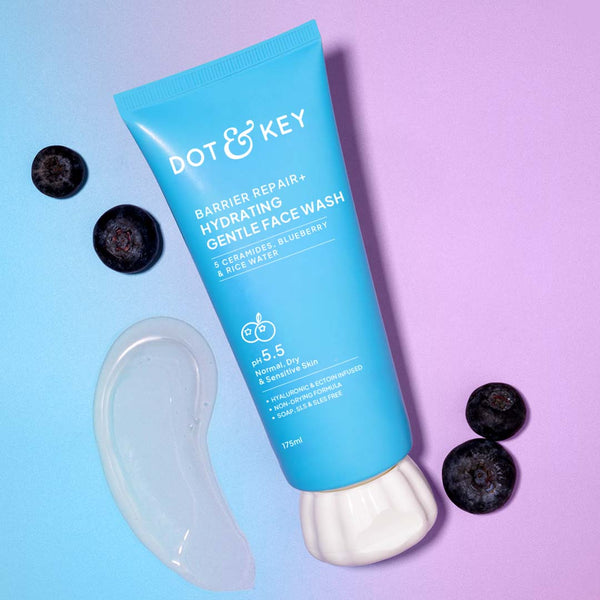
Evening double cleanse. If you wore makeup or sunscreen, or spent hours outdoors, start with an oil-based cleanser or micellar water to dissolve particulate matter and pigment. Follow with a mild, fragrance-free water-based cleanser. Double cleansing helps remove pollutants while keeping the skin’s chemical composition relatively undisturbed.
Morning cleanse. A gentle cleanse is enough. If your skin feels tight or sensitive, a water rinse may suffice. Harsh foaming cleansers can remove protective lipids and increase reactivity.
What to avoid: Scrubbing brushes, hot water, and cleansers with high concentrations of fragrance or drying alcohols. These remove barrier lipids and slow recovery.
Step 2: Repair and Rehydrate the Barrier
This is the most important step, and it should dominate the first three to five days after the festival.
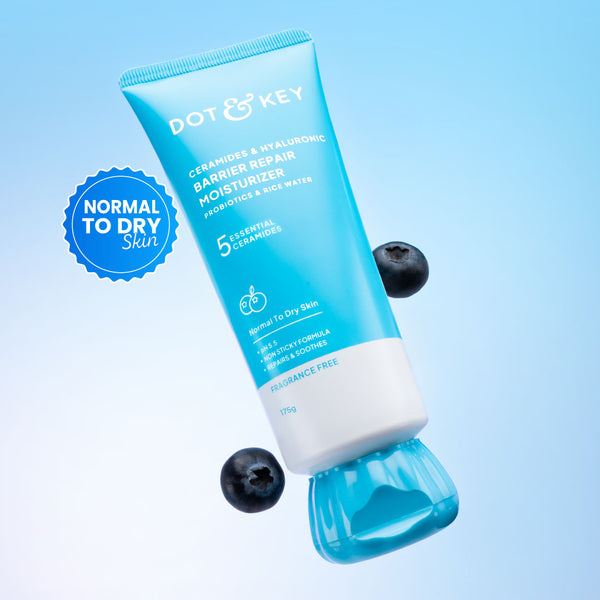
Apply a soothing, barrier-supporting moisturiser or serum containing ceramides, panthenol, centella asiatica, glycerin, or colloidal oatmeal. These ingredients calm inflammation and help restore barrier integrity. Ceramides are particularly useful because they replace the lipids that smoke and pollution have depleted.
Use a hydrating layer if your skin feels tight. Hyaluronic acid or glycerin-based serums attract water into the skin. Apply them on damp skin, then seal with a moisturiser to prevent water loss.
Pause strong actives temporarily. If your skin is stinging, red, or unusually dry, reduce or pause retinoids, high-strength glycolic acid, and benzoyl peroxide for three to seven days. An irritated barrier does not benefit from more exfoliation. Let comfort guide you.
Step 3: Introduce Antioxidants and Targeted Actives Gradually
Once redness and stinging have settled, usually within three to seven days, you can reintroduce actives.
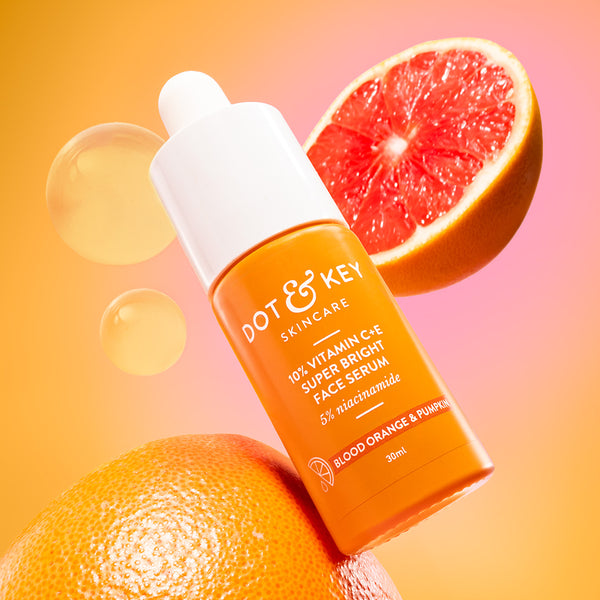
Antioxidants come first. Vitamin C or niacinamide helps neutralise the free radicals that pollution has generated. Niacinamide is particularly well supported by laboratory evidence. It inhibits PM2.5-induced reactive oxygen species and helps protect lipids, proteins, and DNA from oxidation. It is also generally better tolerated than vitamin C on sensitive post-festival skin. Start with a 2–5% concentration if you are reactive.
Then consider gentle exfoliation. If your skin feels rough or congested, use a non-abrasive exfoliant with lactic or mandelic acid once or twice a week. These are larger-molecule AHAs that are generally gentler on fragile skin than glycolic acid. Avoid scrubs, strong peels, and daily exfoliation. Over-exfoliating after Diwali is one of the most common mistakes and can prolong irritation.
For pigmentation, be patient. Azelaic acid, niacinamide, or a stable vitamin C derivative can help fade post-inflammatory marks over time. But they only work if the barrier is intact and sunscreen is used daily. Pigmentation takes weeks to months to fade, not days.
Step 4: Protect with Sunscreen Every Day
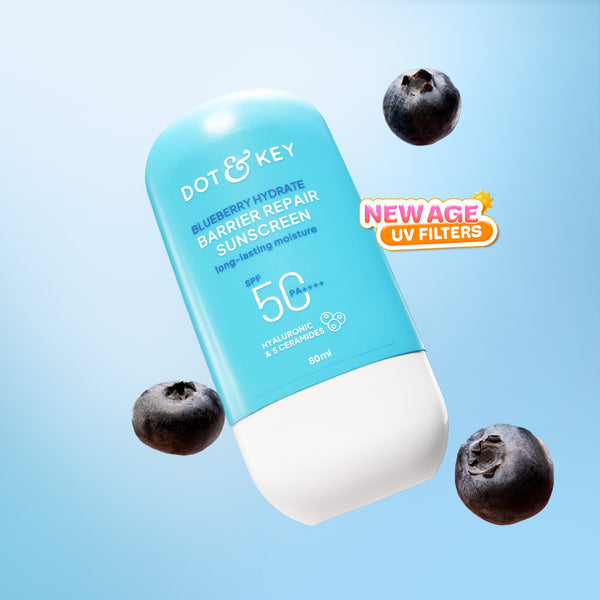
Post-Diwali skin is inflamed and more vulnerable to UV-induced pigmentation. Daily broad-spectrum sunscreen of SPF 30 or higher is non-negotiable, even on cloudy or smoggy days, and even if you are mostly indoors. UV exposure can deepen existing marks and slow barrier recovery. If you are outdoors for long periods, reapply.
Ingredient Guide: What Helps and What to Pause
|
Ingredient |
Role in post-Diwali recovery |
When to introduce |
Cautions |
|
Ceramides |
Rebuild barrier lipids, reduce water loss |
Immediately |
Rarely irritating; choose fragrance-free |
|
Panthenol / Centella |
Calm inflammation, soothe redness |
Immediately |
Generally gentle; patch test if very sensitive |
|
Glycerin / Hyaluronic acid |
Rehydrate and plump |
Immediately |
Layer under moisturiser |
|
Niacinamide |
Neutralise pollution-induced free radicals, support barrier |
After 3–5 days, or sooner if skin is calm |
Start at 2–5% if sensitive |
|
Vitamin C |
Antioxidant support, brightening |
After 5–7 days, once irritation settles |
Can sting on compromised skin; use a derivative if reactive |
|
Lactic / Mandelic acid |
Gentle exfoliation of dead cells and congestion |
After 7 days, once weekly |
Avoid if skin is still stinging |
|
Azelaic acid |
Fade post-inflammatory pigmentation, calm redness |
After 7–10 days |
Can cause mild tingling; introduce slowly |
|
Retinoids / strong AHAs |
Renewal and collagen support |
Pause until barrier is fully comfortable |
Do not restart on irritated skin |
What to avoid entirely during recovery: lemon juice, baking soda, toothpaste on spots, harsh physical scrubs, and DIY masks with high concentrations of essential oils. These can disrupt pH, cause chemical burns, and worsen pigmentation.
Realistic Recovery Timeline: What to Expect and When
Days 1–3 after Diwali: Focus on gentle cleansing and barrier repair. Redness, tightness, and stinging should begin to settle if you avoid actives and irritants. Dullness may still be visible.
Days 4–7: If the barrier feels calmer, reintroduce niacinamide or a gentle vitamin C derivative. Congestion may start to improve with gentle cleansing. Do not expect pigmentation to fade yet.
Weeks 2–4: With consistent sunscreen, antioxidant support, and once-weekly gentle exfoliation, dullness and mild congestion usually improve. Post-inflammatory marks begin to fade but will still be visible.
Weeks 4–12: Pigmentation fades gradually as skin turns over. This timeline is realistic for PIH. If marks are deep or widespread, professional treatments may be more effective than topical products alone.
If you have eczema, rosacea, or active acne: Recovery may take longer, and a dermatologist can help you avoid products that are worsening the flare. Do not judge your skin by a one-week timeline if you have a chronic condition.
Common Post-Diwali Skin Care Mistakes to Avoid
Mistake 1: Exfoliating aggressively to “remove pollution.”
Scrubbing does not remove pollution more effectively. It removes protective lipids and increases irritation. Gentle chemical exfoliation once or twice a week is sufficient, and only after the barrier has calmed.
Mistake 2: Starting a strong brightening routine immediately.
High-strength vitamin C, glycolic acid, and retinoids can sting and inflame compromised skin. Repair first, then brighten.
Mistake 3: Skipping sunscreen because the sky is hazy.
Hazy and smoggy conditions do not block UV. Sunscreen is essential for preventing post-inflammatory pigmentation from deepening.
Mistake 4: Using multiple new products at once.
If your skin reacts, you will not know which product caused it. Introduce one active at a time, and patch test first.
Mistake 5: Ignoring internal recovery.
Water, sleep, and antioxidant-rich foods support skin repair from the inside. They do not replace topical care, but they influence how quickly the skin recovers. Aim for regular water intake and prioritise sleep where possible.
When to See a Dermatologist
Most post-Diwali skin changes settle with gentle care. Seek professional advice if you notice:
• Severe or spreading redness, swelling, or pain.
• Pus-filled bumps or signs of infection.
• A rash that does not improve after a week of gentle care.
• Persistent or deepening pigmentation that is not fading after several weeks.
• Eczema, rosacea, or acne that is worsening despite simplifying your routine.
A dermatologist can assess whether prescription treatment or in-clinic procedures are appropriate. Do not attempt to diagnose or treat persistent skin concerns on your own.
FAQs
Why does my skin break out after Diwali even though I cleansed regularly?
Pollution particles settle into pores and oxidise sebum, which triggers inflammation and congestion even with regular cleansing. The combination of smoke, sweat, makeup, and lack of sleep increases the inflammatory load. A breakout after a high-pollution week is a logical response, not a failure of your routine.
Should I use vitamin C immediately after Diwali?
If your skin feels calm, a gentle vitamin C derivative can be used after three to five days. If your skin is stinging, red, or tight, wait until the barrier feels comfortable. Niacinamide is often better tolerated during the early recovery phase.
Can I use azelaic acid for post-Diwali pigmentation?
Yes, but introduce it after the barrier has calmed, usually around seven to ten days. Azelaic acid helps with post-inflammatory pigmentation and redness, but it can cause mild tingling. Start with a low frequency and build up gradually.
How do I know if my barrier is damaged?
Common signs include stinging when applying products that normally feel comfortable, tightness after cleansing, redness, flaking, and increased sensitivity. If these signs are present, pause strong actives and focus on gentle cleansing and barrier moisturising.
Are sheet masks helpful after Diwali?
A simple, fragrance-free hydrating sheet mask can provide temporary relief and hydration. However, sheet masks are not a substitute for barrier repair. Avoid masks with strong fragrances, essential oils, or exfoliating acids if your skin is reactive.
Do I need to change my diet to help my skin recover?
A balanced diet rich in antioxidant-containing fruits and vegetables supports overall skin health. Moderating high-sugar foods may help reduce oil production and breakouts, but diet alone will not repair a compromised barrier. Topical care and sun protection remain the foundation.