





Can You Use Retinol After Salicylic Acid Face Wash?
 02 Nov 2026

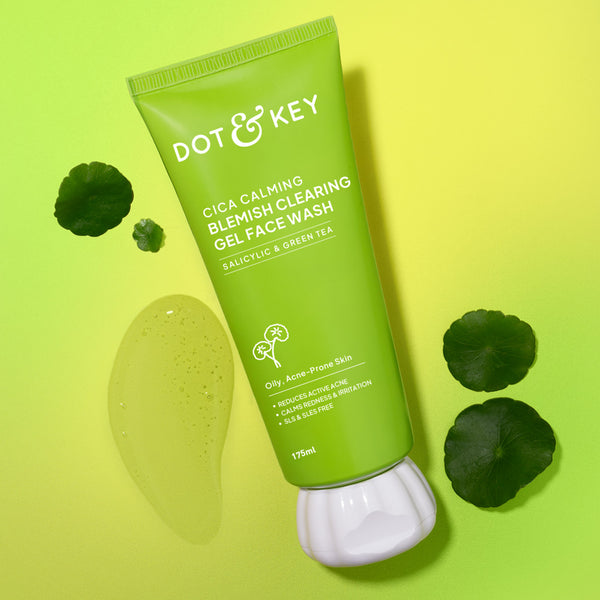
Using retinol but wondering if you can still use your salicylic acid face wash? The good news is that you can use both in the same routine if your skin tolerates them well. Since a salicylic acid face wash is rinsed off after a short contact time, it generally offers less prolonged exfoliation than a leave-on salicylic acid serum. This can make it easier to pair with retinol, though irritation is still possible.
The trick is knowing how often to use them and how to keep your skin barrier comfortable. Both ingredients can cause dryness, redness, flaking, or stinging when introduced too quickly, particularly if your skin is sensitive or already irritated. In this guide, we’ll explain how to combine salicylic acid and retinol, how to introduce them gradually, and when using them on alternate nights may be the better option.
Why a Rinse‑Off Salicylic Acid Cleanser Changes the Equation
Salicylic acid is an oil‑soluble beta hydroxy acid (BHA). It travels into the pore lining to dissolve sebum and dead skin cell buildup, which is why it is effective for blackheads and congestion. In a leave‑on serum, that exfoliating action continues for hours. In a cleanser, most of the product is washed away after 30 to 60 seconds.
This difference matters when retinol is involved. Retinol accelerates cell turnover and can cause temporary dryness and redness in the first few weeks of use. When a leave‑on acid is layered underneath, the combined keratolytic effect can become additive and wear down the barrier. A rinse‑off cleanser reduces that risk because the acid is largely removed before retinol is applied.
A salicylic acid cleanser is therefore the beginner‑friendly format for combining these two ingredients. It is not risk‑free, but it is safer than layering a leave‑on BHA serum with retinol on the same night.
What Each Ingredient Does (and Why They Sometimes Clash)
Salicylic Acid: The Pore Cleaner
Salicylic acid works inside the pore. It breaks down the bonds holding dead skin cells together, dissolves congestion, and has anti‑inflammatory properties that help calm existing blemishes. It is best suited to oily, combination, and blemish‑prone skin. Dermatology guidelines list salicylic acid as a recommended topical therapy for acne.
Retinol: The Renewal Agent
Retinol is a vitamin A derivative. It speeds up cell turnover, supports collagen production over time, and improves texture, tone, and the appearance of fine lines. It is used in the evening because it can increase photosensitivity, and daily sunscreen use is non‑negotiable when retinol is part of a routine.
The Shared Side Effect: Barrier Stress
Both ingredients accelerate exfoliation. When used together at full strength without a transition period, the skin can respond with dryness, flaking, redness, or stinging. This is a tolerance issue, not a toxic chemical reaction. Drug interaction guidance specifically advises caution with concomitant use of retinoids and keratolytic topicals because of the risk of excessive irritation and drying.
The goal is not to avoid the combination entirely. It is to give the skin enough recovery time between actives so that the barrier remains intact.
How to Use a Salicylic Acid Face Wash and Retinol Together
The safest approach depends on your skin’s current tolerance. The steps below assume you are new to one or both ingredients.
Step 1: Introduce one active first
Do not start both products in the same week. Use the salicylic acid cleanser two or three times a week for two to three weeks, or use the retinol on its own once or twice a week. Let your skin adjust before adding the second active. This makes it easier to identify which product is causing irritation if it appears.
Step 2: Use the cleanser in the evening, then wait
On nights when you use both, wash with the salicylic acid cleanser and rinse thoroughly. Pat the skin dry and wait a few minutes until it is completely dry before applying retinol. Applying retinol to damp skin can increase penetration and irritation.
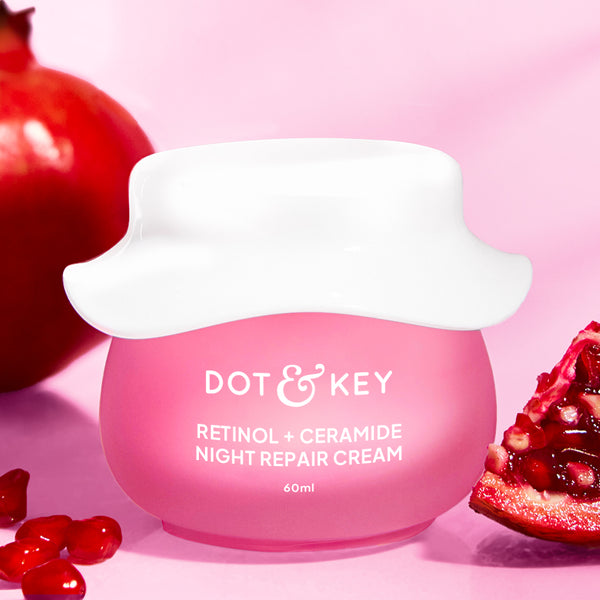
Step 3: Apply a pea‑sized amount of retinol
Use a pea‑sized amount for the whole face. Dot it on the forehead, cheeks, nose, and chin, then spread it thinly. Avoid the eyelids, the corners of the nose, and the lips, which are more prone to irritation.
Step 4: Follow with a moisturiser
A ceramide‑containing moisturiser helps support the barrier and reduces the dryness that retinol can cause. This step is especially important in Indian humidity because dehydrated skin can feel tight even when the air is moist.
Step 5: Start with two nights a week
Do not use the combination every night from the beginning. Start with two nights a week and increase only if the skin remains comfortable. Many people do well with a schedule that alternates: salicylic acid cleanser on some nights, retinol on others, and a gentle cleanser on recovery nights.
An alternative for sensitive skin is to use the salicylic acid cleanser in the morning and retinol at night. This separates the actives by several hours and reduces the overlap in the evening routine.
Salicylic Acid vs Retinol: A Quick Comparison
|
Feature |
Salicylic Acid (Rinse‑Off Cleanser) |
Retinol (Leave‑On) |
|
Primary role |
Clears pores and reduces congestion |
Accelerates cell turnover and supports collagen |
|
Best for |
Oily, acne‑prone, blackhead‑prone skin |
Texture, fine lines, uneven tone, post‑acne marks |
|
Mechanism |
Oil‑soluble BHA; works inside the pore |
Vitamin A derivative; works on renewal and repair |
|
When to use |
Morning or evening, depending on format |
Evening only |
|
Main risk when combined |
Additive exfoliation and barrier dryness |
Retinoid dermatitis if the barrier is already compromised |
Who Should Be Cautious?
A rinse‑off salicylic acid cleanser followed by retinol is not suitable for every skin type. Be especially cautious if you have sensitive, reactive, or dry skin. A skin health expert quoted by Glamour notes that if the barrier is already compromised, the combination can cause tightness, peeling, blotchiness, and inflammation.
You should also avoid the combination, or seek dermatological advice first, if you have:
• Active eczema or dermatitis, because retinoids can cause severe irritation on eczematous skin.
• Rosacea with a compromised barrier.
• Recently had a chemical peel, laser treatment, or waxing.
• Very dry or flaky skin that has not yet adjusted to retinol.
If you are using other drying actives, such as benzoyl peroxide or a leave‑on AHA, adding a salicylic acid cleanser and retinol on top increases the cumulative irritation risk.
Common Mistakes That Cause Irritation
• Using both every night from the start. Tolerance is built gradually, not overnight.
• Applying retinol to damp skin. Wait until the skin is dry after cleansing.
• Using a leave‑on BHA serum instead of a cleanser. The rinse‑off format is gentler for this pairing.
• Skipping moisturiser. Retinol without barrier support is more likely to cause flaking.
• Ignoring early warning signs. Mild tingling can be normal, but persistent redness, burning, or peeling means the routine needs to be paused or spaced out further.
Realistic Timelines
Retinol results are gradual. Texture improvements may begin after four to six weeks of consistent use, while fine lines and pigmentation can take eight to twelve weeks or longer. Salicylic acid provides faster relief for congestion, but its pore‑clearing effect is also cumulative. Tolerance to the combination usually develops over four to six weeks of cautious, intermittent use. If irritation persists beyond that, the routine is too aggressive for your skin at that moment.
When to See a Dermatologist
Seek professional advice if you experience persistent redness, swelling, or burning that does not settle after reducing frequency. You should also see a dermatologist if you have cystic acne, severe dryness, or a history of eczema or contact dermatitis. A dermatologist can recommend prescription alternatives or adjust the routine for your skin barrier.
The Bottom Line
A rinse‑off salicylic acid face wash and a leave‑on retinol can coexist in the same evening routine, but the combination works best when introduced slowly, spaced out, and supported with moisturiser and sunscreen. The cleanser format matters because it reduces the amount of acid left on the skin before retinol is applied. If your skin is sensitive or already irritated, alternating the two actives across different nights is the safer path.
FAQ
Can I use salicylic acid and retinol on the exact same night?
Yes, but only if the salicylic acid is a rinse‑off cleanser and your skin is already tolerant of both ingredients. Use the cleanser first, rinse thoroughly, wait until the skin is dry, then apply a pea‑sized amount of retinol. Start with two nights a week rather than every night.
Should I wait between applying salicylic acid and retinol?
There is no fixed rule, but a few minutes is enough for the skin to dry after cleansing. Retinol should be applied to dry skin to reduce irritation. If you are using a leave‑on BHA serum, wait 20 to 30 minutes, but a rinse‑off cleanser does not require a long wait.
Can I use a salicylic acid toner before retinol?
A leave‑on toner is more exfoliating than a rinse‑off cleanser. If you are new to retinol or have sensitive skin, a rinse‑off cleanser is the safer choice. If you already use a BHA toner regularly, apply it, wait until it is absorbed, and then apply retinol, but reduce the frequency to avoid cumulative irritation.
Is this combination safe for oily, acne‑prone skin?
Oily and acne‑prone skin often tolerates the combination well because salicylic acid addresses congestion while retinol helps with post‑acne marks and texture. However, oily skin can still experience barrier irritation, so moisturiser and gradual introduction are still essential.
What is skin cycling, and does it help?
Skin cycling is a routine that alternates active ingredients with recovery nights. A common version uses an exfoliant on night one, retinol on night two, and moisturiser‑only nights on nights three and four. The principle of spacing out potent actives and allowing barrier recovery is long‑standing dermatological advice, especially for retinoid beginners.
Can I use retinol after a salicylic acid cleanser if I have sensitive skin?
It is possible, but the margin for error is smaller. Use the salicylic acid cleanser only once or twice a week, buffer the retinol with a moisturiser, and consider applying retinol after the moisturiser rather than before. If stinging or redness persists, alternate the products on different nights instead.