



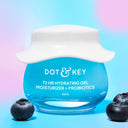
Niacinamide Serum Benefits: What the Evidence Actually Shows
 01 May 2025

Niacinamide serum is one of the most widely recommended skincare products, but the marketing around it often obscures a simple truth: the ingredient works best at concentrations lower than many brands suggest. This guide explains what niacinamide does, which benefits are supported by strong evidence, what concentration is appropriate for different skin types, and how to use it without irritation.
What is Niacinamide and How Does It Work?
Niacinamide, also called nicotinamide, is a water-soluble form of vitamin B3. It is not a trend ingredient. It has been studied in dermatology since the 1970s and is used in both cosmetic formulations and prescription-adjacent skincare for a range of inflammatory and pigmentary conditions.
Its versatility comes from its role as a precursor to nicotinamide adenine dinucleotide (NAD+) , a coenzyme involved in cellular energy production and repair. Topically applied niacinamide supports several biological processes in the skin.
A precursor to NAD+
NAD+ levels decline with age and after exposure to ultraviolet radiation. Niacinamide helps replenish NAD+ pools, which supports keratinocyte differentiation and lipid production. This is one mechanism behind its barrier-supporting and anti-ageing effects.
Barrier support through ceramide synthesis
The skin barrier depends on a lipid matrix composed primarily of ceramides, cholesterol, and free fatty acids. Niacinamide upregulates serine palmitoyltransferase, the rate-limiting enzyme in sphingolipid synthesis, which increases ceramide production. In practical terms, this means the skin loses less water through evaporation (lower transepidermal water loss) and is better protected against environmental irritants.
Sebum regulation and anti-inflammatory effects
Niacinamide reduces sebum production by influencing the sebaceous glands. It also inhibits inflammatory mediators and mast cell degranulation, which helps explain its calming effect on redness-prone skin. In acne-prone skin, this combination of oil regulation and inflammation reduction may help reduce the frequency and severity of breakouts, though it is not a spot treatment.
The Main Benefits of Niacinamide Serum (Evidence-Graded)
Not all benefits are supported by the same level of evidence. The following table grades the strength of evidence for each major claim.
| Benefit | Evidence strength | Typical concentration studied | Notes |
|---|---|---|---|
| Barrier support / reduced water loss | Strong | 2%–5% | Randomized trials and mechanistic studies consistently support this |
| Sebum regulation | Strong | 2%–5% | Clinical studies show measurable reductions in sebum production |
| Redness and inflammation reduction | Moderate | 2%–5% | Supported by studies in acne and rosacea-prone skin |
| Hyperpigmentation and uneven tone | Moderate | 2%–5% | Evidence for melanosome transfer inhibition; results take 8–12 weeks |
| Fine lines and elasticity | Limited / emerging | 5% | Some studies suggest improvement; more research needed |
| Pore appearance | Moderate | 2%–5% | Likely secondary to sebum regulation and barrier support |
Strong evidence: barrier support and hydration
Niacinamide's barrier benefits are among the most consistently demonstrated in the literature. A 2024 randomized controlled trial found that a cosmetic serum containing niacinamide significantly increased skin hydration and reduced erythema after four weeks of use. The mechanism is well understood: niacinamide stimulates ceramide synthesis, which strengthens the skin's lipid barrier and reduces water loss.
Strong evidence: sebum regulation and pore appearance
Niacinamide is one of the few topical ingredients with reliable evidence for reducing sebum production. Clinical trials in humid Asian climates have reported up to 60% reduction in sebum production after eight weeks of regular use. This makes it particularly relevant for oily and combination skin types. The reduction in oil production can indirectly improve the appearance of enlarged pores, though niacinamide does not physically shrink pores.
Moderate evidence: redness and inflammation
Niacinamide's anti-inflammatory properties are supported by studies in acne vulgaris, rosacea, and atopic dermatitis. It reduces erythema (redness) and calms inflammatory pathways. A 2024 review described it as an anti-inflammatory agent with additional barrier-rehabilitating effects. However, it is not a substitute for prescription treatment in moderate-to-severe inflammatory conditions.
Moderate evidence: hyperpigmentation and uneven tone
Niacinamide interferes with the transfer of melanosomes (pigment-carrying organelles) from melanocytes to keratinocytes. This mechanism is distinct from that of vitamin C or hydroquinone. Clinical trials have shown improvements in melasma and post-inflammatory hyperpigmentation at concentrations of 2%–5%, though results typically take 8–12 weeks. For pigmentation, niacinamide is best used alongside daily sunscreen, not as a standalone solution.
Limited/emerging evidence: fine lines and elasticity
Some studies suggest that niacinamide may support collagen and elastin production through its anti-senescence and antioxidant activity. A 2024 mechanistic review noted that niacinamide stimulates collagen, elastin, and ceramide production. However, the clinical evidence for visible fine-line reduction is weaker than for barrier support or sebum regulation. Niacinamide can be a useful supporting ingredient in an anti-ageing routine, but it is not a replacement for retinoids, which have stronger evidence for texture and wrinkle improvement.
What Concentration of Niacinamide Serum Should You Use?
The concentration question is where most consumers are misled. Brands compete on percentage, but the evidence does not support the idea that higher is always better.
2%–5%: the evidence-backed sweet spot
Most of the classic research on niacinamide's barrier, sebum, and pigmentation benefits used concentrations between 2% and 5%. This is where the strongest data sits, and it is also where tolerability is highest. If you are new to niacinamide or have sensitive skin, starting at 2%–3% is a sensible approach.
10%: when it makes sense and when it does not
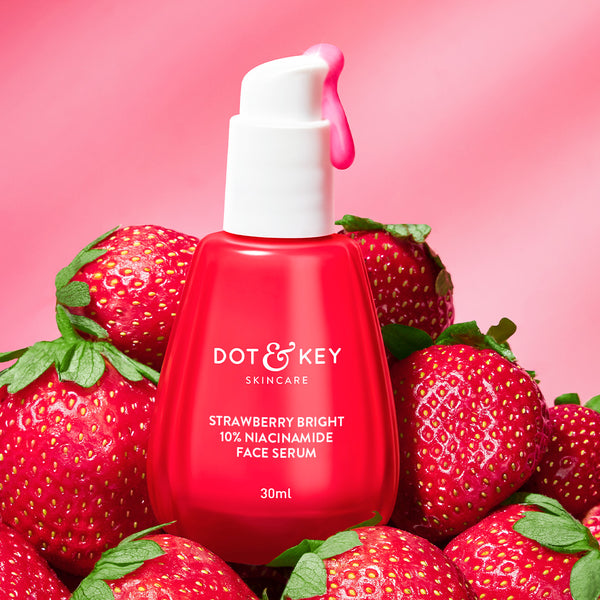
A 10% concentration may offer faster results for oil control in oily, acne-prone skin. Some studies have shown that 10% niacinamide can reduce sebum production more rapidly than lower concentrations. However, there is little evidence that 10% delivers proportionally greater benefits for barrier support, redness, or pigmentation compared with 5%. At 10%, the risk of irritation, flushing, and tingling increases, particularly in sensitive or barrier-compromised skin.
Higher concentrations: marketing versus science
Concentrations of 15% and 20% are increasingly common, but they are not supported by proportionally stronger evidence. The Cosmetic Ingredient Review Expert Panel has concluded that niacinamide is safe up to 20%, but safety is not the same as superior efficacy. For most people, a well-formulated 5% serum provides the full range of documented benefits with a lower risk of irritation.
Which Skin Types Benefit Most from Niacinamide Serum?
| Skin type | Primary benefit | Recommended starting concentration |
|---|---|---|
| Oily / acne-prone | Sebum regulation, pore appearance, inflammation | 5% (or 10% if tolerated) |
| Sensitive / redness-prone | Barrier support, redness reduction | 2%–3% |
| Dry / barrier-compromised | Ceramide synthesis, reduced water loss | 2%–5% |
| Combination | Oil balance, tone improvement | 5% |
| Mature | Barrier support, antioxidant defence | 5% |
Oily and acne-prone skin
Niacinamide is especially well suited to oily and acne-prone skin because it addresses two drivers of breakouts: excess sebum and inflammation. It is not a spot treatment like salicylic acid or benzoyl peroxide. Instead, it helps keep the skin environment balanced to reduce the frequency of congestion. A 5% serum used twice daily is a reasonable starting point.
Sensitive and redness-prone skin
For sensitive skin, niacinamide's barrier-supporting and anti-inflammatory properties are valuable, but concentration matters. Start with 2%–3% and introduce it gradually. Avoid layering multiple products that contain niacinamide, as cumulative exposure can push the effective concentration higher than intended.
Dry and barrier-compromised skin
Niacinamide supports the skin's own ceramide production, which is beneficial for dry skin that struggles to retain moisture. It is not a humectant like hyaluronic acid, so it should be used alongside a moisturiser rather than as a replacement. A 2%–5% serum layered under a ceramide-rich moisturiser is an effective combination.
Combination and mature skin
Combination skin often benefits from niacinamide's oil-balancing effects in the T-zone without over-drying the cheeks. For mature skin, niacinamide's antioxidant and NAD+ precursor activity offers supporting benefits, though it should not replace a retinoid if fine lines and texture are primary concerns.
How to Use Niacinamide Serum in Your Routine
Niacinamide is one of the easiest actives to incorporate because it is stable, water-soluble, and compatible with most other ingredients. It does not require a pH adjustment and is not photosensitising.
Morning vs evening use
Niacinamide can be used morning and evening. There is no evidence that it increases sun sensitivity. In the morning, it layers well under sunscreen. In the evening, it can be used before or after retinol, depending on the formulation.
Layering with vitamin C, retinol, and exfoliating acids
-
Vitamin C: The old claim that niacinamide and vitamin C cancel each other out is not supported by modern evidence. They can be used together, though some people with sensitive skin prefer to use vitamin C in the morning and niacinamide in the evening to minimise the number of actives applied at once.
-
Retinol: Niacinamide and retinol are a well-established pairing. Niacinamide's barrier support can help buffer retinol's irritation. Apply niacinamide first, wait a minute, then apply retinol.
-
Exfoliating acids (AHA/BHA): These can be used in the same routine, but if you are prone to irritation, alternate them or use them on different days. Niacinamide itself is not exfoliating.
A simple AM/PM routine table
| Step | Morning | Evening |
|---|---|---|
| 1 | Gentle cleanser | Gentle cleanser |
| 2 | Hydrating toner (optional) | Niacinamide serum |
| 3 | Niacinamide serum | Retinol (if using) |
| 4 | Moisturiser | Moisturiser |
| 5 | Sunscreen SPF 30+ | (optional occlusive) |
Does Niacinamide Serum Cause Purging or Breakouts?
No. Niacinamide does not cause true skin purging. Purging occurs when an ingredient increases cell turnover, pushing existing microcomedones to the surface more quickly. Niacinamide does not increase cell turnover; that is a characteristic of retinoids and exfoliating acids.
If you experience breakouts after starting a niacinamide serum, the most likely explanations are:
-
Irritation from a high concentration (10% or above), which can manifest as redness, small bumps, or stinging.
-
A reaction to another ingredient in the formulation, such as a preservative, fragrance, or fatty alcohol.
-
Coincidental timing. Skin naturally fluctuates, and a new product is often blamed for changes that would have occurred anyway.
If irritation occurs, reduce the concentration or frequency, or discontinue use. If you suspect a true allergic reaction (persistent redness, swelling, itching), consult a dermatologist.
How to Choose a Niacinamide Serum
When selecting a niacinamide serum, consider the following:
-
Concentration: Look for 2%–5% if your primary concerns are barrier support, redness, or pigmentation. Choose 10% only if you have oily, resilient skin and oil control is the main goal.
-
Formulation: Water-based serums are lightweight and layer well. If you have dry skin, a niacinamide moisturiser may be more appropriate.
-
Supporting ingredients: Niacinamide pairs well with zinc (for oil control), hyaluronic acid (for hydration), ceramides (for barrier support), and peptides.
-
Packaging: Niacinamide is stable in heat and light, so packaging is less critical than for vitamin C. However, opaque or airless packaging is generally preferable.
-
Fragrance: If you have sensitive skin, choose a fragrance-free formulation to reduce irritation risk.
A premium niacinamide serum should clearly state its concentration and avoid exaggerated claims. If a product claims to "cure acne" or "erase pigmentation," treat that as a red flag. Niacinamide supports skin health; it does not cure medical conditions.
Common Mistakes to Avoid
-
Starting too high. A 10% serum is not inherently better than a 5% serum for most people. Start lower and increase only if needed.
-
Layering multiple niacinamide products. Niacinamide appears in cleansers, toners, serums, moisturisers, and even foundations. Cumulative exposure can push the effective concentration into irritating territory.
-
Expecting overnight results. Barrier and tone improvements typically take 4–8 weeks. Pigmentation changes may take 8–12 weeks.
-
Skipping sunscreen. Niacinamide can help protect against some UV-induced damage, but it is not a sunscreen. Daily broad-spectrum SPF is essential, especially if pigmentation is a concern.
-
Using it as a spot treatment. Niacinamide works systemically on the skin, not as a targeted spot treatment. Apply it to the full face or relevant areas.
FAQ
Does niacinamide serum really work?
Yes, for specific benefits. The strongest evidence supports its use for barrier support, sebum regulation, and redness reduction. Evidence for pigmentation improvement is moderate but consistent. Evidence for fine-line reduction is weaker. Niacinamide is not a miracle ingredient, but it is one of the better-studied skincare actives.
What percentage of niacinamide is most effective?
Most research supports 2%–5% for barrier, sebum, and pigmentation benefits. A 10% concentration may offer faster oil control for oily skin but increases irritation risk. Higher concentrations are not supported by proportionally stronger evidence.
Can I use niacinamide serum every day?
Yes. Niacinamide is generally well tolerated for daily use, morning and evening. If you have sensitive skin, start with once daily and increase frequency as tolerated.
Does niacinamide serum cause purging?
No. Niacinamide does not increase cell turnover, so true purging is not expected. Breakouts after starting niacinamide are more likely due to irritation, another ingredient, or coincidence.
Can I use niacinamide with vitamin C?
Yes. The claim that they cancel each other out is not supported by evidence. They can be layered or used in separate routines. Sensitive skin may prefer to use vitamin C in the morning and niacinamide in the evening.
Is niacinamide safe during pregnancy?
Topical niacinamide is generally considered safe during pregnancy and breastfeeding. However, always consult your healthcare provider before introducing new skincare ingredients during pregnancy.
How long does niacinamide take to work?
Barrier and hydration improvements may be noticeable within 2–4 weeks. Sebum regulation and redness reduction typically take 4–8 weeks. Pigmentation changes may take 8–12 weeks.
Can niacinamide serum help with acne scars?
Niacinamide may help improve the appearance of post-inflammatory hyperpigmentation (the dark marks left after acne), but it does not treat atrophic scars (indented scars). For indented scarring, consult a dermatologist about procedures such as microneedling or laser therapy.
Conclusion
Niacinamide serum is a genuinely useful skincare product, but it is not a magic bullet. Its strongest benefits are barrier support, sebum regulation, and redness reduction, with moderate evidence for pigmentation improvement. The sweet spot for most people is 2%–5%, not the 10% or 20% that brands often promote. Used consistently and at an appropriate concentration, niacinamide can be a valuable part of a balanced routine. Pair it with sunscreen, a gentle cleanser, and a moisturiser that suits your skin type, and give it at least eight weeks to show results.