Is Salicylic Acid Good for Sensitive Skin?

Sanchari | Last Updated On 23 Jan 2026
7 mins read
Table of Contents
Is Salicylic Acid Good for Sensitive Skin?

Salicylic acid is a popular skincare ingredient known for targeting acne, blackheads, and clogged pores. But if you have sensitive skin, it’s natural to wonder whether this exfoliating acid is actually a good idea—or something to avoid altogether. So, is salicylic acid good for sensitive skin? The answer isn’t a straightforward yes or no. It largely depends on how it’s used, the concentration, and how your skin reacts to it.

Salicylic acid belongs to the beta hydroxy acid (BHA) family and works by penetrating deep into pores to dissolve excess oil and dead skin cells. This makes it especially effective for acne-prone and oily skin types. However, because it is an active exfoliant, it can sometimes feel too strong for sensitive skin if introduced too quickly or used too often.

When used correctly, salicylic acid can still offer benefits for sensitive skin, such as smoother texture and clearer pores. The key lies in choosing the right formulation, starting with a low concentration, and pairing it with soothing, barrier-supporting ingredients. On the flip side, improper use can lead to dryness, redness, or irritation.

In this article, we’ll break down how salicylic acid works, its potential benefits and drawbacks for sensitive skin, and practical tips for using it safely. We’ll also explore gentler alternatives for those who find salicylic acid doesn’t suit their skin. With the right approach, you can make an informed decision that supports your skin’s health—without unnecessary trial and error.

Table of Contents

What is Salicylic Acid?

Salicylic acid is a gentle chemical exfoliant derived from willow bark, though modern versions are synthesised in labs for purity and consistency. It belongs to the beta hydroxy acid family, which makes it oil-soluble. This means it can penetrate deep into the pores, unlike water-soluble alpha hydroxy acids (AHAs) that mainly work on the skin's surface.

Think of your skin like a busy city with tiny tunnels (pores) that sometimes get clogged with oil, dead cells, and debris. Salicylic acid acts like a clever cleaner that slips into those tunnels to dissolve the blockages. This process helps prevent acne and gives the skin a smoother texture.

According to the American Academy of Dermatology (AAD), topical salicylic acid helps unclog pores and exfoliate the skin, making it a common recommendation for acne management.

How Does Salicylic Acid Work on the Skin?

Salicylic acid works in several simple ways to improve skin health:

  • Exfoliation: It breaks down the bonds holding dead skin cells together, encouraging them to shed naturally.

  • Pore clearing: Being oil-soluble, it reaches inside pores to remove excess sebum and debris.

  • Anti-inflammatory effects: It calms redness and swelling associated with acne.

  • Sebum regulation: It helps control oil production, which is useful for oily or combination skin types.

Clinical studies support these actions. For example, research published in peer-reviewed journals shows that salicylic acid effectively reduces acne lesions by promoting exfoliation without excessive harshness when used at appropriate strengths.

Benefits of Salicylic Acid

The benefits of salicylic acid make it a favourite for many skincare concerns, particularly acne-prone skin. Here are some key advantages:

  • Reduces breakouts by preventing clogged pores.

  • Smooths skin texture by removing dead cells.

  • Fades post-acne marks over time with consistent use.

  • Helps with blackheads and whiteheads.

  • Provides mild anti-ageing effects through gentle exfoliation.

For those with acne, salicylic acid for acne treatment is often effective. A study in the Journal of the American Academy of Dermatology found that a 2% salicylic acid formulation significantly reduced acne lesion counts and was well-tolerated by participants.

Even for sensitive skin types experiencing occasional breakouts, lower concentrations can offer these salicylic acid benefits without overwhelming the skin barrier.

Potential Side Effects of Salicylic Acid

Like any active ingredient, salicylic acid has side effects, especially if misused. Common issues include:

  • Dryness and flaking.

  • Redness or stinging.

  • Itching or mild burning.

  • Increased sensitivity to sunlight.

These salicylic acid side effects occur because it is an exfoliant that speeds up cell turnover. For sensitive skin, the risk of irritation is higher due to a thinner or more reactive skin barrier.

Research says that salicylic acid topical can cause skin irritation, particularly in those with sensitive skin, but severe reactions are rare when used correctly.

Is Salicylic Acid Suitable for Sensitive Skin?

It can be, but with caution. Sensitive skin reacts more strongly to exfoliants, so high concentrations or frequent use may lead to irritation.

Dermatologists generally agree that salicylic acid for sensitive skin is possible at low doses. Start with 0.5% to 1% in leave-on products or 2% in wash-off cleansers. Many patients with sensitive yet acne-prone skin tolerate it well when introduced gradually.

Evidence from clinical trials shows that formulations with 2% salicylic acid are effective for acne while maintaining a good safety profile, even in varied skin types. However, if your skin is very reactive, such as with rosacea or eczema, it might not be the best first choice.

How to Use Salicylic Acid Safely on Sensitive Skin

Using salicylic acid on sensitive skin requires a gentle approach. Follow these steps for the best results:

  1. Patch test first: Apply a small amount behind your ear or on your inner arm. Wait 24 to 48 hours to check for reactions.

  2. Choose low concentrations: Opt for products with 0.5% to 2% salicylic acid.

  3. Start slowly: Use it once or twice a week, then build up if your skin tolerates it.

  4. Apply to clean, dry skin: For serums or treatments, use after cleansing but before moisturiser.

  5. Follow with hydration: Always layer a soothing moisturiser to support the skin barrier.

  6. Use sunscreen daily: Exfoliants increase sun sensitivity.

  7. Avoid mixing with strong actives: Do not combine with retinoids or other acids initially.

Practical example: If you have mild blackheads on your nose, try a gentle salicylic acid toner two evenings a week. Cleanse your face, apply the toner to the affected area, wait a minute, then moisturise. Monitor for any redness and adjust as needed.

By following these tips for using salicylic acid safely, many people with sensitive skin enjoy its benefits without problems.

Alternatives to Salicylic Acid for Sensitive Skin

If salicylic acid proves too irritating, several gentler options exist:

  • Azelaic acid: Anti-inflammatory, unclogs pores, and suitable for sensitive or rosacea-prone skin.

  • Mandelic acid: A larger-molecule AHA that exfoliates slowly and causes less irritation.

  • Lactic acid: Mild AHA that hydrates while exfoliating.

  • Bakuchiol: Plant-based alternative with similar benefits to retinoids but less irritation.

  • Niacinamide: Strengthens the barrier, reduces oil, and calms inflammation.

  • Tea tree oil (diluted): Natural antibacterial for spot treatment.

These alternatives to salicylic acid often work well for beta hydroxy acid sensitive skin concerns, providing exfoliation without the same risk.

Conclusion

Salicylic acid can be a valuable addition to your skincare routine, even if you have sensitive skin. Its ability to deeply cleanse pores and fight acne makes it effective, but patience and caution are key. Start low, go slow, and listen to your skin. If irritation persists, consult a dermatologist for personalised advice. With the right approach, salicylic acid for sensitive skin can help achieve clearer, smoother complexions without unnecessary discomfort. Remember, great skin comes from consistent, gentle care rather than aggressive treatments.

Key Takeaways

  • Salicylic acid is an oil-soluble exfoliant effective for acne and clogged pores.

  • It offers benefits like reduced breakouts and smoother texture.

  • For sensitive skin, use low concentrations and introduce it gradually.

  • Common side effects include dryness and redness, but these are manageable.

  • Always patch-test and moisturise well.

  • Gentler alternatives like azelaic or mandelic acid exist if needed.

  • Evidence from dermatology guidelines supports its use when applied correctly.

FAQs

Can people with sensitive skin use salicylic acid daily?

Not usually at first. Begin with a few times a week and increase only if no irritation occurs. Daily use may suit some, but sensitive skin often needs less frequency.

What is the best concentration of salicylic acid for sensitive skin?

Aim for 0.5% to 1% in leave-on products or up to 2% in cleansers. Higher amounts increase irritation risk.

Does salicylic acid make sensitive skin worse?

It can temporarily if overused, causing dryness or redness. Proper introduction minimises this, and many see improvement in acne without worsening sensitivity.

How long does it take to see results from salicylic acid on sensitive skin?

Expect noticeable changes in 4 to 6 weeks with consistent use. Acne reduction may appear sooner, but full benefits take time.

Can I use salicylic acid if I have rosacea or eczema?

Generally avoid it during flares, as it may aggravate these conditions. Consult a dermatologist for suitable options.

Is salicylic acid better than glycolic acid for sensitive skin?

Salicylic acid often suits oily, acne-prone sensitive skin better due to its oil-solubility. Glycolic acid, an AHA, may irritate more but works well for surface dryness. It depends on your concerns.

What should I do if salicylic acid causes irritation?

Stop use immediately, soothe with a gentle moisturiser, and resume at a lower frequency or concentration once recovered. Persistent issues warrant professional advice.


Our Recommendation

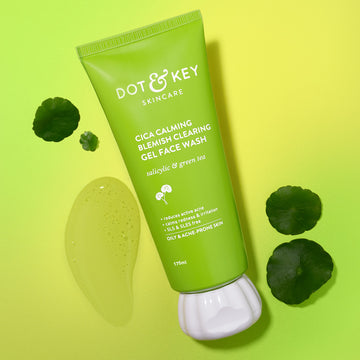
Cica + Salicylic Acid Face Wash for Oily Skin
BESTSELLER Featured Tag Icon

Oily & Acne-Prone Skin

Cica + Salicylic Acid Face Wash for Oily Skin
Full Star Full Star Full Star Full Star Half Star
(1089)

Upto 20% OFF + Free Gifts

375

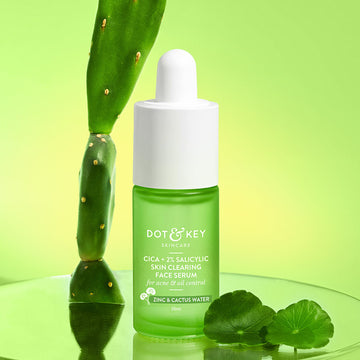
Cica + 2% Salicylic Acid Serum for Acne

Oily, Acne-Prone & Sensitive Skin

Cica + 2% Salicylic Acid Serum for Acne
Full Star Full Star Full Star Full Star Half Star
(549)

Upto 20% OFF + Free Gifts

550

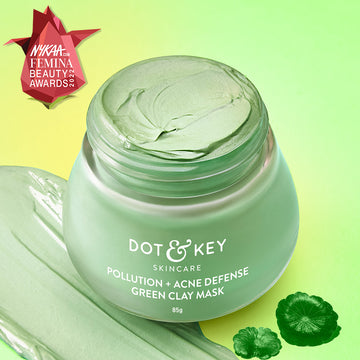
Cica & Salicylic French Green Clay Face Mask
BESTSELLER Featured Tag Icon

Oily, Acne-Prone Skin

Cica & Salicylic French Green Clay Face Mask
Full Star Full Star Full Star Full Star Half Star
(626)

Upto 20% OFF + Free Gifts

550