Winter to Summer Skincare Transition Guide for Healthy Skin

Sanchari | Last Updated On 29 Jan 2026
7 mins read
Table of Contents
Winter to Summer Skincare Transition Guide for Healthy Skin

As the seasons change, your skin feels it first. What worked perfectly in winter can suddenly feel heavy, greasy, or uncomfortable once temperatures start rising.

During winter, cold winds and dry indoor heating strip moisture from the skin, which is why richer creams and barrier-repair formulas become essentials. But summer brings a completely different set of challenges—heat, humidity, increased sweat, excess oil production, and stronger UV exposure. If your skincare routine doesn’t adapt, it can lead to clogged pores, breakouts, dullness, or irritation.

The key to transitioning your skincare routine from winter to summer is making small, thoughtful swaps. Think lighter textures, gentle cleansing, consistent sun protection, and mild exfoliation to keep skin balanced and comfortable. These changes help maintain hydration without heaviness and protect the skin from seasonal stress.

A smooth transition isn’t about overhauling everything overnight—it’s about responding to what your skin needs right now. Below is a complete, science-backed guide to help your skin move effortlessly from winter dryness to summer freshness, while staying healthy, clear, and resilient.

Table of Contents

Why Your Skin Needs Different Care in Summer

Your skin is your body’s largest organ and it reacts to the environment around it.

In winter, low humidity and cold winds disrupt the skin barrier, leading to dryness and flaking. In summer, higher temperatures increase sebum (oil) production. A study in the Journal of Investigative Dermatology showed that sebum output can rise by up to 60% in warm conditions. Humidity also affects the skin: it can make oily areas feel greasy while still leaving the skin dehydrated underneath because sweat evaporates quickly.

UV radiation is much stronger in summer months. The British Association of Dermatologists notes that UV levels in the UK can be high enough to cause damage even on cloudy days from April to September. Without proper protection, this leads to premature ageing, dark spots, and higher skin cancer risk.

Ignoring these changes is common. Many people keep using heavy winter products and end up with blocked pores, acne, or milia (small white bumps).

Key Differences Between Winter and Summer Skincare Routines

Winter routine:

  • Rich, occlusive creams

  • Hydrating, creamy cleansers

  • Less frequent exfoliation

  • Focus on barrier repair

Summer routine:

  • Lightweight, gel-based textures

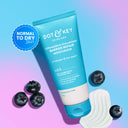
  • Gentle foaming or gel cleansers

  • Regular mild exfoliation

  • Daily broad-spectrum sunscreen as the priority

The goal is balance. Even oily skin needs hydration, but in a form that will not clog pores.

Step-by-Step Guide to Transitioning Your Skincare Routine

Make changes over two to four weeks so your skin can adjust without reacting.

1. Start with a Skin Assessment

Look closely at your skin in natural light.

  • Is your forehead or nose shinier than usual?

  • Do your cheeks feel tight after washing?

  • Have you noticed new spots or texture changes?

This simple check helps you choose the right products. Take photos weekly to track progress.

2. Change Your Cleanser

Winter cream cleansers can feel too heavy in warmer weather.

Switch to a gentle gel or light foaming cleanser. These remove excess oil and sweat without stripping the skin barrier. Over-cleansing is a frequent mistake: washing too often or using harsh products triggers more oil production as the skin tries to compensate.

Cleanse twice daily – morning and night – and use lukewarm water. Hot water damages the barrier further.

3. Lighten Your Moisturiser

This is the change most patients notice first.

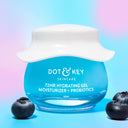
Replace thick creams with gel or lotion formulas containing humectants like hyaluronic acid or glycerin. These draw water into the skin without feeling greasy.

A common myth is that oily skin does not need moisturiser in summer. In fact, skipping it leads to dehydration, which makes oil glands work harder. The International Journal of Cosmetic Science has published research showing that proper hydration reduces sebum production over time.

If your skin is very dry, layer a lightweight serum under a light moisturiser rather than returning to heavy creams.

4. Prioritise Sun Protection

Sunscreen is essential every day, but summer requires stricter habits.

Use a broad-spectrum sunscreen with SPF 30 or higher. Choose water-resistant formulas in gel or fluid textures for comfortable wear under makeup or alone.

Apply generously: about half a teaspoon for the face and neck. Reapply every two hours when outdoors, or after swimming or sweating.

Dermatologists say: “Sunscreen is the most effective anti-ageing product available. Daily use prevents up to 90% of visible skin ageing.”

5. Add Gentle Exfoliation

Summer sweat and oil can clog pores more easily.

Introduce chemical exfoliants two to three times per week. Salicylic acid works well for oily or acne-prone skin as it penetrates pores. Lactic or mandelic acid are gentler options for dry or sensitive types.

Start with low concentrations to avoid irritation. Over-exfoliation thins the skin barrier and increases sun sensitivity.

6. Adjust Active Ingredients

Many actives can stay in your routine, but formulation matters.

Vitamin C serums provide antioxidant protection against summer pollution and UV damage. Choose lightweight versions.

Retinoids can continue at night, but reduce frequency if your skin feels more sensitive from sun exposure. Always follow with moisturiser and use sunscreen diligently the next day.

Niacinamide is excellent year-round: it controls oil, reduces redness, and strengthens the barrier.

7. Care for Often-Neglected Areas

Do not forget your neck, chest, and hands. These areas show sun damage quickly. Use the same sunscreen and lightweight moisturiser there.

Lips need protection too – choose a lip balm with SPF.

8. Support Your Skin from Inside

Skincare is not only topical.

Drink plenty of water – aim for two to three litres daily. Eat foods rich in antioxidants: berries, tomatoes, leafy greens, and nuts. These help fight free-radical damage from UV rays.

Good sleep and stress management also matter. Chronic stress raises cortisol, which can increase oil production and inflammation.

Tailoring the Transition to Different Skin Types

Oily or Acne-Prone Skin

Focus on oil-free, non-comedogenic products. Mattifying ingredients and salicylic acid help keep pores clear.

Dry or Sensitive Skin

Keep hydration high but in lighter forms. Look for ceramides and soothing ingredients like centella asiatica.

Combination Skin

Use different textures for different zones: gel on oily areas, light lotion on dry cheeks.

Mature Skin

Maintain anti-ageing actives but emphasise hydration and broad-spectrum protection. Antioxidants become even more important.

Common Mistakes During Seasonal Transitions

  • Stopping moisturiser completely because “it’s humid”

  • Using the same small amount of winter sunscreen

  • Exfoliating daily to “control shine”

  • Relying on makeup with SPF as the only protection

  • Forgetting to patch-test new summer products

Small adjustments prevent these problems.

When to Seek Professional Advice

Most seasonal changes are straightforward, but see a dermatologist if you notice:

  • Persistent or worsening acne

  • Unusual redness or rosacea flares

  • New dark patches or moles

  • Severe dryness that does not improve

Early intervention prevents long-term issues.

The American Academy of Dermatology states: “Broad-spectrum sunscreen and protective clothing reduce skin cancer risk by significant amounts when used consistently.”

Conclusion

Transitioning your skincare routine from winter to summer is about working with your skin’s natural responses rather than against them. By choosing lighter textures, strengthening sun protection, and keeping hydration balanced, you protect your skin from heat, humidity, and UV damage while preventing common summer concerns like congestion and dehydration.

Small, consistent changes make the biggest difference. Your skin will feel comfortable, look brighter, and stay healthier through the warmer months.

Key Takeaways

  • Switch to lighter, gel-based moisturisers and cleansers

  • Use broad-spectrum sunscreen daily and reapply often

  • Introduce gentle exfoliation to prevent clogged pores

  • Keep hydrating even if skin feels oily

  • Adjust gradually over two to four weeks

  • Protect neck, chest, hands, and lips too

  • Support skin with water, diet, and sleep

Frequently Asked Questions 

Q1: How long does it take for skin to adjust to a summer routine?

Most people see improvement within two to four weeks. Go slowly to avoid irritation.

Q2: Can I keep using my winter moisturiser in summer?

Only if it is already lightweight and your skin stays dry. Most people benefit from switching to a lighter formula.

Q3: Should I stop using retinoids in summer?

No, but reduce frequency if needed and always use sunscreen the next day. Retinoids increase sun sensitivity.

Q4: Is it safe to exfoliate more in summer?

Yes, mildly two to three times per week, but avoid overdoing it. Too much exfoliation damages the barrier and increases burn risk.

Q5: What if my skin feels both oily and dry at the same time?

This is dehydrated skin. Add a hyaluronic acid serum and light moisturiser while using gentle cleansing.

Q6: How much sunscreen should I use on my face?

About half a teaspoon (2–3 ml) for face and neck. More is better for proper protection.

Q7: Do I still need moisturiser if it is very humid?

Yes. Humidity does not replace proper hydration. Skipping moisturiser leads to dehydration and excess oil.

Q8: Can children follow the same transition tips?

Basic principles apply, but choose fragrance-free, gentle products and higher SPF for children.


Our Recommendation

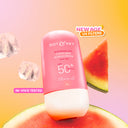
Vitamin C + E Sunscreen SPF 50+ PA++++ With New-Age UV Filters
BESTSELLER Featured Tag Icon

All Skin Types

Vitamin C + E Sunscreen SPF 50+ PA++++ With New-Age UV Filters
Full Star Full Star Full Star Full Star Half Star
(2001)

Upto 20% OFF + Free Gifts

595

Watermelon Cooling Sunscreen SPF 50+ PA++++ With New-Age UV Filters
BESTSELLER Featured Tag Icon

Oily & Combination Skin

Watermelon Cooling Sunscreen SPF 50+ PA++++ With New-Age UV Filters
Full Star Full Star Full Star Full Star Half Star
(1608)

Upto 20% OFF + Free Gifts

595

Strawberry Dew Tinted Sunscreen SPF 50+ PA++++ With New-Age UV Filters
BESTSELLER Featured Tag Icon

All Skin Types

Strawberry Dew Tinted Sunscreen SPF 50+ PA++++ With New-Age UV Filters
Full Star Full Star Full Star Full Star Half Star
(1556)
Peony - 00 Very Light

Upto 20% OFF + Free Gifts

549

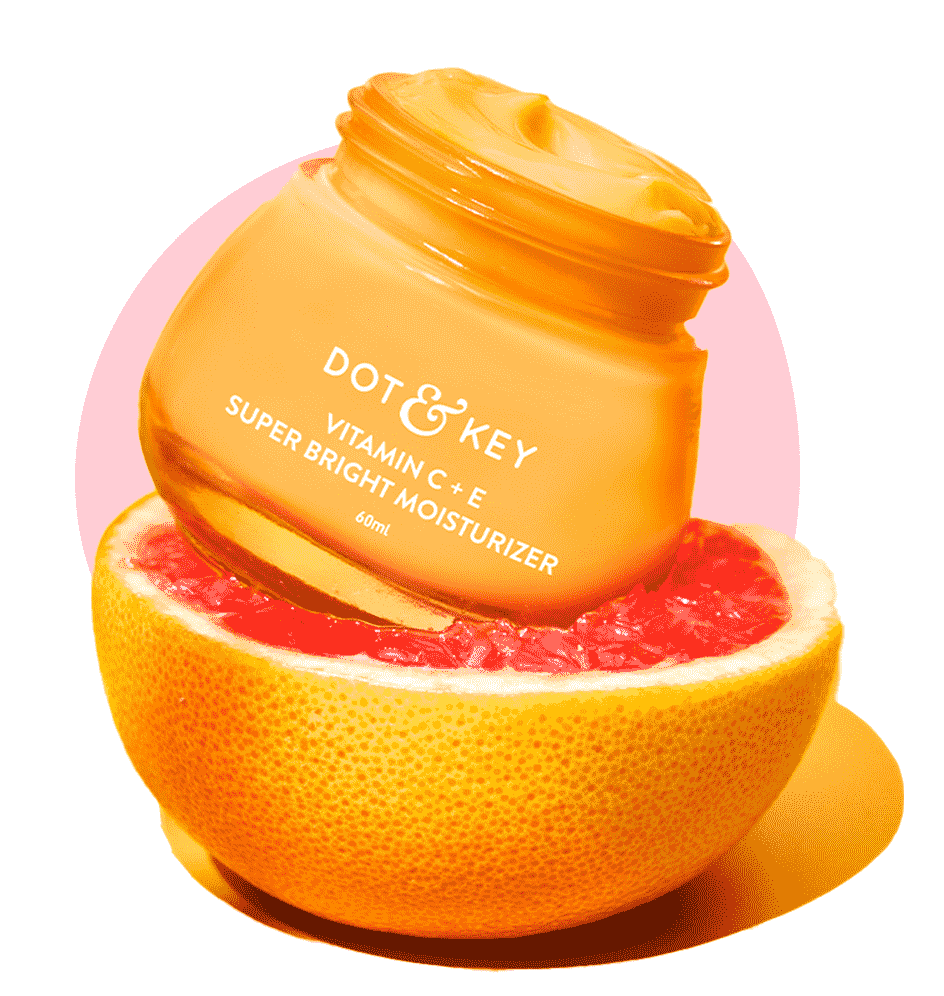
Vitamin C + E Moisturizer for Glowing Skin
BESTSELLER Featured Tag Icon

Oily & Combination Skin

Vitamin C + E Moisturizer for Glowing Skin
Full Star Full Star Full Star Full Star Half Star
(1756)

Upto 20% OFF + Free Gifts

495

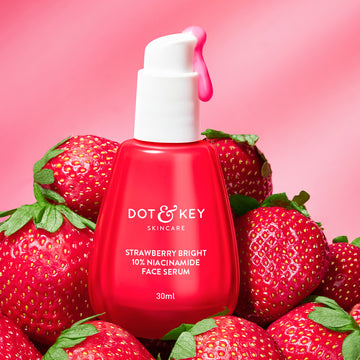
Strawberry Bright 10% Niacinamide Face Serum
BESTSELLER Featured Tag Icon

All Skin Types

Strawberry Bright 10% Niacinamide Face Serum
Full Star Full Star Full Star Full Star Half Star
(1161)

Upto 20% OFF + Free Gifts

599

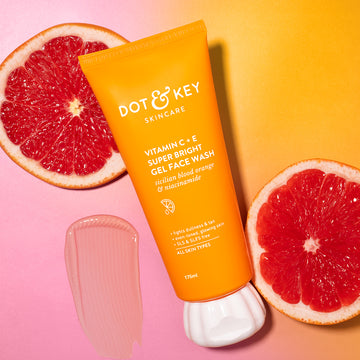
Vitamin C + E Gel Face Wash for Glowing Skin
BESTSELLER Featured Tag Icon

All Skin Types

Vitamin C + E Gel Face Wash for Glowing Skin
Full Star Full Star Full Star Full Star Half Star
(972)

Upto 20% OFF + Free Gifts

375

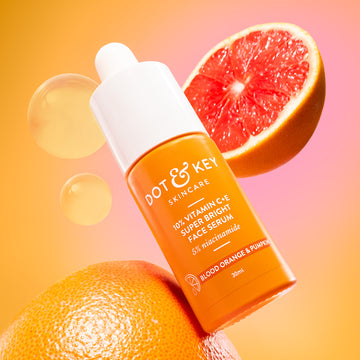
10% Vitamin C + E Face Serum with 5% Niacinamide
BESTSELLER Featured Tag Icon

All Skin Type

10% Vitamin C + E Face Serum with 5% Niacinamide
Full Star Full Star Full Star Full Star Half Star
(925)

Upto 20% OFF + Free Gifts

695