Uneven Skin Tone: Causes, Treatments, and Skincare Routine

Raj | Last Updated On 09 Apr 2026
9 mins read
Table of Contents
Uneven Skin Tone: Causes, Treatments, and Skincare Routine

Have you ever caught your reflection and noticed patches of darker skin around your cheeks, forehead, or jawline that just will not seem to fade? Or maybe your once-even complexion now looks dull and blotchy, making makeup feel like it is working against you instead of with you? You are far from alone. 

Uneven skin tone affects millions of adults worldwide, chipping away at confidence and making simple daily routines feel frustrating. The good news is that with the right understanding of what drives it and a consistent, targeted approach, you can restore a more balanced, radiant complexion. This guide breaks down the real causes, evidence-based treatments, and a practical daily routine that delivers visible results without the hype.

Table of Contents

What Is Uneven Skin Tone?

Uneven skin tone refers to noticeable variations in skin pigmentation or texture that create patches, spots, or overall dullness. It happens when melanin, the natural pigment that gives skin its colour, becomes unevenly distributed or overproduced in certain areas. Unlike a uniform glow, you might see darker spots, redness, or areas that look faded and lifeless.

People often confuse it with hyperpigmentation. Hyperpigmentation is a specific type of uneven tone where excess melanin creates darker patches. Uneven tone can also include redness from inflammation or subtle texture changes from dryness. It shows up on the face, neck, chest, or hands and impacts every skin type, though those with medium to deeper tones often notice it more because of higher melanin activity.

The condition is not just cosmetic. Large international surveys show that about half of adults report at least one pigmentary disorder, with post-inflammatory hyperpigmentation affecting around 15 per cent. It can affect quality of life through self-consciousness or even workplace concerns. Understanding the root cause is the first step toward fixing it effectively.

What Causes Uneven Skin Tone?

Your skin produces melanin in specialized cells called melanocytes to protect itself. When those cells get triggered, production ramps up unevenly, leading to visible discolouration. Here are the primary drivers.

Sun Exposure and UV Damage

This tops the list for a reason. Ultraviolet rays stimulate melanocytes to churn out extra melanin as a defence mechanism. Over time, this creates sunspots, freckles, or broad patches of darkening, especially on the face, hands, and décolleté. Even brief daily exposure without protection adds up. Pollution worsens the problem by generating free radicals that further inflame skin and boost pigment production.

Post-Inflammatory Hyperpigmentation (PIH)

Any injury, breakout, or irritation, think acne, razor bumps, eczema, or even picking at skin, can leave dark marks behind. Inflammation signals melanocytes to overreact, and the resulting pigment lingers long after the original issue heals. This is especially common after acne and appears more prominently in medium to deeper skin tones.

Hormonal Changes

Fluctuations in estrogen and other hormones can trigger melasma: symmetrical brown or gray-brown patches often on the cheeks, forehead, or upper lip. Pregnancy, birth control, or hormone therapy frequently sparks it. The condition can appear suddenly and feels stubborn until the hormonal trigger stabilizes.

Ageing and Intrinsic Factors

As skin matures, cell turnover slows, allowing pigment to build up. Combined with years of cumulative sun exposure, this leads to age spots and overall dullness. Genetics also play a role, some people naturally produce more melanin or have melanocytes that respond more intensely to triggers.

Other Contributors

Certain medications, chronic dryness, or environmental stressors like smoke can disrupt normal pigment balance. In urban environments, pollution particles penetrate skin and accelerate discoloration.

Recognizing your specific trigger helps you choose the most effective fixes. For example, sun-driven spots respond best to daily protection, while PIH benefits from calming inflammation first.

How to Treat Uneven Skin Tone Effectively

The most successful approach combines gentle exfoliation, targeted brightening, strong protection, and lifestyle support. Results take patience, expect gradual improvement over 4 to 12 weeks with consistency.

Key Topical Ingredients That Work

Dermatologists rely on several proven compounds that interrupt melanin production, speed cell turnover, or reduce inflammation. Use them thoughtfully and always layer properly.

Ingredient

How It Works

Best For

Notes

Vitamin C (ascorbic acid)

Antioxidant that blocks melanin formation and brightens existing spots

Sun damage, dullness

Use in morning; stable forms are gentler

Niacinamide (vitamin B3)

Reduces melanin transfer, calms inflammation, strengthens barrier

PIH, redness, overall tone

Gentle for all skin types; 5–10% effective

Retinoids / retinol

Increases cell turnover to shed pigmented cells

Aging, PIH, texture

Start slow at night; avoid during pregnancy

Alpha hydroxy acids (glycolic, lactic)

Exfoliate surface dead cells

Dullness, mild pigmentation

Use 1–3 times weekly to prevent irritation

Azelaic acid

Inhibits tyrosinase (melanin enzyme), anti-inflammatory

Acne-related PIH, sensitive skin

Safe during pregnancy

Kojic acid / arbutin / licorice root

Natural tyrosinase inhibitors

Mild spots, brightening

Often combined for synergy

Introduce one active at a time, patch-test on your inner arm, and monitor for irritation. Sunscreen remains non-negotiable, broad-spectrum SPF 30 or higher every single day prevents new pigment from forming and lets current treatments work.

Professional Options

When topical care needs reinforcement, consider in-office procedures such as chemical peels (to resurface and fade pigment), targeted light therapies, or microneedling to stimulate renewal. These accelerate results but work best alongside a solid at-home routine. A dermatologist can tailor recommendations to your skin type and concerns.

Lifestyle Changes That Support Even Tone

Skin health starts inside. Eat plenty of antioxidant-rich foods, berries, citrus, leafy greens, nuts, and fatty fish, to fight free radicals. Stay hydrated (aim for at least eight glasses of water daily) to keep skin plump and resilient. Regular exercise boosts circulation, delivering nutrients to skin cells, while quality sleep (7–9 hours) allows overnight repair. Manage stress through movement or mindfulness, as chronic tension can worsen inflammation. Avoid smoking, which restricts blood flow and accelerates pigment changes.

Building Your Daily Skincare Routine for Even Skin Tone

A simple, repeatable routine delivers the biggest transformation. Focus on gentle cleansing, targeted treatment, hydration, and protection. Adjust slightly for dry, oily, or combination skin.

Morning Routine (Protect and Brighten)

  1. Gentle cleanser: Use a mild, non-foaming formula to remove overnight buildup without stripping the barrier.

  2. Brightening serum: Apply 2–3 drops of vitamin C or niacinamide serum. Let it absorb fully.

  3. Moisturizer: Lock in hydration with a lightweight, non-comedogenic cream containing ceramides or hyaluronic acid.

  4. Broad-spectrum sunscreen: Finish with SPF 30+ (reapply every two hours if outdoors). This step alone can prevent worsening and help fade existing spots over time.

Evening Routine (Repair and Renew)

  1. Cleanser: Remove the day’s impurities. Double-cleanse if you wear makeup or sunscreen.

  2. Treatment: Alternate or layer a retinoid (2–3 nights a week to start) or azelaic acid. On other nights, use a gentle AHA exfoliant 1–2 times weekly.

  3. Brightening serum: Follow with niacinamide or vitamin C if not used in the morning.

  4. Moisturizer: Seal everything in with a richer night cream to support barrier repair while you sleep.

Weekly Additions

Exfoliate 1–3 times per week with a chemical exfoliant rather than harsh scrubs. Always follow with extra hydration. If your skin feels sensitive, reduce frequency.

Consistency beats perfection. Track progress with weekly photos in consistent lighting. Most people see a noticeable evening of tone within 8–12 weeks, with continued improvement over months.

Prevention Tips to Maintain Results

Once your skin evens out, keep it that way. Reapply sunscreen religiously, even on cloudy days or indoors near windows. Wear wide-brimmed hats and seek shade during peak UV hours (10 a.m. to 4 p.m.). Choose non-irritating products to avoid triggering new PIH. Reassess your routine every season, drier winter air may need richer moisturizers, while summer demands lighter textures and higher SPF vigilance.

Common Mistakes That Make Uneven Tone Worse

Skipping sunscreen, over-exfoliating, picking at skin, or expecting overnight miracles all stall progress. Strong actives used too aggressively can inflame skin and create more pigment. Layering too many products at once overwhelms the barrier. Patience and simplicity win.

When to See a Dermatologist

If discolouration appears suddenly, spreads rapidly, or comes with itching, pain, or texture changes, consult a professional. Persistent melasma, deep scarring, or concerns about skin cancer warrant expert evaluation. A dermatologist can also rule out underlying conditions and prescribe stronger options when needed.

Summary: Key Takeaways

  • Uneven skin tone stems mainly from sun exposure, inflammation, hormones, and ageing, all tied to disrupted melanin production.

  • Daily broad-spectrum sunscreen is the single most powerful prevention and treatment tool.

  • Targeted ingredients like vitamin C, niacinamide, and retinoids fade existing pigment when used consistently.

  • A short morning and evening routine focused on cleansing, treating, moisturizing, and protecting yields real results in weeks.

  • Support skin from within with antioxidant-rich foods, hydration, sleep, and stress management.

  • Results require patience, commit for at least two to three months before judging progress.

Frequently Asked Questions


Can uneven skin tone be fixed permanently?

Most cases improve dramatically and stay improved with ongoing sun protection and maintenance. Some triggers like hormones may require periodic touch-ups, but consistent care keeps skin looking even long-term.

How long until I see results?

Visible brightening often begins in 4–6 weeks. Deeper changes, especially from sun damage or PIH, typically take 8–12 weeks or longer. Skin cell turnover is gradual.

Is this routine safe for darker skin tones? 

Yes, when ingredients are introduced slowly. Darker skin is more prone to PIH, so gentle formulas and strict sun protection are essential. Avoid high-strength exfoliants without guidance if you have a history of scarring.

Do natural remedies work as well as clinical ingredients?

Some plant extracts like licorice root or certain fruit enzymes offer mild brightening, but they usually work slower and less predictably than proven actives like niacinamide or vitamin C. Use them as supportive additions.

Should I exfoliate every day?

No. Over-exfoliation weakens the barrier and can trigger more pigmentation. One to three gentle chemical exfoliations per week is plenty for most people.

Can diet really help even out skin tone?

Absolutely. Foods high in vitamins C and E, antioxidants, and omega-3s reduce oxidative stress that fuels discoloration. Pair diet changes with topical care for best synergy.

What if my uneven tone is hormonal?

Melasma often needs a combined approach: topical brighteners, strict sun avoidance, and sometimes addressing the underlying hormone balance with your doctor. Results may fluctuate with hormonal cycles.

Is it normal for skin tone to change with age?

Yes. Slower cell turnover and cumulative sun exposure make pigment changes more noticeable after 30. Starting preventive care early slows this process significantly.

Final Thoughts

Achieving an even skin tone is not about chasing perfection, it is about giving your skin the steady support it needs to function at its best. Start small: commit to sunscreen every morning and one targeted serum. Build from there. Your skin responds to consistency, not complexity. With time and the right steps, those frustrating patches fade, your natural radiance returns, and you step out feeling more confident in your own skin. You have the tools now. The transformation begins today.


Our Recommendation

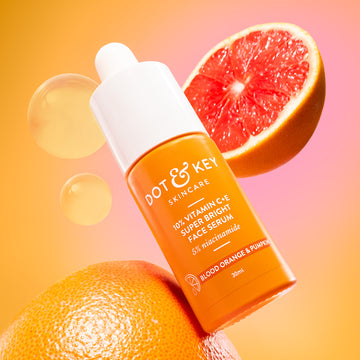
10% Vitamin C + E Face Serum with 5% Niacinamide
BESTSELLER Featured Tag Icon

All Skin Type

10% Vitamin C + E Face Serum with 5% Niacinamide
Full Star Full Star Full Star Full Star Half Star
(770)

Upto 20% OFF + Free Gifts

695

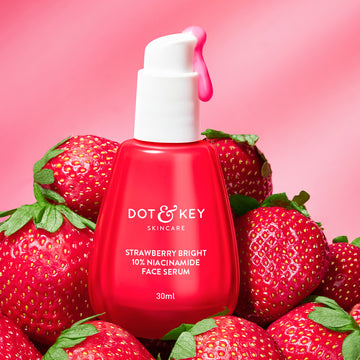
Strawberry Bright 10% Niacinamide Face Serum
BESTSELLER Featured Tag Icon

All Skin Types

Strawberry Bright 10% Niacinamide Face Serum
Full Star Full Star Full Star Full Star Half Star
(696)

Upto 20% OFF + Free Gifts

599

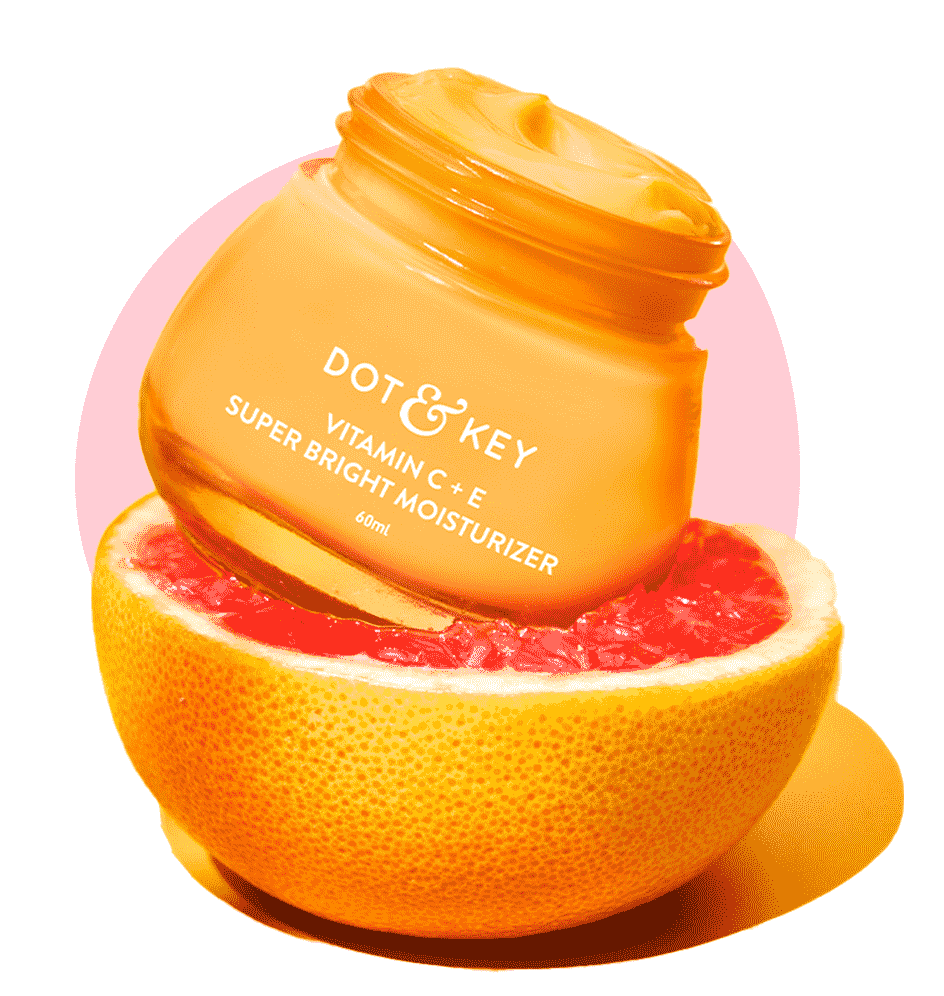
Vitamin C + E Moisturizer for Glowing Skin
BESTSELLER Featured Tag Icon

Oily & Combination Skin

Vitamin C + E Moisturizer for Glowing Skin
Full Star Full Star Full Star Full Star Half Star
(1756)

Upto 20% OFF + Free Gifts

495

Vitamin C + E Sunscreen, IN-VIVO Tested SPF 50+ PA++++
BESTSELLER Featured Tag Icon

All Skin Types

Vitamin C + E Sunscreen, IN-VIVO Tested SPF 50+ PA++++
Full Star Full Star Full Star Full Star Half Star
(1846)

Upto 20% OFF + Free Gifts

445

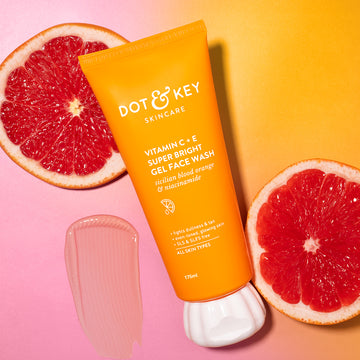
Vitamin C + E Gel Face Wash for Glowing Skin
BESTSELLER Featured Tag Icon

All Skin Types

Vitamin C + E Gel Face Wash for Glowing Skin
Full Star Full Star Full Star Full Star Half Star
(815)

Upto 20% OFF + Free Gifts

375

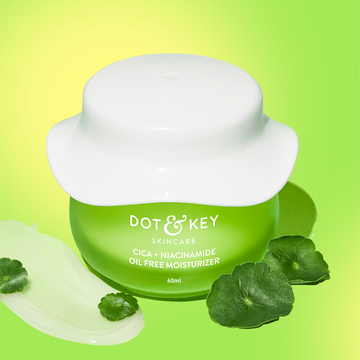
Cica (Centella) + Niacinamide Oil Free Moisturizer
TOP PICK Featured Tag Icon

Oily & Acne-Prone Skin

Cica (Centella) + Niacinamide Oil Free Moisturizer
Full Star Full Star Full Star Full Star Half Star
(659)

Upto 20% OFF + Free Gifts

495

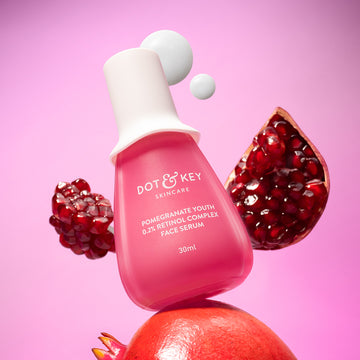
Pomegranate Youth 0.2% Retinol Complex Face Serum

All Skin Types

Pomegranate Youth 0.2% Retinol Complex Face Serum
Full Star Full Star Full Star Full Star Half Star
(878)

Upto 20% OFF + Free Gifts

599