How to Repair Your Skin Barrier Naturally: Step-by-Step Guide

Sanchari | Last Updated On 25 Feb 2026
11 mins read
Table of Contents
How to Repair Your Skin Barrier Naturally: Step-by-Step Guide

If your skin suddenly feels tight after cleansing, looks dull or flaky, or reacts with redness to products that once worked well, your skin barrier may be compromised. As a dermatology and skincare expert, I often see this happen when the skin’s protective layer becomes weakened due to over-exfoliation, harsh products, environmental stress, or dehydration.

The skin barrier acts as your body’s first line of defence. It helps lock in moisture while protecting against irritants, pollution, and microbes. When this barrier is disrupted, the skin loses water more easily and becomes sensitive, leading to dryness, irritation, and increased reactivity.

The encouraging part is that the skin barrier has a remarkable ability to repair itself when given the right support. Gentle, consistent habits—paired with barrier-friendly skincare, balanced nutrition, and mindful lifestyle choices—can help restore its strength over time.

In this guide, we’ll break things down step by step. You’ll learn:

  • What the skin barrier actually is and how it works

  • Common signs that it may be damaged

  • Everyday habits that weaken it

  • Natural, evidence-based ways to help it recover

Rather than promising overnight fixes, this guide focuses on realistic strategies grounded in dermatological research. With patience and the right approach, you can help your skin regain comfort, resilience, and a healthy glow.


Table of Contents

Understanding Your Skin Barrier: The Body's Natural Shield

Your skin barrier, technically the stratum corneum, forms the outermost layer of the epidermis. Think of it as a brick wall: the bricks are corneocytes, flattened dead skin cells packed with keratin, while the mortar consists of lipids, including ceramides (which make up roughly half), cholesterol, and free fatty acids. This structure creates a semi-permeable shield.

Beyond the physical layer, the barrier includes an acid mantle with a pH of approximately 4.5 to 5.5. This slightly acidic environment discourages harmful microbes while supporting beneficial ones. The skin microbiome, a community of friendly bacteria living on the surface, further bolsters defence by competing with pathogens and modulating immune responses.

The barrier performs several vital roles. It minimises transepidermal water loss (TEWL), keeping skin plump and hydrated. It blocks allergens, pollutants, and irritants from penetrating deeper layers. It also regulates temperature and supports overall skin immunity. Research consistently shows that even a modest increase in TEWL signals the body to ramp up lipid production for repair, demonstrating the skin's remarkable self-healing capacity when stressors are reduced.

When intact, the barrier contributes to smooth, resilient, glowing skin. When weakened, the consequences ripple across appearance and comfort. Understanding this foundation helps explain why natural repair focuses on removing damage and providing the right building blocks for restoration.


Recognising the Signs of a Compromised Skin Barrier

Spotting early signs allows prompt, supportive action. A damaged barrier often presents as:

  • Persistent dryness, tightness, or flakiness, even shortly after moisturising.

  • Rough or uneven texture with visible scaling.

  • Increased sensitivity, where everyday environments or routines cause stinging or burning.

  • Redness, inflammation, or itchiness without an obvious trigger.

  • More frequent breakouts, as irritants enter more easily and trigger inflammation.

  • Dullness or lack of radiance due to impaired hydration and cell turnover.

  • Slower healing from minor cuts or blemishes.

  • Heightened susceptibility to infections or prolonged irritation.

For example, someone who once enjoyed long hot showers might suddenly notice their skin feeling raw and reactive. Or a person in a dry climate may experience persistent tightness despite drinking plenty of water. These symptoms are the skin's way of communicating a need for gentler care. Importantly, they can overlap with other conditions, so tracking patterns over time helps differentiate barrier issues from others.

Studies highlight that individuals with compromised barriers often report reduced quality of life due to discomfort, underscoring the value of addressing the root cause naturally and supportively.


Common Causes of Skin Barrier Damage

Barrier impairment rarely stems from a single factor; it usually results from cumulative stress. Key contributors include:

  • Harsh cleansing habits: Alkaline soaps or frequent washing with hot water strip natural lipids and disrupt the acid mantle.

  • Over-exfoliation: Excessive physical scrubs or strong chemical actives create micro-tears and accelerate cell loss before new lipids can form.

  • Environmental aggressors: Ultraviolet radiation, pollution, wind, and low humidity increase oxidative stress and dehydrate the surface.

  • Lifestyle factors: Inadequate sleep reduces nightly repair processes, while chronic stress elevates cortisol, which impairs lipid synthesis. Dehydration and nutrient-poor diets further limit building blocks.

  • Internal influences: Ageing naturally slows lipid production, and certain medical conditions or medications can alter pH or inflammation levels.

A balanced view recognises that some factors, like genetics or seasonal changes, are unavoidable. However, many are modifiable. For instance, research links essential fatty acid deficiencies directly to increased TEWL and scaly skin, reversible through dietary improvements. Similarly, studies on sleep deprivation show measurable declines in barrier recovery within days. Identifying personal triggers empowers targeted, natural support without blame or overwhelm.


Natural Ways to Repair and Strengthen Your Skin Barrier

Repair happens when you reduce ongoing damage and supply the skin with conditions and nutrients it needs to rebuild. The following strategies are practical, accessible, and grounded in scientific evidence.

1. Adopt Gentle Cleansing and Hydration Habits

Start with simplicity. Cleanse no more than twice daily using lukewarm water for no longer than 10 minutes. Hot water dissolves lipids rapidly, so switching to tepid temperatures makes an immediate difference. Pat the skin dry gently with a soft towel rather than rubbing.

Follow cleansing immediately with a moisturising step on damp skin to lock in water. This creates an environment where the skin can begin restoring its lipid matrix without excessive TEWL. Many find that shortening showers and avoiding foaming cleansers leads to noticeable softness within days. The principle is straightforward: give the skin space to retain what it naturally produces.

2. Nourish Your Skin from Within Through Diet and Hydration

Internal support is foundational because the skin draws building blocks from the bloodstream. Focus on foods rich in essential fatty acids. Linoleic acid, an omega-6 fatty acid abundant in seeds, nuts, and certain vegetable oils, serves as a direct precursor for ceramides. Studies demonstrate that dietary deficiency produces classic barrier defects, while adequate intake helps restore lipid balance.

Complement this with omega-3 sources such as flaxseeds, chia seeds, walnuts, and fatty fish. These fatty acids exert anti-inflammatory effects that reduce the burden on the barrier, with human trials showing improvements in hydration and reduced irritation in sensitive skin.

Antioxidant-rich foods, including colourful berries, leafy greens, and citrus fruits, combat oxidative damage from environmental stressors. Zinc from pumpkin seeds or legumes supports cell renewal, while vitamin-rich whole foods promote healthy turnover. Fermented foods like natural yogurt or sauerkraut may benefit the gut-skin axis, with research indicating better barrier function through reduced systemic inflammation.

Drink sufficient water throughout the day, aiming for pale urine as a guide, but remember that topical care remains essential. A varied, whole-food diet creates the internal conditions for optimal repair. One practical tip: add a handful of nuts and seeds to meals daily and include fatty fish or plant alternatives twice weekly.

3. Optimise Lifestyle Factors for Barrier Health

Sleep deserves priority. During deep rest, growth hormone peaks, facilitating tissue repair, including epidermal lipid synthesis. Aim for seven to nine hours consistently. Poor sleep has been linked in studies to higher TEWL and slower recovery.

Manage stress through accessible practices such as daily walks in nature, mindful breathing, or gentle yoga. Chronic cortisol elevation disrupts barrier homeostasis; even short relaxation sessions can help. Moderate physical activity improves circulation, delivering nutrients and oxygen to skin cells while supporting overall wellbeing.

In dry environments, a humidifier maintains ambient moisture, reducing the pull on skin hydration. Protect against sun exposure by seeking shade, wearing wide-brimmed hats, and choosing protective clothing during peak hours. These habits collectively create a supportive ecosystem for natural repair.

4. Harness Evidence-Based Natural Topical Approaches

Certain plant-derived options offer targeted support. A 2017 review in the International Journal of Molecular Sciences examined multiple plant oils and found that those rich in linoleic acid, such as sunflower seed oil and safflower seed oil, promote skin barrier homeostasis, reduce inflammation, and aid repair in various studies, including on adult and neonatal skin. Apply a thin layer of such oils to damp skin after cleansing, starting with a patch test on the inner arm for 48 hours to ensure compatibility.

Colloidal oatmeal, the finely milled form of oats, has robust clinical evidence. Studies show it upregulates genes involved in lipid production, tight junctions, and barrier differentiation while providing pH-buffering and soothing effects. Use it in baths or as a gentle mask mixed with water for 10-15 minutes, two to three times weekly. Participants in trials reported reduced dryness and improved barrier function.

Pure aloe vera gel from the plant leaf offers moisturising and calming benefits, with research supporting its role in hydration and wound healing. Apply sparingly to soothe irritated areas. Raw honey acts as a natural humectant and has antimicrobial properties; a thin layer can help calm and hydrate, though it should be avoided on broken skin or by those with sensitivities.

Always introduce one new element at a time and monitor response. These approaches work by supporting, rather than overriding, the skin's processes.

5. Protect Against Further Damage

Minimise exposure to known irritants. Avoid fragranced items, harsh detergents on clothing that contacts skin, and excessive air conditioning. In polluted areas, rinsing the face with plain water upon returning indoors helps. These preventive steps ensure repair efforts are not constantly undermined.


Setting Realistic Expectations: Timeline for Natural Repair

Repair timelines vary. Mild compromise may show reduced tightness within one to two weeks of consistent gentle care. Moderate damage often improves noticeably in three to six weeks, with better texture and less reactivity. More significant impairment can take two to four months for full restoration, especially with age or ongoing environmental stress.

Progress appears gradually: first less discomfort, then improved softness, followed by radiance. Track changes with weekly notes rather than daily mirror checks. Consistency matters far more than perfection. If underlying factors persist, progress may be slower, highlighting the need for a holistic view.


Common Mistakes to Avoid and When to Seek Professional Help

Avoid the temptation to layer multiple new ingredients at once or resume strong actives prematurely. Overloading can delay recovery. Likewise, expecting instant results leads to frustration; the skin rebuilds methodically.

If symptoms worsen, spread, or include signs of infection such as pus, fever, or severe swelling after four to six weeks of dedicated care, consult a dermatologist. Persistent issues may signal an underlying condition requiring combined approaches. Professional guidance complements natural strategies beautifully.


Conclusion

Repairing your skin barrier naturally is an act of self-care rooted in science and patience. By understanding the barrier, recognising its signals, addressing causes, and implementing supportive habits, you create conditions for your skin to thrive. The journey rewards with comfort, resilience, and confidence in your skin's natural strength.


Key Takeaways

  • The skin barrier functions like a brick-and-mortar wall; protecting and nourishing the lipids is essential.

  • Gentle cleansing with lukewarm water and immediate hydration forms the foundation of repair.

  • A diet rich in essential fatty acids, antioxidants, and varied whole foods supplies critical building blocks.

  • Lifestyle factors including quality sleep, stress management, and environmental protection amplify results.

  • Evidence-supported natural topicals such as linoleic acid-rich plant oils and colloidal oatmeal can accelerate recovery when used mindfully.

  • Progress is gradual; consistency over weeks to months yields sustainable improvement.

  • Listen to your skin and adjust gently; patch testing prevents setbacks.

  • Prevention through simplified routines maintains long-term barrier health.

  • Natural methods empower but do not replace professional advice when needed.

  • Celebrate small wins; healthier skin begins with compassionate, informed care.


FAQs

How long does it take to repair the skin barrier naturally?

Timelines depend on the extent of damage and individual factors such as age and environment. Many people notice reduced tightness and improved comfort within one to two weeks of consistent gentle routines and dietary support. Visible texture improvements often emerge between three and six weeks, while full strength can require one to three months or longer for severe cases. Research on barrier recovery consistently emphasises that stopping damage and providing steady support allows the skin's innate processes to work effectively. Track progress weekly and remain patient; rushing can hinder results.

Can diet alone repair a damaged skin barrier?

Diet plays a powerful supportive role but works best alongside topical and lifestyle measures. Essential fatty acids directly contribute to lipid replenishment, with studies showing reversal of barrier defects when deficiencies are corrected. Anti-inflammatory foods reduce the inflammatory load that impairs repair. However, if external stripping continues, internal nourishment cannot fully compensate. Aim for a balanced plate with seeds, nuts, greens, and omega sources daily, while keeping cleansing gentle. This combination approach yields the most reliable outcomes.

Are natural plant oils safe for repairing the skin barrier?

When selected thoughtfully and introduced gradually, yes. Oils high in linoleic acid have demonstrated barrier-supporting effects in published reviews. However, individual responses vary; what suits one person may not suit another. Always perform a 48-hour patch test, use sparingly on damp skin, and discontinue if irritation occurs. Avoid oils with strong scents or known sensitising potential. Moderation and observation ensure these natural tools enhance rather than overwhelm the repair process.

Should I stop exfoliation completely while repairing my skin barrier?

Yes, temporarily pause physical scrubs and strong chemical exfoliants. The barrier needs time to rebuild without additional cell removal. Once comfort returns and sensitivity decreases, typically after four to eight weeks, you can reintroduce very mild exfoliation once or twice weekly, monitoring closely. Many find that gentler routines actually reduce the need for frequent exfoliation long-term, as healthy turnover resumes naturally.

What are the first signs that my skin barrier is healing?

Early indicators include less tightness after cleansing, reduced redness or stinging, and a softer feel to the touch. Itchiness often diminishes, and skin may appear slightly plumper as hydration improves. These subtle shifts signal that TEWL is decreasing and lipids are replenishing. Celebrate them; they confirm your efforts are working. Continued consistency leads to more noticeable radiance and resilience in subsequent weeks.


Our Recommendation

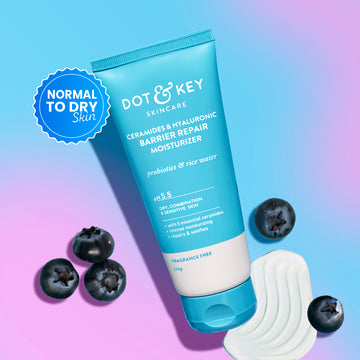
Barrier Repair Moisturizer (Hyaluronic + Ceramides)
BESTSELLER Featured Tag Icon

Dry & Sensitive Skin

Barrier Repair Moisturizer (Hyaluronic + Ceramides)
Full Star Full Star Full Star Full Star Half Star
(1844)

Upto 20% OFF + Free Gifts

599

Barrier Repair Sunscreen, In-Vivo Tested SPF 50+ PA++++
TOP PICK Featured Tag Icon

All Skin Types

Barrier Repair Sunscreen, In-Vivo Tested SPF 50+ PA++++
Full Star Full Star Full Star Full Star Half Star
(1637)

Upto 20% OFF + Free Gifts

595

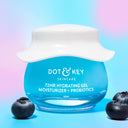
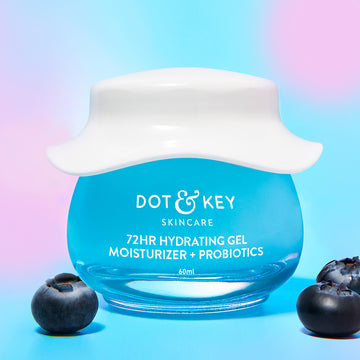
72HR Hydrating Gel Moisturizer + Probiotics
BESTSELLER Featured Tag Icon

Oily & Combination Skin

72HR Hydrating Gel Moisturizer + Probiotics
Full Star Full Star Full Star Full Star Half Star
(1603)

Upto 20% OFF + Free Gifts

495

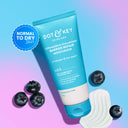
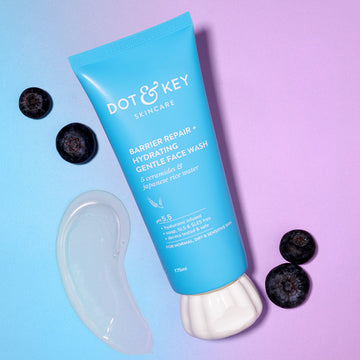
Barrier Repair Gentle Hydrating Face Wash
TOP PICK Featured Tag Icon

Normal, Dry & Sensitive Skin

Barrier Repair Gentle Hydrating Face Wash
Full Star Full Star Full Star Full Star Half Star
(803)

Upto 20% OFF + Free Gifts

375

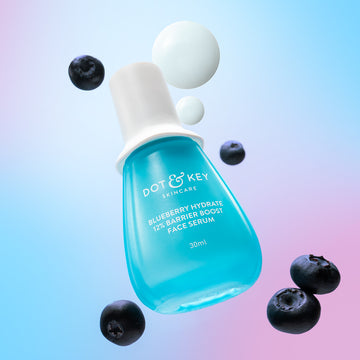
12% Barrier Boost Serum (Hyaluronic + Ceramides)
TOP PICK Featured Tag Icon

All Skin Types

12% Barrier Boost Serum (Hyaluronic + Ceramides)
Full Star Full Star Full Star Full Star Half Star
(2151)

Upto 20% OFF + Free Gifts

449

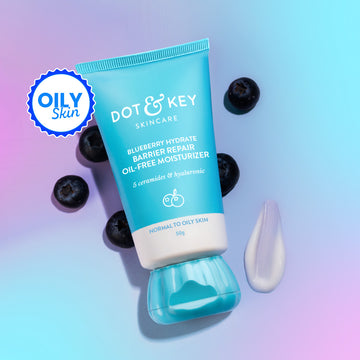
Barrier Repair Oil-Free Moisturizer with Ceramides
JUST IN Featured Tag Icon

Oily & Combination Skin

Barrier Repair Oil-Free Moisturizer with Ceramides
Full Star Full Star Full Star Full Star Half Star
(1844)

Upto 20% OFF + Free Gifts

399

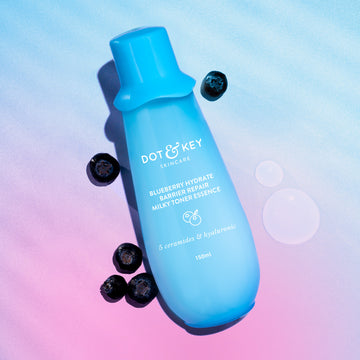
Blueberry Hydrate Barrier Repair Milk Face Toner
JUST IN Featured Tag Icon

All Skin Types

Blueberry Hydrate Barrier Repair Milk Face Toner
Full Star Full Star Full Star Full Star Half Star
(262)

Upto 20% OFF + Free Gifts

449