How to Remove Blackness Around Mouth: Proven Remedies & Tips

Deep | Last Updated On 28 Feb 2026
7 mins read
Table of Contents
How to Remove Blackness Around Mouth: Proven Remedies & Tips

Noticing darkening around the mouth can feel frustrating, especially when the rest of your skin tone looks even. This type of pigmentation—often called perioral hyperpigmentation—is quite common and can appear due to factors like sun exposure, dryness, friction, hormonal changes, or leftover marks from acne or irritation.

The reassuring part is that this concern usually responds well to consistent and gentle care. With the right combination of skincare ingredients, daily sun protection, and small lifestyle adjustments, many people begin to see visible improvement within 4–8 weeks.

Rather than relying on quick fixes, the most effective approach focuses on a few key principles:

  • Gentle exfoliation to remove pigmented surface cells

  • Brightening ingredients that help even out skin tone

  • Daily sunscreen to prevent further darkening

  • Barrier-supporting habits that reduce irritation and friction

This guide breaks down the causes of darkness around the mouth and walks you through practical, dermatologist-informed strategies to gradually restore a more even-looking complexion. No complicated routines—just clear, actionable steps that work when followed consistently.

What Causes Blackness or Dark Skin Around the Mouth?

The skin around your mouth has more melanin-producing cells and thinner barrier than other facial areas, making it prone to darkening. Medically called perioral hyperpigmentation, it occurs when melanocytes overproduce melanin in response to triggers.

Common causes include:

  • Sun exposure and UV damage: UV rays stimulate melanin production. The mouth area is often missed during sunscreen application, leading to stubborn spots.

  • Hormonal changes: Melasma (sometimes called the “mask of pregnancy”) affects 15–50% of pregnant people and up to 10% during menopause. Birth control or hormone therapy can trigger it too.

  • Post-inflammatory hyperpigmentation (PIH): Acne, dryness, lip-licking, or friction from masks and rough tissues leaves dark marks, especially in medium-to-deep skin tones.

  • Medications and health factors: Certain antibiotics, antidepressants, or anti-malarials increase sun sensitivity. Vitamin B12 or D deficiency also plays a role—one study linked low vitamin D to melasma.

  • Lifestyle habits: Frequent lip licking, drooling at night, smoking, or harsh toothpaste/ lip products cause contact irritation and darkening.

  • Genetics and skin type: People with darker skin tones (Fitzpatrick IV–VI) naturally produce more melanin, so pigmentation lingers longer.

Understanding your specific trigger is the first step to faster results. If the darkening appeared suddenly with fatigue or other symptoms, consult a doctor to rule out underlying issues.

Can Blackness Around the Mouth Be Removed Permanently?

Yes, permanently in many cases, with patience and consistency. Mild cases from friction or sun often fade completely once triggers stop. Hormonal or genetic pigmentation may need ongoing maintenance but can lighten dramatically (50–80% improvement is realistic with combined approaches). Results depend on skin type, severity, and how strictly you follow prevention.

Essential Prevention Tips to Stop Darkening from Returning

Prevention is 70% of the battle. Focus here first:

  • Apply broad-spectrum SPF 30+ (with zinc oxide or titanium dioxide) to the mouth area every morning and reapply every 2 hours outdoors.

  • Wear a wide-brimmed hat and stay in shade during peak hours (10 a.m.–2 p.m.).

  • Avoid licking lips or using irritating products—switch to fragrance-free, non-comedogenic lip balms.

  • Address deficiencies through diet or supplements after blood tests.

  • Never pick or scrub aggressively; it worsens PIH.

Daily sunscreen alone can prevent 90% of new darkening.

8 Effective Home Remedies to Lighten Blackness Around the Mouth Naturally

These gentle options use everyday ingredients. Always patch-test on your inner arm first. Use at night and follow with moisturizer. Results appear in 2–6 weeks with daily use.

  1. Potato Juice Potatoes contain catecholase, an enzyme that naturally inhibits melanin. Cut a raw potato in half and gently massage the cut side on clean skin around the mouth for 5–10 minutes. Rinse with lukewarm water. Do this twice daily. Sensitive skin loves this because it’s soothing.

  2. Aloe Vera Gel Fresh aloe contains aloesin, which blocks tyrosinase (the enzyme that makes melanin). Scoop pure gel from a leaf, apply a thin layer, leave 20 minutes, and rinse. Use daily. It also calms any inflammation.

  3. Lemon Juice + Honey (with caution) Lemon’s citric acid gently exfoliates and brightens, while honey moisturizes. Mix ½ tsp fresh lemon juice with 1 tsp raw honey. Apply for 10 minutes, 3 times a week max. Always use sunscreen the next day—lemon increases sun sensitivity. Skip if skin is sensitive or broken.

  4. Turmeric + Milk or Yogurt Paste Curcumin in turmeric reduces melanin. Mix ¼ tsp turmeric with 1 tsp plain yogurt or milk into a paste. Apply 10–15 minutes, rinse. Use 3 times weekly. The yellow tint fades quickly.

  5. Cucumber Slices or Juice High water content and mild bleaching properties cool and lighten. Grate cucumber, squeeze juice, and apply with cotton for 15 minutes daily. Or simply place chilled slices.

  6. Oatmeal Gentle Scrub Exfoliates dead cells without irritation. Mix 1 tbsp finely ground oats with 1 tsp yogurt and a dash of tomato juice. Massage softly in circles for 1 minute, twice weekly. Rinse well.

  7. Papaya Mask Papain enzyme exfoliates naturally. Mash ripe papaya, apply for 15–20 minutes, 3 times a week. Rinse with cold water.

  8. Rose Water + Gram Flour (Besan) Mix 2 tsp gram flour with rose water into a paste. Apply 10 minutes, gently rub off while rinsing. Adds mild exfoliation and soothes.

Pro Tip: Combine remedies—e.g., aloe in the morning, potato at night—for faster results. Stop if irritation occurs.

Science-Backed Ingredients That Really Work

Look for these in serums or creams (apply after cleansing, before moisturizer):

Ingredient

How It Works

Typical Use & Results

Caution

Niacinamide (4–5%)

Blocks melanosome transfer to skin cells

25% reduction in spots in 8 weeks

Very safe, all skin types

Azelaic Acid (10–20%)

Inhibits tyrosinase + reduces inflammation

Effective for melasma & PIH

Mild tingling possible

Kojic Acid

Chelates copper needed for melanin

Good for stubborn patches

Can irritate sensitive skin

Vitamin C (10–20%)

Antioxidant that fades existing pigment

Brightens in 4–6 weeks

Use stable form (ascorbyl glucoside)

Retinoids (retinol or prescription)

Speeds cell turnover

Visible lightening in 4–12 weeks

Start slow, use sunscreen

Clinical studies confirm niacinamide and azelaic acid deliver measurable improvement without harsh side effects. Start with one new ingredient every 2 weeks

Table of Contents

Professional Treatments for Faster or Stubborn Results

If home care plateaus after 8–12 weeks, see a dermatologist. Options include:

  • Chemical Peels (glycolic or salicylic): Remove top layers; 4–6 sessions spaced 3–4 weeks apart.

  • Laser Therapy (Q-switched or fractional): Targets melanin precisely; excellent for deeper pigmentation.

  • Microneedling: Creates tiny channels for better absorption of brightening serums.

  • Prescription Creams: Combinations with hydroquinone (short-term), tretinoin, or tranexamic acid.

These can achieve 60–90% improvement but require sun protection afterward to avoid rebound..

Build a Simple Daily Routine for Lasting Even Tone

Morning:

  1. Gentle cleanser

  2. Brightening serum (niacinamide or vitamin C)

  3. Moisturizer

  4. Broad-spectrum sunscreen (reapply as needed)

Evening:

  1. Cleanser (double-cleanse if wearing makeup)

  2. Treatment (retinol or acid 2–3 nights/week)

  3. Moisturizer

  4. Optional: spot treatment on dark areas

Exfoliate chemically 2–3 times weekly, never physically scrub hard. Drink plenty of water and eat antioxidant-rich foods (berries, leafy greens, nuts).

Common Mistakes That Keep Blackness Coming Back

  • Skipping sunscreen on the mouth area

  • Using harsh scrubs or high-strength acids too soon

  • Expecting overnight results (consistency beats intensity)

  • Ignoring hormonal or dietary triggers

  • Mixing too many actives at once

When to See a Dermatologist

Visit a professional if:

  • Darkening spreads or changes suddenly

  • You have other symptoms (fatigue, irregular periods)

  • Home care shows no improvement after 8 weeks

  • You want personalized prescription options

Summary

Blackness around the mouth doesn’t have to be permanent. Identify your main cause, protect from the sun every single day, choose 2–3 gentle remedies or ingredients, and stay consistent. Most people notice their skin looking more even and radiant within weeks—and feel more confident every time they smile.

Start small: Apply sunscreen to the mouth area right now, then pick one home remedy for tonight. Track progress with weekly photos in the same lighting. Your skin can heal, and these steps give you the tools to make it happen safely and effectively.

FAQ H2 tag

Q: How long does it take to remove blackness around the mouth?

A: Mild cases improve in 4–6 weeks; moderate to severe may need 3–6 months of consistent treatment plus maintenance.

Q: Is lemon safe for dark skin around the mouth?

A: Yes, but only 2–3 times weekly and always followed by sunscreen. Dilute and patch-test to avoid irritation.

Q: Can I use home remedies during pregnancy?

A: Stick to aloe, cucumber, potato, and oatmeal. Avoid lemon, turmeric in high amounts, and retinoids.

Q: Will the blackness come back after treatment?

A: Only if triggers (sun, hormones, friction) continue. Daily sunscreen prevents most recurrence.

Q: Are there any side effects from brightening ingredients?

A: Mild redness or dryness is common when starting retinoids or acids. Introduce slowly and moisturize well.

Q: Is hyperpigmentation around the mouth permanent?

A: Rarely. Most cases fade significantly with proper care, though maintenance helps.

Q: What is the best cream ingredient for dark mouth area?

A: Niacinamide and azelaic acid offer the best balance of effectiveness and gentleness for daily use.

Q: Can makeup hide it while treating?

A: Yes—use a peach or orange color corrector under foundation for dark tones, then set with powder.


Our Recommendation

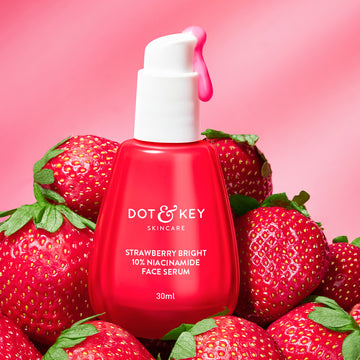
Strawberry Bright 10% Niacinamide Face Serum
BESTSELLER Featured Tag Icon

All Skin Types

Strawberry Bright 10% Niacinamide Face Serum
Full Star Full Star Full Star Full Star Half Star
(696)

Upto 20% OFF + Free Gifts

599

Vitamin C + E 100% Mineral Sunscreen IN-VIVO tested SPF 50+, PA++++
JUST IN Featured Tag Icon

All Skin Types

Vitamin C + E 100% Mineral Sunscreen IN-VIVO tested SPF 50+, PA++++
Full Star Full Star Full Star Full Star Half Star
(109)

Upto 20% OFF + Free Gifts

649

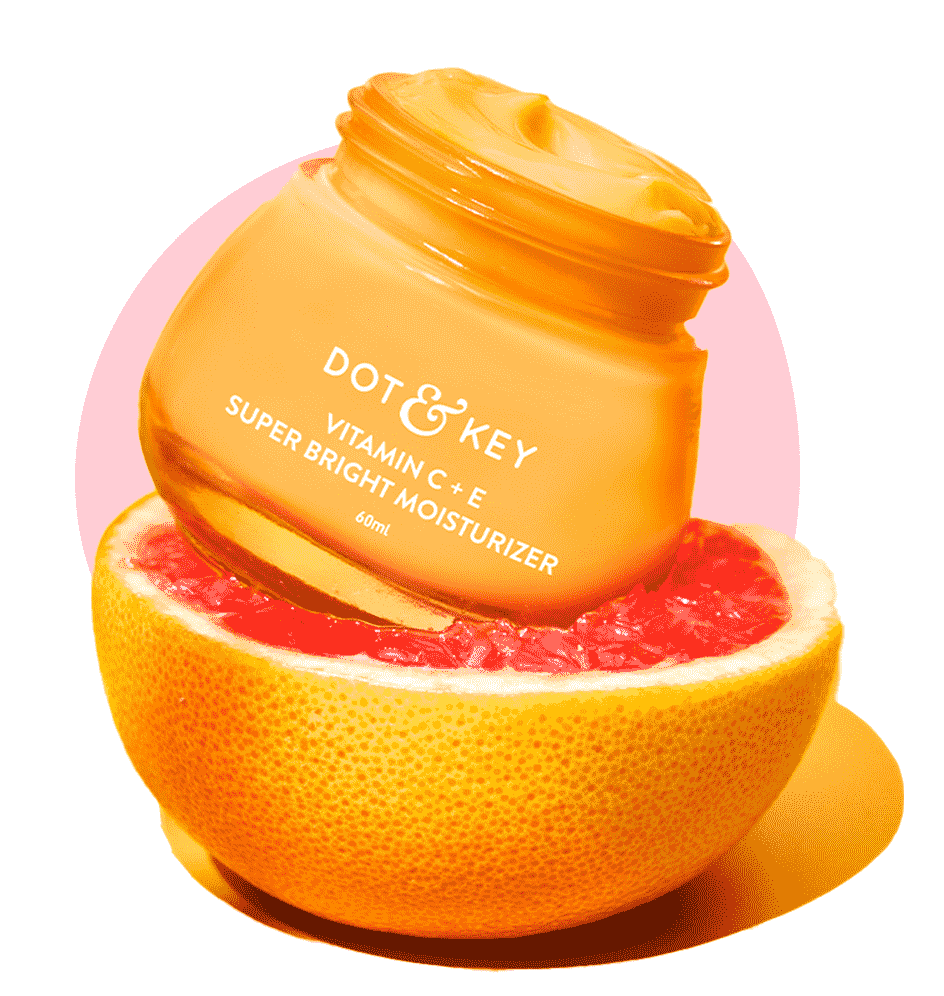
Vitamin C + E Moisturizer for Glowing Skin
BESTSELLER Featured Tag Icon

Oily & Combination Skin

Vitamin C + E Moisturizer for Glowing Skin
Full Star Full Star Full Star Full Star Half Star
(1756)

Upto 20% OFF + Free Gifts

495

Vitamin C + E Sunscreen, IN-VIVO Tested SPF 50+ PA++++
BESTSELLER Featured Tag Icon

All Skin Types

Vitamin C + E Sunscreen, IN-VIVO Tested SPF 50+ PA++++
Full Star Full Star Full Star Full Star Half Star
(1841)

Upto 20% OFF + Free Gifts

595

Meltie Lip Balm In-Vivo Tested SPF 50+ PA+++
JUST IN Featured Tag Icon

All Skin Tones

Meltie Lip Balm In-Vivo Tested SPF 50+ PA+++
Full Star Full Star Full Star Full Star Half Star
(453)
Berry Crumble

Upto 20% OFF + Free Gifts

249

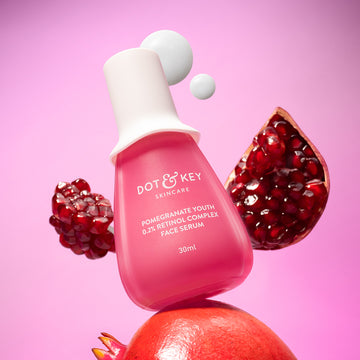
Pomegranate Youth 0.2% Retinol Complex Face Serum

All Skin Types

Pomegranate Youth 0.2% Retinol Complex Face Serum
Full Star Full Star Full Star Full Star Half Star
(878)

Upto 20% OFF + Free Gifts

599

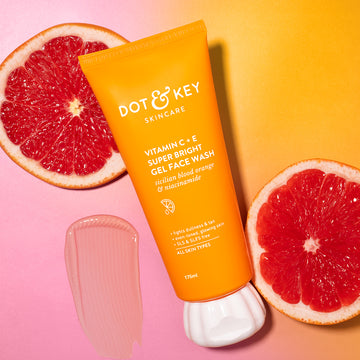
Vitamin C + E Gel Face Wash for Glowing Skin
BESTSELLER Featured Tag Icon

All Skin Types

Vitamin C + E Gel Face Wash for Glowing Skin
Full Star Full Star Full Star Full Star Half Star
(815)

Upto 20% OFF + Free Gifts

375