How to Reduce Melanin in Skin Safely and Effectively

Deep | Last Updated On 06 Mar 2026
8 mins read
Table of Contents
How to Reduce Melanin in Skin Safely and Effectively

If you have ever noticed dark patches, sun spots or an uneven skin tone staring back in the mirror, you are not alone. Many people want smoother, brighter skin, yet melanin – the natural pigment that colours our skin, hair and eyes – plays a vital protective role. The good news is that you can safely manage excess melanin production and fade existing deposits without compromising your skin’s health. The key lies in understanding the science, focusing on prevention first and using consistent, evidence-based approaches.

Reducing excess melanin starts with daily broad-spectrum sun protection and gentle tyrosinase-inhibiting ingredients that slow new pigment formation. With patience and the right routine, visible improvements often appear within four to twelve weeks, and more significant results follow over three to six months. This guide walks you through every practical step, backed by how melanin actually works, so you can achieve even-toned skin while keeping your natural shield intact.

Table of Contents

Who This Guide Is For

This advice targets adults who experience hyperpigmentation – whether from sun exposure, hormonal changes, acne marks or simply the passage of time. It suits all skin tones but is especially relevant for medium to deeper complexions where dark spots tend to linger longer. If your goal is a naturally radiant, even complexion rather than dramatic lightening, you are in the right place.

Understanding Melanin: Your Skin’s Built-In Protector

Melanin is a complex polymer made from the amino acid tyrosine inside specialised cells called melanocytes. These cells sit at the base of the epidermis and transfer pigment packages (melanosomes) to surrounding skin cells. There are two main types: eumelanin (brown-black) and pheomelanin (red-yellow). The amount and type you produce determine your baseline skin colour and how your skin responds to the environment.

Melanin’s primary job is defence. It absorbs ultraviolet rays, scatters them and neutralises harmful free radicals before they damage DNA. Without it, skin would burn faster and face higher risks of premature ageing and skin cancer. That is why any plan to reduce melanin must never ignore protection – lowering production without shielding the skin simply invites more problems later.

Why Melanin Production Increases: Common Triggers

Excess melanin appears when melanocytes become overactive. The main culprits include:

  • Ultraviolet and visible light exposure – the strongest daily stimulator

  • Hormonal fluctuations (pregnancy, contraceptives, thyroid changes)

  • Inflammation from acne, eczema or injury (post-inflammatory hyperpigmentation)

  • Ageing and genetics

  • Certain medications or skin trauma

Globally, pigmentary disorders affect a significant portion of the population, with surveys showing around half of adults reporting at least one pigmentation concern. Darker skin tones often show these changes more prominently because they contain more active melanocytes, yet the underlying mechanisms are the same across all complexions.

Is Reducing Melanin Safe? Essential Warnings

Melanin exists for a reason. Aggressive attempts to remove it entirely raise your vulnerability to sunburn, photoageing and long-term skin cancer risk. The aim is balance – calming overactive pigment cells and fading existing clusters while preserving your skin’s natural defence. Always patch-test new ingredients, introduce changes slowly and consult a dermatologist before prescription options or procedures. Permanent reduction is neither realistic nor advisable; results require ongoing maintenance.

The Non-Negotiable First Step: Daily Sun Protection

Nothing controls melanin production more effectively than blocking the trigger that activates it. Apply a broad-spectrum sunscreen with at least SPF 30 every single morning, even indoors near windows or on cloudy days. Reapply every two hours outdoors and after swimming or sweating.

Choose formulas containing iron oxides for extra visible-light protection, which many people overlook. Pair sunscreen with physical barriers: wide-brimmed hats, UV-protective clothing and shade during peak hours (10 am to 4 pm). This single habit alone can prevent new dark spots and allow existing ones to fade faster. Studies consistently show that consistent sun protection is the foundation of any successful pigmentation plan.

Natural Home Remedies That Gently Inhibit Melanin

Several everyday ingredients can help slow tyrosinase – the key enzyme in melanin synthesis – when used correctly. Results are subtle and require consistency, but they are gentle and accessible.

  1. Fresh aloe vera gel: Contains aloesin that may suppress tyrosinase after sun exposure. Apply a thin layer to clean skin for 20 minutes, then rinse. Use daily on affected areas.

  2. Turmeric paste: Curcumin interferes with melanin production pathways. Mix a pinch of turmeric powder with plain yoghurt or honey into a thin paste, apply for 10–15 minutes twice weekly and rinse thoroughly.

  3. Diluted lemon juice (with caution): Rich in vitamin C, which can reduce tyrosinase activity. Mix one part fresh lemon juice with three parts water, apply with cotton wool for five minutes, rinse and follow with sunscreen. Limit to twice weekly and never leave on skin before sun exposure.

  4. Cooled green tea: Its epigallocatechin gallate (EGCG) helps prevent pigment accumulation. Brew strong tea, cool it, soak cotton pads and press onto skin for 10 minutes several times a week.

Always do a 24-hour patch test. These remedies support brighter skin but work best alongside sunscreen and a full routine.

Dietary Choices That Support Even Skin Tone from Within

What you eat influences oxidative stress and melanin pathways. Focus on antioxidant-rich foods that help neutralise triggers and support healthy cell turnover.

Food Group

Key Compounds

How It Helps

Easy Daily Ideas

Citrus fruits, berries, kiwi, papaya

Vitamin C

Blocks tyrosinase, boosts collagen

Fresh juice, smoothies, salads

Tomatoes, watermelon

Lycopene

Acts as internal sun protection

Daily tomato salad or juice

Green tea

EGCG

Inhibits melanin accumulation

2–3 cups daily

Avocados, spinach, broccoli

Glutathione precursors

Neutralises free radicals

Salads, green smoothies

Turmeric

Curcumin

Suppresses melanin synthesis

Golden milk or curries

Aim for a rainbow plate daily. Stay hydrated and limit processed sugars, which can worsen inflammation and pigmentation.

Targeted Skincare Ingredients That Work

Modern skincare offers several well-researched compounds that interrupt melanin production at different stages:

  • Vitamin C serums brighten and inhibit tyrosinase.

  • Niacinamide reduces melanin transfer to skin cells.

  • Alpha hydroxy acids (like glycolic or lactic) gently exfoliate pigmented surface layers.

  • Natural derivatives such as kojic acid or liquorice root extract provide additional support.

Build a simple morning and evening routine: cleanse, apply your chosen brightening serum, moisturise and finish with sunscreen by day. Introduce one new ingredient every two weeks to monitor tolerance. Consistency over months yields cumulative results.

Professional Treatments for Stubborn Pigmentation

When home and lifestyle measures need reinforcement, dermatological options can accelerate progress.

Treatment

How It Works

Typical Timeline

Considerations

Chemical peels

Exfoliates pigmented layers

4–8 weeks (series)

Mild redness possible

Targeted laser therapy

Breaks down melanin clusters

3–6 sessions

Requires experienced practitioner

Microdermabrasion

Removes top pigmented cells

Visible after first few

Gentle for most skin types

These procedures work best when combined with strict sun protection and maintenance topicals. Results vary by individual; a qualified professional will assess your skin type and recommend the safest path.

Your 90-Day Action Plan for Noticeable Change

Weeks 1–4: Focus on sun protection and basic brightening routine. Expect subtle softening of tone.


Weeks 5–8: Add dietary changes and one home remedy. Dark spots often begin to lighten at the edges.


Weeks 9–12: Introduce professional consultation if needed. Many people see 40–60 % improvement by this stage.

Maintain the routine indefinitely for lasting results. Track progress with weekly photos in consistent lighting.

Common Myths That Can Set You Back

  • “Lemon juice alone will whiten my skin safely” – It can irritate and increase sun sensitivity.

  • “Tanning protects against future damage” – A tan is actually DNA damage signalling more melanin production.

  • “One treatment will fix everything permanently” – Melanin production is ongoing; maintenance is essential.

Summary: Key Takeaways

  1. Sun protection is the single most powerful tool to control melanin.

  2. Combine gentle tyrosinase inhibitors, exfoliation and antioxidants for balanced results.

  3. Diet and lifestyle support skin from the inside.

  4. Professional treatments offer faster options when used responsibly.

  5. Expect gradual improvement over weeks to months with daily consistency.

  6. Prioritise skin health over rapid lightening – your natural melanin is still your best friend.

Final Thought

Reducing excess melanin is a journey of understanding and consistency rather than quick fixes. By respecting your skin’s natural biology and combining smart protection with targeted care, you can enjoy a more even, radiant complexion that still shields you effectively. Start today with sunscreen and one small change – your future self will thank you for the patience and care. If anything feels uncertain, a quick conversation with a dermatologist ensures your plan is perfectly tailored to you.

Your skin already knows how to protect itself. Now you know how to help it look its best while keeping that protection strong.

Frequently Asked Questions

What causes excess melanin in the first place?

Primarily UV exposure, hormones, inflammation and genetics. Identifying your personal triggers helps tailor the most effective plan.

Can diet really reduce melanin production?

Yes – antioxidant and vitamin C-rich foods help inhibit the enzymes involved, supporting topical efforts from within.

How long until I see real results?

Most people notice initial brightening within four to eight weeks; clearer, more even tone typically appears by three to six months with consistent effort.

Is it possible to reduce melanin permanently?

No. Production is genetically regulated and ongoing. You can manage excess deposits and slow new formation long-term, but maintenance is required.

Are natural remedies enough on their own?

They provide gentle support but work best alongside daily sunscreen and a structured routine.

Does reducing melanin increase skin cancer risk?

Only if you skip sun protection. Proper shielding keeps risk low while you enjoy brighter skin.

Can I use these methods on sensitive skin?

Yes, but start slowly, patch-test everything and choose soothing bases like aloe or yoghurt. Consult a dermatologist if irritation occurs.

What should I avoid when trying to reduce melanin?

Harsh scrubs, undiluted acids, tanning beds and unregulated bleaching products. These can trigger rebound pigmentation or damage the skin barrier.

Will results last after I stop the routine?

Sun protection should remain lifelong. The other steps can be reduced to maintenance mode once you reach your goal.

Is professional treatment necessary?

Not always. Many achieve excellent results with home and lifestyle changes. Professional care helps when pigmentation is deep or hormonal.


Our Recommendation

Vitamin C + E Sunscreen, IN-VIVO Tested SPF 50+ PA++++
BESTSELLER Featured Tag Icon

All Skin Types

Vitamin C + E Sunscreen, IN-VIVO Tested SPF 50+ PA++++
Full Star Full Star Full Star Full Star Half Star
(1846)

Upto 20% OFF + Free Gifts

445

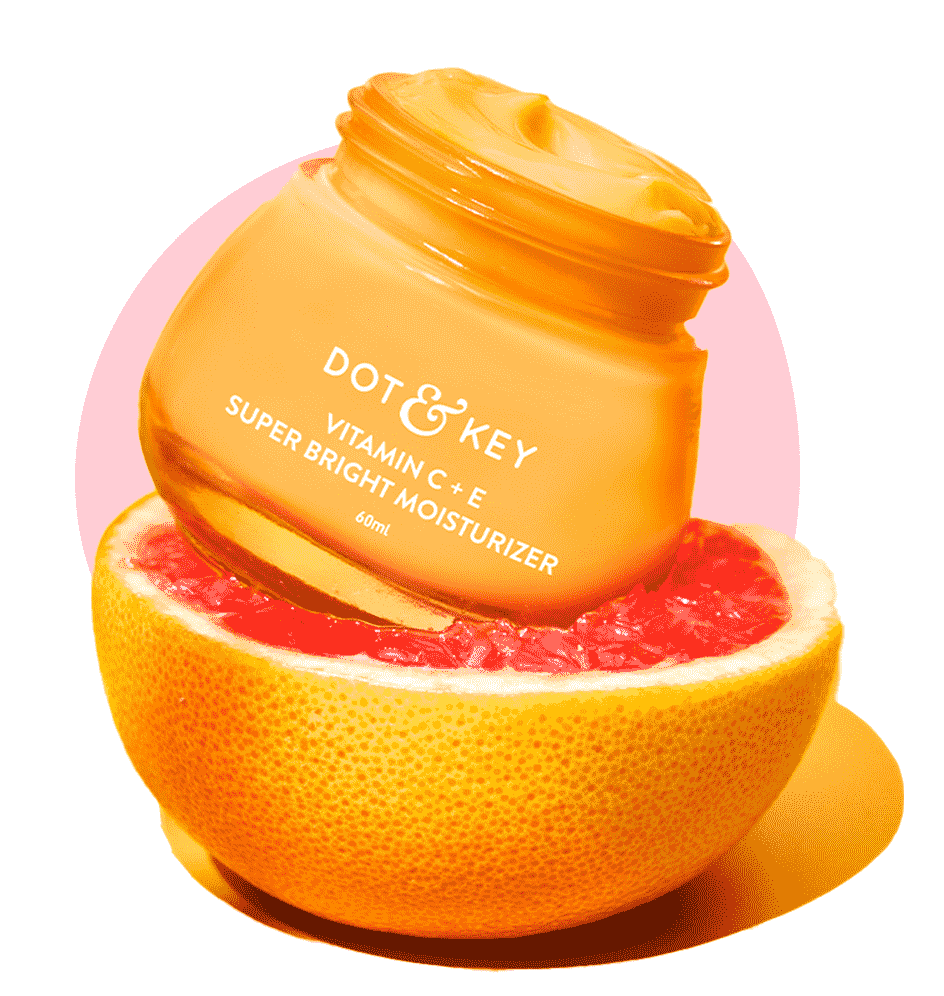
Vitamin C + E Moisturizer for Glowing Skin
BESTSELLER Featured Tag Icon

Oily & Combination Skin

Vitamin C + E Moisturizer for Glowing Skin
Full Star Full Star Full Star Full Star Half Star
(1756)

Upto 20% OFF + Free Gifts

495

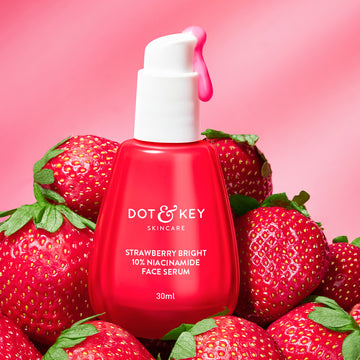
Strawberry Bright 10% Niacinamide Face Serum
BESTSELLER Featured Tag Icon

All Skin Types

Strawberry Bright 10% Niacinamide Face Serum
Full Star Full Star Full Star Full Star Half Star
(696)

Upto 20% OFF + Free Gifts

599

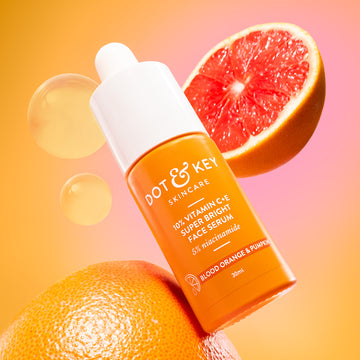
10% Vitamin C + E Face Serum with 5% Niacinamide
BESTSELLER Featured Tag Icon

All Skin Type

10% Vitamin C + E Face Serum with 5% Niacinamide
Full Star Full Star Full Star Full Star Half Star
(770)

Upto 20% OFF + Free Gifts

695

Mango Detan Sunscreen, In-Vivo Tested SPF 50+ PA++++

For All Skin Types

Mango Detan Sunscreen, In-Vivo Tested SPF 50+ PA++++
Full Star Full Star Full Star Full Star Half Star
(980)

Upto 20% OFF + Free Gifts

445