How To Control Sebum Production On Face Effectively?

Deep | Last Updated On 01 Apr 2026
8 mins read
Table of Contents
How To Control Sebum Production On Face Effectively?

If your skin starts looking shiny just a few hours into the day, or your T-zone never seems to stay matte no matter what you try, you’re definitely not alone. Managing excess oil can feel like a constant battle—especially when “oil control” products end up making your skin feel dry and greasy at the same time.

The truth is, controlling sebum isn’t about stripping your skin. In fact, that often makes things worse. When your skin gets too dry, it can respond by producing even more oil to compensate. The real solution is to balance your skin, not fight it.

Excess sebum is usually driven by a mix of factors—like genetics, hormones, dehydration, over-cleansing, or using harsh products. Once you understand this, the approach becomes much simpler: keep your skin hydrated, support the barrier, and use targeted ingredients that regulate oil production.

Ingredients like niacinamide, salicylic acid, and lightweight hydrators can help control shine, keep pores clear, and reduce the chances of breakouts—without disrupting your skin’s natural balance. Pair that with a gentle cleanser, a non-comedogenic moisturiser, and daily sunscreen, and you’ve got a routine that actually works.

Consistency is what makes the difference here. With the right habits, most people start noticing less shine, fewer clogged pores, and smoother-looking skin within a few weeks.

No harsh fixes, no overcomplicated steps—just a smarter, more sustainable way to keep your skin looking fresh, clear, and comfortably balanced. Here’s your guide.

Table of Contents

What Is Sebum and Why Does Your Face Overproduce It?

Sebum is the natural oil your sebaceous glands make to keep skin supple, waterproof, and protected from bacteria and pollutants. It is mostly fatty acids, triglycerides, and waxes. A healthy amount keeps skin comfortable. Too much turns your face into a shine factory and mixes with dead skin cells to clog pores.

Several triggers crank up production:

  • Genetics: Some people inherit larger or more active glands.

  • Hormones: Androgens (like testosterone and DHT) stimulate glands. Puberty, menstrual cycles, pregnancy, PCOS, and stress-related cortisol spikes all play a role.

  • Barrier damage: Over-cleansing or strong actives strip natural oils, so your skin compensates by making even more.

  • Diet and lifestyle: High-glycemic foods, dairy, and stress raise insulin and IGF-1, which tell glands to work harder.

  • Environment: Heat, humidity, and pollution make existing sebum more noticeable and can stimulate extra output.

Understanding these root causes is the first step to real control instead of temporary blotting.

The Oily Skin Cycle Most People Get Wrong

Many with oily skin strip it aggressively, skip moisturizer, or load up on mattifying powders. This dries the surface, weakens the barrier, and triggers rebound sebum. The result is the classic paradox: skin that feels tight yet looks greasy, with more breakouts than before.

Breaking the cycle means gentle cleansing, smart hydration, and ingredients that regulate glands without irritation. When the barrier stays strong, your skin stops overcompensating. Oil production normalizes from the inside out.

Proven Ways to Control Sebum Production

Consistent use of the right approach delivers measurable results. Studies show certain ingredients reduce sebum output by 20–30 percent in weeks, while lifestyle changes support even bigger shifts over months.

Here are the most effective strategies:

  1. Gentle daily cleansing Removes excess oil and debris without stripping.

  2. Targeted actives Ingredients that calm glands and exfoliate inside pores.

  3. Lightweight hydration Prevents rebound oil by keeping skin balanced.

  4. Diet and stress management Lowers internal signals that boost sebum.

  5. Sun protectionUV damage worsens oiliness and inflammation.

Best Ingredients for Regulating Sebum – Evidence-Based Comparison

Not every “oil-control” claim holds up. These stand out because research backs them:

Ingredient

How It Works

Typical Results (from studies)

Best For

How to Use It

Niacinamide (Vitamin B3)

Regulates sebaceous gland activity

Up to 30% reduction in sebum after 4 weeks

Shine, pores, redness

Morning and night serum

Salicylic Acid (BHA)

Exfoliates inside pores, removes excess oil

Clears buildup, reduces shine quickly

Clogged pores, blackheads

1–2% in cleanser or leave-on

Retinoids (Vitamin A derivatives)

Shrinks sebaceous glands over time

Significant long-term reduction

Acne + oil + texture

Night, start slow

Azelaic Acid

Calms inflammation and regulates sebum

Noticeable oil balance in weeks

Sensitive oily skin, redness

Morning or night

Green Tea Extract

Antioxidant that inhibits lipid production

Reduces secretion in clinical panels

Daily mattifying

Toner or serum

Zinc

Supports hormone balance and oil control

Helps lower output when used topically

Acne-prone oily skin

In serum or moisturizer

Choose water-based or gel textures labeled non-comedogenic and oil-free. Combine two or three actives gradually for best synergy.

Step-by-Step Daily Routine to Control Sebum Production

Morning routine (keep it light and fast):

  1. Cleanse with a gentle foaming or gel cleanser for 30–60 seconds.

  2. Apply a niacinamide or green tea serum – pat gently until absorbed.

  3. Follow with a lightweight, oil-free moisturizer or gel if skin feels tight.

  4. Finish with a matte-finish, broad-spectrum SPF 30+ (gel or fluid formula).

Evening routine (focus on repair and regulation):

  1. Double cleanse if you wore makeup or SPF (first oil-free balm or micellar, then foaming cleanser).

  2. Apply salicylic acid or azelaic acid treatment (alternate nights if skin is sensitive).

  3. Wait 10–15 minutes, then use a retinoid 2–3 times a week to start.

  4. Seal with a ceramide-rich lightweight moisturizer to strengthen the barrier.

Pro tips that make routines stick:

  • Cleanse only twice daily max – more triggers rebound oil.

  • Use lukewarm water; hot water strips skin.

  • Pat dry instead of rubbing.

  • In humid weather, skip the moisturizer step some days but never skip SPF.

  • Blot with clean tissues or rice paper during the day instead of adding more product.

Lifestyle Changes That Support Lower Sebum from Within

Skincare works better when you address internal triggers:

  • Diet: Shift to low-glycemic foods – whole grains, vegetables, lean proteins, and healthy fats. Reduce refined sugars, white bread, and sugary drinks. Some evidence links lower dairy intake to calmer oil production, especially in women.

  • Hydration: Drink 8–10 glasses of water daily. Dehydrated skin overproduces oil.

  • Stress management: Practice 10 minutes of deep breathing, walking, or meditation. Cortisol spikes sebum.

  • Sleep: Aim for 7–9 hours. Poor sleep disrupts hormones.

  • Exercise: Regular moderate activity helps balance hormones without over-sweating that clogs pores.

  • Avoid touching your face: Hands transfer oil and bacteria.

These changes compound over 4–8 weeks and make topical products more effective.

Common Myths About Controlling Sebum


Myth 1: “The more I strip my skin, the less oily it gets.”

Reality: Harsh cleansers cause rebound oil. Gentle routines balance it better.

Myth 2: “Oily skin doesn’t need moisturizer.”

Reality: Skipping hydration weakens the barrier and prompts more sebum.

Myth 3: “Only expensive products work.”

Reality: Effective ingredients like niacinamide and salicylic acid deliver results regardless of price when used consistently.

Myth 4: “Diet has nothing to do with oily skin.”

Reality: High-glycemic and dairy-heavy diets can increase sebum in many people.

When Sebum Control Needs Extra Help

Most people see great improvement with the routine above. For severe cases involving hormonal imbalance or persistent acne, a dermatologist can discuss prescription options like oral retinoids (which can reduce sebum dramatically) or anti-androgen medications for women. These are powerful but require medical supervision.

Key Takeaways

  • Understand your triggers – genetics, hormones, and barrier health are key.

  • Use gentle cleansing, proven actives like niacinamide and salicylic acid, and lightweight hydration daily.

  • Support skin from inside with low-glycemic eating, stress relief, and good sleep.

  • Be consistent for 4–8 weeks to see real balance.

  • Protect with matte SPF every morning – it prevents worsening oiliness.


Conclusion

Your face does not have to stay stuck in constant shine or breakout mode. By combining smart skincare with simple daily habits, you give your sebaceous glands the signals they need to calm down naturally. Start with the morning and evening routine today – gentle cleanse, targeted serum, light moisturizer, and SPF. Track how your skin feels after two weeks. Most people notice they reach for blotting papers less often and wake up to a fresher-looking complexion.

The science is clear, the steps are straightforward, and the results are within reach. Stronger barrier, calmer oil production, and skin you actually feel good in are all possible. Give this approach a solid month and you will likely wonder why you ever fought your skin instead of working with it. Balanced, shine-free skin is closer than it feels right now – you just need the right plan.

FAQ


Q: How long until I notice less oil on my face?

A: Many see reduced shine in 1–2 weeks with niacinamide and proper cleansing. Full balance often takes 4–8 weeks of consistent routine.

Q: Will controlling sebum make my skin dry or flaky?

A: Not if you follow the balance approach. Lightweight moisturizers and barrier-supporting ingredients prevent dryness while lowering oil.

Q: Can diet really change sebum production?

A: Yes. Lowering high-glycemic foods and moderating dairy helps many people reduce oil output and breakouts over time.

Q: Is it okay to use salicylic acid and niacinamide together?

A: Absolutely. They work well in tandem – salicylic clears pores while niacinamide regulates oil and soothes.

Q: What if my skin still feels oily by midday?

A: Add a green tea toner after cleansing and use blotting papers. Reassess your moisturizer – it may be too rich.

Q: Can men control sebum the same way as women?

A: Yes. The same gentle routine and ingredients work across genders, though men may need slightly stronger actives due to higher natural androgen levels.

Q: Should I exfoliate every day to control oil?

A: No. Gentle chemical exfoliation 2–3 times a week is plenty. Over-exfoliating damages the barrier and increases oil.

Q: Is there a downside to long-term sebum control?

A: None when done gently. Balanced skin stays healthier, clearer, and more resilient long-term.


Our Recommendation

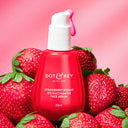
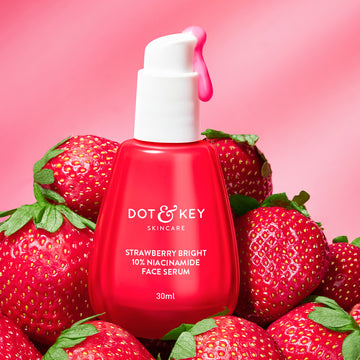
Strawberry Bright 10% Niacinamide Face Serum
BESTSELLER Featured Tag Icon

All Skin Types

Strawberry Bright 10% Niacinamide Face Serum
Full Star Full Star Full Star Full Star Half Star
(1006)

Upto 20% OFF + Free Gifts

599

Cica (Centella) + Niacinamide Oil Free Moisturizer
TOP PICK Featured Tag Icon

Oily & Acne-Prone Skin

Cica (Centella) + Niacinamide Oil Free Moisturizer
Full Star Full Star Full Star Full Star Half Star
(659)

Upto 20% OFF + Free Gifts

495

Cica + Salicylic Acid Face Wash for Oily Skin
BESTSELLER Featured Tag Icon

Oily & Acne-Prone Skin

Cica + Salicylic Acid Face Wash for Oily Skin
Full Star Full Star Full Star Full Star Half Star
(1089)

Upto 20% OFF + Free Gifts

375

Cica Calming Night Gel (Niacinamide + Green Tea)

Oily & Acne-Prone Skin

Cica Calming Night Gel (Niacinamide + Green Tea)
Full Star Full Star Full Star Full Star Half Star
(853)

Upto 20% OFF + Free Gifts

495

Cica + Niacinamide Sunscreen, In-Vivo Tested SPF 50+ PA++++

Oily & Acne-Prone Skin

Cica + Niacinamide Sunscreen, In-Vivo Tested SPF 50+ PA++++
Full Star Full Star Full Star Full Star Half Star
(1156)

Upto 20% OFF + Free Gifts

595

Cica & Salicylic French Green Clay Face Mask
BESTSELLER Featured Tag Icon

Oily, Acne-Prone Skin

Cica & Salicylic French Green Clay Face Mask
Full Star Full Star Full Star Full Star Half Star
(626)

Upto 20% OFF + Free Gifts

550

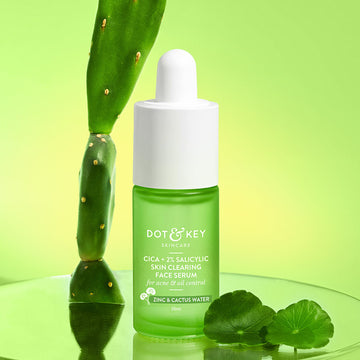
Cica + 2% Salicylic Acid Serum for Acne

Oily, Acne-Prone & Sensitive Skin

Cica + 2% Salicylic Acid Serum for Acne
Full Star Full Star Full Star Full Star Half Star
(706)

Upto 20% OFF + Free Gifts

550