Ceramides for Skin: Benefits, Types & How to Use

Deep | Last Updated On 12 Feb 2026
8 mins read
Table of Contents
Ceramides for Skin: Benefits, Types & How to Use

Your skin deals with a lot every single day—pollution, changing weather, sun exposure, and constant environmental stress. Yet even with regular moisturising, many people still notice tightness, dryness, flakiness, or occasional breakouts. Often, the missing piece in the routine is ceramides—natural lipids that help keep the skin barrier strong and healthy.

A simple way to understand ceramides is to imagine your skin’s outer layer as a brick wall. The skin cells are the bricks, and ceramides act like the mortar that holds those bricks firmly together. When this “mortar” weakens or depletes, the skin barrier becomes compromised. Moisture escapes more easily, irritants can penetrate the skin, and the complexion may start to look dry, dull, or sensitive.

Replenishing ceramides helps restore this protective barrier. When the skin barrier is supported, it holds onto hydration better, feels smoother and calmer, and allows other skincare ingredients to work more effectively.

In this guide, we’ll break down everything you need to know about ceramides in simple terms, including:

  • What ceramides are and how they support the skin barrier

  • The key benefits of ceramides for skin health

  • Different types of ceramides used in skincare formulations

  • Practical ways to include ceramide-rich products in your routine

The focus here is on clear, science-backed information grounded in dermatological understanding—so you can build a routine that supports long-term skin health, not just quick fixes. 

Table of Contents

What Exactly Are Ceramides?

Ceramides are waxy lipid molecules naturally present in the stratum corneum—the outermost layer of your epidermis. They make up roughly 50% of the skin’s intercellular lipids, working alongside cholesterol and free fatty acids to form a flexible, waterproof matrix.

Your body produces ceramides every day, but production slows with age, sun exposure, harsh cleansers, over-exfoliation, and certain skin conditions. The result? Increased transepidermal water loss (TEWL), dryness, and a weakened barrier that lets allergens and bacteria through more easily.

Skincare products deliver topical ceramides—either skin-identical synthetic versions (pseudoceramides) or plant-derived phytoceramides—to directly refill what’s missing. These molecules integrate seamlessly into your skin’s structure because they mirror the ones you already have.

Short version: Ceramides aren’t just another trendy ingredient. They are a core building block of healthy skin.

How Ceramides Support the Skin Barrier

The skin barrier functions like a finely tuned roof. Corneocytes (dead skin cells) act as the tiles, while the lipid mortar—dominated by ceramides—fills the gaps to prevent leaks.

When ceramides are abundant, the structure stays organized in compact lamellar layers that:

  • Trap water inside

  • Block external threats

  • Maintain optimal pH and microbiome balance

Research shows that a healthy barrier requires a balanced mix of ceramides, cholesterol, and fatty acids. Many effective formulas aim to approximate the skin’s natural proportions (approximately 50% ceramides, 25% cholesterol, 15–25% fatty acids) for best results.

Without enough ceramides, the mortar thins. Water evaporates faster. Inflammation rises. Even gentle products can sting. Restoring ceramides rebuilds that protective seal from the ground up.

Signs Your Skin Needs More Ceramides

Watch for these common clues:

  • Persistent tightness or dryness after cleansing

  • Flakiness or rough texture despite moisturizing

  • Increased sensitivity or redness

  • Fine lines that look more pronounced when skin feels dehydrated

  • Slower recovery after using actives like retinol or acids

  • Breakouts triggered by dryness rather than oil

If several apply, your barrier likely needs support. Ceramides address the root cause instead of just masking symptoms.

Proven Benefits of Ceramides for Skin

Clinical observations and studies consistently highlight multiple advantages when ceramides are replenished.

Superior Hydration and Moisture Retention

Ceramides reduce TEWL, helping skin hold onto water longer. Users often notice softer, more supple texture within days, with cumulative improvements over weeks.

Stronger Skin Barrier Repair

Topical ceramides accelerate recovery after disruption—from cold weather, travel, or exfoliation. The barrier becomes more resilient, so skin reacts less to daily stressors.

Anti-Ageing Support

Dehydration makes fine lines and crepiness more visible. By keeping skin plump and elastic, ceramides create a smoother canvas and help other anti-aging ingredients perform better. Research links ceramide decline to the thinning and fragility seen in mature skin.

Soothing for Sensitive, Dry, or Compromised Skin

Conditions like eczema, atopic dermatitis, and winter xerosis show reduced dryness, itching, and redness with consistent ceramide use. The lipids calm inflammation while reinforcing the barrier that often fails first in these states.

Better Tolerance to Active Ingredients

Retinol, AHAs, and benzoyl peroxide can temporarily weaken the barrier. Ceramides buffer that irritation, allowing you to use effective treatments without the usual dryness or peeling.

Protection Against Environmental Damage

A fortified lipid matrix limits penetration of pollutants, allergens, and even some UV-induced stress, keeping skin calmer and clearer year-round.

Improved Smoothness and Glow

Well-hydrated, intact skin reflects light better and feels velvety. Many notice reduced dullness and a healthier overall appearance.

These benefits compound with consistent use. The skin doesn’t just look better—it functions better.

Types of Ceramides and What to Look For

Nine major ceramides exist in human skin, but skincare formulas focus on a few skin-identical ones for maximum compatibility.

Ceramide Type

Common INCI Name

Key Role in Skin

Ceramide 1

Ceramide EOP

Helps form long-chain structures; supports permeability control

Ceramide 3

Ceramide NP

Most abundant; excels at hydration and barrier organization

Ceramide 6-II

Ceramide AP

Promotes proper lipid arrangement; aids soothing and repair

Look for products listing at least two or three of these alongside cholesterol and fatty acids. Multi-ceramide blends usually outperform single-type formulas. Plant-derived phytoceramides (from rice, wheat, or konjac) also appear in some creams and oral supplements.

How to Choose and Incorporate Ceramides Into Your Routine

What to Seek on Labels

  • Multiple ceramides (NP, AP, EOP)

  • Complementary lipids (cholesterol, fatty acids)

  • Supportive partners like niacinamide, panthenol, or glycerin

  • Airtight or pump packaging to protect delicate lipids

Simple Daily Routine

Morning (AM)

  1. Gentle cleanser

  2. Hydrating toner or essence (optional)

  3. Treatment serum (e.g., vitamin C or niacinamide)

  4. Ceramide moisturizer or cream

  5. Sunscreen

Evening (PM)

  1. Cleanser (double-cleanse if wearing makeup)

  2. Active (retinol, acid—buffered by ceramides)

  3. Ceramide-rich moisturizer or overnight mask

Pro Tips for Best Results

  • Apply to damp skin within three minutes of cleansing or showering to trap extra water.

  • Use a pea-sized amount for the face; massage gently upward.

  • Layer: humectants (like hyaluronic acid) first to draw water in, then ceramides to seal it.

  • Start slowly if skin is very compromised—one ceramide product at a time.

Most people see noticeable softness in 7–14 days and measurable barrier improvement in 3–4 weeks. Consistency matters more than quantity.

Ceramides for Specific Skin Concerns


Dry or Dehydrated Skin

Ceramides directly replenish what’s lost, turning tight, flaky skin into smooth, comfortable skin even in harsh climates.

Ageing or Mature Skin

Beginning in the 30s, natural ceramide production drops. Daily use helps maintain plumpness and resilience as collagen support declines.

Sensitive or Reactive Skin

The calming lipid barrier reduces redness triggers and makes skin less prone to stinging.

Eczema or Atopic Dermatitis

Clinical approaches often include ceramide-rich moisturizers to reduce flare severity and extend remission periods.

Acne-Prone Skin

Ceramides prevent the dryness that can trigger rebound oil production and irritation from treatments, supporting clearer skin over time.

Post-Procedure or Sun-Damaged Skin

After peels, lasers, or excessive sun, ceramides speed recovery and restore comfort.

Topical vs. Oral Ceramides: Do Supplements Help?

Topical application delivers ceramides exactly where needed—in the stratum corneum. Oral phytoceramides (often rice- or wheat-derived) have shown promising results in studies for improving overall hydration, elasticity, and reducing fine lines from within, typically after 4–8 weeks. They support your body’s natural production rather than replacing topical use.

Many people combine both for comprehensive support, especially during dry seasons or high-stress periods. Consult a dermatologist or doctor before starting supplements.

Common Myths About Ceramides


Myth 1: Ceramides clog pores or cause breakouts.

Truth: They are non-comedogenic for most people and actually help balance skin by preventing dehydration-induced oiliness.

Myth 2: Only dry skin needs them.

Truth: Every skin type benefits from barrier maintenance—oily skin included.

Myth 3: Synthetic ceramides are inferior.

Truth: Skin-identical synthetics offer purity, stability, and better absorption than some natural extracts.

Myth 4: Results are instant and dramatic.

Truth: Ceramides deliver steady, cumulative improvements—realistic expectations lead to better adherence.

Summary: Make Ceramides Part of Your Foundation

Strong, healthy skin starts with a solid barrier. Ceramides for skin deliver the essential lipids your complexion needs to stay hydrated, protected, and radiant at every age and stage.

Start simply: choose a moisturizer with multiple skin-identical ceramides, apply it consistently to damp skin morning and night, and pair it with the rest of your routine. Within weeks you’ll likely see smoother texture, fewer reactive moments, and a glow that comes from inside the skin itself.

Your skin already knows how to protect you. Giving it the ceramides it needs is one of the smartest, most evidence-based steps you can take toward lasting skin health.

FAQs

What do ceramides do for skin?

They form the mortar of the skin barrier, locking in moisture, blocking irritants, and supporting overall health and resilience.

Are ceramides good for sensitive skin? 

Yes. They strengthen the barrier that often fails first in sensitive or reactive skin, reducing redness and discomfort.

How long do ceramides take to work?

Many notice softer texture in one to two weeks; visible barrier repair and reduced dryness typically appear within four weeks of twice-daily use.

Can you use ceramides with retinol or acids?

Absolutely. Ceramides help counteract the drying side effects, allowing better tolerance and continued use of potent actives.

Do ceramides help with wrinkles?

They reduce the appearance of fine lines caused by dehydration and support skin plumpness, complementing collagen-focused treatments.

Are ceramides better than hyaluronic acid?

They work differently and beautifully together. Hyaluronic acid draws water in; ceramides seal it inside.

Is there any downside to using ceramides?

They have an excellent safety profile with virtually no reported irritation or side effects for most users.

Can I use ceramides if I have acne?

Yes—many find they reduce irritation from acne treatments and help maintain balance without clogging pores.


Our Recommendation

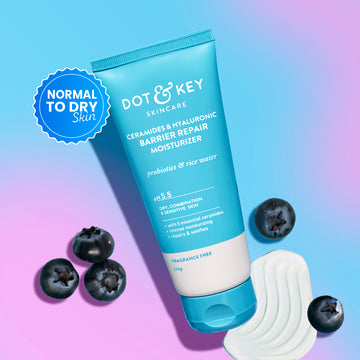
Barrier Repair Moisturizer (Hyaluronic + Ceramides)
BESTSELLER Featured Tag Icon

Dry & Sensitive Skin

Barrier Repair Moisturizer (Hyaluronic + Ceramides)
Full Star Full Star Full Star Full Star Half Star
(1844)

Upto 20% OFF + Free Gifts

599

Barrier Repair Sunscreen, In-Vivo Tested SPF 50+ PA++++
TOP PICK Featured Tag Icon

All Skin Types

Barrier Repair Sunscreen, In-Vivo Tested SPF 50+ PA++++
Full Star Full Star Full Star Full Star Half Star
(1637)

Upto 20% OFF + Free Gifts

595

Barrier Repair Intense Moisturizer With Ceramides
JUST IN Featured Tag Icon

Very Dry Skin

Barrier Repair Intense Moisturizer With Ceramides
Full Star Full Star Full Star Full Star Half Star
(2151)

Upto 20% OFF + Free Gifts

399

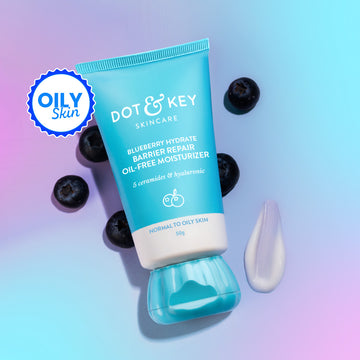
Barrier Repair Oil-Free Moisturizer with Ceramides
JUST IN Featured Tag Icon

Oily & Combination Skin

Barrier Repair Oil-Free Moisturizer with Ceramides
Full Star Full Star Full Star Full Star Half Star
(1844)

Upto 20% OFF + Free Gifts

399

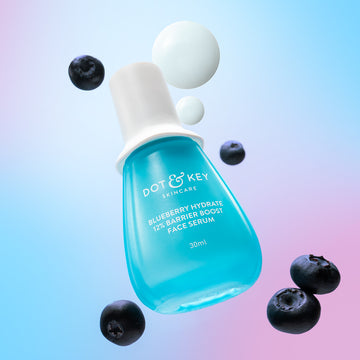
12% Barrier Boost Serum (Hyaluronic + Ceramides)
TOP PICK Featured Tag Icon

All Skin Types

12% Barrier Boost Serum (Hyaluronic + Ceramides)
Full Star Full Star Full Star Full Star Half Star
(2151)

Upto 20% OFF + Free Gifts

449

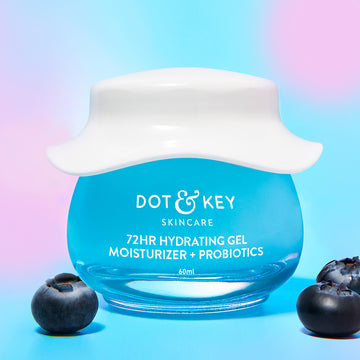
72HR Hydrating Gel Moisturizer + Probiotics
BESTSELLER Featured Tag Icon

Oily & Combination Skin

72HR Hydrating Gel Moisturizer + Probiotics
Full Star Full Star Full Star Full Star Half Star
(1603)

Upto 20% OFF + Free Gifts

495

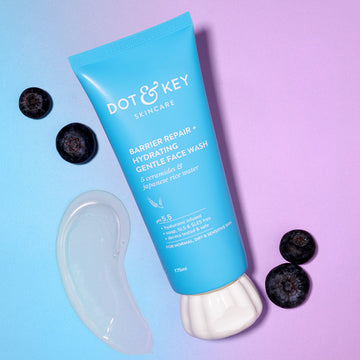
Barrier Repair Gentle Hydrating Face Wash
TOP PICK Featured Tag Icon

Normal, Dry & Sensitive Skin

Barrier Repair Gentle Hydrating Face Wash
Full Star Full Star Full Star Full Star Half Star
(803)

Upto 20% OFF + Free Gifts

375