Which Face Serum is Good for Dry Skin? Dermatologists Guide

Deep | Last Updated On 28 May 2026
17 mins read
Table of Contents
Which Face Serum is Good for Dry Skin? Dermatologists Guide

You cleanse your face, and just a few minutes later your skin already feels tight, rough, or uncomfortable. By afternoon, dry patches start showing up around your cheeks or nose no matter how much moisturizer you apply. If that sounds familiar, you are not alone. Dry skin is one of the most common skincare concerns, especially with constant AC exposure, weather changes, stress, over-cleansing, and dehydration quietly weakening the skin barrier every day.

This is where the right face serum can completely change your routine. Unlike heavier creams that mostly sit on the surface, a well-formulated serum delivers concentrated hydrating and barrier-supporting ingredients deeper into the skin, helping it hold onto moisture for longer. Dermatologists often recommend serums because their lightweight texture absorbs quickly while targeting the root causes of dryness—water loss, barrier damage, and inflammation.

The key, however, is choosing the right serum. Not every serum suits dry skin. Some focus on exfoliation or oil control and can actually worsen tightness or irritation. The best face serums for dry skin are packed with ingredients like hyaluronic acid, ceramides, glycerin, peptides, and soothing botanical extracts that replenish hydration while strengthening the skin barrier over time.

In this guide, you will learn exactly which types of serums dermatologists recommend for dry skin, the ingredients that truly make a difference, how to use them correctly, and the common mistakes that keep skin feeling dehydrated despite layering on products.

Table of Contents

Dry Skin vs. Dehydrated Skin: Why the Distinction Matters

Before choosing a serum, you need to understand what you are actually treating. Many people use the terms "dry" and "dehydrated" interchangeably, but dermatologists draw a sharp distinction, and it changes everything about what products you should reach for.

Dry skin is a skin type. It means your skin produces insufficient lipids (oils) to lubricate and protect itself. This is largely genetic and tends to be a long-term characteristic. Dehydrated skin, on the other hand, is a temporary condition where the skin lacks water. Anyone can experience dehydration, including people with oily skin.

Characteristic Dry Skin (Lacks Oil) Dehydrated Skin (Lacks Water)
Nature Skin type, usually genetic Temporary condition, can affect anyone
Feel Rough, flaky, may feel leathery Tight, uncomfortable, looks dull
Appearance Red patches, visible scaling, cracking Fine lines more pronounced, lackluster
Oil Production Minimal sebum production Can occur alongside normal or high oil production
Best Serum Approach Emollient-rich serums with humectants and barrier lipids Humectant-focused serums layered under moisturizer

This distinction matters because a dehydrated person with oily skin needs a lightweight, water-based hydrating serum, while someone with truly dry skin needs a serum rich in both humectants and emollients to replenish both water and oil.

The 8 Best Types of Serums for Dry Skin, According to Dermatologists

Dermatologists consistently recommend specific ingredient categories for dry skin. Each works through a different mechanism, and understanding these differences helps you make a smarter choice.

Serum Type Primary Mechanism Best For Dermatologist Insight
Hyaluronic Acid Serum Draws water into skin; holds up to 1000x its weight in water All dry skin types, especially dehydrated skin "A HA serum helps draw water onto the upper layers of the skin, which is useful for reducing dehydration, dryness, and fine surface lines"
Ceramide Serum Replenishes the skin barrier's natural lipids to prevent water loss Dry, compromised, or sensitive skin Ceramides are the building blocks of the skin barrier; they fill in cracks and reduce trans-epidermal water loss
Glycerin Serum Humectant that pulls water into skin and stays in the skin for extended periods Chronically dry, rough skin Glycerin is non-comedogenic, highly effective, and well-tolerated even by sensitive skin
Squalane Serum Lightweight emollient that mimics skin's natural sebum Dry, mature, or sensitive skin "Squalane is a lightweight, skin-friendly oil that is naturally found in our own sebum"; it is an especially good choice for dry, sensitive, or mature skin
Niacinamide Serum Boosts ceramide production in the skin, strengthens barrier Dry skin with redness or sensitivity Niacinamide increases production of ceramides and fatty acids, two key components of the skin's outer protective barrier
Vitamin B5 (Panthenol) Serum Acts as both humectant and emollient; soothes and repairs Very dry, irritated, or post-procedure skin Panthenol helps increase hydration and reduce trans-epidermal water loss to reinforce the skin barrier
Peptide Serum Supports collagen production and barrier repair Dry, aging skin with fine lines Peptides help reduce the appearance of fine lines and wrinkles, improve skin texture, and are particularly beneficial for dry, sensitive, or compromised skin
Lactic Acid Serum Gentle AHA exfoliant that also hydrates Dry skin with rough texture or dullness Dermatologists frequently recommend lactic acid as the preferred AHA for patients with dry or mildly sensitive skin who need chemical exfoliation

1. Hyaluronic Acid Serum

Hyaluronic acid (HA) is the most recognized hydrating ingredient in skincare for good reason. It is a naturally occurring glycosaminoglycan found in the body, with the highest concentrations in the skin, eyes, and joint fluids. One of its most important characteristics is its extraordinary ability to retain water, holding up to 1,000 times its weight in moisture.

"HA is a true all-rounder, boosting hydration, improving the appearance of fine lines and wrinkles, and supporting skin barrier function," says Dr. Clare Kiely, consultant dermatologist. "It works well alongside other active ingredients like retinoids, niacinamide, and vitamin C, and is generally suitable for all skin types, including sensitive skin".

As you age, your skin produces less hyaluronic acid naturally, which accelerates the onset of dryness and fine lines. Applying it topically through a serum helps replenish what time takes away.

What to look for: A serum with multiple molecular weights of hyaluronic acid. Low molecular weight HA penetrates deeper, while higher molecular weight HA delivers surface-level hydration. Many advanced formulas now contain three to seven forms of HA for multi-layer hydration.

Critical rule: Always apply hyaluronic acid serum to slightly damp skin and seal it with a moisturizer. If applied to dry skin in a dry environment, HA can actually pull moisture out of the skin rather than into it.

2. Ceramide Serum

Ceramides are fatty molecules that make up roughly 50% of the skin's outer barrier. Think of them as the mortar between the brick-like skin cells. When this mortar breaks down due to aging, harsh weather, or over-cleansing, moisture escapes and irritants get in.

A ceramide serum works by replenishing these essential lipids, effectively repairing the skin's natural protective barrier. This reduces trans-epidermal water loss (TEWL), the process by which moisture evaporates from the surface of the skin. Ceramides protect against environmental damage and help the skin hold onto water for longer.

Many dermatologists recommend looking for serums that combine ceramides with cholesterol and fatty acids in a balanced ratio, as these three lipids work together naturally in healthy skin.

What to look for: A serum listing ceramide NP, ceramide AP, or ceramide EOP among the ingredients. Formulas that include multiple ceramide types alongside cholesterol provide more comprehensive barrier repair.

3. Glycerin Serum

Glycerin rarely gets the spotlight that hyaluronic acid enjoys, but dermatologists value it just as highly. It is a powerful humectant that pulls moisture from the air and from deeper skin layers into the surface where it is needed most.

What sets glycerin apart is its staying power. Unlike some humectants that provide a quick burst of hydration that fades rapidly, glycerin can remain in the skin for extended periods, delivering sustained moisture. It also functions as an emollient, softening and smoothing the skin's surface.

Glycerin is non-comedogenic, widely tolerated, and pairs exceptionally well with other hydrating ingredients like squalane and ceramides.

What to look for: A serum that lists glycerin among the first five ingredients. It is often combined with hyaluronic acid for dual-action hydration.

4. Squalane Serum

Squalane is a lightweight, skin-friendly oil that closely mimics the skin's natural sebum. It is derived from olives or sugarcane and is exceptionally well-tolerated across all skin types, including sensitive and acne-prone skin. It will not clog pores.

"Squalane is a lightweight, skin-friendly oil that is naturally found in our own sebum," explains Dr. Geeta Yadav, a board-certified dermatologist. "It is an especially good choice for anyone with dry, sensitive, or mature skin".

Because squalane is so similar to what the skin naturally produces, it absorbs quickly without leaving a greasy residue. It smooths rough patches, reduces flakiness, and helps the skin retain moisture throughout the day. It also works well as a carrier, helping other active ingredients penetrate more effectively.

What to look for: A serum with 100% sugarcane-derived squalane or a formula that pairs squalane with glycerin and ceramides for comprehensive barrier support.

5. Niacinamide Serum

Niacinamide (vitamin B3) is often discussed for its oil-controlling and pore-minimizing benefits, but it is equally valuable for dry skin, albeit through a different mechanism. For dry skin, niacinamide's primary benefit is its ability to stimulate the skin's own ceramide production.

Studies show niacinamide can increase ceramide synthesis significantly, improving the skin's ability to retain moisture at different humidity levels. It also helps soothe redness and inflammation that often accompany severely dry skin.

Dr. Jinah Yoo, a consultant dermatologist, includes niacinamide as one of the key ingredients to look for in a hydrating serum, alongside ceramides and squalane.

What to look for: A serum with 2% to 5% niacinamide. Higher concentrations are available but may cause flushing in sensitive skin. Formulas that pair niacinamide with ceramides or glycerin provide complementary benefits.

6. Vitamin B5 (Panthenol) Serum

Panthenol, also known as provitamin B5, is one of the most effective ingredients for dry and compromised skin because it functions as both a humectant and an emollient. This dual action means it draws water into the skin while simultaneously softening and smoothing the surface.

High-concentration panthenol serums (often at 5% to 10%) are particularly recommended for skin that is not just dry but also irritated, sensitive, or recovering from procedures. Panthenol helps reduce trans-epidermal water loss and reinforces the skin barrier against further damage.

What to look for: A serum with 5% or higher panthenol. These formulas are often lightweight, fragrance-free, and specifically designed for sensitive or compromised skin.

7. Peptide Serum

Peptides are short chains of amino acids that act as signaling molecules within the skin. They tell your skin cells to produce more collagen and elastin, which are essential for maintaining firm, resilient, and well-hydrated skin.

For dry skin specifically, peptides help by strengthening the skin barrier and improving the skin's ability to hold onto moisture. They are particularly beneficial for dry, sensitive, or compromised skin because they aid in restoring the skin barrier and promoting overall skin health.

A peptide serum that combines peptides with humectants can address both the immediate sensation of dryness and the underlying structural weakness that causes chronic moisture loss.

What to look for: A serum containing signal peptides such as palmitoyl tripeptide, copper tripeptide-1, or acetyl hexapeptide. Formulas that pair peptides with hyaluronic acid or glycerin provide immediate and long-term hydration benefits.

8. Lactic Acid Serum

Dry skin tends to accumulate dead surface cells that make the complexion look dull and rough. Gentle exfoliation removes this buildup, allowing hydrating ingredients to penetrate more effectively. However, many chemical exfoliants are too harsh for already-dry skin.

Lactic acid is the exception. As an alpha hydroxy acid (AHA) derived from milk, it has a larger molecular size than glycolic acid, which means it penetrates more slowly and is far less likely to cause irritation. Dermatologists frequently recommend lactic acid as the preferred AHA for patients with dry or mildly sensitive skin who need chemical exfoliation.

Beyond exfoliation, lactic acid also has humectant properties, meaning it helps the skin retain moisture even as it exfoliates. A serum combining lactic acid with hydrating ingredients like hyaluronic acid or glycerin can smooth texture without compromising the skin barrier.

What to look for: A serum with 5% lactic acid to start. Formulas that include sodium hyaluronate or glycerin alongside lactic acid help offset any potential drying.

How to Choose the Right Serum Based on Your Dry Skin Type

Not all dry skin is the same. Use the table below to match your specific dry skin concern with the most effective serum type.

If Your Dry Skin Is... Best Serum Choice Why It Works
Tight and flaky year-round Ceramide Serum or Glycerin + Squalane Replenishes missing lipids and provides lasting moisture
Dull and rough-textured Lactic Acid + Hyaluronic Acid Gently exfoliates dead cells while hydrating deeply
Sensitive and easily irritated Vitamin B5 (Panthenol) Serum Soothes, repairs, and strengthens the barrier without irritation
Showing fine lines and loss of firmness Peptide Serum or Bakuchiol Serum Supports collagen and elastin while providing gentle hydration
Red and inflamed (with rosacea or eczema) Niacinamide (2%-5%) or Panthenol Calms inflammation while strengthening barrier function
Flaky in winter but normal in summer Hyaluronic Acid + Ceramide Adjusts hydration levels as environmental conditions change
Post-procedure or recovering from over-exfoliation Vitamin B5 (Panthenol) + Ceramide Repairs barrier damage and restores hydration rapidly

How to Layer and Apply Your Dry Skin Serum

Applying a serum correctly is just as important as choosing the right one. Follow this dermatologist-recommended sequence.

Step 1: Cleanse with a Gentle, Non-Foaming Cleanser

Avoid foaming cleansers with sulfates, which strip the skin's natural oils. Use a cream or milk cleanser that cleans without disrupting the barrier. If you have dry skin, a hydrating and non-foaming cleanser is essential.

Step 2: Apply Serum to Damp Skin

Do not pat your face completely dry after cleansing. Leave the skin slightly damp. Applying a hydrating serum within minutes of drying your skin prevents moisture from evaporating and maximizes absorption.

Step 3: Use 2 to 4 Drops and Press, Do Not Rub

Warm the serum between your fingertips and press it gently into the skin. Avoid rubbing in circles, which can irritate dry skin and waste product. Focus on areas that feel tightest.

Step 4: Wait 30 to 60 Seconds

Give the serum time to absorb before applying the next product. This prevents pilling and ensures each layer works effectively.

Step 5: Seal with a Barrier-Repair Moisturizer

The moisturizer is not optional. It seals in the serum's hydrating ingredients and provides the occlusive layer that prevents water loss. Look for a moisturizer with ceramides, peptides, or squalane.

Step 6: Sunscreen Every Morning

Dry skin is often more vulnerable to environmental damage. A broad-spectrum SPF 30 or higher protects the skin barrier and prevents further moisture loss throughout the day.

The Moisture Sandwich Technique for Extra-Dry Skin

If standard serum application still leaves your skin feeling tight, dermatologists recommend a technique called "moisture sandwiching." This involves layering products on damp skin to trap hydration and prevent it from evaporating.

A moisture sandwich means dampening your skin, applying a humectant-based product, and then applying an occlusive balm or cream. It is designed to ensure enough water gets into the skin and none of it gets out.

How to do it:

  • Cleanse your face and leave it slightly damp.

  • Apply your hydrating serum (hyaluronic acid, glycerin, or a blend).

  • While the serum is still slightly tacky, apply your moisturizer.

  • For very dry skin, add a thin layer of a non-comedogenic face oil like squalane as the final step.

This final occlusive layer traps everything underneath, dramatically reducing overnight water loss.

Common Mistakes That Keep Dry Skin Parched

Even the best serum will underperform if you are making these common errors.

  • Applying hyaluronic acid serum to dry skin. HA needs water to bind to. If applied to bone-dry skin in a dry climate, it can pull moisture from deeper skin layers, making dryness worse. Always apply to damp skin and seal with moisturizer.

  • Skipping moisturizer because the serum feels hydrating enough. A serum delivers active ingredients, but without an occlusive layer, those hydrating ingredients will evaporate within hours. Moisturizer is non-negotiable.

  • Over-exfoliating to remove flakes. It is tempting to scrub away visible dryness, but this damages the barrier further. Stick to gentle chemical exfoliation with lactic acid once or twice a week.

  • Using foaming or gel cleansers. These often contain sulfates that strip natural oils. Switch to a cream or oil-based cleanser.

  • Taking long, hot showers. Hot water strips the skin's natural lipids. Wash your face with lukewarm water, and keep showers brief.

  • Ignoring internal hydration. Topical products work from the outside, but your skin also needs water from within. Adequate water intake supports overall skin hydration.

Lifestyle Factors That Support Hydrated, Healthy Skin

Your serum works best when supported by healthy habits.

  • Use a humidifier in your bedroom. Dry indoor air, especially during winter, pulls moisture from your skin overnight. A humidifier helps maintain ambient humidity levels so your skin retains more water while you sleep.

  • Protect your skin from wind and cold. Harsh weather accelerates moisture loss. Wear a scarf over your face in windy conditions and apply a barrier-protective moisturizer before heading outdoors.

  • Eat healthy fats. Omega-3 fatty acids found in salmon, walnuts, and flaxseed support the skin's lipid barrier from the inside.

  • Limit alcohol and caffeine. Both have diuretic effects that can contribute to overall dehydration and drier skin.

  • Change your pillowcase regularly. Clean fabric reduces the bacterial load that can irritate already-sensitive dry skin.

When to See a Dermatologist

If you have been using a quality serum and moisturizer consistently for four to six weeks and your skin remains severely dry, flaky, or uncomfortable, it is time to consult a dermatologist. Persistent dryness can sometimes signal underlying conditions such as eczema, psoriasis, hypothyroidism, or diabetes that require medical treatment beyond over-the-counter products.

A dermatologist can assess your skin, rule out medical causes, and recommend prescription-strength treatments or in-office procedures if needed.

Conclusion

The best face serum for dry skin is one that addresses both the immediate sensation of tightness and the underlying barrier dysfunction that causes chronic moisture loss. Dermatologists consistently point to hyaluronic acid, glycerin, ceramides, squalane, niacinamide, and panthenol as the most effective ingredients for restoring and maintaining hydration.

Your ideal serum should contain at least two of these ingredients working in combination: a humectant to draw water in, and either an emollient or a barrier-repairing lipid to keep that water from escaping. Apply it to damp skin, seal it with a moisturizer, and protect your barrier with daily sunscreen.

Dry skin is not something you simply have to accept. With the right serum and the right technique, you can transform a tight, flaky complexion into skin that feels comfortable, looks plump, and stays hydrated all day long.

Frequently Asked Questions

Can I use a serum instead of a moisturizer if I have dry skin?

No. A serum delivers concentrated active ingredients deep into the skin, but it does not provide the occlusive barrier that locks hydration in place. Without moisturizer, the hydrating ingredients in your serum will evaporate, leaving your skin drier than before. Always follow serum with moisturizer.

How often should I apply a hydrating serum?

Most hydrating serums are gentle enough for twice-daily use, morning and night. If your serum contains exfoliating ingredients like lactic acid, use it two to three times per week and build up gradually based on your skin's tolerance.

Is hyaluronic acid enough on its own for dry skin?

For mildly dry or dehydrated skin, a well-formulated hyaluronic acid serum may be sufficient. However, dermatologists increasingly recommend serums that combine multiple hydrating and barrier-repairing ingredients. "Hydrating serums can help restore balance and replenish moisture," but ingredients like ceramides, squalane, and glycerin "can work in tandem to provide deep and lasting hydration".

Can I use a retinol serum if I have dry skin?

Yes, but you need to be strategic. Start with a low concentration (0.25%) and apply it only after your hydrating serum has absorbed. Using niacinamide beforehand can increase your tolerance to retinoids and reduce the risk of peeling. If retinol is too irritating, bakuchiol, a plant-based alternative, offers similar benefits without the dryness and flaking.

Will a face serum make my dry skin feel greasy?

No. Serums are formulated to be lightweight and fast-absorbing. Unlike heavy creams or oils, a well-formulated serum penetrates quickly and does not leave a greasy residue. Ingredients like squalane and glycerin provide moisture without heaviness.

What should I avoid in a serum if I have dry, sensitive skin?

Avoid serums with high concentrations of denatured alcohol, artificial fragrances, and essential oils, all of which can irritate and further dry out the skin. Also avoid high-strength glycolic acid or salicylic acid serums unless specifically formulated for dry skin.

How long does it take to see results from a hydrating serum?

You should feel immediate relief from tightness and see increased radiance within the first few applications. More significant improvements in barrier function, texture, and sustained hydration typically become visible after two to four weeks of consistent use.

Our Recommendation

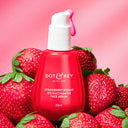
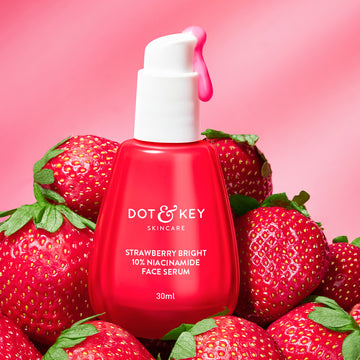
Strawberry Bright 10% Niacinamide Face Serum
BESTSELLER Featured Tag Icon

All Skin Types

Strawberry Bright 10% Niacinamide Face Serum
Full Star Full Star Full Star Full Star Half Star
(1006)

Upto 20% OFF + Free Gifts

599

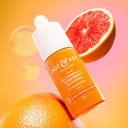
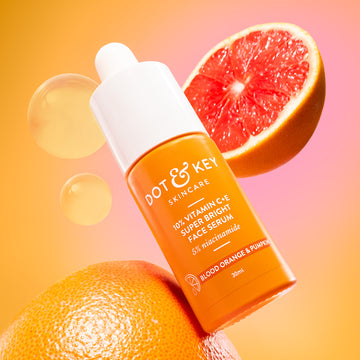
10% Vitamin C + E Face Serum with 5% Niacinamide
BESTSELLER Featured Tag Icon

All Skin Type

10% Vitamin C + E Face Serum with 5% Niacinamide
Full Star Full Star Full Star Full Star Half Star
(770)

Upto 20% OFF + Free Gifts

695

12% Barrier Boost Serum (Hyaluronic + Ceramides)
TOP PICK Featured Tag Icon

All Skin Types

12% Barrier Boost Serum (Hyaluronic + Ceramides)
Full Star Full Star Full Star Full Star Half Star
(2466)

Upto 20% OFF + Free Gifts

599