Which Face Serum is Best for Open Pores? Science-Backed Guide

Twinkle | Last Updated On 31 May 2026
16 mins read
Table of Contents
Which Face Serum is Best for Open Pores? Science-Backed Guide

Hey hey, girliepops! We know you all wanna talk about that one moment when you accidentally open your front cam while you’re trying to snap your lunch and your whole attention just zooms in on those tiny dots across your nose and cheeks. Maybe your makeup settled into them, maybe the midday lighting is making them even more noticeable today. Either way, you’re not spiraling. You’re just noticing. And you’re definitely not the only one doing that.

So here’s the real tea: You cannot “close” your pores. Nope. Not with ice, not with wishful thinking, and definitely not with those 5 minutes DIY hacks .

BUT, hear us out cause this is the good part, you can make them look way more subtle, smoother, and way less prominent in your selfies.

And honestly? The MVP in this situation is a good serum. Not just any serum, but one packed with the right active ingredients that actually know what they’re doing. Think of it as your skin’s tiny, overachieving assistant quietly getting things in order.

So in this guide, we’re breaking down which serums actually work for visible pores, the ingredients that deserve your attention, and how to pick the right one for your skin type.

Table of Contents

Why Do Pores Look So Large in the First Place?

Before choosing a serum, it helps to understand what you are actually fighting. Pores are tiny openings in the skin that allow sweat and oil to reach the surface. Everyone has them. They become a cosmetic concern when they appear stretched, clogged, or overly visible.

Several factors conspire to make pores look larger:

  • Excess Sebum Production: When your skin overproduces oil, the excess pools inside the pore lining. Over time, this buildup physically stretches the pore walls, making them appear wider and more prominent.

  • Clogged Pores and Debris: Dead skin cells, makeup residue, and environmental grime mix with sebum to form a plug. This plug not only creates blackheads but also distends the pore opening, making it look larger than it actually is.

  • Loss of Skin Elasticity: As you age and accumulate sun damage, your skin's collagen and elastin framework breaks down. When the supportive structure around each pore weakens, the pore walls lose their tightness and appear to gape open.

  • Genetics: Your baseline pore size is largely inherited. If your parents had visible pores, you are more likely to have them too. You cannot change your DNA, but you can control how pronounced those pores look.

  • Sun Damage: UV rays degrade collagen and thicken the outer layer of skin, which can make pores look more pronounced and skin texture feel rough.

Understanding these root causes reveals the strategy: you need a serum that clears out congestion, regulates oil production, and supports the skin's structural firmness. The best pore-minimizing serums do all three.

The 7 Best Types of Serums for Open Pores

Different serums tackle pore visibility through different mechanisms. The table below compares the top ingredient categories so you can see which one aligns with your primary concern.

Serum Type

Primary Mechanism

Best For

What to Expect

Niacinamide Serum

Regulates oil, strengthens barrier, visibly tightens pore openings

Oily, combination, acne-prone skin

Smaller-looking pores, reduced shine, more even skin tone

Salicylic Acid (BHA) Serum

Oil-soluble exfoliant that penetrates deep into pores to dissolve clogs

Oily, congested, blackhead-prone skin

Clearer pores, fewer blackheads, smoother texture

Retinol Serum

Accelerates cell turnover, boosts collagen, regulates oil over time

Aging, sun-damaged, persistently congested skin

Firmer skin, refined pores, improved texture after weeks of use

Glycolic Acid (AHA) Serum

Water-soluble exfoliant that resurfaces the top layer of skin

Dull, rough, sun-damaged skin

Smoother surface, brighter complexion, less noticeable pores

PHA Serum

Gentle surface exfoliation with hydrating properties

Sensitive, easily irritated skin

Smoothing and pore refinement without stinging or peeling

Niacinamide + Zinc Serum

Oil regulation and anti-inflammatory action combined

Very oily, acne-prone skin

Mattified skin, calmed redness, visibly minimized pores

Peptide Serum

Supports collagen production and strengthens skin structure

Mature, loss-of-firmness skin

Firmer pore walls, improved elasticity, plumper skin

Let us dive deeper into each one so you can choose with confidence.

1. Niacinamide Serum

If you could only pick one ingredient to fight open pores, niacinamide (vitamin B3) would be the strongest contender. This multitasking molecule is one of the most extensively studied skincare ingredients available without a prescription.

How it works: Niacinamide reduces the amount of sebum your skin produces. Less oil means less stretching of the pore lining. It also strengthens the skin barrier and improves elasticity around the pore opening, which creates a visible tightening effect over time.

A survey of over 400 skincare users found that a 20% niacinamide formula was frequently cited as a product that "shrinks pores" while also fading dark spots. Even a budget-friendly 10% niacinamide serum earned praise for making pores appear noticeably smaller and skin texture smoother with consistent use.

What to look for: A serum with 5% to 20% niacinamide. If you are new to it, start at 5% to 10% to let your skin adjust. Higher concentrations deliver faster results but may cause temporary flushing in sensitive skin.

Best for: All skin types, but especially oily, combination, and acne-prone skin. If you have both open pores and uneven tone or redness, niacinamide addresses both simultaneously.


2. Salicylic Acid (BHA) Serum

Salicylic acid is a beta hydroxy acid (BHA), and what sets it apart is its oil solubility. Unlike water-soluble exfoliants that work only on the skin's surface, salicylic acid can slip past the sebum and dive deep into the pore lining.

How it works: Once inside the pore, salicylic acid dissolves the glue-like bonds that hold dead skin cells, oil, and debris together. This clears out the gunk that physically stretches the pore wall. When the obstruction is removed, the pore can "snap back" to a less visible state.

Dermatologists often recommend pairing a BHA cleanser or toner with a niacinamide serum for a complete pore-minimizing approach. The BHA clears the congestion, and the niacinamide tightens the now-clean pore opening.

What to look for: A leave-on serum with 0.5% to 2% salicylic acid. Encapsulated salicylic acid formulas release the active ingredient slowly, reducing the risk of dryness and irritation.

Best for: Oily and combination skin with visible blackheads or sebaceous filaments. If your pores look dark or filled, salicylic acid is your best starting point.


3. Retinol Serum

Retinol belongs to the retinoid family, a group of vitamin A derivatives that are among the most evidence-backed ingredients in all of skincare. While it is best known as an anti-aging powerhouse, it also has remarkable pore-refining capabilities.

How it works: Retinol speeds up skin cell turnover, meaning old, damaged surface cells are shed faster and replaced with fresh ones. More importantly, it stimulates collagen production in the deeper layers of the skin. This gradually rebuilds the supportive scaffolding around each pore, making the pore walls firmer and less prone to stretching.

Clinical research confirms that topical retinoids are a proven treatment for reducing the appearance of enlarged facial pores. The catch is that results take time—usually 8 to 12 weeks of consistent use. Retinol can also cause initial dryness and peeling, so start slowly, applying it every third night and always following with moisturizer.

What to look for: A serum with 0.25% to 1% encapsulated retinol. Encapsulation technology delivers the active ingredient gradually, reducing irritation while maintaining effectiveness. Many modern formulas pair retinol with niacinamide for dual-action pore refinement.

Best for: Aging skin, sun-damaged skin, and anyone who has tried gentler options without seeing meaningful improvement. Not recommended during pregnancy.


4. Glycolic Acid (AHA) Serum

Glycolic acid is an alpha hydroxy acid (AHA) derived from sugarcane. It has the smallest molecular size of all AHAs, which allows it to penetrate the skin efficiently and deliver rapid surface-level results.

How it works: Glycolic acid loosens the bonds between dead skin cells on the outermost layer, sweeping away the rough, dull buildup that can make pores appear more pronounced. By smoothing the skin's surface, it reflects light more evenly and reduces the visual contrast between the pore opening and the surrounding skin. Some formulas also stimulate collagen production with continued use, contributing to firmer pore walls over time.

One 10% glycolic acid formula was reported to visibly minimize pores in just one week, with users noting that skin felt smoother overnight and pores looked tighter.

What to look for: A serum with 4% to 10% glycolic acid. Beginners should start at the lower end. Glycolic acid increases sun sensitivity, so daily sunscreen is non-negotiable.

Best for: Normal to oily skin with surface roughness, dullness, and sun damage. Not ideal for very sensitive or reactive skin.


5. PHA Serum

Polyhydroxy acids (PHAs) are a newer generation of chemical exfoliants that offer similar benefits to AHAs but with far less risk of irritation.

How it works: PHA molecules are larger than AHA molecules, so they penetrate the skin more slowly and stay closer to the surface. This means they gently exfoliate, unclog pores, and smooth texture without the stinging or peeling that stronger acids can cause. PHAs also function as humectants, drawing moisture into the skin while they exfoliate.

A 7% PHA serum is clinically proven to instantly smooth skin texture, decrease the look of pore size, and after one week, control excess oil, decrease blackheads, and reduce dead skin cells, all without dryness or peeling.

What to look for: A serum with 5% to 10% PHA, often paired with hydrating ingredients like panthenol. These formulas are safe for daily use, even on sensitive skin.

Best for: Sensitive, easily irritated skin types who want exfoliation benefits without the harsh side effects. Also excellent for those new to chemical exfoliants.


6. Niacinamide + Zinc Serum

Some serums combine niacinamide with zinc PCA (zinc salt of pyrrolidone carboxylic acid) for amplified oil control. Zinc has natural astringent and antimicrobial properties that complement niacinamide's sebum-regulating effects.

How it works: While niacinamide reduces oil production at the cellular level, zinc PCA helps absorb surface oil, calm inflammation, and balance the skin's microbiome. Together, they create a mattifying effect that lasts throughout the day.

This combination is especially helpful for those whose pores look larger by midday due to accumulating oil and shine.

What to look for: A serum with 10% niacinamide and 1% zinc PCA. These are typically lightweight, water-based formulas that layer well under moisturizer and makeup.

Best for: Very oily and acne-prone skin. If your primary pore concern is oiliness rather than texture or firmness, this combination is an excellent choice.


7. Peptide Serum

Peptides are short chains of amino acids that act as messengers within the skin, signaling cells to perform specific functions such as producing more collagen and elastin.

How it works: Certain peptides, particularly copper peptides and signal peptides, stimulate the skin's natural repair processes. Over time, this strengthens the structural integrity around each pore. Firmer pore walls look smaller and more refined. Peptides also improve overall skin elasticity and resilience.

Many modern peptide serums combine peptides with niacinamide for a dual approach: peptides firm the pore structure from within, while niacinamide tightens the opening from the surface.

What to look for: A serum that lists peptides such as copper tripeptide-1, palmitoyl tripeptide, or acetyl hexapeptide among the first several ingredients. Peptide serums are typically gentle and can be used both morning and night.

Best for: Mature skin, dry skin, or anyone concerned with loss of firmness. Peptides are particularly well-suited for those who cannot tolerate retinol.


How to Choose the Right Serum Based on Your Skin Type

Your skin type should be the primary filter when selecting a pore-minimizing serum. Applying the wrong formula can make pores look worse or trigger new issues.

Skin Type

Best Serum Choice

Why It Works

Oily Skin

Niacinamide + Zinc or Salicylic Acid (BHA)

Controls excess sebum and clears congested pores without adding oil

Combination Skin

Niacinamide (5%-10%) or PHA

Balances the oily T-zone while being gentle enough for drier areas

Dry Skin

Peptide Serum or PHA with Hyaluronic Acid

Strengthens pore walls while delivering much-needed hydration

Sensitive Skin

PHA Serum or Low-Concentration Niacinamide (5%)

Gently exfoliates and refines without redness, stinging, or peeling

Mature/Aging Skin

Retinol or Peptide Serum

Boosts collagen to firm sagging pore walls and improve overall elasticity

Acne-Prone Skin

Salicylic Acid (BHA) or Niacinamide + Zinc

Penetrates pores to clear breakouts while regulating oil production

If your skin falls between categories, consider layering two serums. For example, someone with oily and aging skin might use niacinamide in the morning and a gentle retinol at night. Someone with combination and sensitive skin could use a PHA serum every other morning and a lightweight niacinamide formula on alternate days.

How to Layer and Apply Your Pore-Minimizing Serum

Even the best serum will underperform if applied incorrectly. Follow this step-by-step routine to maximize absorption and results.

Step 1: Cleanse Thoroughly

Start with a gentle, sulfate-free cleanser. If you have oily skin, a gel-based or foaming cleanser works well. Avoid harsh scrubs that can irritate the skin and make pores look more inflamed.

Step 2: Apply to Slightly Damp Skin

After cleansing, pat your face so it is not dripping wet but still feels slightly damp. Serums absorb better on damp skin because the skin barrier is more permeable.

Step 3: Dispense and Press

Use 2 to 4 drops of serum. Warm it between your fingertips and press it gently into the skin rather than rubbing. Focus on areas where pores are most visible, typically the nose, cheeks, and centre of the forehead. Avoid the immediate eye area unless the product is specifically labelled as safe for that zone.

Step 4: Wait Before Layering

Give the serum 30 to 60 seconds to absorb fully before applying moisturizer. This prevents dilution and ensures each product does its job.

Step 5: Seal with Moisturizer

Lock in the serum with a non-comedogenic moisturizer. Even oily skin needs moisture. Skipping this step can trigger rebound oil production that makes pores look larger.

Step 6: Sunscreen in the Morning

Many pore-minimizing ingredients, including retinol, glycolic acid, and salicylic acid, increase sun sensitivity. Apply a broad-spectrum SPF 30 or higher every morning. Sun damage is a leading cause of enlarged pores, so this step is as important as the serum itself.

Common Mistakes That Make Pores Look Worse

Even with the right serum, certain habits can sabotage your progress. Avoid these common pitfalls:

  • Skipping moisturizer because your skin is oily. When you strip the skin of moisture, it overcompensates by producing even more oil. This excess oil stretches pores further. Always moisturize.

  • Over-exfoliating. Using a BHA serum, an AHA toner, and a physical scrub in the same week will damage your skin barrier, leading to inflammation that makes pores look more prominent. Stick to chemical exfoliation two to three times per week maximum.

  • Not wearing sunscreen. UV rays break down collagen, which is the very structure that keeps pores tight. Every day without sunscreen is a step backward.

  • Touching or picking at your face. Squeezing blackheads and sebaceous filaments can permanently stretch the pore opening and cause scarring. Let your serum do the work.

  • Using comedogenic makeup or skincare. Products that clog pores will undo all the benefits of your serum. Look for labels that say "non-comedogenic" or "oil-free."

Lifestyle Factors That Support Pore Refinement

Topical products work from the outside in, but internal and environmental factors also play a significant role.

  • Hydration: Drinking adequate water supports overall skin health. Dehydrated skin can appear dull and make pores look more pronounced.

  • Diet: Diets high in processed sugars and dairy may trigger excess sebum production in some individuals. A balanced diet rich in antioxidants (found in fruits, vegetables, and nuts) supports skin repair and collagen protection.

  • Sleep: Skin regenerates overnight. Poor sleep increases cortisol levels, which can spike oil production and inflammation.

  • Pillowcase hygiene: Change your pillowcase at least once a week. Fabric accumulates oil, bacteria, and product residue that can transfer back to your face and clog pores.

  • Stress management: Chronic stress elevates hormones that stimulate sebaceous glands. Regular exercise, adequate sleep, and mindfulness practices can help keep oil production in check.

When to Consider Professional Treatments

If over-the-counter serums have not delivered the results you want after three to six months of consistent use, in-office dermatological procedures can offer more dramatic improvement. These include:

  • Chemical Peels: Professional-strength acids penetrate deeper than at-home products, stimulating significant collagen remodeling and pore tightening.

  • Microneedling: Tiny needles create micro-injuries that trigger the skin's healing response, flooding the area with new collagen and elastin. Multiple sessions are typically needed for optimal pore refinement.

  • Laser Treatments: Fractional and non-ablative lasers resurface the skin and stimulate collagen, improving both pore size and overall texture.

Key Takeaways

  • Pores cannot be permanently closed, but their appearance can be significantly minimized with consistent use of targeted serums.

  • Niacinamide is the most versatile and well-tolerated ingredient for reducing pore visibility across all skin types.

  • Salicylic acid (BHA) is the best choice for clogged, congested pores, as its oil-soluble nature allows it to clean deep within the pore lining.

  • Retinol delivers long-term pore refinement by boosting collagen and firming the skin structure around each pore.

  • PHA serums offer gentle exfoliation without irritation, making them ideal for sensitive skin.

  • Always pair pore-minimizing serums with daily sunscreen, as UV damage is a primary cause of enlarged pores.

  • Match your serum to your skin type: oily skin benefits from niacinamide and BHA; dry or sensitive skin does better with PHA or peptides.

  • Avoid over-exfoliating and never skip moisturizer, even if your skin is oily.

  • Visible improvements typically take four to twelve weeks of consistent use. Patience and routine are key.

Frequently Asked Questions

Can a serum permanently shrink my pores?

No. Pores are structural openings in the skin without muscle tissue, so they cannot open or close. However, the right serum can make them appear significantly smaller by clearing out debris, regulating oil, and firming the surrounding skin.

How long does it take to see results from a pore-minimizing serum?

Initial improvements in oil control and texture can appear within the first week of use. More significant visible reduction in pore size typically takes four to twelve weeks of consistent application. Retinol-based serums may take longer, often eight to twelve weeks.

Can I use more than one pore-minimizing serum?

Yes, but with caution. A common approach is to use niacinamide in the morning and a retinol or exfoliating acid (BHA, AHA, or PHA) at night. Avoid layering multiple exfoliating acids or combining retinol with strong acids in the same routine, as this can cause irritation.

Will a niacinamide serum make me break out?

Niacinamide is generally well-tolerated and does not typically cause breakouts. In fact, it often helps reduce acne by regulating oil. However, very high concentrations (20%) may cause temporary purging or flushing in some individuals. Start with 5% to 10% if you are new to the ingredient.

Is salicylic acid serum safe for daily use?

It depends on the concentration and your skin's tolerance. A low-concentration formula (0.5% to 1%) may be used daily by those with resilient, oily skin. Those with sensitive or dry skin should start with two to three times per week and adjust based on how their skin responds.

Can I use a pore serum if I have dry skin?

Absolutely. Dry skin can still have visible pores, especially with aging or sun damage. Choose hydrating formulas with PHAs, peptides, or low-concentration niacinamide paired with hyaluronic acid. Avoid high-strength BHA or glycolic acid serums, which may be too drying.

Do I still need a moisturizer if my serum is hydrating?

Yes. Serums deliver active ingredients, but moisturizers seal them in and provide the protective barrier your skin needs. Skipping moisturizer can lead to dehydration, which may trigger increased oil production and worsen the appearance of pores.


Our Recommendation

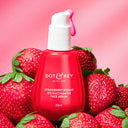
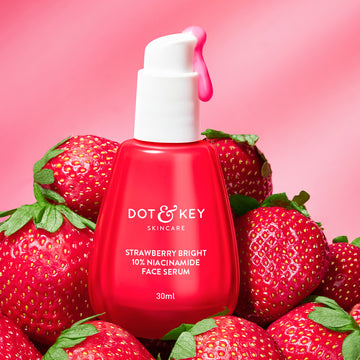
Strawberry Bright 10% Niacinamide Face Serum
BESTSELLER Featured Tag Icon

All Skin Types

Strawberry Bright 10% Niacinamide Face Serum
Full Star Full Star Full Star Full Star Half Star
(1006)

Upto 20% OFF + Free Gifts

599

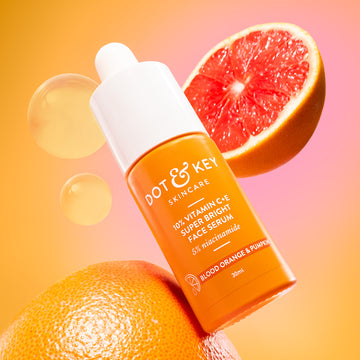
10% Vitamin C + E Face Serum with 5% Niacinamide
BESTSELLER Featured Tag Icon

All Skin Type

10% Vitamin C + E Face Serum with 5% Niacinamide
Full Star Full Star Full Star Full Star Half Star
(770)

Upto 20% OFF + Free Gifts

695

Cica + 10% Niacinamide Face Serum for Oily Skin
TOP PICK Featured Tag Icon

Oily, Acne-Prone & Sensitive Skin

Cica + 10% Niacinamide Face Serum for Oily Skin
Full Star Full Star Full Star Full Star Half Star
(1071)

Upto 20% OFF + Free Gifts

599

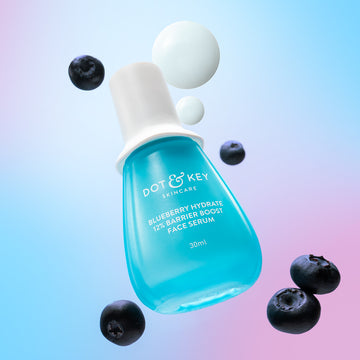
12% Barrier Boost Serum (Hyaluronic + Ceramides)
TOP PICK Featured Tag Icon

All Skin Types

12% Barrier Boost Serum (Hyaluronic + Ceramides)
Full Star Full Star Full Star Full Star Half Star
(2466)

Upto 20% OFF + Free Gifts

599

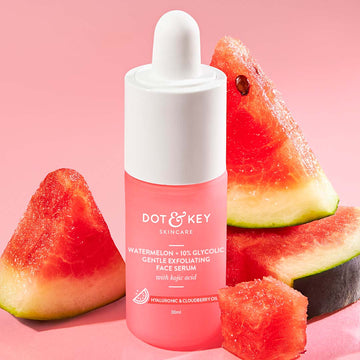
Watermelon & 10% Glycolic Serum

Normal, Oily & Combination Skin

Watermelon & 10% Glycolic Serum
Full Star Full Star Full Star Full Star Half Star
(261)

Upto 20% OFF + Free Gifts

599

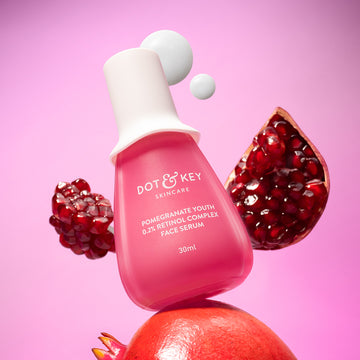
Pomegranate Youth 0.2% Retinol Complex Face Serum

All Skin Types

Pomegranate Youth 0.2% Retinol Complex Face Serum
Full Star Full Star Full Star Full Star Half Star
(1033)

Upto 20% OFF + Free Gifts

599