Is Vitamin C Good For Oily Skin? Read This First

Raj | Last Updated On 09 Apr 2026
7 mins read
Table of Contents
Is Vitamin C Good For Oily Skin? Read This First

Yes, vitamin C can be a great addition to an oily skin routine—especially when you choose the right formula. It’s one of those ingredients that doesn’t just target one concern but helps with multiple issues that oily skin often deals with, like excess shine, breakouts, and post-acne marks.

If your skin feels greasy yet looks dull, or you’re constantly dealing with leftover marks after acne, vitamin C can help bring things back into balance. It works as a powerful antioxidant, helping to reduce inflammation, support the skin barrier, and improve overall clarity and brightness.

A common worry is that vitamin C might feel heavy or clog pores—but that usually comes down to the texture and formulation, not the ingredient itself. Lightweight, water-based or gel serums are typically well-suited for oily and acne-prone skin, as they absorb quickly without leaving a sticky or greasy finish.

Another plus? By supporting the skin barrier and reducing oxidative stress, vitamin C can help your skin feel more balanced over time—so it’s less likely to overcompensate with excess oil.

If you’ve been hesitant to try it, the key is starting simple and choosing a formula that fits your skin type.

In this guide, we’ll walk you through:

  • Why vitamin C works well for oily and acne-prone skin

  • Which forms and textures to look for

  • How to use it without causing irritation or heaviness

  • How to build it into a routine that actually balances your skin

With the right approach, vitamin C can help you move from oily and unpredictable to clearer, glowing, and more balanced skin—without the extra shine.

Table of Contents

What Exactly Is Vitamin C and Why Does Your Oily Skin Need It?

Vitamin C, or ascorbic acid, is a powerful water-soluble antioxidant your body cannot make on its own. In skincare it comes as pure L-ascorbic acid or gentler derivatives. Inside the skin it neutralizes free radicals from pollution, UV rays, and stress before they break down collagen or trigger inflammation.

For oily skin the real magic happens deeper. When your barrier weakens from harsh cleansers, acne treatments, or daily grime, your skin loses moisture and ramps up sebum to “protect” itself. Vitamin C steps in by supporting collagen, boosting barrier lipids such as ceramides, and dialing down inflammatory signals that tell sebaceous glands to work overtime. The result is calmer oil production, fewer breakouts, and a brighter, more even tone.

Why Vitamin C Helps More Than You Expect for Oily Skin

Many people with oily or combination skin skip brightening actives, assuming their natural oil already handles hydration. Science shows the opposite. Oily skin often has lower antioxidant reserves and a compromised barrier, which leads to more inflammation and post-inflammatory hyperpigmentation (PIH) after every pimple.

Topical vitamin C restores balance. It reduces oxidative stress on sebum, preventing it from turning into the sticky, pore-clogging version that fuels acne. Anti-inflammatory effects lower redness and swelling. Over time your skin produces just enough oil instead of flooding the surface. Clinical observations back this: twice-daily use of stable vitamin C forms has helped reduce acne lesions compared with placebo, thanks to both oil control and gentler barrier support.

Benefits of Vitamin C for Oily and Acne-Prone Skin

Here is what consistent use delivers:

  1. Regulates sebum production Antioxidants calm sebocyte activity and prevent oxidized sebum from triggering breakouts.

  2. Fades dark spots and acne scars Vitamin C blocks tyrosinase, the enzyme that makes excess melanin, visibly lightening PIH without lightening surrounding skin.

  3. Calms inflammation and redness It quiets cytokines linked to acne flare-ups, so pimples heal faster and leave less pigment behind.

  4. Boosts collagen for smoother texture As a cofactor for collagen enzymes, it firms skin and minimizes the look of enlarged pores.

  5. Strengthens the skin barrier It promotes ceramide and lipid production, locking in moisture so your skin stops overproducing oil.

  6. Provides daily antioxidant armor Shields against pollution and UV that worsen oiliness and dullness.

  7. Improves overall glow and even tone Users often notice brighter, less greasy-looking skin within two to four weeks.

These perks make vitamin C a staple alongside salicylic acid or niacinamide, not a replacement.

Common Myths About Vitamin C and Oily Skin


Myth 1: “Vitamin C will make my oily skin even oilier.”

Reality: Lightweight, water-based formulas hydrate without adding grease. Many notice less midday shine after consistent use.

Myth 2: “It causes breakouts or clogs pores.”

Reality: Pure vitamin C itself is non-comedogenic. Issues usually stem from thick bases or unstable formulas that oxidize. Choose serums labeled for oily or acne-prone skin.

Myth 3: “Only dry skin needs vitamin C for brightening.”

Reality: Oily skin often shows more PIH and dullness because of frequent breakouts; vitamin C targets exactly those concerns.

Myth 4: “All vitamin C forms work the same.”

Reality: Stability and irritation levels differ. Oily skin thrives on gentler, water-soluble derivatives rather than high-percentage pure acid that can sting.

Choosing the Right Form of Vitamin C for Oily Skin

Not every vitamin C suits oily complexions. Here is a quick comparison:

Form

Stability

Irritation Level

Best For Oily Skin Because…

Typical Concentration

L-Ascorbic Acid (pure)

Low

Higher

Potent brightening and collagen boost when formulated lightly

10–15%

Sodium Ascorbyl Phosphate (SAP)

High

Very Low

Antibacterial, sebum control, acne-friendly

5–10%

Ethyl Ascorbic Acid

High

Low

Brightening plus mild oil regulation

5–20%

Tetrahexyldecyl Ascorbate

Very High

Lowest

Gentle for sensitive oily skin

5–10%

Magnesium Ascorbyl Phosphate

High

Low

Hydrating without heaviness

5–10%

Look for water-based serums or gels that feel lightweight and absorb fast. Pairing with niacinamide or salicylic acid in the same formula adds extra oil-control power.

How to Choose and Use Vitamin C Products for Oily Skin

Focus on these must-haves:

  • Lightweight serum or gel texture.

  • pH around 3–4 for best absorption (pure forms) or neutral for derivatives.

  • Oil-free, non-comedogenic, fragrance-free.

  • Opaque or airless packaging to keep it stable.

  • Bonus actives: niacinamide for shine control, hyaluronic acid for hydration, or soothing centella.

Apply to clean, dry skin. A pea-size amount covers the whole face.

Step-by-Step: Building an Effective Oily-Skin Routine with Vitamin C

Morning:

  1. Gentle, non-foaming cleanser.

  2. Optional lightweight toner or hydrating mist.

  3. Vitamin C serum—pat gently until absorbed.

  4. Lightweight moisturizer or gel if skin feels tight.

  5. Matte-finish broad-spectrum SPF 30 or higher.

Evening:

  1. Double cleanse if you wore makeup or SPF.

  2. Targeted treatment (salicylic acid, retinoid—use on alternate nights if new).

  3. Wait 10–15 minutes, then apply vitamin C or a barrier-repair moisturizer.

Practical tips that make the difference

  • Start every other day if your skin is reactive.

  • Store your serum in a cool, dark place.

  • Patch-test on your jawline first.

  • In humid weather, skip heavy moisturizer and let the serum do the work.

  • Consistency beats perfection: daily morning use gives the biggest antioxidant payoff.

When Vitamin C Might Need Extra Support—or Not Be Enough Alone

Vitamin C works beautifully for most oily skin types, but very sensitive or actively inflamed skin may need buffering with ceramides or niacinamide first. If you have deep cystic acne or severe scarring, combine it with professional treatments rather than relying on it solo. It complements—not replaces—sunscreen, which remains non-negotiable.

Key Takeaways

  • Vitamin C belongs in every oily-skin routine for oil balance, brightening, and barrier support.

  • Choose stable, lightweight forms such as SAP or ethyl ascorbic acid.

  • Expect visible reduction in shine, fewer marks, and smoother texture within two to four weeks.

  • Layer it with SPF every morning for maximum protection and glow.

  • Pair it smartly with niacinamide or salicylic acid for even better results.


Conclusion

Your oily skin does not have to stay stuck in the shine-breakout-dark-spot cycle. Vitamin C gives it the antioxidant and brightening support it has been missing while gently rebalancing oil output. Start simple: one lightweight vitamin C serum in the morning, used every day under sunscreen. Give it a few weeks, watch how your skin responds, and adjust as needed. Clearer, brighter, more balanced skin is closer than you think.

The science is solid, the real-world results speak for themselves, and the routine could not be simpler. Your skin has been waiting for this upgrade. Give vitamin C a consistent shot and you might wonder why you ever hesitated.

FAQ H2 tag


Q: Can vitamin C actually reduce acne?

A: Yes. Its anti-inflammatory action and ability to calm sebaceous glands help lower lesion counts. Studies using stable forms showed noticeable improvement in acne-prone skin after regular use.

Q: Will vitamin C make my pores look bigger?

A: No. By supporting collagen and reducing oil oxidation it actually helps minimize pore appearance over time.

Q: How long until I see brighter skin and less oil?

A: Many notice a healthier glow and calmer shine in one to two weeks. Dark spots and texture improvements build over four to eight weeks.

Q: Can I use vitamin C with salicylic acid or niacinamide?

A: Absolutely. They work synergistically. Apply vitamin C first, wait a minute, then follow with your other actives.

Q: What if my vitamin C serum turns yellow or brown?

A: That means it has oxidized and lost potency. Toss it and grab a fresh one.

Q: Is there any downside to daily vitamin C for oily skin?

A: None when you pick the right formula. It is one of the few ingredients that improves with consistent, long-term use.


Our Recommendation

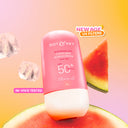
Vitamin C + E Sunscreen SPF 50+ PA++++ With New-Age UV Filters
BESTSELLER Featured Tag Icon

All Skin Types

Vitamin C + E Sunscreen SPF 50+ PA++++ With New-Age UV Filters
Full Star Full Star Full Star Full Star Half Star
(1846)

Upto 20% OFF + Free Gifts

595

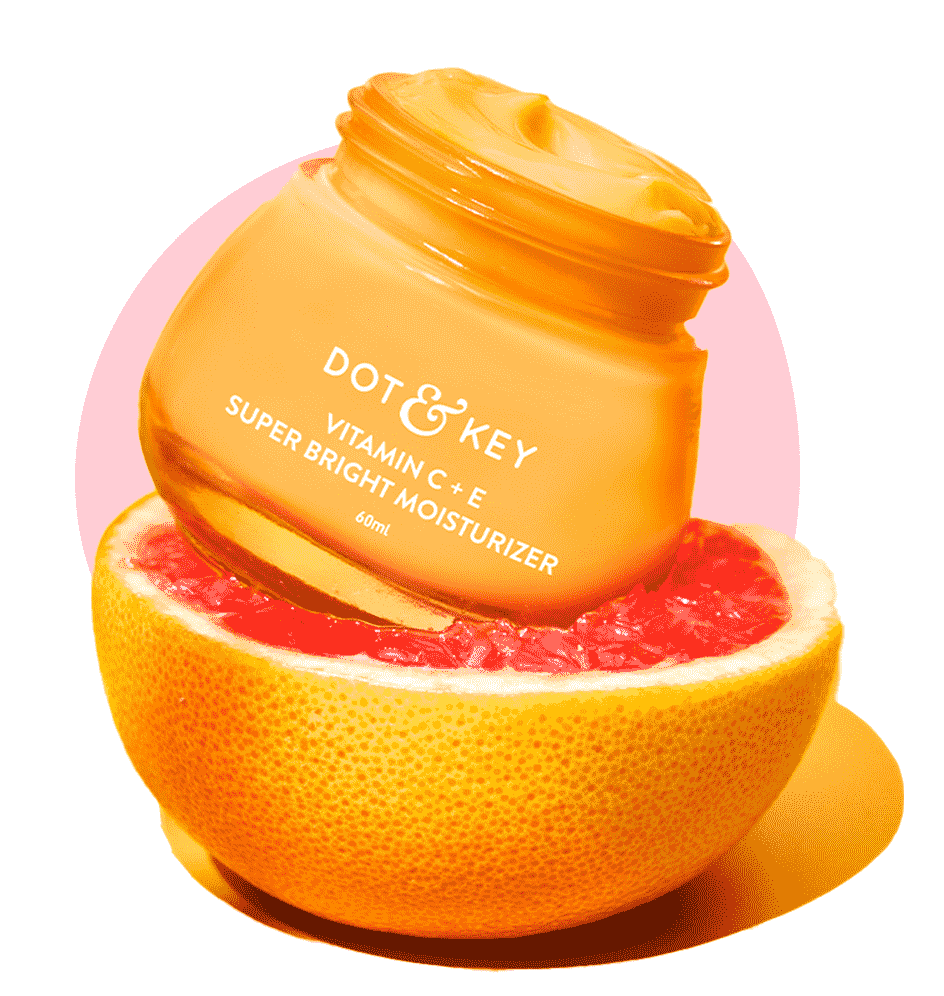
Vitamin C + E Moisturizer for Glowing Skin
BESTSELLER Featured Tag Icon

Oily & Combination Skin

Vitamin C + E Moisturizer for Glowing Skin
Full Star Full Star Full Star Full Star Half Star
(1756)

Upto 20% OFF + Free Gifts

495

Vitamin C + E 100% Mineral Sunscreen IN-VIVO tested SPF 50+, PA++++
JUST IN Featured Tag Icon

All Skin Types

Vitamin C + E 100% Mineral Sunscreen IN-VIVO tested SPF 50+, PA++++
Full Star Full Star Full Star Full Star Half Star
(259)

Upto 20% OFF + Free Gifts

649

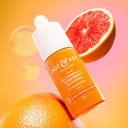
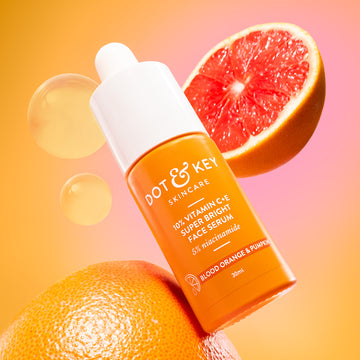
10% Vitamin C + E Face Serum with 5% Niacinamide
BESTSELLER Featured Tag Icon

All Skin Type

10% Vitamin C + E Face Serum with 5% Niacinamide
Full Star Full Star Full Star Full Star Half Star
(770)

Upto 20% OFF + Free Gifts

695

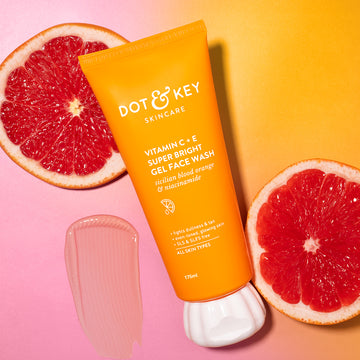
Vitamin C + E Gel Face Wash for Glowing Skin
BESTSELLER Featured Tag Icon

All Skin Types

Vitamin C + E Gel Face Wash for Glowing Skin
Full Star Full Star Full Star Full Star Half Star
(972)

Upto 20% OFF + Free Gifts

375