Is Hyaluronic Acid Good for Combination Skin?

Raj | Last Updated On 25 Mar 2026
8 mins read
Table of Contents
Is Hyaluronic Acid Good for Combination Skin?

Yes, hyaluronic acid is an excellent choice for combination skin. It provides lightweight, non-greasy hydration that targets dry areas like the cheeks without making oilier zones like the T-zone feel heavier or more congested. In fact, it can help bring your skin into better balance by addressing one of the root causes of combination skin—uneven hydration.

If your forehead and nose tend to get shiny while other areas feel tight or flaky, you’re not alone. Combination skin is very common, and often the issue isn’t excess oil alone, but dehydration in certain areas. When skin lacks water, it can actually trigger oil glands to produce more sebum, especially in the T-zone.

Hyaluronic acid works as a humectant, meaning it draws water into the skin and helps retain it. This plumps the skin, smooths texture, and supports overall hydration—without leaving behind any heavy or oily residue. The result is skin that feels more balanced, comfortable, and visibly healthier.

Research supports this as well. Studies have shown that topical hyaluronic acid can significantly improve hydration levels, enhance skin elasticity, and reduce transepidermal water loss (TEWL)—all of which are key for managing combination skin effectively.

Table of Contents

Understanding Combination Skin and Why Hydration Is the Missing Piece

Combination skin shows two faces at once: an oily T-zone (forehead, nose, chin) paired with drier cheeks, jawline, or under-eyes. The imbalance happens because your skin barrier is working overtime in some areas and under-delivering in others. When dry zones lose moisture, your whole face compensates by ramping up oil production—creating that frustrating shine-plus-flakiness pattern.

Dehydration is the hidden driver for many people with combination skin. Even if you cleanse thoroughly and use mattifying products, skipping proper hydration makes oil glands work harder. The result? More breakouts, larger-looking pores, and skin that never quite feels comfortable. Hyaluronic acid breaks this cycle without adding a drop of oil or clogging pores. It is naturally found in your skin, joints, and eyes, and it can hold up to 1,000 times its weight in water—think of a quarter-teaspoon holding roughly one and a half gallons. That power translates into targeted moisture where your skin needs it most.

Dermatological assessments put combination skin at roughly 30–40 percent prevalence in many populations, making it far more common than purely dry or oily types. Yet most generic advice treats skin as one uniform category, leaving combination types stuck experimenting. Hyaluronic acid changes the game because it adapts: it hydrates dry areas deeply while staying feather-light on oily zones.

What is Hyaluronic Acid and How Does It Work on Your Skin?

Hyaluronic acid (also called hyaluronan) is a sugar molecule already produced by your body. Levels naturally decline after age 25, contributing to dullness, fine lines, and that dehydrated tightness many combination-skin folks notice in their 20s and 30s. When applied topically in serums or creams, it acts as a humectant—drawing water molecules from the air or deeper skin layers and binding them in place.

Different molecular weights do different jobs:

  • High-molecular-weight hyaluronic acid sits on the surface, forming a breathable film that locks in moisture and smooths texture instantly.

  • Low-molecular-weight forms penetrate further, supporting the extracellular matrix, boosting collagen-related activity, and improving long-term elasticity.

Multi-molecular-weight formulas (the gold standard) give you both immediate comfort and cumulative repair—exactly what combination skin craves.

Unlike heavy creams or oils that can feel suffocating on your T-zone, hyaluronic acid is water-based and non-comedogenic. It will not trigger breakouts or add shine. Research published in peer-reviewed journals confirms it improves skin barrier function, reduces inflammation, and even helps calm post-acne redness—common concerns when combination skin gets irritated.

Benefits of Hyaluronic Acid for Combination Skin

Here is what consistent use actually delivers for your skin type:

  • Balanced hydration that calms oil production — Dry patches get quenched, so your skin stops overcompensating with excess sebum. Many people notice their T-zone looks less shiny within two to four weeks.

  • Plumper, smoother texture — Fine lines around eyes and mouth soften as skin cells hold more water. One study reported visible plumping improvements of 30 percent after regular application.

  • Stronger skin barrier — Reduced transepidermal water loss means fewer flaky patches and less sensitivity to weather changes or harsh products.

  • Fewer breakouts and calmer breakouts — Proper hydration keeps pores functioning normally and reduces the inflammation that turns small bumps into angry spots.

  • Improved elasticity and early anti-ageing support — A 24-week clinical trial showed 16–24 percent better scores in fine lines, skin tone, texture, radiance, and elasticity when hyaluronic acid was layered into a routine.

  • Lightweight feel that layers beautifully — It sinks in fast, plays well with other actives, and never pills under makeup or sunscreen.

These benefits are not theoretical. Real-world patterns from dermatology practices show combination-skin patients who add hyaluronic acid report more consistent comfort, fewer midday touch-ups, and skin that finally “behaves.”

Choosing the Right Form and Molecular Profile

Look for serums or lightweight lotions labeled with “multi-molecular weight” or a blend of sodium hyaluronate and hyaluronic acid. Concentrations between 0.1 percent and 2 percent are effective—higher numbers do not automatically mean better results if the formula lacks supporting ingredients.

Pair it with:

  • Niacinamide for extra oil control and pore refinement

  • Ceramides or lightweight lipids to seal the hydration

  • Gentle antioxidants for daytime protection

Avoid formulas loaded with heavy silicones or fragrances if your skin leans reactive.

Your Step-by-Step Routine: Morning and Night

Morning routine (keep it light and protective):

  1. Gentle cleanser

  2. Hyaluronic acid serum on slightly damp skin

  3. Niacinamide or lightweight moisturizer

  4. Broad-spectrum sunscreen (SPF 30+)

Night routine (deeper repair):

  1. Cleansing (double-cleanse if wearing makeup or SPF)

  2. Treatment serum (retinoid or acid if you use them—hyaluronic acid layers perfectly afterward)

  3. Hyaluronic acid serum

  4. Richer moisturizer or balm on drier zones only

Quick layering tip: Pat the serum onto damp skin after cleansing or misting. Wait 30–60 seconds, then follow with your moisturizer. This simple step multiplies the hydration power and prevents any potential pulling effect in low-humidity environments.

Time of Day

Step

Why It Works for Combination Skin

Morning

Cleanser + HA serum + lightweight moisturizer + SPF

Delivers all-day comfort without shine or heaviness

Night

Cleanser + actives + HA serum + targeted moisturizer

Repairs barrier overnight and prevents morning tightness


Common Mistakes to Avoid

  • Applying on completely dry skin in arid climates without sealing afterward (pair with an occlusive layer instead)

  • Using hyaluronic acid alone as your only moisturizer for very dry cheeks

  • Expecting instant “filler-like” volume (topical results build gradually and stay natural)

  • Over-exfoliating while introducing it—start slow if you use AHAs or BHAs

Myth-busting time: Hyaluronic acid does not make skin drier when used correctly. It also works beautifully with retinoids, niacinamide, and even salicylic acid. Higher concentrations are not automatically superior—formulation and technique matter more.

What Results Can You Realistically Expect?


Week 1–2: Skin feels softer, less tight after cleansing, and your T-zone may already look less oily.

Week 4–6: Visible reduction in flakiness, smoother texture, and fewer random breakouts.

Month 3+: Improved elasticity, softer fine lines, and a healthy glow that makeup sits beautifully on.

Consistency is everything. Most people see the full balancing effect within eight to twelve weeks.

Comparison: Hyaluronic Acid vs. Other Popular Ingredients for Combination Skin

Ingredient

Hydration Style

Oil Control

Best For Combination Skin

Hyaluronic Acid

Humectant (pulls water in)

Neutral to positive (reduces overproduction)

Lightweight, non-comedogenic, balances both zones

Glycerin

Humectant

Neutral

Good but less versatile and penetrating than HA

Lightweight oils (e.g., squalane)

Occlusive

Can feel heavy on T-zone

Better as a follow-up layer than standalone

Niacinamide

Regulates sebum + strengthens barrier

Strong

Perfect teammate for HA

Ceramides

Barrier repair

Neutral

Excellent to pair with HA for sealing moisture

Hyaluronic acid wins for combination skin because it addresses the dehydration trigger without the greasiness other moisturizers can bring.

Key Takeaways

  • Yes—hyaluronic acid is one of the best ingredients for combination skin.

  • It hydrates dry areas, calms oil production, and strengthens your barrier without clogging pores.

  • Use a multi-molecular-weight serum on damp skin and always seal with a moisturizer.

  • Results build over weeks: softer texture, less shine, fewer breakouts, and a more even tone.

  • It pairs beautifully with almost every other active and fits any budget-friendly or advanced routine.

Final Thoughts

Combination skin does not have to feel like a daily battle between oil and dryness. Hyaluronic acid offers a simple, science-backed way to bring balance, comfort, and radiance back to your face—without heavy creams, constant blotting, or complicated routines. Start small, stay consistent, and give your skin the targeted hydration it has been asking for. Within weeks you will likely look in the mirror and finally see skin that feels like it belongs to you: even, comfortable, and glowing.

Your skin is capable of balance. Hyaluronic acid simply reminds it how. Give it a fair trial and watch the difference unfold.

FAQ

Is hyaluronic acid safe for acne-prone combination skin?

Absolutely. It is non-comedogenic and may actually reduce breakouts by keeping skin properly hydrated and calm.

Will hyaluronic acid make my T-zone oilier?

No. Proper hydration often decreases excess sebum production. Many people notice less shine after consistent use.

Can I use hyaluronic acid with retinol or exfoliating acids?

Yes—layer it after actives to buffer and boost hydration, reducing irritation.

How often should I apply it?

Twice daily is ideal. You can even mist and reapply midday if your skin feels tight.

Does the molecular weight matter?

Multi-weight formulas give the best of both worlds: instant surface hydration plus deeper, longer-term benefits.

Is there anyone with combination skin who should avoid it?

Rarely. If you have a specific allergy (uncommon), patch-test first. Otherwise it suits almost everyone.

How long until I see results?

Initial softness in days; balanced oil and texture improvements in 4–8 weeks.

Can I use it around my eyes?

Yes—many lightweight hyaluronic acid formulas are gentle enough for the eye area and help with fine lines.

What if I live in a dry climate?

Apply on damp skin and always follow with a moisturizer or facial oil on drier zones. This prevents any moisture-pulling effect.

Is hyaluronic acid enough as a standalone moisturizer?

For very dry cheeks, layer a lightweight moisturizer or ceramide product on top. Most combination-skin routines benefit from this two-step approach.


Our Recommendation

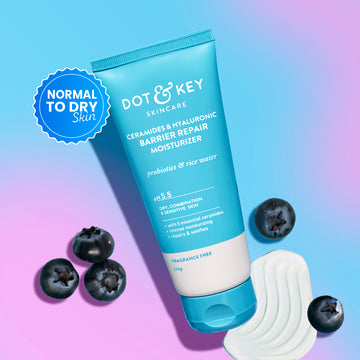
Barrier Repair Moisturizer (Hyaluronic + Ceramides)
BESTSELLER Featured Tag Icon

Dry & Sensitive Skin

Barrier Repair Moisturizer (Hyaluronic + Ceramides)
Full Star Full Star Full Star Full Star Half Star
(1844)

Upto 20% OFF + Free Gifts

599

Barrier Repair Sunscreen, In-Vivo Tested SPF 50+ PA++++
TOP PICK Featured Tag Icon

All Skin Types

Barrier Repair Sunscreen, In-Vivo Tested SPF 50+ PA++++
Full Star Full Star Full Star Full Star Half Star
(1637)

Upto 20% OFF + Free Gifts

595

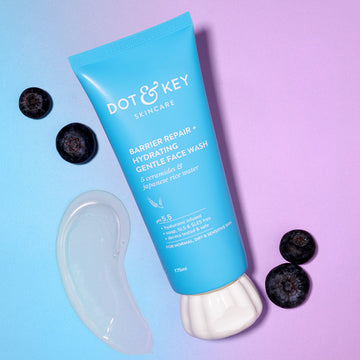
Barrier Repair Gentle Hydrating Face Wash
TOP PICK Featured Tag Icon

Normal, Dry & Sensitive Skin

Barrier Repair Gentle Hydrating Face Wash
Full Star Full Star Full Star Full Star Half Star
(952)

Upto 20% OFF + Free Gifts

375

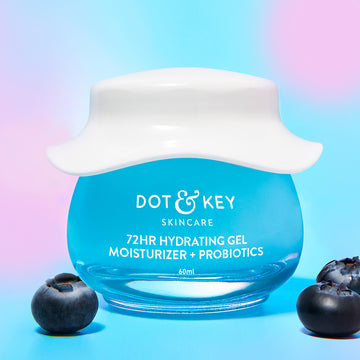
72HR Hydrating Gel Moisturizer + Probiotics
BESTSELLER Featured Tag Icon

Oily & Combination Skin

72HR Hydrating Gel Moisturizer + Probiotics
Full Star Full Star Full Star Full Star Half Star
(1603)

Upto 20% OFF + Free Gifts

495

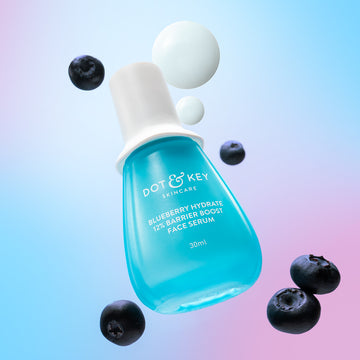
12% Barrier Boost Serum (Hyaluronic + Ceramides)
TOP PICK Featured Tag Icon

All Skin Types

12% Barrier Boost Serum (Hyaluronic + Ceramides)
Full Star Full Star Full Star Full Star Half Star
(2466)

Upto 20% OFF + Free Gifts

599

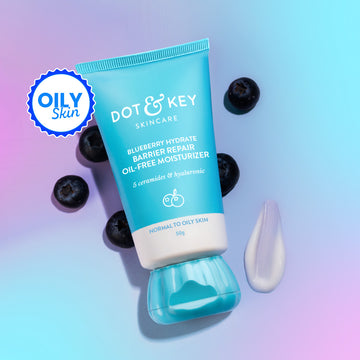
Barrier Repair Oil-Free Moisturizer with Ceramides
JUST IN Featured Tag Icon

Oily & Combination Skin

Barrier Repair Oil-Free Moisturizer with Ceramides
Full Star Full Star Full Star Full Star Half Star
(1844)

Upto 20% OFF + Free Gifts

399

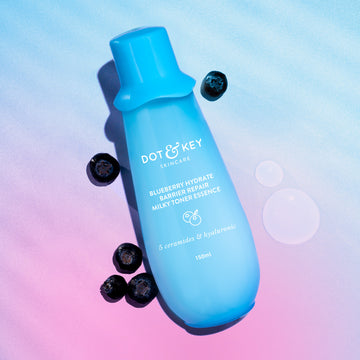
Blueberry Hydrate Barrier Repair Milk Face Toner
JUST IN Featured Tag Icon

All Skin Types

Blueberry Hydrate Barrier Repair Milk Face Toner
Full Star Full Star Full Star Full Star Half Star
(262)

Upto 20% OFF + Free Gifts

399