How to Treat Dry Skin on Your Face Overnight

Deep | Last Updated On 08 Feb 2026
10 mins read
Table of Contents
How to Treat Dry Skin on Your Face Overnight

Waking up with skin that feels tight, flaky, or itchy can make mornings frustrating. Dry facial skin is a common concern, especially during colder months or after travel, stress, or sudden changes in routine. While long-standing dryness cannot disappear overnight, the right nighttime routine can noticeably improve hydration and comfort by the next morning.

The key lies in how skin repairs itself while you sleep. During the night, your skin naturally shifts into recovery mode—cell renewal increases and the barrier begins restoring moisture levels. Supporting this process with the right habits and ingredients can help calm dryness, reduce flaking, and leave skin feeling softer and more balanced when you wake up.

As a dermatology and skincare expert, I often recommend focusing on three essential goals for overnight care:

  • Repairing the skin barrier

  • Deeply hydrating the skin

  • Locking in moisture to prevent overnight water loss

When these steps are done correctly, many people notice that their skin feels smoother, looks plumper, and appears less dull by morning. The results are not instant perfection, especially if dryness has been present for a long time, but even a single well-structured routine can bring visible relief.

In the sections ahead, we will explore why facial skin becomes dry, how overnight repair works, and the simple, science-backed steps you can follow tonight to help your skin wake up healthier and more comfortable.

Table of Contents

Understanding Dry Skin on the Face

Dry skin, medically known as xerosis or xeroderma, occurs when the outer layer of the skin – the stratum corneum – loses too much water and natural oils. This layer acts like a protective shield, but when compromised, it leads to roughness, tightness, and visible scaling.

Common Causes of Facial Dryness

Several factors strip moisture or impair the skin’s ability to hold it. Environmental triggers top the list: low humidity in heated rooms or cold outdoor air accelerates water loss through the skin (a process called transepidermal water loss, or TEWL). Hot showers, harsh cleansers, and over-exfoliation dissolve the skin’s natural lipid barrier. As we age, sebum production naturally declines and the skin thins, making dryness more common after 40 or during hormonal shifts such as menopause.

Other contributors include dehydration from not drinking enough fluids, certain medications (like diuretics or acne treatments), and underlying conditions such as eczema, psoriasis, thyroid issues, or diabetes. Even wind, sun exposure, or frequent face washing without proper replenishment can tip the balance. In winter, many notice their cheeks and forehead feel particularly parched because indoor heating creates desert-like conditions indoors.

Symptoms and Why They Intensify Overnight

You might recognise the signs: skin that feels “tight” after washing, fine flakes around the nose or cheeks, dullness, or mild redness. In more severe cases, tiny cracks appear, sometimes leading to itching that disrupts sleep. Overnight, these symptoms can feel worse because you are not reapplying moisture, and breathing through the mouth or using a dry pillowcase increases evaporation. Sleep itself is a repair phase for the body, but dry skin needs extra support to make the most of those hours.

Comparing dry skin to dehydrated skin helps clarify: dry skin lacks oils (lipids), while dehydrated skin lacks water. They often overlap, especially on the face, where the skin is thinner and more exposed than on the body. Understanding this distinction guides better choices – focusing on both replenishing water and restoring oils yields faster overnight results.

The Science Behind Overnight Skin Recovery

Your skin works hardest at night to repair itself. Cell turnover peaks, inflammation calms, and the barrier rebuilds. Dryness disrupts this cycle because a damaged barrier loses water faster than it can retain it. The goal of an overnight approach is to interrupt that cycle by delivering hydration deep into the upper layers and sealing it in.

The stratum corneum functions like a brick wall. The “bricks” are dead skin cells (corneocytes), and the “mortar” consists of lipids – ceramides, cholesterol, and fatty acids. Natural moisturising factors (NMF), including amino acids and urea, act like sponges inside the bricks to hold water. When mortar cracks or sponges dry out, water escapes.

Evidence-based strategies target these elements. Humectants draw water into the skin, emollients soften and fill gaps, and occlusives create a temporary shield to prevent loss. Applying these on damp skin after cleansing maximises absorption. Research shows that proper moisturisation can reduce TEWL significantly within hours, leading to smoother texture and less itch by morning. A humidifier further supports this by maintaining 40-60% room humidity, preventing overnight evaporation.

This is not about quick fixes but leveraging your skin’s natural repair window. With the right layering, many people report skin that feels 50-70% more comfortable and looks visibly less flaky after just one night – a strong motivator to continue.

Preparing Your Skin for Overnight Repair: Your Evening Routine

Follow this step-by-step plan 30-60 minutes before bed. The entire process takes under 15 minutes once you get the hang of it.

Step 1: Gentle Cleansing Without Stripping

Start by removing the day’s grime gently. Use lukewarm (not hot) water and a mild, non-foaming cleanser designed for sensitive or dry skin. Apply with clean fingertips using light circular motions, then rinse thoroughly but briefly – no more than 60 seconds of contact.

Why this matters: Hot water and foaming cleansers dissolve protective oils, worsening dryness. Dermatologists recommend limiting facial cleansing to once in the evening if your skin is very dry, rinsing with plain water in the morning. This preserves the barrier and sets the stage for hydration.

Step 2: Pat Dry and Work on Damp Skin

Gently pat your face with a soft, clean towel. Leave it slightly damp – this is key. Never rub, as friction damages already fragile skin.

Step 3: Deliver Hydration with Humectants

While damp, apply a lightweight hydrating layer containing humectants. These ingredients act like magnets, pulling water from the air and deeper skin layers into the surface. Common effective ones include glycerin, hyaluronic acid, and urea (in lower concentrations for the face).

Massage a thin layer gently upward. Allow 1-2 minutes to absorb. This step plumps the skin immediately and provides the moisture that later layers will lock in.

Step 4: Restore with Emollients and Seal with Occlusives

Next, apply a richer cream or ointment that combines emollients (to soften and repair) and occlusives (to seal). Look for formulas featuring ceramides to replenish lost lipids, along with soothing fatty acids. For very dry areas like cheeks or around the eyes, follow with a thicker occlusive such as a petrolatum-based balm applied sparingly.

This “moisture sandwich” technique – humectant first, then emollient/occlusive – is highly effective. The occlusive forms a breathable film that reduces water loss by up to 98% in some studies, giving repair processes uninterrupted time overnight.

For an extra boost on severely dry patches, try a light “slugging” layer: a very thin veil of occlusive over the entire face or targeted spots. This is safe for most but skip if you are prone to breakouts, as heavier occlusion can trap debris.

Step 5: Optimise Your Sleep Environment

Place a clean humidifier in the bedroom and run it overnight. Choose a cool-mist model and clean it weekly to avoid mould. Swap cotton pillowcases for silk or satin if possible – they create less friction and help retain skin moisture.

Avoid sleeping with makeup or heavy daytime products. If you use any prescription topicals, apply them before moisturisers as directed.

By morning, expect reduced tightness, fewer visible flakes, and a healthier glow. Skin may still need daytime care, but one night of this routine often provides enough relief to break the itch-scratch cycle.

Supporting Overnight Results with Daytime and Lifestyle Habits

Overnight gains last longer when supported by consistent habits. During the day, reapply a lighter moisturiser every few hours, especially after handwashing or being outdoors. Protect with a broad-spectrum sunscreen (SPF 30 or higher) in a moisturising base, as UV damage impairs barrier function.

Stay hydrated by drinking water, though topical care remains far more impactful for facial skin than internal fluids alone. Eat foods rich in essential fatty acids (such as avocados, nuts, and oily fish) to support lipid production from within. Limit alcohol and caffeine, which can dehydrate.

In cold weather, wear a scarf to shield your face from wind. At home, keep showers to five to ten minutes with warm water and use a gentle body cleanser everywhere, not just the face.

These adjustments prevent the dryness that makes overnight treatment necessary in the first place.

Common Pitfalls to Avoid for Better Results

Even well-intentioned routines can backfire. Using exfoliating acids or retinoids at night during a dryness flare can worsen irritation – pause them until skin stabilises. Over-cleansing or using alcohol-based toners strips oils further. Applying moisturiser to completely dry skin reduces absorption dramatically.

Another mistake: choosing lightweight lotions over creams or ointments for very dry skin. Lotions contain more water and evaporate faster. Finally, ignoring environmental factors – a bedroom at 20% humidity will undo much of your effort.

By sidestepping these, you maximise the chance of waking to noticeably improved skin.

When to Seek Professional Advice

If dryness persists despite two weeks of diligent care, involves cracking that bleeds, or comes with intense itching, redness, or swelling, consult a dermatologist. These could signal an underlying condition requiring prescription treatments such as medicated creams or barrier-repair therapies. Early intervention prevents complications like infection or chronic eczema.

Conclusion

Treating dry skin on your face overnight is about working with your skin’s biology, not against it. By gently cleansing, layering hydration and repair ingredients, and optimising your sleep space, you create conditions for meaningful recovery while you rest. Many patients report softer, calmer skin after the first night and even greater improvements with repetition.

Remember, skin health is a journey. Celebrate small wins like reduced flaking or less tightness – they build confidence and encourage consistency. Your face deserves this level of attentive care.

Key Takeaways

  • Dry skin stems from a compromised barrier; overnight routines target hydration, repair, and sealing.

  • Always apply moisturisers to damp skin and layer humectants before occlusives for best absorption.

  • Short, lukewarm cleansing and a humidifier amplify results dramatically.

  • Avoid hot water, harsh products, and friction to prevent setbacks.

  • Significant comfort and visible softness are realistic within one night; long-term prevention requires daily habits.

  • Seek professional help if symptoms do not improve or worsen.

FAQs


1. Can I really improve dry skin on my face overnight, or is it just temporary?

You can achieve noticeable hydration and reduced flaking by morning through barrier-focused steps, but results depend on severity. For occasional dryness, improvement can feel near-complete. Chronic cases see substantial relief that builds over nights. This is not a permanent cure but a powerful reset supported by dermatological evidence.

2. What should I do differently if my skin is sensitive or acne-prone?

Choose fragrance-free, non-comedogenic formulas and test new products on a small area first. Use lighter layers of occlusives and avoid heavy petrolatum on the whole face if breakouts occur. For sensitive skin, skip actives entirely during flares and focus purely on gentle cleansing and thick creams. A dermatologist can recommend tailored options.

3. How often should I repeat this overnight routine?

Ideally every night during dry periods, then maintain key elements (gentle cleanse and rich moisturiser) daily. Once skin stabilises, you can scale back occlusives but keep humectant-rich care. Consistency prevents recurrence more effectively than sporadic intense treatments.

4. Is dry skin the same as dehydrated skin, and does it change the approach?

They overlap but differ slightly: dry skin lacks lipids, dehydrated skin lacks water. Facial dryness usually involves both, so the layered approach (humectants plus emollients/occlusives) addresses both. If dehydration dominates (dullness without flakes), emphasise humectants and water intake first.

5. Can diet or supplements speed up overnight results?

A balanced diet supporting skin lipids helps overall barrier strength over weeks, not hours. Omega-3-rich foods and adequate water intake support long-term health, but topical care drives the rapid overnight changes. Supplements like evening primrose oil may benefit some but require medical advice and do not replace proper skincare.


Our Recommendation

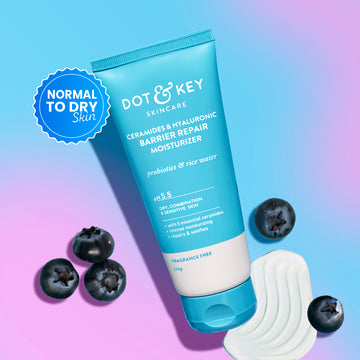
Barrier Repair Moisturizer (Hyaluronic + Ceramides)
BESTSELLER Featured Tag Icon

Dry & Sensitive Skin

Barrier Repair Moisturizer (Hyaluronic + Ceramides)
Full Star Full Star Full Star Full Star Half Star
(1844)

Upto 20% OFF + Free Gifts

599

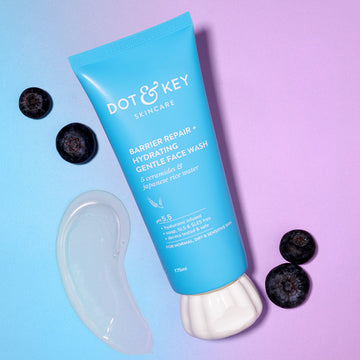
Barrier Repair Gentle Hydrating Face Wash
TOP PICK Featured Tag Icon

Normal, Dry & Sensitive Skin

Barrier Repair Gentle Hydrating Face Wash
Full Star Full Star Full Star Full Star Half Star
(803)

Upto 20% OFF + Free Gifts

375

Barrier Repair Sunscreen, In-Vivo Tested SPF 50+ PA++++
TOP PICK Featured Tag Icon

All Skin Types

Barrier Repair Sunscreen, In-Vivo Tested SPF 50+ PA++++
Full Star Full Star Full Star Full Star Half Star
(1637)

Upto 20% OFF + Free Gifts

595

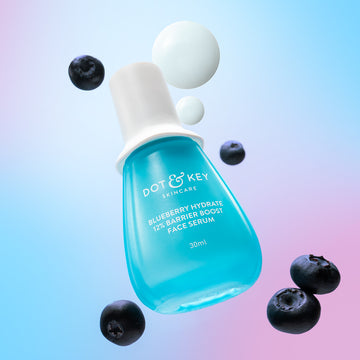
12% Barrier Boost Serum (Hyaluronic + Ceramides)
TOP PICK Featured Tag Icon

All Skin Types

12% Barrier Boost Serum (Hyaluronic + Ceramides)
Full Star Full Star Full Star Full Star Half Star
(2151)

Upto 20% OFF + Free Gifts

599

Barrier Repair Intense Moisturizer With Ceramides
JUST IN Featured Tag Icon

Very Dry Skin

Barrier Repair Intense Moisturizer With Ceramides
Full Star Full Star Full Star Full Star Half Star
(2151)

Upto 20% OFF + Free Gifts

399

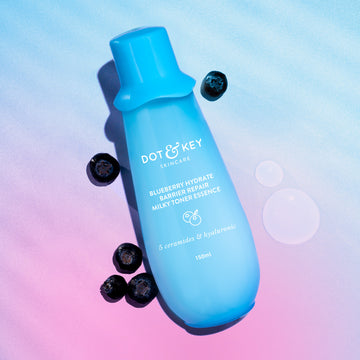
Blueberry Hydrate Barrier Repair Milk Face Toner
JUST IN Featured Tag Icon

All Skin Types

Blueberry Hydrate Barrier Repair Milk Face Toner
Full Star Full Star Full Star Full Star Half Star
(262)

Upto 20% OFF + Free Gifts

399