How to Control Oil on Your Face: Guide to Balanced Skin

Raj | Last Updated On 02 Feb 2026
10 mins read
Table of Contents
How to Control Oil on Your Face: Guide to Balanced Skin

If you’ve ever blotted your forehead in the morning only to see the shine return by lunchtime, you’re definitely not alone. Excess oil on the face is a common concern for many people. It can lead to persistent shine, visible pores, and occasional breakouts—especially around the T-zone.

The good news is that managing oily skin doesn’t mean aggressively stripping it or chasing harsh quick fixes. In fact, those approaches often make the problem worse. With the right understanding and a consistent, gentle routine, you can help bring your skin back into balance.

As a dermatology and skincare expert, I’ve seen how small, evidence-based adjustments can make a noticeable difference. This guide brings together practical advice supported by established dermatological research, including recommendations from the American Academy of Dermatology.

We’ll walk through:

  • The science behind why your skin produces excess oil

  • Common myths about oily skin that may be making things worse

  • A simple daily routine to keep shine under control

  • Lifestyle factors that influence oil production

It’s also important to remember that oily skin isn’t a flaw—it’s simply a skin type with more active sebaceous glands. In fact, people with oily skin often benefit from stronger natural barrier protection and may notice fewer fine lines over time.

The goal isn’t to eliminate oil completely. Your skin needs some oil to stay healthy. Instead, the aim is to achieve a comfortable balance—where your skin feels fresh, clear, and confident throughout the day. Let’s get started. 

Table of Contents

Understanding Oily Skin: What Causes Excess Oil Production?

Your skin produces sebum, an oily substance made by sebaceous glands located in hair follicles. Sebum keeps skin supple, waterproof, and protected from bacteria and environmental stress. On average, adults produce about 1 milligram of sebum per 10 square centimetres of skin every three hours, but in oily skin this can exceed 1.5 milligrams, leading to that familiar shine, particularly on the forehead, nose, and chin – the so-called T-zone.

The Science Behind Sebum in Simple Terms

Sebaceous glands respond primarily to hormones called androgens, including testosterone and its more potent form, dihydrotestosterone. These hormones signal the glands to grow larger and produce more sebum. This is why oiliness often ramps up during puberty, certain phases of the menstrual cycle, pregnancy, or times of hormonal fluctuation. Stress plays a role too: elevated cortisol can indirectly boost oil output.

Genetics set the baseline. If oily skin runs in your family, you are more likely to have larger or more active glands. The environment adds another layer – hot, humid weather or summer months increase sebum production and make existing oil feel more noticeable. Age matters as well: production peaks in the teenage years and early adulthood, then gradually declines, which is one reason skin often becomes less oily over time.

Research, including reviews in clinical dermatology journals, confirms these factors interact. For instance, higher humidity can stimulate glands directly, while ethnic variations and pore size also influence how oil appears on the surface.

Importantly, sebum itself is beneficial. It helps maintain the skin barrier and, as dermatologists note, individuals with naturally oilier complexions often show fewer signs of ageing thanks to that built-in moisture and thicker skin structure. The challenge arises when excess sebum mixes with dead skin cells and bacteria, potentially clogging pores.

Why Managing Oil Production Makes a Difference

Uncontrolled excess oil does not just create shine; it can contribute to enlarged pores, blackheads, and breakouts because oil provides a perfect environment for bacteria to thrive. Many people also report feeling less confident in social or professional settings when their skin looks greasy.

The encouraging part? You do not need to eliminate oil entirely. Striking a balance supports healthier skin overall – fewer irritations, better texture, and a natural glow rather than unwanted sheen. Studies show that consistent management improves both appearance and self-esteem without the rebound effect of overly aggressive approaches.

Common Myths About Oily Skin

Before diving into solutions, let us clear up some misconceptions that can actually worsen the problem.

  • Myth: You should wash your face as often as possible to dry it out. Over-cleansing strips the skin’s natural oils, triggering the glands to produce even more sebum as a defence mechanism. Gentle cleansing twice daily is far more effective.

  • Myth: Oily skin does not need moisturiser. Dehydrated skin (even oily skin can be dehydrated) compensates by ramping up oil production. A lightweight, suitable moisturiser helps maintain balance.

  • Myth: Greasy foods directly cause oily skin. Diet influences indirectly through blood sugar and hormones, but chocolate or chips do not magically transfer oil to your face. High-glycaemic foods and certain dairy may play a supporting role in some people by affecting insulin levels, which can stimulate sebum.

  • Myth: Oily skin means you will always have acne. Many with oily skin have clear complexions when cared for properly. Oil is only one factor.

  • Myth: Harsh scrubs or alcohol-based products are best. These irritate the barrier, leading to more oil and sensitivity.

Recognising these myths empowers you to choose kinder, more effective strategies.

Building an Effective Daily Skincare Routine for Oil Control

Consistency beats intensity. A simple, evidence-supported routine can significantly reduce shine and improve texture within weeks. Focus on products described as oil-free and non-comedogenic (meaning they are formulated not to clog pores).

Morning Routine: Start Fresh and Protected

  1. Gentle cleansing: Use a mild, foaming cleanser with lukewarm water. Massage for 30–60 seconds, then rinse thoroughly. This removes overnight oil and sweat without stripping.

  2. Targeted treatment: If needed, apply a lightweight serum containing ingredients shown in studies to help regulate oil, such as niacinamide (vitamin B3). Research, including a double-blind study of 100 participants, found 2% niacinamide reduced sebum output noticeably after two to four weeks.

  3. Light moisturisation: Choose a gel or fluid texture that absorbs quickly. Even oily skin benefits from hydration to prevent overproduction.

  4. Broad-spectrum sunscreen: Essential every day. Opt for mineral-based formulas with zinc oxide or titanium dioxide in a matte or gel finish. Sunscreen prevents sun damage that can thicken skin and worsen oiliness over time.

Evening Routine: Reset and Repair

Repeat the cleanse, but take time to remove any makeup or sunscreen thoroughly. Follow with your treatment step and moisturiser. Night-time is ideal for gentle exfoliation once or twice a week.

Exfoliation: The Smart Way to Refine Texture

Chemical exfoliants – beta hydroxy acids (like salicylic acid, which is oil-soluble and penetrates pores) or alpha hydroxy acids (such as glycolic or lactic acid) – help remove dead cells that mix with sebum. Start slowly, perhaps twice weekly, to avoid irritation. Dermatologists note these can reduce oiliness and pore appearance, but listen to your skin: if redness occurs, reduce frequency.

Additional Habits Throughout the Day

  • Carry blotting papers and press (do not rub) on shiny areas to absorb excess without spreading oil or disrupting makeup.

  • Avoid touching your face – hands transfer bacteria and oils.

  • Remove makeup before bed every single night.

This routine typically takes under ten minutes yet delivers results when followed faithfully.

Key Ingredients That Support Oil Balance (Evidence-Based)

While avoiding specific products, certain ingredients have solid research behind them:

  • Niacinamide: Reduces sebum excretion rates, as confirmed in controlled trials.

  • Salicylic acid: Helps clear pores and has mild oil-controlling effects.

  • Vitamin A derivatives (retinoids): Studies show they can normalise sebaceous gland activity and reduce pore size over months.

  • Green tea extracts and L-carnitine: Preliminary research indicates sebum-reducing potential through antioxidant and metabolic pathways.

Introduce one new ingredient at a time and patch-test to ensure compatibility.

Lifestyle Changes That Complement Your Skincare

Skincare alone is powerful, but daily habits amplify results.

Diet and Hydration

Evidence from multiple studies, including those reviewed by the American Academy of Dermatology, suggests a low-glycaemic diet – emphasising whole foods like vegetables, beans, and whole grains – may help by minimising insulin spikes that encourage sebum production. Some individuals notice improvements when reducing cow’s milk intake, possibly due to hormonal influences, though results vary. Stay hydrated with plain water; dehydration can paradoxically increase oil as the skin compensates.

Focus on anti-inflammatory foods rich in omega-3s (such as fatty fish or flaxseeds) for overall skin health. Track your own responses rather than following rigid rules – your skin will tell you what works.

Stress Management and Sleep

Chronic stress elevates cortisol, which can stimulate oil glands. Techniques like mindfulness, walking in nature, or deep breathing offer dual benefits for mind and skin. Aim for seven to nine hours of quality sleep nightly; during deep rest, skin repairs and regulates hormone levels.

Exercise and Environment

Regular physical activity improves circulation and reduces stress, but shower and cleanse your face soon after sweating to prevent oil and bacteria buildup. In humid climates, use a fan or lightweight clothing to stay cooler.

Seasonal Adjustments

In summer, you may cleanse slightly more or choose even lighter textures. Winter might require a touch more moisturisation to prevent compensatory oil production from dryness.

When to Seek Professional Guidance

If consistent home care does not yield the balance you desire after eight to twelve weeks, or if oiliness accompanies persistent acne or discomfort, consult a board-certified dermatologist. They can assess underlying factors and discuss tailored options, such as prescription treatments that significantly reduce sebum (for example, certain oral medications that shrink glands, achieving up to 90% reduction in studies, though these require medical supervision due to potential side effects). 

Procedural approaches like targeted light therapies or injectables have shown promise in reducing oil output for suitable candidates, with high satisfaction rates in research.

Remember, professional input is a sign of proactive self-care, not defeat.

Conclusion

Controlling oil on your face is about partnership with your skin, not control through harshness. By understanding the why behind excess sebum, adopting a gentle yet effective routine, making thoughtful lifestyle choices, and knowing when to seek expert support, you can enjoy a more balanced complexion that reflects your best self.

Progress takes patience – skin cell turnover occurs every 28 days or so – but the results of consistency are lasting. Celebrate small wins, like reduced shine by midday or smoother texture, and be kind to yourself along the way.

Key Takeaways

  • Cleanse gently twice daily and after sweating; avoid scrubbing or harsh products that trigger rebound oil.

  • Always moisturise with lightweight, non-comedogenic formulas and apply broad-spectrum sunscreen daily.

  • Incorporate evidence-supported ingredients gradually and listen to your skin’s response.

  • Support your routine with a low-glycaemic diet where possible, stress reduction, good sleep, and hydration.

  • Blot, do not rub; keep hands away from your face; remove makeup nightly.

  • Results improve with time and consistency – there is no overnight miracle, but sustainable change is achievable.

  • Seek dermatological advice for personalised care when needed.

You have the tools to nurture balanced skin. Start today, adjust as you go, and enjoy the confidence that comes with understanding and caring for your unique complexion.

FAQs

1. Can I completely stop my face from producing oil?

No, and you would not want to – sebum protects your skin. The aim is balanced production through gentle care. With consistent habits, many people reduce noticeable excess by 50% or more within weeks, according to clinical observations.

2. Does washing my face more than twice a day help control oil?

Usually not. Over-washing can irritate the barrier and prompt glands to produce more oil. Stick to twice daily plus post-sweat cleansing for best results.

3. I have combination skin – oily T-zone but dry cheeks. How do I adapt this advice?

Treat areas differently: use oil-controlling products on the T-zone and a slightly richer moisturiser on drier patches. A single lightweight, non-comedogenic moisturiser often works well for the whole face.

4. Will changing my diet really make my skin less oily?

It can help for some. Low-glycaemic eating and monitoring dairy intake have shown benefits in studies by reducing factors that stimulate sebum. Track your skin for two to four weeks after adjustments to see personal impact.

5. Is oily skin a sign of poor hygiene or something I am doing wrong?

Absolutely not. It is largely genetic and hormonal. With the right approach, you can manage it beautifully regardless of your starting point. Many successful, confident people have oily skin – it is simply a type, not a failing.


Our Recommendation

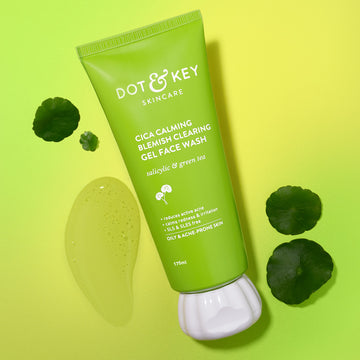
Cica + Salicylic Acid Face Wash for Oily Skin
BESTSELLER Featured Tag Icon

Oily & Acne-Prone Skin

Cica + Salicylic Acid Face Wash for Oily Skin
Full Star Full Star Full Star Full Star Half Star
(1089)

Upto 20% OFF + Free Gifts

375

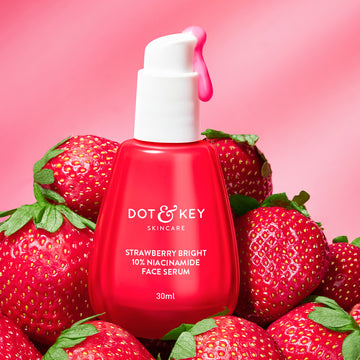
Strawberry Bright 10% Niacinamide Face Serum
BESTSELLER Featured Tag Icon

All Skin Types

Strawberry Bright 10% Niacinamide Face Serum
Full Star Full Star Full Star Full Star Half Star
(696)

Upto 20% OFF + Free Gifts

599

Watermelon Cooling Sunscreen SPF 50+ PA++++ With New-Age UV Filters
BESTSELLER Featured Tag Icon

Oily & Combination Skin

Watermelon Cooling Sunscreen SPF 50+ PA++++ With New-Age UV Filters
Full Star Full Star Full Star Full Star Half Star
(1453)

Upto 20% OFF + Free Gifts

445

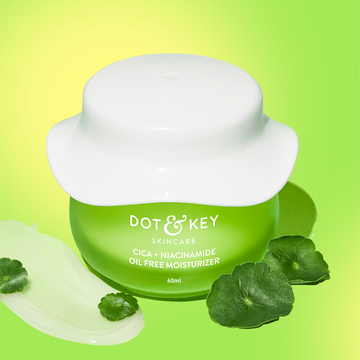
Cica (Centella) + Niacinamide Oil Free Moisturizer
TOP PICK Featured Tag Icon

Oily & Acne-Prone Skin

Cica (Centella) + Niacinamide Oil Free Moisturizer
Full Star Full Star Full Star Full Star Half Star
(659)

Upto 20% OFF + Free Gifts

495

Cica + Niacinamide Sunscreen, In-Vivo Tested SPF 50+ PA++++

Oily & Acne-Prone Skin

Cica + Niacinamide Sunscreen, In-Vivo Tested SPF 50+ PA++++
Full Star Full Star Full Star Full Star Half Star
(1001)

Upto 20% OFF + Free Gifts

595

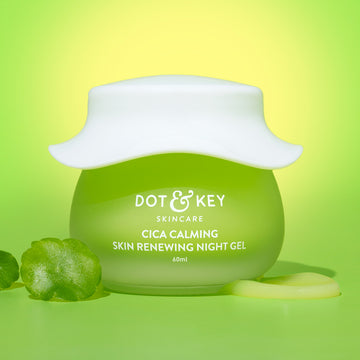
Cica Calming Night Gel (Niacinamide + Green Tea)

Oily & Acne-Prone Skin

Cica Calming Night Gel (Niacinamide + Green Tea)
Full Star Full Star Full Star Full Star Half Star
(853)

Upto 20% OFF + Free Gifts

495