Does Salicylic Acid Remove Acne? Explained

Raj | Last Updated On 17 Apr 2026
9 mins read
Table of Contents
Does Salicylic Acid Remove Acne? Explained

Yes, salicylic acid can help reduce acne—and for many people dealing with blackheads, whiteheads, and mild to moderate breakouts, it can make a noticeable difference over time.

What makes salicylic acid effective is how it works. As a beta hydroxy acid (BHA), it is oil-soluble, which means it can penetrate deep into the pores rather than just working on the skin’s surface. Once inside, it helps dissolve excess oil, clear out clogged pores, and loosen dead skin cells—all of which are key contributors to acne.

If your skin often feels congested or you’re dealing with recurring bumps, salicylic acid targets the root of the issue instead of simply drying out the skin. It also has anti-inflammatory properties, which can help calm redness and swelling associated with active breakouts.

Clinical research supports its effectiveness, showing that consistent use can reduce acne lesions within a few weeks while also helping regulate oil production over time.

That said, results depend on how you use it. Overuse or combining it with too many strong actives can lead to dryness or irritation, which may worsen the skin barrier.

In this guide, we’ll break down:

  • How salicylic acid works to treat acne

  • Which types of acne respond best

  • How to use it safely without irritation

  • How it compares to other acne treatments

  • A simple, practical routine for clearer skin

With the right approach, salicylic acid can be a reliable, science-backed step toward smoother, clearer, and more balanced skin. 

Table of Contents

What Exactly Is Salicylic Acid and Why Does It Target Acne So Well?

Salicylic acid is a naturally derived beta-hydroxy acid (BHA) originally from willow bark. Unlike alpha-hydroxy acids that work mainly on the surface, salicylic acid is oil-soluble. This means it slips easily into the lipid-rich environment of your pores, where most acne starts.

Inside the pore it acts in three key ways:

  • Exfoliates from within It breaks the bonds holding dead skin cells together so they shed more easily instead of piling up and clogging follicles.

  • Dissolves sebum and debris It cuts through the sticky mix of oil, dead cells, and bacteria that forms comedones (blackheads and whiteheads).

  • Calms inflammation It has mild anti-inflammatory properties that reduce redness and swelling around active pimples.

It also helps regulate sebum production, which prevents new blockages from forming. This multi-action approach makes it especially useful for acne that stems from clogged pores rather than deep hormonal cysts.

The Acne Formation Process – And How Salicylic Acid Interrupts It

Acne begins when excess oil, dead skin cells, and bacteria combine inside hair follicles. The follicle wall stretches, creating a micro-comedone that can turn into a visible blackhead, whitehead, or inflamed pimple. Hormones, stress, diet, and environment can speed this up.

Salicylic acid interrupts the cycle at the earliest stage by keeping pores clear and preventing the buildup that leads to inflammation. Because it works inside the follicle, it addresses both existing lesions and future ones. Studies confirm this comedolytic (pore-unclogging) action leads to measurable improvements in lesion counts.

Proven Benefits of Salicylic Acid for Acne

Here is what consistent use delivers according to clinical observations:

  1. Clears clogged pores Reduces blackheads and whiteheads by dissolving the material inside follicles.

  2. Reduces active breakouts Lowers the number of inflammatory pimples through gentle exfoliation and anti-inflammatory effects.

  3. Controls oil production Helps sebaceous glands produce less excess sebum over time.

  4. Prevents new acne Keeps pores from re-clogging when used regularly.

  5. Improves skin texture Smoother surface with fewer rough patches from built-up dead cells.

  6. Supports even tone Helps fade post-acne marks by promoting healthy cell turnover.

  7. Works well with other routines Complements gentle cleansing and moisturizing without stripping the barrier when used properly.

Clinical trials using 1–2% concentrations have shown reductions in inflammatory lesions by 20–60 percent and overall acne severity improvements within four to eight weeks.

Which Types of Acne Respond Best to Salicylic Acid?

Salicylic acid shines for:

  • Comedonal acne (blackheads and whiteheads).

  • Mild to moderate inflammatory acne.

  • Oily or combination skin prone to congestion.

It is less effective alone for severe cystic or hormonal acne deep under the skin. In those cases it works best as part of a broader plan that may include other targeted treatments.

Salicylic Acid vs. Benzoyl Peroxide

Both are popular acne fighters, but they tackle different parts of the problem:

Aspect

Salicylic Acid

Benzoyl Peroxide

Best Used When…

Main Action

Unclogs pores, exfoliates inside follicles

Kills acne-causing bacteria

You have mostly blackheads/whiteheads

Best For

Non-inflammatory acne, prevention

Inflamed pimples, pustules

Breakouts are red and swollen

Oil Control

Helps regulate sebum

Can be drying

Skin is oily or combination

Irritation Potential

Lower when started gradually

Higher, especially at stronger concentrations

Skin is sensitive or easily dried

Speed of Results

Noticeable in 2–4 weeks

Often faster on active pimples (1–2 weeks)

You want prevention and maintenance

Sun Sensitivity

Mild increase

None

You use sunscreen daily

Many people rotate or combine them carefully (on alternate days) for comprehensive coverage. Salicylic acid handles the clogging; benzoyl peroxide handles the bacteria.

Common Myths About Salicylic Acid and Acne


Myth 1: “Salicylic acid removes acne scars.”

Reality: It helps prevent new acne and can fade mild discoloration from old spots through cell turnover, but it does not treat deep scars or ice-pick marks.

Myth 2: “Higher concentrations work faster and better.”

Reality: 0.5–2% is plenty for daily use. Stronger peels (20–30%) are professional tools and not for everyday application.

Myth 3: “It dries out skin so much that acne gets worse.”

Reality: Proper use with moisturizer prevents excessive dryness and actually strengthens the barrier long-term.

Myth 4: “You only need it when you have active pimples.”

Reality: Consistent low-level use prevents future breakouts by keeping pores clear.

How to Choose and Use Salicylic Acid Products for Acne

Focus on these practical features:

  • Concentration: Start with 0.5–2% for daily products.

  • Texture: Gel, serum, or lightweight lotion for oily skin; cream for drier skin.

  • Formula: Oil-free, non-comedogenic, fragrance-free.

  • Form: Cleansers for gentle daily exfoliation, leave-on pads or serums for targeted treatment, spot treatments for active bumps.

Apply to clean, dry skin. A pea-size amount covers the whole face. Use sunscreen daily because it can increase sun sensitivity.

Step-by-Step Routine to Treat Acne with Salicylic Acid

Keep it simple, especially when starting.

Morning routine

  1. Gentle, non-foaming cleanser.

  2. Pat dry.

  3. Apply salicylic acid serum or gel.

  4. Lightweight moisturizer.

  5. Broad-spectrum SPF 30+ (matte finish if oily).

Evening routine

  1. Gentle cleanser (double if wearing makeup or sunscreen).

  2. Salicylic acid treatment (every other night at first).

  3. Wait 10–15 minutes.

  4. Moisturizer to support the barrier.

Practical tips that make the difference

  • Patch-test on your jawline for two days.

  • Start every other day for the first week.

  • Use lukewarm water only – hot water worsens dryness.

  • In humid weather, skip heavy moisturizer some days.

  • Blot excess oil during the day instead of adding more product.

Most people notice smoother texture in one to two weeks and fewer new breakouts by week four to six.

Lifestyle Changes That Support Salicylic Acid Results

Skincare works better when internal triggers calm down:

  • Eat lower-glycemic foods to help balance hormones and oil.

  • Drink 8–10 glasses of water daily.

  • Manage stress with short daily walks or breathing exercises.

  • Change pillowcases weekly to reduce bacteria transfer.

  • Avoid touching your face during the day.

These habits reduce the workload on your pores and let salicylic acid focus on clearing existing congestion.

Potential Side Effects and How to Minimize Them

Common reactions include mild dryness, tingling, or peeling, especially in the first two weeks. These usually fade as skin adjusts. Rare issues include excessive redness or hives – stop use and consult a dermatologist if that happens.

Tips to stay comfortable:

  • Always follow with moisturizer.

  • Build tolerance gradually.

  • Avoid layering with strong retinoids or scrubs initially.

  • Use at night if mornings feel too drying.

When Salicylic Acid Might Need Extra Support

It works beautifully for most mild to moderate acne. For severe or persistent cases, combine it with professional guidance. It pairs well with gentle barrier repair but does not replace sunscreen or a consistent routine.

Key Takeaways

  • Salicylic acid effectively removes acne by unclogging pores and reducing sebum.

  • It works best for blackheads, whiteheads, and mild breakouts.

  • Choose 0.5–2% concentrations and start slowly.

  • Expect visible improvements in 2–6 weeks with daily consistency.

  • Pair with moisturizer and sunscreen to avoid dryness.

  • Combine thoughtfully with other actives for stubborn acne.


Conclusion

Your acne does not have to keep winning. Salicylic acid gives your skin the targeted help it needs to clear congestion and stay clear. Start with one simple product – a 1–2% gel or cleanser – used consistently in your morning or evening routine. Give it four full weeks while supporting your skin with gentle cleansing, moisturizing, and daily sunscreen. Most people look back after a month and see noticeably fewer breakouts and smoother texture staring back from the mirror.

The science is clear, the steps are straightforward, and the results are within reach when you stay consistent. Clearer, calmer skin is closer than it feels right now. Give salicylic acid the chance to work with your skin instead of against it, and you might finally break the cycle that has held you back.

FAQ


Q: Does salicylic acid actually remove acne or just treat symptoms?

A: It addresses root causes by clearing pores and preventing new blockages, leading to fewer breakouts over time.

Q: How long does salicylic acid take to clear acne?

A: Many notice smoother skin and fewer new pimples in 1–2 weeks. Significant reduction in lesions often appears in 4–6 weeks.

Q: Can I use salicylic acid every day?

A: Yes, once skin tolerates it. Start every other day if you are new or have sensitive skin.

Q: Is salicylic acid better than benzoyl peroxide?

A: It depends on your acne. Salicylic acid excels at unclogging pores; benzoyl peroxide targets bacteria. Many use both on alternate days.

Q: Will salicylic acid make my skin drier or more oily?

A: It can feel drying at first but actually helps balance oil production long-term when paired with moisturizer.

Q: Can salicylic acid help with acne scars?

A: It can fade mild discoloration from old pimples but does not treat deep or textured scars.

Q: Is it safe to use salicylic acid with niacinamide or hyaluronic acid?

A: Absolutely. They work well together – niacinamide calms and strengthens the barrier while salicylic acid clears pores.

Q: What if my acne gets worse at first?

A: This is temporary purging as pores clear old debris. It usually settles within two weeks. If it persists, reduce frequency.

Q: Can people with sensitive skin use salicylic acid?

A: Yes, with low concentrations and gradual introduction. Many sensitive skin types tolerate it better than harsher options.

Q: Is there any downside to long-term use?

A: None when used properly. It becomes part of a healthy maintenance routine that keeps skin clearer and smoother.


Our Recommendation

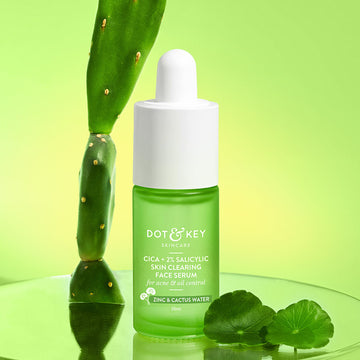
Cica + 2% Salicylic Acid Serum for Acne

Oily, Acne-Prone & Sensitive Skin

Cica + 2% Salicylic Acid Serum for Acne
Full Star Full Star Full Star Full Star Half Star
(706)

Upto 20% OFF + Free Gifts

550

Cica + Salicylic Acid Face Wash for Oily Skin
BESTSELLER Featured Tag Icon

Oily & Acne-Prone Skin

Cica + Salicylic Acid Face Wash for Oily Skin
Full Star Full Star Full Star Full Star Half Star
(1089)

Upto 20% OFF + Free Gifts

375