


Sunscreen and Moisturizer: Do 2-in-1 Formulas Really Work?
 05 Dec 2025

We get it — mornings are busy, and anything that saves time sounds like a win. Enter the 2-in-1 sunscreen: a single product that promises to hydrate your skin and shield it from UV damage. Convenient? Absolutely. Effective? That’s the question.
As a dermatologist-friendly take: these hybrid products can be great for simplifying your routine — especially when you’re short on time or prefer a lighter morning ritual. But not all 2-in-1s are created equal. Some give you solid hydration but mediocre SPF protection, while others prioritize sun defense and skimp on nourishing ingredients.
In this post, we’ll weigh the real benefits against the trade-offs, look at how formulas are evaluated, and give practical tips so you can decide when a 2-in-1 makes sense — and when you should stick to separate sunscreen and moisturiser. Short version: they can work, but it depends on formulation, your skin type, and your priorities.
What Are 2-in-1 Sunscreen + Moisturizers?
A 2-in-1 sunscreen + moisturizer is a hybrid formulation that delivers two essential skincare benefits in a single step: hydration and UV protection. These products typically combine moisturizing agents—such as emollients (to soften and smooth) and humectants (to draw water into the skin)—with active sunscreen filters. Depending on the formula, these UV filters may be:
-
Mineral filters like zinc oxide or titanium dioxide
-
Chemical filters such as avobenzone, octinoxate, or newer broad-spectrum filters
Most 2-in-1 formulas are positioned as convenient everyday essentials and usually come with SPF values ranging from 15 to 50+. The promise is simple: apply once in the morning, and you’re covered in both hydration and sun protection.
But as with any hybrid product, the balance varies. Some formulas focus more on moisturization and include a minimal SPF, while others emphasise sun protection but compromise slightly on richness or long-lasting hydration.
A helpful way to think of these products is to compare them to a smartphone camera: perfect for everyday snapshots, but when you need specialised performance, dedicated tools often work better. Similarly, 2-in-1 sunscreen moisturizers can be ideal for low-exposure days or simplified routines, but their effectiveness depends heavily on the formulation and how consistently you apply them.
The Science Behind Sunscreen and Moisturization
To evaluate if 2-in-1 formulas work, we need to grasp the roles of sunscreen and moisturizer separately.
Sunscreen protects against ultraviolet (UV) radiation. UVB rays cause sunburn and contribute to skin cancer, while UVA rays penetrate deeper, leading to premature ageing like wrinkles and loss of elasticity. Broad-spectrum sunscreens block both, and the Sun Protection Factor (SPF) indicates how long it extends your skin's natural defence against UVB. For instance, SPF 30 means it takes 30 times longer to burn than without protection, but only if applied correctly - about 2mg per square centimetre of skin.
Moisturizers, on the other hand, maintain the skin's barrier function. They draw in water (humectants like glycerin), seal it in (occlusives like petrolatum), or soften the surface (emollients like ceramides). Dry skin can lead to irritation, flakiness, and even exacerbate conditions like eczema.
When combined, the challenge is balancing these functions without compromising either. Scientific studies provide mixed but insightful data. One key study using UV-sensitive photography found that people applying SPF moisturizers missed more facial areas (16.6% on average) compared to dedicated sunscreens (11.1%), particularly around the eyelids and medial canthus - areas prone to skin cancer. This was statistically significant (p<0.001), suggesting users apply moisturizers more sparingly or unevenly, possibly due to their thicker texture.
Another study echoed this, showing SPF moisturizers are applied less thickly, reducing UV absorption and overall protection. However, when moisturizers are applied before or after sunscreen, the sunscreen's effectiveness isn't altered, indicating the issue lies in the combined formula's application habits rather than ingredient interference.
In essence, the science shows potential for 2-in-1s, but real-world use often undermines their efficacy due to under-application.
Benefits of Using 2-in-1 Formulas
First, convenience tops the list. Applying one product saves time, making it easier to stick to a routine. For someone with a hectic morning, this can mean the difference between using protection or skipping it altogether. Dermatologists often note that the best sunscreen is the one you'll actually use consistently.
Second, they can be cost-effective. Buying one item instead of two reduces expenses, and many formulas now include added benefits like antioxidants (e.g., vitamin E) to combat free radicals from UV exposure. This multi-benefit approach suits minimalists.
Third, for certain skin types - like normal or combination - a well-formulated 2-in-1 can provide adequate hydration without feeling heavy. In low-sun scenarios, such as indoor workdays with brief outdoor exposure, they offer sufficient defence if the SPF is 30 or higher and broad-spectrum.
Take, for example, a comparison: imagine a quick walk to the office versus a beach day. For the former, a 2-in-1 might suffice, much like a light jacket for a mild chill. Studies support that when applied properly, they can match the protection level of their SPF rating.
When Do 2-in-1 Formulas Work Best?
These products shine in specific scenarios. For everyday indoor lifestyles with minimal sun exposure - think office workers or those in cloudy climates - a broad-spectrum SPF 30+ 2-in-1 can be effective if applied generously (at least two fingers' worth for the face and neck).
They're ideal for beginners or those overwhelmed by multi-step routines. If your skin is balanced and not prone to sensitivities, starting here builds good habits.
However, for outdoor activities, high UV index days, or sensitive skin conditions, opt for separates. People with acne-prone skin might prefer non-comedogenic sunscreens over richer combined formulas.
Practical tip: test for compatibility. Apply a sample and monitor for irritation or efficacy over a week.
Tips for Choosing and Using 2-in-1 Products Effectively
To maximise benefits, follow these evidence-based tips:
-
Check the SPF and spectrum: Aim for SPF 30+ and broad-spectrum labelling to cover UVA/UVB.
-
Apply generously: Use the 'two-finger rule' - enough to cover face, neck, and ears. Reapply every two hours if outdoors.
-
Layer wisely: If needed, apply a separate moisturizer first, wait 15 minutes, then the 2-in-1 - but remember, this defeats the purpose somewhat.
-
Consider skin type: Dry skin? Look for hyaluronic acid & ceramides. Oily? Opt for mattifying formulas.
-
Store properly: Keep away from heat to maintain stability.
-
Supplement protection: Wear hats, seek shade, and use sunglasses for eyelids.
By treating it as your primary protector, not just a moisturizer, you'll get better results.
Alternatives to 2-in-1 Formulas
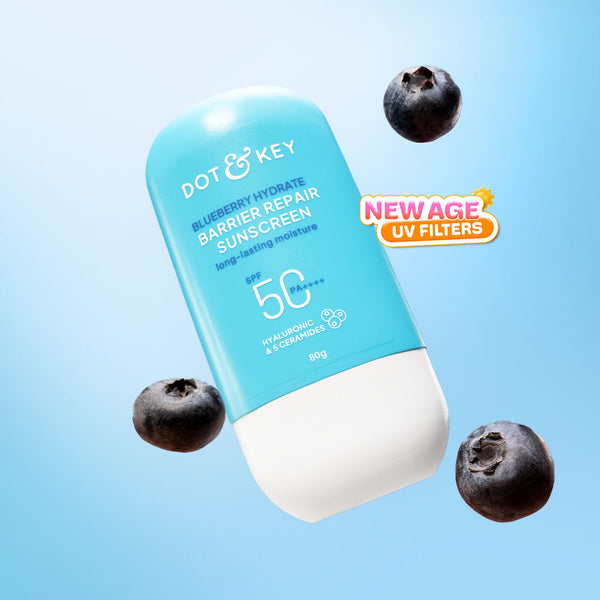
If 2-in-1s don't suit, consider layering: a dedicated moisturizer followed by sunscreen. This allows customization - e.g., a ceramide-rich cream for barrier repair under a lightweight, water-resistant sunscreen or a Vitamin C Sunscreen that keeps skin hydrated with broad spectrum protection, suitable for all skin types.
Tinted SPF options blend coverage with protection, acting like a light foundation. Or, explore hybrid makeup like BB creams with SPF, but always verify the rating.
For ultimate control, separate products ensure you address hydration and protection independently, reducing compromise risks.
Conclusion
In summary, 2-in-1 sunscreen + moisturizers can indeed work, offering a practical solution for daily hydration and UV defence when chosen and applied correctly. They provide convenience and basic protection, backed by some dermatologist approvals for low-exposure scenarios. However, evidence from studies highlights drawbacks like uneven coverage and under-application, making them less ideal for intensive sun exposure or specific skin needs.
The key is balance: listen to your skin, prioritise consistency, and don't skimp on quantity. With informed choices, you can maintain healthy, protected skin without overcomplicating things. Remember, skincare is personal - what works for one might need tweaking for another.
Key Takeaways
-
2-in-1 formulas combine convenience but may compromise on coverage compared to separates.
-
Always choose broad-spectrum SPF 30+ and apply generously for effective protection.
-
They suit low-sun routines best; use dedicated sunscreen for outdoor activities.
-
Science shows application habits are crucial - users often miss high-risk areas like eyelids.
-
Balance pros (time-saving) with cons (potential dilution) for your skincare goals.
FAQs
1. Can I use a 2-in-1 sunscreen + moisturizer every day? H3 Tag
Yes, for everyday use with limited sun exposure, it's a solid option if it's broad-spectrum SPF 30+ and you apply enough. It's better than nothing, but reapply as needed.
2. Do 2-in-1 products provide enough hydration for dry skin? H3 Tag
It depends on the formula. Some offer good moisture, but if your skin feels tight, layer a separate moisturizer underneath or switch to one tailored for dryness.
3. Are 2-in-1 formulas safe for sensitive skin? H3 Tag
Many are, especially mineral-based ones, but patch-test first. Look for fragrance-free options to minimise irritation.
4. How much 2-in-1 product should I apply? H3 Tag
Aim for at least two fingers' length for the face and neck to achieve the labelled SPF. Less reduces effectiveness significantly.
5. Should I reapply a 2-in-1 throughout the day? H3 Tag
Absolutely, every two hours if outdoors, or after sweating/swimming. Touch-ups with powder SPF can help over makeup.