





What Does In Vivo Tested Sunscreen Really Mean for Your Skin?

If you have ever stood in front of a sunscreen shelf trying to decode labels, you are definitely not alone. SPF numbers, PA ratings, broad-spectrum claims—suddenly choosing sunscreen feels more like a science exam than skincare. 😅
One term you might be spotting more often lately is “in vivo tested sunscreen.” It sounds technical (and a little intimidating), but the idea behind it is actually pretty simple—and very important for real-life sun protection.
At its core, in vivo testing means the sunscreen has been tested on real human skin, under controlled conditions, to measure how well it actually protects against the sun. Not just on paper. Not just in a lab dish. But on skin like yours.
Let’s break down what that really means, why it matters, and how it helps you make smarter sunscreen choices—minus the jargon, plus clarity.
What Is SPF and Why Does Testing Matter?
SPF stands for Sun Protection Factor, and it tells you how well a sunscreen protects your skin from UVB rays—the ones responsible for sunburn, tanning, and long-term damage like pigmentation and premature ageing.
But here’s the part that often gets missed! SPF isn’t just a number printed on a label. It has to be measured, proven, and verified through proper testing.
In simple terms, SPF testing checks how long your skin can stay protected in the sun with sunscreen compared to without it. For example, an SPF 30 sunscreen should theoretically allow your skin to handle UVB exposure about 30 times longer than bare skin—when applied correctly and tested properly.
That’s why testing matters so much. Without reliable testing, an SPF claim is just a guess. And when it comes to sun protection, guessing isn’t good enough.
This is exactly where scientific sunscreen testing—especially in vivo testing—steps in, ensuring the protection promised on the bottle actually holds up on real skin, in real conditions.
How Is Sunscreen SPF Actually Tested?
To determine how effective a sunscreen is, scientists rely on standard testing methods that are accepted globally. These methods are designed to ensure that what you see on the label reflects real protection.
Broadly, SPF testing is done in two ways.
In Vitro Testing: Lab-Based Evaluation
In vitro testing is carried out in a laboratory environment. The sunscreen is applied to specialised surfaces designed to mimic skin, and its ability to block UV rays is measured using instruments.
replicate how sunscreen behaves on real human skin, with its natural oils, texture, and temperature.
This method is useful during formulation development and quality checks. However, it cannot fully
In Vivo Testing: Tested on Human Skin
In vivo testing, on the other hand, measures SPF on actual human skin under controlled conditions.
A specific amount of sunscreen is applied to volunteers, and the skin is exposed to regulated UV light. Scientists then assess how well the skin is protected compared to unprotected skin.
Because it reflects real skin behaviour, in vivo testing is widely regarded as the gold standard for SPF validation.
So, What Does “In Vivo Tested Sunscreen” Really Mean?
When a sunscreen is described as in vivo tested, it means that its SPF value has been verified on human skin following established scientific guidelines.
In simple terms, it tells you that:
-
The SPF claim is not just theoretical
-
The sunscreen has been tested the way it is meant to be used
-
The protection level has been measured under carefully monitored conditions
This helps ensure that the number printed on the label is meaningful, not just marketing language.
Why Does This Matter for Your Skin?
Skin is not a flat, uniform surface. It sweats, produces oil, absorbs products differently, and reacts to sunlight in complex ways. All of these factors can influence how a sunscreen performs once applied.
In vivo testing takes these real-world factors into account, which helps:
-
Build confidence in the stated SPF value
-
Reduce the gap between lab results and everyday use
-
Support more reliable sun protection claims
For consumers, this means greater peace of mind when choosing a sunscreen for daily wear.
Where Dot & Key Fits In
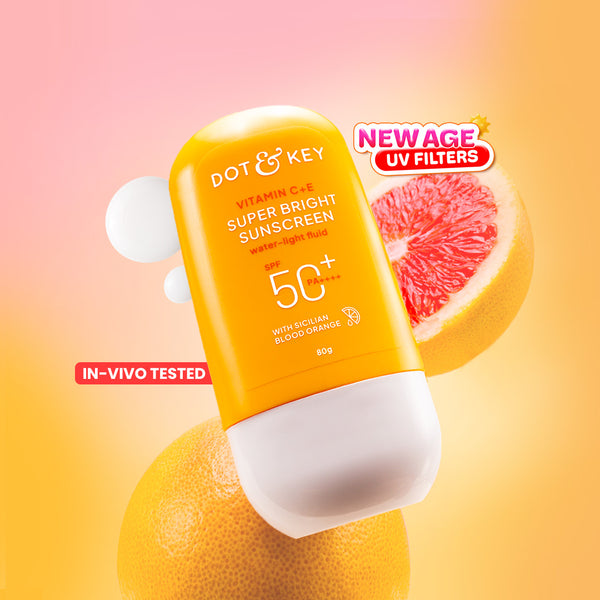
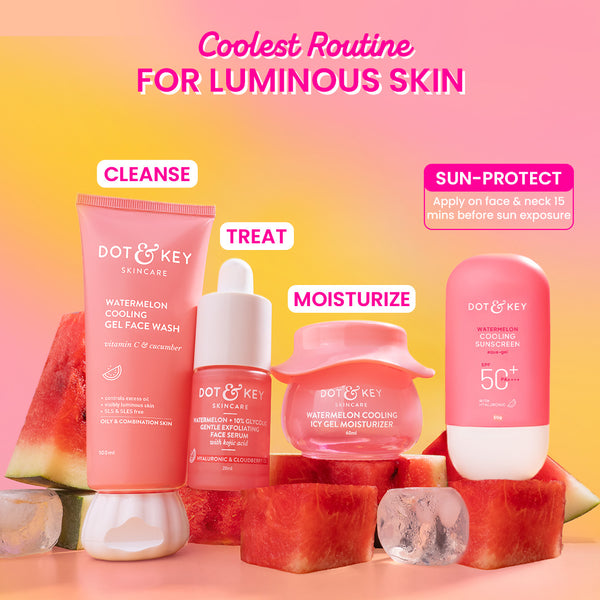
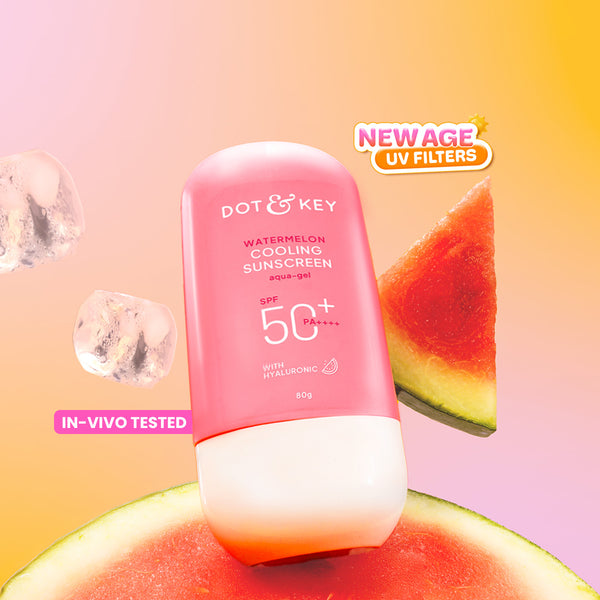
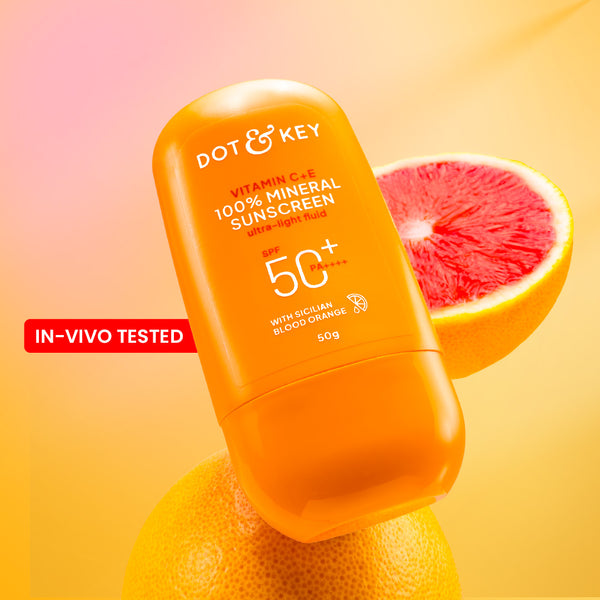
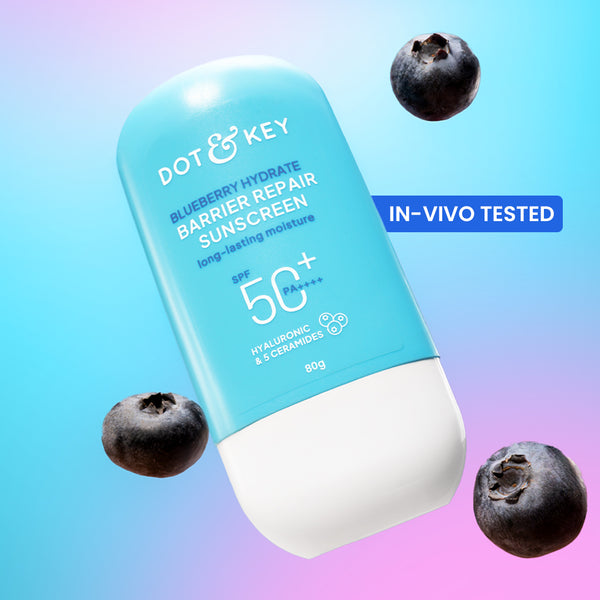
At Dot & Key, sunscreen formulations undergo in vivo SPF testing to ensure that the protection levels mentioned on the label are validated on human skin under controlled conditions.
This reflects a science-led approach to sun care, where product claims are supported by recognised testing protocols rather than assumptions. The focus remains on creating formulations that deliver dependable protection while fitting seamlessly into everyday skincare routines.
Busting Some Common Myths
Is in vivo testing safe?
Yes. In vivo SPF testing is conducted under strict ethical and safety guidelines, with controlled UV exposure and professional supervision.
Does in vivo testing mean the sunscreen is harsh on skin?
Not at all. The purpose of in vivo testing is to measure protection, not irritation. Safety assessments and dermatological evaluations remain an essential part of sunscreen development.
Does a higher SPF automatically mean better protection?
Not necessarily. Correct application, adequate quantity, and regular reapplication matter just as much as the SPF number itself.
What Does This Mean for Your Daily Routine?
Choosing a sunscreen is about more than just picking the highest SPF on the shelf. It is about trusting the science behind the formula and understanding how that protection is measured.
An in vivo tested sunscreen offers reassurance that the stated SPF has been evaluated on real skin, under controlled conditions, using recognised scientific methods.
Pair that with consistent application and reapplication, and you give your skin the best chance at staying protected every day.
Wrapping It Up
Understanding sunscreen testing does not require a science degree. Knowing what terms like “in vivo tested” mean simply helps you make more informed, confident choices for your skin.
As sun care continues to evolve, transparent and skin-relevant testing plays an important role in building trust between brands and consumers, and in supporting better long-term skin health.