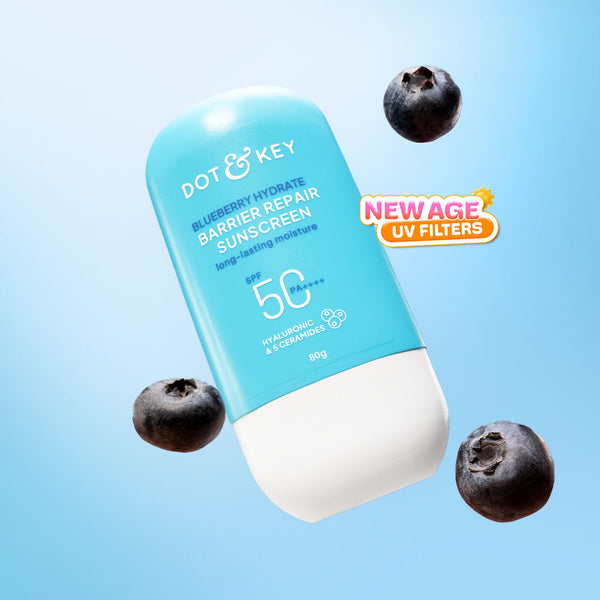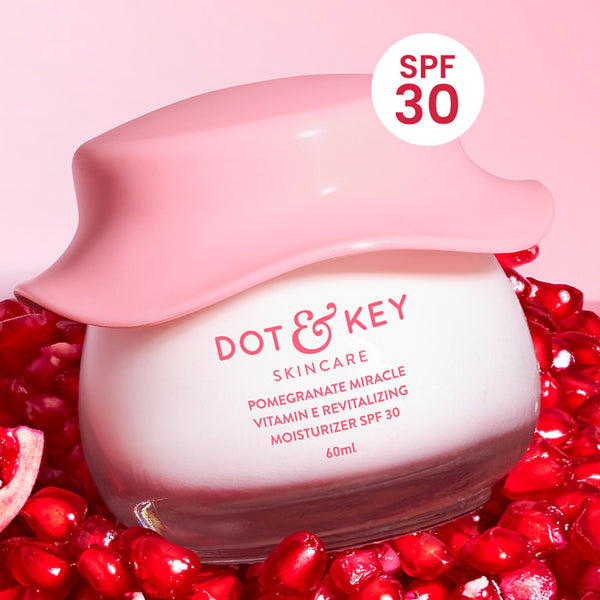




7 Benefits of Using Moisturizer with SPF
 13 Jun 2026

Let's be honest—most of us have rushed through our morning routine at some point. Between getting ready for work, managing household responsibilities, or simply trying to get out the door on time, applying moisturizer and then sunscreen can sometimes feel like one step too many. As a result, sun protection often gets skipped altogether.
That's where a moisturizer with SPF can make a real difference. By combining hydration and sun protection in a single product, it simplifies your routine while helping your skin stay protected from everyday UV exposure. Whether you're commuting, working near a window, running errands, or spending time outdoors, those daily minutes in the sun add up over time.
Beyond convenience, moisturizers with SPF offer several skin benefits. They help maintain hydration, support the skin barrier, protect against premature ageing, and encourage more consistent sunscreen use—arguably the most important factor in effective sun protection.
In this guide, we'll explore seven key benefits of using a moisturizer with SPF, how to choose the right formula for your skin type, and when you may still need a dedicated sunscreen. By the end, you'll understand why this multitasking product has become a staple in so many modern skincare routines.
Why Combine Moisturizer and SPF?
Most people think about sunscreen only when heading to the beach, planning a holiday, or spending hours outdoors. In reality, the majority of sun exposure happens during ordinary moments throughout the day. Walking to your car, sitting by a sunny window, commuting to work, or stepping out for lunch may seem insignificant individually, but those minutes add up over time.
A moisturizer with SPF solves one of the biggest challenges in skincare: consistency. When hydration and sun protection are combined into a single step, you're far more likely to use it every morning. There's no extra product to remember and no additional layer that might feel heavy or time-consuming.
Modern moisturizer-SPF formulas are also designed to be lightweight, fast-absorbing, and comfortable for daily wear. Unlike older sun protection products that often felt greasy or left a noticeable residue, today's formulations blend seamlessly into the skin while providing hydration and broad-spectrum UV protection.
The result is a routine that feels effortless but delivers meaningful long-term benefits. By protecting against daily UV exposure while keeping skin hydrated and comfortable, a moisturizer with SPF helps support healthier-looking skin today and preserves its appearance for years to come.
Benefits of Using Moisturizer with SPF
1. Reduces Early Skin Ageing
Daily use of a broad-spectrum SPF moisturizer helps prevent fine lines, wrinkles, and dark spots. A landmark study published in the Annals of Internal Medicine found that people who used sunscreen daily showed 24% less skin ageing over four years compared to those who used it only occasionally. Hydration also plumps the skin, making existing lines less visible.
2. Lowers Skin Cancer Risk
Skin cancer is the most common cancer in many countries, including the United States. Regular daily application of SPF 15 or higher reduces the risk of squamous cell carcinoma by about 40% and melanoma by 50%, according to long-term public health data. A moisturizer with SPF makes this protection a no-brainer.
3. Simplifies Your Routine
You buy one bottle instead of two. You reduce plastic waste and save money over time. A dual-purpose product also means less clutter on your counter and fewer decisions to make when you are groggy at 7 a.m.
4. Improves Daily Compliance
When sunscreen is built into your moisturizer, you are far more likely to use it every day. Consistency matters. Even on cloudy days, up to 80% of UV rays still reach your skin. A product you enjoy using means you will actually use it, and that habit protects your skin year-round.
5. Hydrates While It Protects
Many standalone sunscreens can be drying, especially alcohol-based formulas. A moisturizer with SPF is designed to deliver humectants like glycerin, hyaluronic acid, or ceramides alongside UV filters. You get soft, comfortable skin without that tight, chalky feeling.
6. Works Seamlessly Under Makeup
Modern SPF moisturizers often double as a smooth primer. They reduce the number of layers on your face, preventing pilling or caking. Your makeup applies more evenly, and you do not need a separate primer. That means a faster morning and a fresher look all day.
7. Saves Precious Time in the Morning
A single product that hydrates and protects cuts your routine in half. No more waiting for moisturizer to dry before layering sunscreen. Just one application and you are done. For parents and busy professionals, this simplicity is priceless.
One Simple Step That Stops Hidden Sun Damage
Many people do not realize that UVA rays penetrate glass. If you work near a window or spend hours in a car, your skin ages without any visible sunburn. A moisturizer with SPF acts as an indoor shield. Keeping a bottle on your desk or in your bag makes reapplication easy before your commute home. This simple habit can prevent the uneven pigmentation that creeps up over years of cumulative exposure.
Moisturizer with SPF vs. Separate Products
This is the most common decision point for anyone building a skincare routine. Use the table below to see how the two approaches compare across everyday needs.
|
Factor |
Moisturizer with SPF |
Separate Moisturizer and Sunscreen |
|
Time Required |
One step; under 60 seconds |
Two steps; requires drying time between layers |
|
Daily Adherence |
High; easy to maintain habit |
Moderate; people often skip sunscreen |
|
Texture Feel |
Lightweight and fast-absorbing |
Can feel heavy or layered |
|
SPF Reliability |
Good when applied correctly |
Good if right amount used |
|
Hydration Level |
Designed for all-day moisture |
Moisturizer may be richer but sunscreen can be drying |
|
Under Makeup |
Acts as a primer, sits well |
Possible pilling if formulas clash |
|
Cost |
One product to buy |
Two products needed |
|
Customization |
Limited to available formulas |
Can mix and match based on skin needs |
|
Best For |
Daily, incidental exposure, busy lifestyles |
Extended outdoor activity, very dry skin |
For most people on most days, a moisturizer with SPF ticks every box. If you plan to be at the beach or sweating heavily, a dedicated water-resistant sunscreen on top adds extra security. But for the office, school run, or errands, the combination product is a clear winner.
How to Pick the Right Moisturizer with SPF for Your Skin Type
Choosing the wrong formula can lead to breakouts, shine, or irritation. Match your skin’s needs with these practical guidelines.
For Oily or Acne-Prone Skin
Look for oil-free, non-comedogenic labels. Lightweight gel or water-based textures feel weightless and do not clog pores. Mineral filters like zinc oxide can also help calm redness.
For Dry or Mature Skin
Choose a cream with added ceramides, squalane, or peptides. These ingredients reinforce your moisture barrier while SPF guards against further collagen breakdown. A higher hydration base offsets any potential dryness from UV filters.
For Sensitive Skin
Mineral sunscreens containing only zinc oxide or titanium dioxide are less likely to sting. Avoid added fragrance and alcohol. A tinted mineral moisturizer can also counteract the white cast and even out skin tone.
For All Skin Types
Broad-spectrum protection of SPF 30 or higher is the daily minimum advised by dermatologists worldwide. Ensure the label says “broad spectrum” so you are shielded from both UVA (ageing) and UVB (burning) rays.
The Mistake Everyone Makes When Applying Moisturizer with SPF
One high-value question that top-ranking pages often fail to answer clearly is: “Can I mix my moisturizer with SPF into my foundation for better coverage?”
The short answer is no. Mixing an SPF moisturizer with foundation, primer, or tinted drops dilutes the sunscreen filters unevenly. You end up with patchy protection and a much lower effective SPF than what is on the label. Instead, apply your moisturizer with SPF as a complete layer first. Let it set for a minute, then apply foundation on top. You maintain full, even protection while still getting coverage.
This missed detail means many people unknowingly leave their skin vulnerable. Always use SPF as a dedicated layer, never a cocktail.
How to Apply It Correctly for Complete Protection
Many complaints about SPF moisturizers come down to using too little. Follow these simple steps.
-
Start with a clean, dry face.
-
Dispense a nickel-sized amount for your face and neck combined. Most people use only half that amount, which can reduce protection by 50% or more.
-
Dot the product on your forehead, cheeks, nose, and chin.
-
Blend outward in gentle sweeping motions. Do not forget your ears, hairline, and the back of your neck.
-
Wait one minute before applying makeup.
-
Reapply every two hours if you are outdoors continuously. For indoor days, a single morning application is a good baseline, but consider a midday reapplication if you sit near a window or go outside for lunch.
If reapplication over makeup feels tricky, use a setting spray with SPF or a pressed powder with sunscreen later in the day. This maintains protection without disturbing your makeup.
Key Takeaways
-
A moisturizer with SPF combines two essential steps, saving time and raising your chance of daily use.
-
Daily broad-spectrum SPF 30 reduces skin ageing, lowers cancer risk, and prevents pigmentation.
-
Apply a nickel-sized amount to dry skin for full protection, never mix with foundation.
-
Choose a formula based on your skin type: gel for oily, cream for dry, mineral for sensitive.
-
Reapply every two hours during prolonged outdoor exposure, even with a combination product.
-
One product, used every morning, can change how your skin ages over decades.
FAQ
Does moisturizer with SPF provide enough protection on its own?
Yes, a broad-spectrum SPF 30 or higher moisturizer applied generously and evenly provides sufficient protection for daily incidental sun exposure.
Can I use moisturizer with SPF at night?
No, SPF ingredients offer no benefit while you sleep. Use a regular night cream without sun filters to let your skin rest and repair.
Will moisturizer with SPF clog my pores?
Modern non-comedogenic formulas are designed not to clog pores, but always check the label if you have oily or acne-prone skin.
How much moisturizer with SPF should I use on my face?
Apply a nickel-sized dollop to cover your face and neck fully. Using less significantly reduces protection.
Is moisturizer with SPF safe for children?
Yes, but for babies under six months, consult a pediatrician. For older children, choose a gentle, mineral-based formula and patch-test first.
Do I still need moisturizer with SPF on rainy days?
Yes, UV rays penetrate clouds and light rain. Daily use ensures you never have a gap in protection.
Can I use moisturizer with SPF instead of a separate sunscreen at the beach?
For extended outdoor activity or swimming, a dedicated water-resistant sunscreen with SPF 30 or higher is recommended for reliable protection.