
Gel vs Cream vs Jelly: Which Moisturizer Suits Combination Skin?
 16 Sep 2026

Combination skin can feel like two different skin types at once. Your forehead, nose, and chin may get shiny by midday, while your cheeks can feel dry or tight. And when you're choosing a moisturiser, the options can get confusing. Gel, cream, or jelly? Which one actually works for combination skin?
The answer isn't about finding one perfect texture. It's about understanding what your skin needs and choosing a moisturiser that gives you the right balance of hydration without feeling heavy or greasy. In this guide, we'll break down the differences between gel, cream, and jelly moisturisers, how each texture works, and how to choose the right one for your combination skin.
Understanding Combination Skin
Combination skin is characterised by an oily T-zone (forehead, nose, and chin) and normal-to-dry skin on the cheeks and jawline, often referred to as the U-zone. The oily area is caused by higher sebaceous gland activity, while the dry areas often result from a less robust skin barrier and lower natural oil production.
The goal for any moisturiser is to deliver hydration (water) and prevent moisture loss without overwhelming the oily areas or under-serving the dry ones. The texture of a moisturiser, its physical form and oil content, plays a critical role in achieving this balance.
What Defines Each Texture? Gel, Cream, and Jelly
The difference between a gel, cream, and jelly comes down to the formulation's water-to-oil ratio and the thickening agents used.
Gel Moisturizer
A gel is primarily water-based with a very low oil content. It uses polymers (like carbomer or cellulose) to create a lightweight, clear or translucent texture that feels cooling and absorbs instantly. Gels provide intense hydration without a greasy or occlusive finish. They are ideal for oily and acne-prone skin because they do not clog pores or add shine.
Cream Moisturizer
A cream is an emulsion of water and oil, with a higher oil phase than a gel. It is thicker, opaque, and provides both hydration and emollient action. The oil content helps seal moisture into the skin, making it essential for dry areas that struggle to retain water. Creams can feel rich and may leave a slight residue, which is beneficial for the cheeks but can feel heavy on the T-zone.
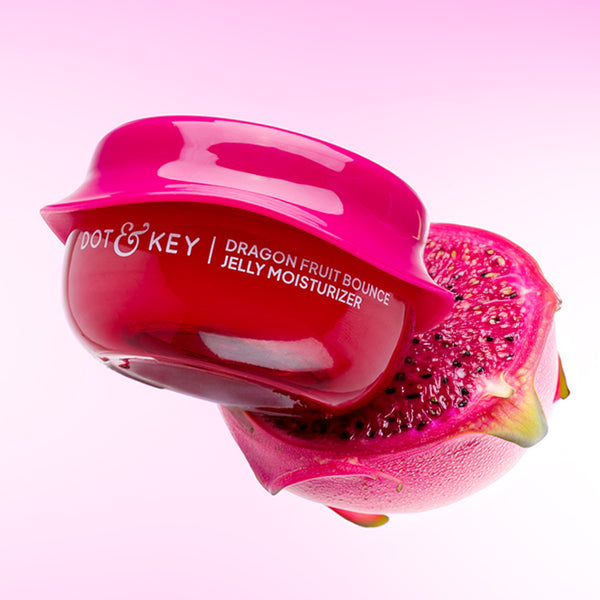
Jelly Moisturizer
A jelly is a marketing term for a specific type of water-based gel with a bouncy, slightly thicker consistency. It often contains high concentrations of humectants (like hyaluronic acid) and a specific combination of polymers that give it a "squishy" texture. Functionally, jellies are very similar to gels — lightweight, non-greasy, and hydrating — but they may feel slightly more substantial on the skin. They are a good middle ground between a fluid gel and a thin lotion.
A Direct Comparison: Texture, Feel, and Function
|
Feature |
Gel |
Jelly |
Cream |
|
Water Content |
Very high |
Very high |
Moderate |
|
Oil Content |
Very low to none |
Very low to low |
Moderate to high |
|
Consistency |
Light, fluid, cooling |
Bouncy, thicker than gel |
Rich, spreadable |
|
Finish on Skin |
Matte, no residue |
Slight dewy finish, no residue |
Dewy to slightly glossy, may feel occlusive |
|
Best For |
Oily T-zone, acne-prone skin |
Oily to normal zones, dehydrated skin |
Dry cheeks, normal to dry skin |
|
Key Ingredient Focus |
Humectants (HA, glycerin), soothing agents |
Humectants, niacinamide, water-binding polysaccharides |
Humectants + emollients + occlusives (ceramides, squalane, shea) |
Choosing Based on Your Skin's Zones
The most effective approach for combination skin is not to force one texture across your entire face, but to think in zones.
For the Oily T-Zone
Opt for a gel or jelly moisturiser. These water-based formulas deliver the hydration the skin needs without adding oil. Look for additional ingredients like niacinamide (to regulate sebum) and lightweight humectants (like sodium hyaluronate). Their quick absorption leaves a matte finish, helping to control midday shine.
For the Dry U-Zone (Cheeks)
A light cream or a gel-cream is usually required here. This area needs both hydration (water) and some emollient action to support the skin barrier. A cream that contains ceramides, squalane, or fatty acids will help seal in moisture and prevent that tight, flaky feeling. A pure gel is often insufficient for this zone, leading to increased dryness.
The Balanced Solution: Gel-Creams
Many skincare brands now offer "gel-creams" or "water creams." These are formulated as gels that contain a small amount of emulsified oil. They are designed to feel like a gel (lightweight, fast-absorbing) but provide a touch more barrier support than a standard gel. For many people with combination skin, a well-formulated gel-cream is the ideal single product because it balances the needs of both zones adequately.
Key Ingredients to Look For in Each Texture
In Gels and Jellies: Prioritise hyaluronic acid, glycerin, aloe vera, panthenol (vitamin B5), and niacinamide. Avoid gels with high concentrations of denatured alcohol, which can be drying.
In Creams for Dry Zones: Look for ceramides, cholesterol, squalane, shea butter, and fatty alcohols. These ingredients repair the lipid barrier and prevent transepidermal water loss.
For Both: Niacinamide is a star ingredient for combination skin as it helps balance oil production and strengthen the barrier. Centella asiatica can also soothe inflammation in both oily and dry zones.
Practical Application: How to Use Them Together
Zone-Specific Application Method
● Cleanse your face with a gentle, pH-balanced cleanser.
● Apply a gel or jelly moisturiser to your T-zone (forehead, nose, chin).
● Apply a light cream to your cheeks and jawline.
● Allow both to absorb before applying sunscreen in the morning.
This method ensures each area receives exactly what it needs. It may take a few extra seconds, but the result is a significantly more balanced complexion.
Seasonal Adjustment
Your skin's needs change with the climate. In hot, humid weather, you may find that a gel alone works for your entire face, as the humidity provides additional moisture. In cold, dry winter months, you may need to switch the entire face to a gel-cream or even a light cream, adding a more emollient layer to the cheeks at night. Pay attention to how your skin feels; tightness is a signal to increase emollients.
Common Mistakes to Avoid
● Using a heavy cream all over: This clogs the T-zone, leading to breakouts and excess shine.
● Using only a gel on the cheeks: This can leave dry zones feeling tight and flaky, potentially compromising the skin barrier.
● Over-moisturising the oily zone: Even oily skin needs hydration, but applying a thick occlusive cream will trap heat and sebum, causing congestion.
● Ignoring the ingredient list: A "gel" can still contain irritating fragrances or denatured alcohol. Always check the formula.
● Not adjusting for climate: Using a rich winter cream during a humid summer will feel heavy and may cause breakouts.
When to See a Dermatologist
If you have persistent, painful acne in the oily areas combined with severe dryness or redness in the dry areas, you may be dealing with more than combination skin. Conditions like seborrheic dermatitis or rosacea can mimic combination skin but require specific medical treatment. A dermatologist can provide a tailored diagnosis and prescription regimen.
Conclusion
The choice between a gel, cream, and jelly moisturiser for combination skin is not about finding a single winner. It is about understanding that your face has two distinct environments with different needs. A water-based gel or jelly is your best friend for the oily T-zone, while a light cream supports the drier cheeks. For a single-product solution, a gel-cream offers a practical compromise. The key is to listen to your skin, apply textures strategically, and adjust your routine as conditions change. By doing so, you can achieve the balanced, comfortable complexion you have been seeking.
Frequently Asked Questions
Can I use a gel moisturizer on my whole face if I have combination skin?
You can, but it may not provide enough barrier support for dry cheeks, leading to tightness and flakiness. It is more effective to use a gel on the T-zone and a light cream on the cheeks, or opt for a gel-cream.
Is a jelly moisturizer better than a gel for oily skin?
They are very similar in function. A jelly may feel slightly more substantial due to its texture, but both are water-based and non-greasy. The choice is mostly about personal preference for feel.
What is a gel-cream moisturizer?
A gel-cream is a hybrid formulation that has the lightweight, fast-absorbing properties of a gel but contains a small amount of oil or emollients to provide slightly more barrier support than a standard gel. It is often ideal for combination skin.
Should I use different moisturizers in the morning and night?
Yes. In the morning, a lightweight gel or gel-cream under sunscreen works well to prevent shine. At night, you can use a slightly richer cream on the cheeks to support repair while using a gel on the T-zone.
How do I know if my moisturizer is too heavy for my T-zone?
If your forehead, nose, or chin becomes shiny or develops new clogged pores or breakouts shortly after applying, the moisturizer is likely too rich for that area. Switch to a gel or jelly on that zone.
Can ingredients like niacinamide help with combination skin?
Yes, niacinamide is well-researched for its ability to help regulate sebum production, reduce the appearance of pores, and strengthen the skin barrier. It is beneficial in both gel and light cream formulations.