




Why Is My Neck Darker Than My Face and Body? Causes and Care
 07 Oct 2026

Noticing that your neck is several shades darker than your face or body? It’s more common than you might think, and the reasons can be more complex than simply missing a spot while cleansing or applying sunscreen. The skin on your neck has its own unique characteristics and exposure patterns, and in some cases, neck darkening may also be linked to underlying health conditions. This means pigmentation can develop for reasons that go beyond everyday skincare habits.
This guide explores the most common causes of neck darkening, how to recognise the differences between them, and what evidence suggests about realistic treatment options. It’s designed to help you understand the why behind the pigmentation before investing in skincare products, so you can make more informed choices and find an approach that suits your skin’s needs.
The Anatomy of Neck Skin: Why It Is Uniquely Vulnerable
The skin on the neck is structurally different from facial skin in ways that matter for pigmentation. It is thinner, has fewer sebaceous glands, and is subject to more mechanical stress from clothing, jewellery, and movement. It also has a relatively high surface area that is often missed during sunscreen application.
These differences mean that the neck:
• Loses moisture more readily and can become dry and dull.
• Is more susceptible to friction-induced pigmentation (friction melanosis).
• Receives incidental UV exposure during driving, walking, and daily activities, often without the photoprotection applied to the face.
• Shows signs of systemic conditions earlier than some other body sites because of its thinner barrier and high vascularity.
Understanding this anatomy helps explain why a routine designed for the face may not be sufficient for the neck, and why the neck can appear darker even when the face is well cared for.
The Most Common Cause: Acanthosis Nigricans and Insulin Resistance
Acanthosis nigricans (AN) is the single most common identifiable cause of a dark neck.
It presents as a velvety, thickened, brown-to-black patch with poorly defined borders, most often on the back and sides of the neck, the armpits, and the groin. Unlike sun damage, which tends to be mottled and irregular, AN is typically symmetrical and has a distinctive texture that feels thicker than the surrounding skin.
The hallmark of AN is its strong association with insulin resistance. In dermatology and endocrinology, AN is so closely linked with insulin resistance that it has been described as a clinical surrogate for laboratory-determined hyperinsulinaemia. The mechanism is not fully understood, but it is thought that high levels of circulating insulin stimulate insulin-like growth factor receptors on keratinocytes and fibroblasts, leading to both cellular proliferation (thickening) and increased melanin production (darkening).
Conditions commonly associated with AN include:
• Type 2 diabetes and prediabetes
• Obesity, particularly central adiposity
• Polycystic ovary syndrome (PCOS)
• Hypothyroidism
• Cushing's syndrome
• Certain medications, including niacin, corticosteroids, and some oral contraceptives
• Rarely, internal malignancy (paraneoplastic AN), which is typically sudden, widespread, and not limited to typical skin folds
What this means practically: If your dark neck has a velvety texture and is accompanied by any of the following, a medical review is appropriate:
• Unexplained weight gain or difficulty losing weight
• Fatigue
• Irregular menstrual cycles
• Family history of type 2 diabetes
• Skin tags in the neck or armpits
The NHS notes that the most common cause of acanthosis nigricans is obesity, followed by type 2 diabetes and conditions affecting hormone levels. The American Academy of Dermatology (AAD) also highlights that AN can indicate underlying metabolic alterations that require comprehensive medical evaluation before cosmetic remedies are considered.
Important: Weight loss and improved glycaemic control have been shown to improve or resolve AN in obesity-related cases. The Mayo Clinic recommends nutritional counselling and weight management as first-line approaches when AN is linked to obesity. Topical treatments may help the appearance but do not address the underlying metabolic driver.
Sun Exposure and Photoaging: The Cumulative Burden on the Neck
The neck is one of the most frequently overlooked areas for sun protection. While many people apply sunscreen to the face, the neck, ears, and décolletage are commonly missed. Over years and decades, this incidental exposure accumulates and can produce a mottled, blotchy hyperpigmentation that is distinct from the velvety texture of AN.
Poikiloderma of Civatte (PC) is a specific form of sun-induced neck damage that deserves separate attention. It is a common, acquired condition characterised by a combination of:
• Reticulate (net-like) telangiectasia (visible small blood vessels)
• Mottled hyperpigmentation
• Superficial atrophy (thinning of the skin)
PC predominantly affects the sides of the neck and the V-shaped area of the chest, while sparing the anatomically shaded areas under the chin. This sparing pattern is highly characteristic and strongly implicates solar radiation as a major causative factor.
PC is most common in fair-skinned, middle-aged to older women, with a mean age at diagnosis of approximately 47.8 years for women. It is slowly progressive and generally irreversible without treatment. However, it is benign and not a sign of systemic disease. The psychological impact can be significant because of its visible location and resistance to standard lightening creams.
Key point: PC is not caused by poor hygiene. It is a photoaging condition. Treatment requires addressing both the vascular and pigmentary components, typically with laser or intense pulsed light (IPL) therapy under dermatological supervision.
Friction Melanosis and the "Atopic Dirty Neck"
Not all neck darkening is metabolic or sun-related. Friction melanosis is an acquired pigmentation disorder caused by repeated mechanical trauma to the skin. It is characterised by hyperpigmentation over bony prominences and areas subject to friction, including the neck, clavicles, and shoulders.
A study of young Japanese women found that friction melanosis was present in 5.2% of participants and was associated with the use of nylon towels and brushes. The degree of pigmentation depended on the strength and frequency of scrubbing, not the duration of use. This is a crucial finding: aggressive cleansing of the neck can cause or worsen pigmentation.
"Atopic dirty neck" is a related phenomenon seen in adults with atopic dermatitis. It presents as a reticulate or rippled hyperpigmentation on the anterior and lateral neck. Research from the National Skin Centre in Singapore suggests it results from a combination of frictional melanosis and post-inflammatory hyperpigmentation, and is particularly prevalent in adolescent and adult Asian males.
Practical implication: If you have been scrubbing your neck vigorously in an attempt to lighten it, stop. This may be perpetuating the problem. Gentle cleansing and reducing friction from clothing, jewellery, and cleansing tools are essential first steps.
Other Medical Causes: Hormones, Medications, and Systemic Conditions
Beyond AN and photoaging, several other conditions can cause or contribute to neck darkening.
Hormonal influences:
• Hypothyroidism can cause generalised skin darkening, including the neck and face. Even with thyroid hormone replacement, skin changes may take time to improve.
• Pregnancy commonly causes hyperpigmentation due to elevated oestrogen and progesterone, which stimulate melanin production. This often resolves postpartum but may persist in some women.
• Peri-menopausal changes are implicated in both acquired bilateral melanosis of the neck and poikiloderma of Civatte.
Drug-induced pigmentation:
Approximately 10% to 20% of all hyperpigmentation cases are attributed to medications. Drugs implicated in neck darkening include:
• Non-steroidal anti-inflammatory drugs (NSAIDs)
• Minocycline and other tetracycline antibiotics
• Antimalarials
• Amiodarone
• Antipsychotics
• Hormonal contraceptives and hormone replacement therapy
• Phenytoin and other seizure medications
Drug-induced pigmentation may fade after stopping the medication, but this should only be done under medical supervision.
Dermatitis neglecta:
This is a condition caused by inadequate cleansing over weeks or months, leading to the accumulation of sweat, oil, and keratin. It forms waxy, crusty scales that can resemble dark patches. It is more common in individuals with physical or cognitive limitations that affect hygiene. It resolves with gentle but thorough cleansing.
Tinea versicolor:
A fungal infection that can cause patches of lighter or darker skin, often on the neck and upper trunk. It is treatable with antifungal agents.
How to Tell the Difference: A Symptom-Based Decision Framework
|
Feature |
Acanthosis Nigricans |
Sun Damage / PC |
Friction Melanosis |
Dermatitis Neglecta |
Drug-Induced |
|
Texture |
Velvety, thickened |
Rough, mottled, may have atrophy |
Normal to slightly thickened |
Crusty, scaly |
Normal |
|
Border |
Poorly defined |
Irregular, mottled |
Poorly defined |
Well-defined, removable |
Variable |
|
Location |
Back/sides of neck, armpits, groin |
Sides of neck, V of chest, face |
Neck, clavicles, shoulders |
Any area not cleansed |
Any, often generalised |
|
Symmetry |
Symmetrical |
Symmetrical, spares shaded areas |
Often symmetrical |
Asymmetrical |
Variable |
|
Associated symptoms |
Often none; may have weight gain, fatigue, irregular periods |
None |
None |
None |
Depends on drug |
|
Response to gentle cleansing |
No |
No |
Partial |
Yes, resolves with cleansing |
No |
|
Key action |
Medical evaluation for insulin resistance |
Photoprotection, dermatologist for laser/peel |
Reduce friction, gentle care |
Gentle cleansing |
Medical review of medication |
How to use this table: Identify the row that best matches your neck's appearance and texture. If the texture is velvety and the location includes skin folds, the priority is a medical evaluation for insulin resistance. If the pattern is mottled and sun-exposed, photoprotection and dermatologist-guided treatment are appropriate. If the darkening is crusty and removable, a gentle cleansing routine may resolve it.
What Actually Works: Evidence-Based Treatment Approaches
Treatment depends on the cause. No single product or procedure addresses all forms of neck hyperpigmentation.
For acanthosis nigricans:
• Weight loss and glycaemic control are the most effective interventions when AN is obesity-related. Weight reduction may result in resolution of the dermatosis.
• Topical tretinoin has the strongest evidence among topical agents for AN. A systematic review of randomised controlled trials found that tretinoin was the most effective for reducing dark pigmentation, especially on the neck, and patients were more satisfied with it than with glycolic acid.
• Glycolic acid peels (70%) have also been shown to be effective and tolerable, though tretinoin appears superior in head-to-head comparison.
• Urea 10% has moderate evidence and may be better tolerated than tretinoin in some patients.
For sun-induced pigmentation and poikiloderma of Civatte:
• Photoprotection is non-negotiable. Daily broad-spectrum sunscreen on the neck prevents further damage and allows any treatment to work.
• Laser and light therapies are the treatment of choice for PC because they can address both the vascular and pigmentary components. Intense pulsed light (IPL) and specific laser wavelengths have evidence of effectiveness.
• Topical retinoids can improve texture and pigmentation over time but require consistent use and may cause irritation on the thinner neck skin.
For friction melanosis:
• Reduce friction. Switch to soft, non-abrasive cleansing methods. Avoid nylon towels, brushes, and vigorous scrubbing.
• Gentle chemical exfoliation with polyhydroxy acids (PHAs) or low-concentration glycolic acid may help, but only after friction is eliminated.
General topical agents with supporting evidence for hyperpigmentation:
• Niacinamide has evidence for reducing melanin transfer and improving skin barrier function. A 5% concentration is commonly used in face and body formulations for uneven skin tone.
• Vitamin C (L-ascorbic acid or stable derivatives) can help brighten skin and provide antioxidant protection, though evidence for neck-specific use is limited.
• Hydroquinone remains the gold standard for many forms of hyperpigmentation but should be used under dermatological supervision, particularly on the neck, due to the risk of irritation and paradoxical darkening if used incorrectly.
Important caveat: The neck is more sensitive than the face. Any active ingredient should be introduced gradually, at a lower concentration, and with adequate barrier support. Do not apply strong facial acids or high-concentration retinoids to the neck without building tolerance.
Building a Neck-Friendly Skincare Routine
A consistent, gentle routine can improve the appearance of neck hyperpigmentation over time, regardless of the underlying cause. The following steps are appropriate for most people, with adjustments for specific conditions.
Morning:
1. Gentle cleanse. Use lukewarm water and a mild, pH-balanced cleanser. Avoid soap and hot water.
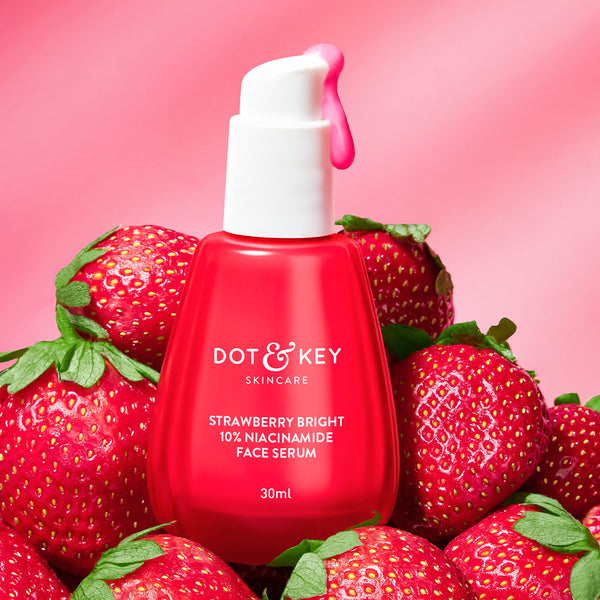
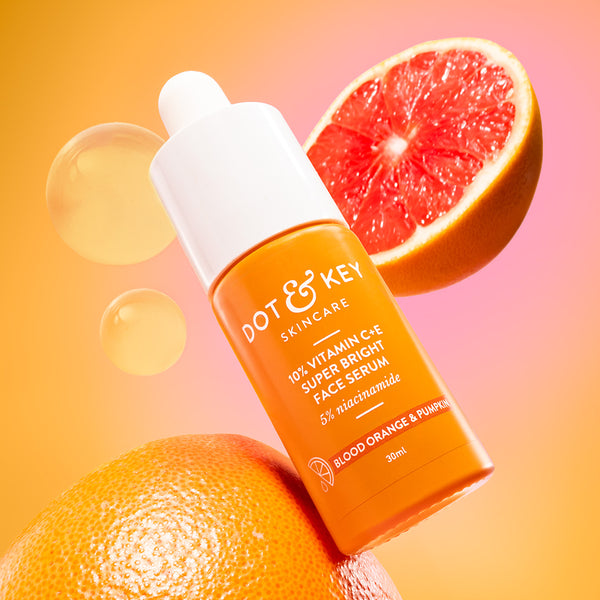
2. Antioxidant serum (optional). A vitamin C or niacinamide serum can help protect against environmental damage and support even tone. Pat, do not rub.
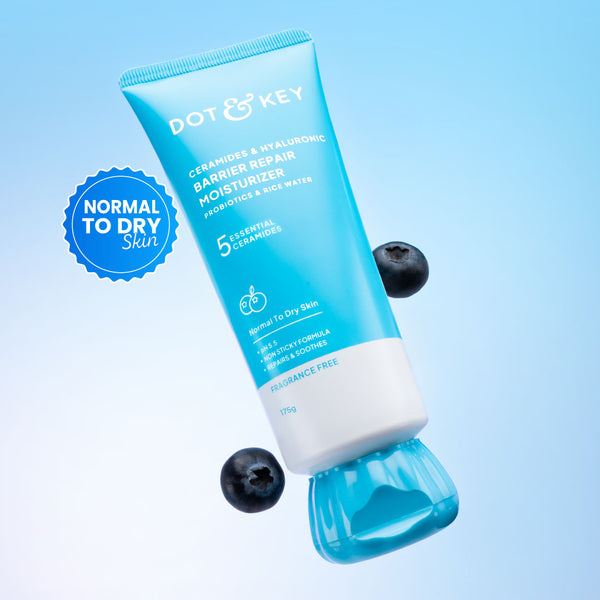
3. Moisturiser. Choose a formulation suitable for the neck's thinner skin. Look for ceramides, glycerin, or hyaluronic acid.
4. Sunscreen. Apply a broad-spectrum SPF 30 or higher to the neck, including the sides and back. This is the single most important step for preventing further darkening.
Evening:
1. Gentle cleanse. Remove sunscreen thoroughly but without scrubbing.
2. Treatment (if appropriate). If using a retinoid or exfoliating acid, apply to dry skin and start with two to three nights per week. Build tolerance slowly.
3. Moisturiser. Apply generously to support the barrier and reduce irritation from active ingredients.
Weekly:
• Gentle exfoliation once or twice weekly with a PHA or low-concentration AHA, only if the skin is not irritated. Do not use physical scrubs on the neck.
What to avoid:
• Vigorous scrubbing with cloths, brushes, or exfoliating gloves.
• High-concentration acids or retinoids without building tolerance.
• Lemon juice, baking soda, or other harsh home remedies. These can disrupt the skin barrier and worsen pigmentation.
• Skipping sunscreen on the neck because it is "covered" by clothing. Clothing does not always provide sufficient UV protection, especially when wet or stretched.
When to See a Doctor: Red Flags and Referral Guidance
See a dermatologist or general practitioner if:
• The darkening is sudden and widespread, rather than gradual and localised.
• The skin is thick, velvety, and accompanied by skin tags, particularly in the neck and armpits.
• You have other symptoms such as unexplained weight change, fatigue, excessive thirst, frequent urination, or irregular menstrual cycles.
• The darkening is not responding to appropriate over-the-counter care after three to six months.
• You are taking a medication that may be causing the pigmentation and want to discuss alternatives.
• The skin is painful, itching, or bleeding.
• You have a personal or family history of diabetes, PCOS, or thyroid disease.
A dermatologist can examine the skin, perform dermoscopy if needed, and determine whether further investigation (such as fasting glucose, insulin levels, or thyroid function tests) is warranted.
FAQ
Is a dark neck always a sign of diabetes?
No. While acanthosis nigricans is strongly associated with insulin resistance and type 2 diabetes, not everyone with a dark neck has diabetes. Other causes include sun damage, friction, hormonal changes, and medications. However, because the association is significant, a velvety dark neck warrants a medical review to rule out underlying metabolic conditions.
Can I lighten my dark neck at home?
Mild sun-related or friction-related pigmentation may improve with a consistent routine of photoprotection, gentle exfoliation, and topical niacinamide or vitamin C. Acanthosis nigricans will not resolve with topical products alone if the underlying insulin resistance is not addressed. Prescription-strength treatments such as tretinoin or hydroquinone should be used under medical supervision.
Does scrubbing my neck make it darker?
Yes. Vigorous scrubbing can cause friction melanosis, a form of hyperpigmentation triggered by mechanical trauma. It can also disrupt the skin barrier and lead to post-inflammatory hyperpigmentation. Stop scrubbing and switch to gentle cleansing.
How long does it take to see improvement?
Sun-related pigmentation may begin to improve within four to eight weeks of consistent photoprotection and treatment. Acanthosis nigricans may improve over several months with weight loss and glycaemic control. Poikiloderma of Civatte typically requires procedural treatment and does not resolve with topical products alone.
Is a dark neck reversible?
Many forms of neck hyperpigmentation are manageable and can improve significantly with appropriate treatment. Some, such as poikiloderma of Civatte, are irreversible without procedural intervention but can be improved. Early intervention and consistent photoprotection offer the best outcomes.
Can pregnancy cause a dark neck?
Yes. Pregnancy-related hormonal changes can stimulate melanin production and cause darkening of the neck, face, and other areas. This often resolves after childbirth, but may persist in some women. Any persistent or worsening pigmentation should be reviewed by a dermatologist.
What is the difference between a dark neck and acanthosis nigricans?
A dark neck is a descriptive term for any neck darkening. Acanthosis nigricans is a specific diagnosis characterised by velvety, thickened, hyperpigmented patches in skin folds, most commonly associated with insulin resistance. Not all dark necks are acanthosis nigricans, but AN is the most common identifiable medical cause.