



The Importance of Moisturizer for Different Skin Types in Winter

When winter rolls in, our skin is usually the first to feel it. One day it’s glowing, and the next—it’s suddenly tight, dry, or just… not behaving. And honestly? It’s not your fault. Winter air is sneaky like that.
Cold winds, low humidity, and constant indoor heating basically team up to pull moisture out of your skin. Dermatologists even have a term for this: increased transepidermal water loss (TEWL) — aka, water quietly escaping from your skin. Add reduced natural oil production during winter, and you’ve got the perfect recipe for dryness and irritation.
That’s exactly why moisturizer becomes non-negotiable in winter. It’s not just a “nice-to-have”—it’s your skin’s cosy winter jacket. A good moisturizer locks in hydration, strengthens your barrier, and keeps your skin soft, calm, and glowing despite the chilly weather.
And here’s the best part: whether your skin is oily, dry, combination, or sensitive—there’s a winter moisturizer that works for you. In this guide, we’ll walk through why moisturizers matter so much during the colder months and how to pick one that actually makes a difference (without overcomplicating your routine).
Let’s dive in and keep that winter glow alive.
Why Winter Weather Challenges Your Skin
Winter really doesn’t play fair with your skin. The temperatures dip, the humidity drops, heaters run nonstop—and suddenly your skin feels tight, flaky, and way moodier than usual. In fact, studies show that skin hydration can drop by up to 25% in winter compared to summer. No wonder the dullness creeps in.
Think of your skin like a brick wall. The skin cells are the bricks, and the “mortar” holding them together is made of lipids and natural moisturising factors. When winter hits, this mortar starts to break down—making it easier for moisture to escape and irritants to sneak in. That’s why even people who usually have balanced skin can experience redness, dryness, or sudden flare-ups of acne or eczema.
This is where your moisturizer becomes the hero. It helps rebuild that weakened barrier—but the kind of support your skin needs depends on your skin type. More on that in a bit.
The Science Behind Skin Hydration in Cold Weather
Here’s the simple science: Your skin stays hydrated thanks to a balance of water and oils. Different ingredients in moisturizers play different roles:
- Humectants (like hyaluronic acid and glycerin) act like little magnets that pull water into your skin.
- Emollients (such as ceramides) smooth and soften rough edges.
- Occlusives (like petrolatum or squalane) lock everything in by creating a protective seal.
During winter, humidity can drop below 40%, which means there’s barely any moisture in the air for your skin to hold on to. Naturally, your skin loses water faster. Research even shows that using a moisturizer consistently can cut transepidermal water loss by 20–30% and keep your skin’s microbiome (the friendly bacteria that protect your skin) healthier.
But here’s the catch: winter moisturising is not one-size-fits-all. Using a heavy cream on oily skin may clog pores, while skimping on moisturizer when you have dry skin can lead to cracks and irritation.
The key? Choosing the right texture and ingredients for your skin type—so your skin stays happy all winter long.
Tailoring Moisturizer to Your Skin Type in Winter
Every skin type reacts differently to winter's demands, so understanding yours is crucial. Whether you're dealing with dryness, oiliness, or sensitivity, a targeted moisturizer strategy can make all the difference. Here's how to adapt.
For Dry Skin: Preventing Cracks and Discomfort
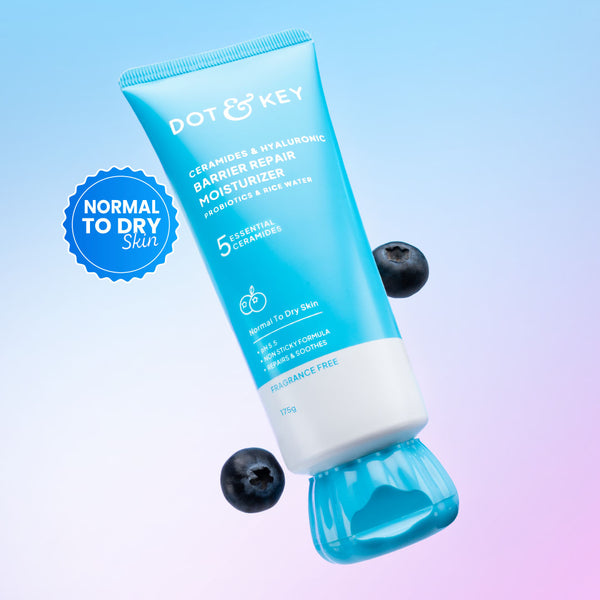
If your skin feels tight or flaky year-round, winter amplifies this. Dry skin lacks natural oils, making it prone to barrier damage. Moisturizer is vital here to replenish lipids and lock in hydration.
- Why it's important: Without it, dry skin can develop micro-cracks, leading to irritation or infections. Evidence from dermatology clinics shows that twice-daily moisturising reduces dryness symptoms by 50% in winter.
- Practical tips: Opt for richer, cream-based formulas with emollients. Apply immediately after showering while skin is damp to trap moisture—think of it as sealing in the goodness from your cleanse.
- Example: Someone with chronically dry skin might notice reduced itching after consistent use, allowing them to enjoy winter activities without discomfort.
For Oily Skin: Balancing Without Clogging
Oily skin might seem like it doesn't need extra moisture, but winter can deceive you. Cold air can trigger overproduction of sebum as your skin compensates for dehydration, leading to shine and breakouts.
- Why it's important: Skipping moisturizer can worsen this cycle. A lightweight one helps regulate oil without adding heaviness, as per findings in the Journal of Cosmetic Dermatology.
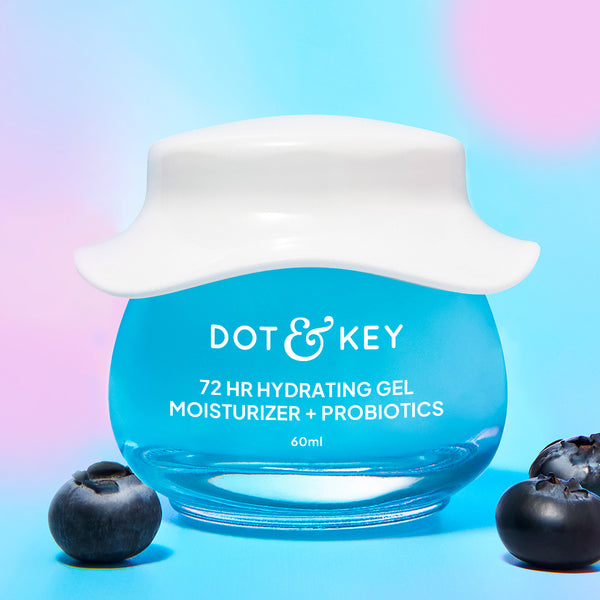
- Practical tips: Choose gel or lotion textures with humectants. Use it sparingly—perhaps once a day—to avoid overwhelming your pores.
- Balanced view: While oily skin benefits from hydration, overdoing it might cause congestion, so listen to your skin's signals.
For Combination Skin: Addressing Uneven Needs
Combination skin—with oily T-zones and dry cheeks—faces a dual challenge in winter. The dry areas crave nourishment, while oily spots risk shine.
- Why it's important: Moisturizer evens out hydration, preventing patchy texture. Research indicates that targeted moisturising improves overall skin uniformity.
- Practical tips: Use a lighter formula on oily areas and a thicker one on dry patches. Multi-masking techniques, applying different amounts to zones, can be effective.
- Example: A 25-year-old with combination skin might find their forehead less greasy and cheeks less tight after zoning their routine.
For Sensitive Skin: Soothing and Protecting
Sensitive skin is easily irritated by winter's harsh elements, often reacting with redness or stinging.
- Why it's important: Moisturizer with calming ingredients strengthens the barrier, reducing reactivity. Studies in Clinical and Experimental Dermatology note a 40% drop in irritation with barrier-repairing formulas.
- Practical tips: Look for fragrance-free options and patch-test new ones. Apply gently, avoiding rubbing.
- Encouraging note: It's okay to experiment slowly—building tolerance takes time, but the payoff is calmer skin.
For Acne-Prone Skin: Hydrating Without Breakouts
Acne-prone skin often fears moisturizer, associating it with clogged pores. Yet, winter dehydration can inflame existing spots.
- Why it's important: Proper hydration supports healing and prevents over-drying from treatments. A 2020 review in Dermatology and Therapy found non-comedogenic moisturizers reduce acne severity in dry conditions.
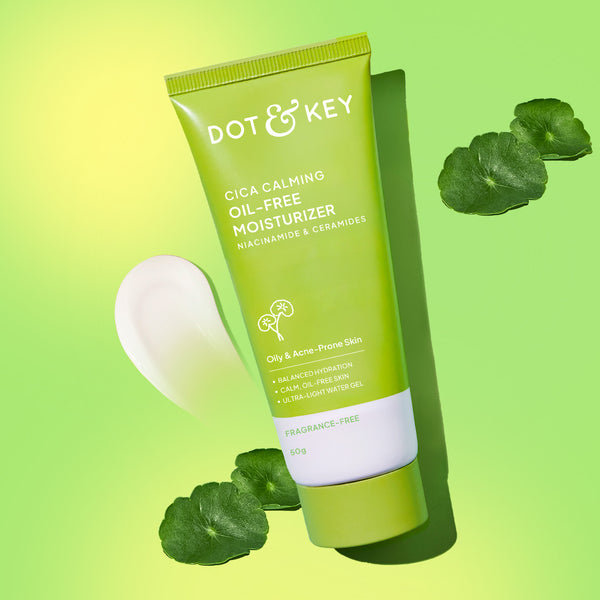
- Practical tips: Select oil-free, water-based versions. Layer under acne treatments to buffer dryness.
- Comparison: Think of it like watering a plant—too little, and it withers; just right, and it thrives without weeds (breakouts).
For Mature Skin: Combating Ageing Signs
For those in their 30s and 40s noticing fine lines, winter accelerates moisture loss, emphasising wrinkles.
- Why it's important: Moisturizer plumps the skin, minimising the appearance of ageing. Evidence from ageing research shows hydration boosts collagen support.
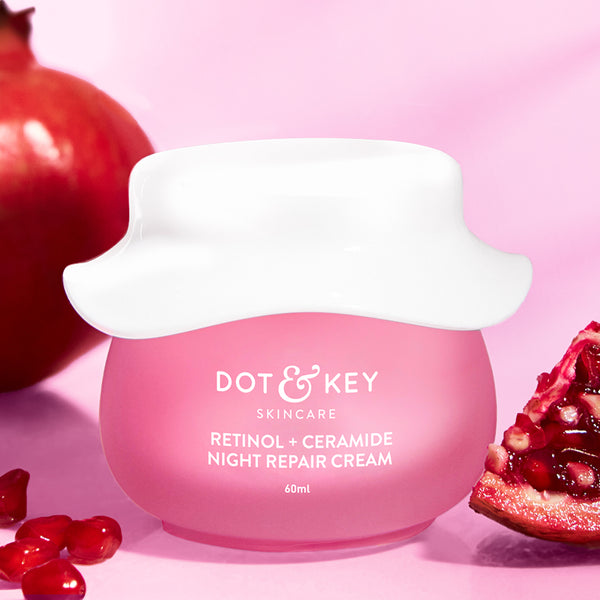
- Practical tips: Incorporate antioxidants alongside for added protection. Use at night for overnight repair.
- Balanced view: While it helps, it's part of a broader routine including sun protection—even in winter.
How to Choose and Apply Moisturizer Effectively in Winter
Selecting the right moisturizer involves reading labels for key components: humectants for drawing moisture, emollients for smoothing, and occlusives for sealing. In winter, lean towards thicker textures, but adjust based on your skin type.
Application is key—cleanse first, then apply a pea-sized amount while skin is slightly damp. Massage in upward motions for better absorption. Frequency? Twice daily for most, but oily types might stick to once.
Common pitfalls: Using too much (leads to pilling) or too little (ineffective). Track your skin's response over a week.
Conclusion
Winter demands extra care, and moisturizer is your skin's best ally, adapting to every type for optimal health. By understanding its role and tailoring your approach, you can navigate the season with confidence and comfort. Remember, skincare is personal—experiment mindfully and consult a dermatologist if issues persist.
Key Takeaways
- Winter reduces skin hydration, making moisturizer crucial for barrier protection.
- Tailor to your type: Rich for dry, light for oily, calming for sensitive.
- Apply post-shower on damp skin for best results.
- Combine with a holistic routine for balanced benefits.
- Stay consistent—small changes yield big improvements over time.
FAQs
Can I use the same moisturizer year-round?
While possible, switching to a richer formula in winter often helps combat dryness. Monitor your skin; if it feels balanced, no change is needed.
How do I know if my moisturizer is working?
Look for reduced tightness, flakiness, or irritation after 1-2 weeks. If breakouts occur, it might be too heavy—try a lighter option.
Is moisturizer necessary if I have oily skin in winter?
Yes, even oily skin can dehydrate. A non-greasy formula maintains balance without excess shine.
What if my skin is sensitive to moisturizers?
Start with minimal-ingredient products and introduce slowly. If reactions persist, a dermatologist can recommend patch-testing or alternatives.
How does moisturizer help with winter ageing signs?
It plumps the skin by retaining water, softening fine lines. Pair with sun protection for comprehensive care.