Does Dandruff Cause Hair Loss? The Truth and How to Fix It

Raj | Last Updated On 20 Mar 2026
9 mins read
Table of Contents
Does Dandruff Cause Hair Loss? The Truth and How to Fix It

You spot white flakes on your shoulders or pillow. Then you notice more hair than usual in the shower drain or on your brush. It is easy to panic and assume the dandruff is making your hair fall out. If you have ever worried that those itchy flakes mean thinning hair or even bald spots ahead, you are far from alone. Up to half of all adults deal with dandruff at some point, and many notice extra shedding right alongside it.

The direct answer is clear: dandruff does not cause permanent hair loss or baldness. It does not destroy hair follicles the way some serious conditions do. However, the itching, inflammation, and poor scalp environment it creates can trigger temporary increased shedding and weaker strands. The good news? Once you calm the scalp, the extra hair loss usually stops, and your hair can grow back stronger.

This guide breaks down exactly what happens, why the connection feels so real, how to tell if your shedding is dandruff-related, and the practical steps that restore both your scalp and your confidence. No fluff—just clear, proven strategies that address the root issues.

Table of Contents

What Exactly Is Dandruff and Why Does It Happen?

Dandruff is a common scalp condition where skin cells turn over too quickly and flake off in visible pieces. It often shows up as white or yellowish scales, itchiness, and sometimes redness or greasiness.

The main triggers include:

  • Overgrowth of a natural yeast called Malassezia that feeds on scalp oils (sebum) and produces irritating byproducts.

  • Excess oil production, which creates a perfect environment for that yeast.

  • Dry skin, cold weather, stress, or sensitivity to hair products that speed up skin shedding.

  • An imbalanced scalp microbiome where helpful bacteria lose ground to irritating microbes.

It affects people of all ages after puberty, though men tend to notice it more because of higher oil levels. Left unchecked, it creates ongoing irritation that affects more than just appearance—it disrupts the foundation your hair grows from.

How Hair Grows and How Dandruff Disrupts the Process

Each hair follicle follows a cycle: a growth phase (anagen) that lasts years, a short transition, and a resting/shedding phase (telogen). On a healthy scalp you lose 50 to 100 hairs daily without noticing because new ones replace them.

Dandruff changes this balance. The constant low-level irritation pushes more follicles into the resting phase early. You see extra hairs coming out when you wash or style. The scalp environment also weakens the hair shaft itself, so strands break more easily and look thinner overall. Understanding this cycle shows why flakes and shedding often appear together—but also why fixing the scalp quickly reverses the problem.

How Dandruff Indirectly Leads to More Shedding

Dandruff itself does not attack follicles like some diseases do. Instead, it sets up conditions that stress them. Here is exactly how it happens.

1. The itch-scratch cycle

Intense itching makes you scratch—sometimes without realizing it. Repeated scratching creates tiny injuries around the follicle, loosens hairs, and causes inflammation. Over weeks or months this mechanical damage leads to noticeable shedding. Many people report the shedding worsens right when the itch peaks.

2. Inflammation and oxidative stress

The yeast Malassezia breaks down scalp oils into irritating acids. This triggers inflammation and free-radical damage (oxidative stress) right at the root level. Inflamed follicles produce weaker hair and shed earlier. Research shows people with dandruff often have higher levels of these stress markers on the scalp, which directly affects hair quality before it even emerges.

3. Disrupted scalp environment

Flakes and excess oil clog pores slightly and shift the microbiome. Helpful bacteria decline while irritating ones thrive. The result is a scalp that cannot support strong, long-term growth as well. In people already prone to pattern thinning, this extra stress can speed up visible loss temporarily.

These effects combine to create what feels like hair loss—but it stays reversible in the vast majority of cases.

Is the Hair Loss from Dandruff Permanent?

No. Dermatologists consistently note that dandruff-related shedding is temporary. Once inflammation calms and the scalp returns to balance, follicles resume normal growth. New hairs push out the old ones within a few months.

Rare exceptions happen only when severe, untreated inflammation leads to scarring (usually from a different condition misdiagnosed as simple dandruff). In everyday dandruff or mild seborrheic dermatitis, the hair grows back fully. Most people see reduced shedding within 4 to 8 weeks of consistent care and fuller density over 3 to 6 months.

Scalp Conditions That Mimic Dandruff but Cause Real Loss

Sometimes what looks like ordinary dandruff actually signals a different issue that can cause more significant or patchy loss. Here is a clear comparison:

Condition

Typical Appearance

Itch Level

Hair Loss Type

Key Difference from Dandruff

Simple Dandruff

Fine white flakes, oily or dry

Mild to moderate

Temporary increased shedding

Even flakes, responds quickly to care

Seborrheic Dermatitis (severe dandruff)

Greasy yellow scales, redness

Strong

Temporary shedding

More redness and grease

Dry Scalp

Small dry flakes, tightness

Mild

Minimal or breakage only

No oiliness, improves with moisture

Scalp Psoriasis

Thick silvery patches, raised

Variable

Patchy, can be more permanent if scarring

Larger, well-defined plaques

Ringworm (Tinea Capitis)

Circular red patches, broken hairs

Strong

Patchy bald spots, possible scarring

Distinct rings, often in children

If you see bald patches, pus, pain, or no improvement after two weeks of proper care, it is time to rule out these other causes.

Signs Your Shedding Is Likely Tied to Dandruff

Look for these clues:

  • Flakes appear first or worsen right before extra shedding starts.

  • Itch is constant and concentrated on the scalp.

  • Hair comes out in the shower or brush but not in distinct bald patches.

  • Shedding improves within weeks of controlling the flakes.

  • No family pattern of early baldness or sudden large clumps.

When these match, targeted scalp care almost always resolves both problems together.

Step-by-Step Plan to Treat Dandruff and Stop Related Hair Loss

Follow this routine consistently for the fastest results.

  1. Choose and use the right shampoo: Select a medicated anti-dandruff shampoo with active ingredients that target the yeast and gently exfoliate. Common effective options include those with antifungal agents, zinc-based compounds, or mild acids that reduce oil and flakes. Use it 2–3 times per week. Leave it on the scalp for 3–5 minutes before rinsing so the active ingredients have time to work.

  2. Master the washing technique: Wet hair thoroughly, apply shampoo only to the scalp, and massage gently with fingertips for 60 seconds. This loosens flakes without pulling hair. Rinse completely. Follow with a lightweight conditioner only on the lengths—never the scalp if it is oily.

  3. Add weekly scalp treatments: Once or twice a week, gently massage a small amount of natural oil (such as diluted tea tree or plain coconut oil for its soothing properties) into the scalp for 10 minutes before washing. This softens buildup and calms irritation without feeding the yeast excessively.

  4. Build a daily scalp-support habit: Brush gently with a soft brush to distribute natural oils. Avoid tight hairstyles, heavy gels, or frequent heat styling that trap moisture and worsen flakes.

  5. Track progress and adjust: Expect fewer flakes in 7–14 days and noticeably less shedding in 4–6 weeks. If shedding continues beyond 8 weeks, consult a professional.

Many people notice their hair feels thicker and stronger within two months because a calm scalp grows healthier strands.

Lifestyle Changes That Protect Both Scalp and Hair Long-Term

Daily habits make a bigger difference than most realize:

  • Wash hair often enough for your scalp type—daily or every other day for oily scalps, less frequently for dry ones.

  • Manage stress through short walks, deep breathing, or better sleep; stress flares both dandruff and shedding.

  • Eat foods rich in zinc, omega-3 fatty acids, and B vitamins to support skin turnover and follicle strength.

  • Limit harsh products with heavy fragrances or alcohol that dry or irritate the scalp.

  • Get moderate sunlight exposure (with scalp protection) because it can naturally help regulate skin cell growth.

These steps prevent flare-ups and keep your scalp in the best possible condition for thick, resilient hair.

When to See a Dermatologist

  • Shedding becomes sudden or excessive (handfuls per day).

  • You develop bald patches, redness that spreads, or pain.

  • Home care brings no improvement after 2–3 weeks.

  • Flakes are accompanied by pus, crusting, or swelling.

A quick check can rule out other causes and provide stronger options if needed. Early action prevents any chance of prolonged issues.

Key Takeaways

  • Dandruff does not cause permanent hair loss, but the itching and inflammation can increase temporary shedding.

  • The extra hair you see usually regrows once the scalp calms.

  • Treating the root causes—yeast, oil balance, and irritation—stops both flakes and shedding at the same time.

  • Consistent gentle care plus smart daily habits deliver the fastest, longest-lasting results.

  • Your scalp is the soil for your hair; keep it healthy and the hair naturally follows.

Take the first step today with a proper washing routine. Within weeks you can expect fewer flakes, less hair in the drain, and the confidence that comes with a calm, balanced scalp.

Frequently Asked Questions

Does dandruff cause permanent hair loss?

No. Dandruff leads only to temporary shedding that reverses with proper scalp care.

Can dandruff cause bald patches?

Simple dandruff does not. Patchy loss usually points to another condition such as psoriasis or a fungal infection that needs different treatment.

Will my hair grow back after treating dandruff?

Yes. Most people see reduced shedding in 4–8 weeks and visible regrowth within a few months as follicles return to their normal cycle.

How do I stop hair loss from dandruff quickly?

Use a targeted anti-dandruff shampoo correctly, stop scratching, massage the scalp gently, and support overall health with stress reduction and balanced nutrition.

Is hair loss from dandruff the same as pattern baldness?

No. Dandruff-related loss is diffuse shedding that improves with scalp treatment. Pattern baldness follows a specific shape and requires separate management, though dandruff can make it look worse temporarily.

Does washing hair more often make dandruff or hair loss worse?

Not when done correctly. Gentle, frequent washing often helps by removing excess oil and yeast. Over-washing with harsh products can dry the scalp and increase irritation.

Can stress make dandruff and shedding worse?

Absolutely. Stress weakens the immune response and increases oil production, feeding the yeast and pushing more follicles into shedding.

Are there natural ways to control dandruff without medicated products?

Mild cases sometimes improve with diluted tea tree oil, apple cider vinegar rinses, or aloe vera for soothing. These work best as support alongside proper cleansing, not as a complete replacement for persistent dandruff.

How long does it take for dandruff treatment to reduce hair shedding?

Flakes usually decrease in 1–2 weeks. Shedding normalizes in 4–8 weeks for most people once inflammation subsides.

Should I see a doctor if I have both dandruff and hair loss?

Yes, especially if shedding is heavy, patchy, or does not improve with consistent home care. A professional evaluation ensures you are not dealing with a different underlying issue.


Our Recommendation

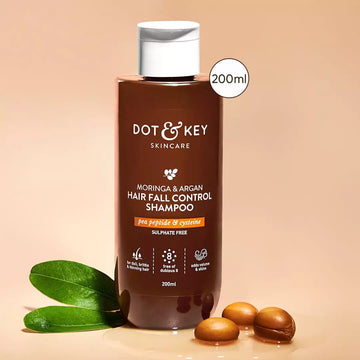
Moringa & Argan Oil Hair Fall Control Shampoo

Limp, Lifeless & Thinning Hair

Moringa & Argan Oil Hair Fall Control Shampoo
Full Star Full Star Full Star Full Star Half Star
(337)

Buy 2 @ 699

316

395

(20% OFF)

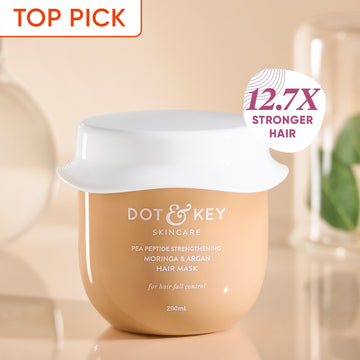
Hair Mask with Moringa + Argan Oil

Dull, Brittle & Thinning Hair

Hair Mask with Moringa + Argan Oil
Full Star Full Star Full Star Full Star Half Star
(417)

Buy 2 @ 699

516

645

(20% OFF)

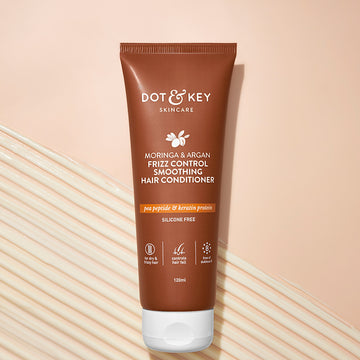
Moringa & Argan Frizz Control Hair Conditioner

 Dry, Frizzy & Limp Hair

Moringa & Argan Frizz Control Hair Conditioner
Full Star Full Star Full Star Full Star Half Star
(273)

Buy 2 @ 699

278

348

(20% OFF)