



Diwali Skin Care Tips 2026: A Dermatologist-Backed Guide
 11 Oct 2025

The most effective Diwali skincare plan is not a long list of new products. It is a short, consistent routine that shields your skin barrier from smoke and pollution, supports it with antioxidants, and repairs it gently overnight. Start with three non-negotiables: a mild cleanser, a barrier-supporting moisturiser, and broad-spectrum SPF 30 or higher. Everything else is optional.
Diwali is a joyful but demanding time for your skin. Firecracker smoke, traffic fumes, late nights, heavy makeup, and sugary treats can all converge in a single week. The goal is not to achieve perfect skin. It is to keep your barrier stable, reduce irritation, and recover faster. This guide explains what is happening beneath the surface, gives you a simple routine for morning, evening, and post-festival recovery, and clarifies which ingredients are worth your money.
Why Diwali Is Hard on Your Skin: The Science in Simple Terms
Your skin barrier is the outermost layer of the epidermis. It keeps irritants out and moisture in. When that barrier is repeatedly exposed to smoke, dust, and fine particulate matter, it can become disrupted. Research shows that particulate matter triggers oxidative stress, promotes inflammatory signals, and damages barrier-related proteins in skin cells.
In plain language, three things happen:
-
Free radicals build up. Smoke and pollution contain unstable molecules that steal electrons from skin cells. This is called oxidative stress, and it contributes to dullness, uneven tone, and premature ageing.
-
The barrier weakens. When the barrier is compromised, irritants penetrate more easily, and water escapes more quickly. That can lead to dryness, sensitivity, and flares of acne or eczema.
-
Inflammation rises. Even without visible redness, low-grade inflammation can worsen existing pigmentation and make skin feel uncomfortable.
Add late nights, dehydration, and high-sugar foods, and the skin is dealing with internal and external stress at the same time. High-glycaemic foods can spike blood sugar and increase oil production, which may contribute to breakouts. Poor sleep slows overnight repair. This is why a simple, consistent routine matters more than a complicated one.
Your Diwali Skin Care Routine: A Simple 3-Step Framework
Morning: Protect and Defend
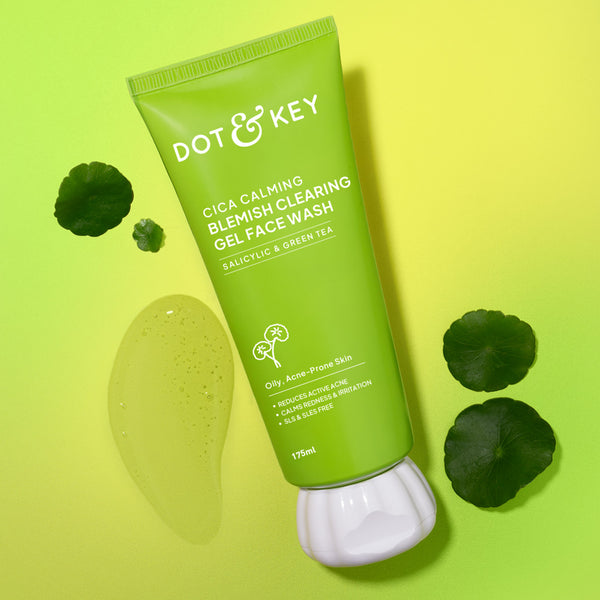
1. Cleanse gently. Use a mild, pH-balanced, fragrance-free cleanser. Harsh foaming cleansers can strip lipids and make the barrier more reactive. If your skin feels tight after washing, the cleanser is too strong.
2. Apply an antioxidant serum. Vitamin C, niacinamide, or a combination of both helps neutralise free radicals from pollution and smoke. Niacinamide has been shown in laboratory studies to inhibit particulate-matter-induced reactive oxygen species and support barrier function. Vitamin C also supports collagen production and can help with uneven tone. If your skin is sensitive, start with niacinamide at 2–5%.
3. Moisturise, then protect. Apply a lightweight moisturiser with ceramides, glycerin, or hyaluronic acid. Ceramides are lipids that help restore barrier integrity and reduce water loss. Finish with a broad-spectrum sunscreen of SPF 30 or higher. Sun protection is non-negotiable, even on cloudy days and even if you are mostly indoors. UV exposure can worsen pigmentation and compound pollution-related damage.
Evening: Cleanse and Repair
1. Double cleanse if you wore makeup or were outdoors for hours. Start with a gentle oil-based cleanser or micellar water to dissolve makeup and sunscreen, then follow with a mild water-based cleanser. This removes particulate matter without over-stripping. If you did not wear makeup, a single gentle cleanse is enough.
2. Use a soothing, barrier-repairing serum or moisturiser. Look for panthenol, centella asiatica, colloidal oatmeal, or ceramides. These ingredients help calm inflammation and support recovery. This is also a good time to apply a richer moisturiser if your skin feels dry.
3. Consider pausing strong actives temporarily. If your skin is stinging, red, or unusually dry, reduce or pause retinoids, high-strength glycolic acid, and benzoyl peroxide for a few days. Let comfort guide you. An irritated barrier does not benefit from more exfoliation.
After the Festivities: Reset Gently
Once the main celebrations are over, do not rush into aggressive treatments. The goal is to restore balance.
-
Continue gentle cleansing and barrier moisturising.
-
Reintroduce antioxidants and sunscreen daily.
-
If your skin feels rough, use a mild exfoliant with lactic or mandelic acid once or twice a week. Avoid scrubs and strong peels while the barrier is still recovering.
-
Hydrate internally with water and antioxidant-rich foods such as citrus fruits, berries, and leafy greens.
-
Prioritise sleep. Overnight repair is real, and consistent sleep supports skin recovery.
Key Ingredients That Actually Help (and What to Avoid)
What to avoid during the festive week: harsh scrubs, lemon juice or baking soda DIY masks, strong chemical peels, and sharing makeup products. Lemon juice and baking soda can disrupt pH and cause irritation or burns. Sharing eye and lip products can spread infections.
How to Manage Makeup Without Clogging Your Skin
Festive makeup is part of the joy. The key is to prep and remove it properly.
-
Prep with skincare, not extra layers. A lightweight moisturiser and sunscreen are enough. A primer can help makeup sit smoothly, but you do not need multiple serums underneath.
-
Choose breathable, non-comedogenic formulas. Heavy, occlusive foundations can trap sweat and pollutants, especially in humid Indian weather. Sheer or buildable coverage is often more comfortable.
-
Remove makeup the same night. Double cleansing is the most reliable way to remove pigment and sunscreen without scrubbing. Leaving makeup on overnight increases the risk of clogged pores and irritation.
-
Clean your tools. Brushes and sponges can harbour bacteria. Wash them before the festive week begins.
Diet, Hydration, and Sleep: The Internal Side of Festive Skin
Skincare alone cannot compensate for a week of dehydration and poor sleep.
-
Water first. Aim for pale yellow urine as a simple hydration check. Dehydration makes fine lines and dullness more visible.
-
Moderate sweets. High-glycaemic foods can spike insulin and increase oil production, which may contribute to breakouts. You do not need to avoid sweets completely, but balance them with protein and fibre.
-
Protect sleep where you can. Even one or two nights of poor sleep can make skin look dull and feel more reactive. A consistent bedtime, even during festivities, supports overnight repair.
-
Do not rely on oral supplements to replace topical protection. A balanced diet rich in fruits and vegetables is a reasonable foundation, but supplements are not a substitute for sunscreen and barrier care.
Common Diwali Skin Care Mistakes to Avoid
Mistake 1: Over-exfoliating to “deep clean” after smoke exposure.
More scrubbing does not remove pollution more effectively. It removes protective lipids and increases irritation. Gentle cleansing is enough.
Mistake 2: Skipping sunscreen because it is not summer.
UV damage is present year-round, and decorative lighting does not replace the sun. Festive shopping and outdoor celebrations still involve UV exposure.
Mistake 3: Using lemon juice or baking soda as a quick brightening fix.
These ingredients can disrupt the skin’s pH and cause chemical burns, especially on sensitive or compromised skin.
Mistake 4: Layering too many new products at once.
If your skin reacts, you will not know which product caused it. Introduce one new product at a time, and patch test first.
Mistake 5: Waiting until skin is already irritated to simplify.
The best time to protect the barrier is before the festivities begin. A simple routine started a week early is more effective than a rescue routine started after damage is done.
Realistic Timelines: What to Expect and When
-
During the festive week: With consistent gentle cleansing, antioxidant support, and moisturising, most people can prevent significant dryness and irritation. You may still notice some dullness or mild breakouts if you are wearing makeup daily and sleeping less.
-
48–72 hours after the main celebrations: With a simplified repair routine, redness and tightness often begin to settle.
-
1–2 weeks after: Dullness and mild congestion usually improve with regular cleansing, moisturising, and sunscreen. Pigmentation takes longer, often weeks to months, because it involves melanin production and skin turnover.
-
If you have an active eczema or acne flare: Recovery may take longer, and professional advice is appropriate. Do not judge your skin by a one-week timeline if you have a chronic condition.
When to See a Dermatologist
Most festive skin changes settle with gentle care. Seek professional advice if you notice:
-
Severe or spreading redness, swelling, or pain.
-
Pus-filled bumps or signs of infection.
-
A rash that does not improve after a week of gentle care.
-
Persistent pigmentation or a changing mole.
-
Eczema or acne that is worsening despite simplifying your routine.
A dermatologist can assess whether you need prescription treatment and can help you avoid products that may be worsening the problem.
FAQs
Does drinking water really help skin during Diwali?
Yes, indirectly. Dehydration makes skin look dull and can worsen tightness. Water supports overall hydration, but it does not replace a barrier moisturiser. Aim for regular water intake and use a moisturiser with humectants and ceramides to hold water in the skin.
Can I use vitamin C if my skin is sensitive?
Yes, but choose a well-formulated derivative such as sodium ascorbyl phosphate or magnesium ascorbyl phosphate, and start with a low concentration every other morning. Patch test first. If stinging persists, switch to niacinamide, which is generally better tolerated.
Is it safe to use retinol during Diwali?
If you already use retinol and your skin is comfortable, you can continue. If your skin becomes dry, red, or irritated from smoke and late nights, reduce frequency or pause temporarily. Do not start a new retinol during the festive week, as irritation may confuse your routine.
How do I remove heavy festive makeup without irritating my skin?
Use a gentle oil-based cleanser or micellar water first, massage gently for 30–60 seconds, then rinse. Follow with a mild water-based cleanser. Avoid scrubbing or using hot water. Pat dry and apply a soothing moisturiser immediately.
Do air purifiers help skin?
They can reduce indoor particulate matter, which may lower overall exposure. However, they are not a substitute for topical protection. Use an air purifier if you have one, keep windows closed during peak smoke hours, and continue your skincare routine.
Are DIY face packs with kitchen ingredients safe for Diwali glow?
Some ingredients, like plain yogurt or honey, are generally low-risk for most people. However, lemon juice, baking soda, and high-concentration essential oils can irritate or burn the skin. If you enjoy DIY, keep it simple and patch test. Do not use a new DIY mask right before an event.